Muzzleloader seasons can look deceptively similar from one state to another, but the firearm rules may be very different. Some jurisdictions accept modern inline rifles, while others distinguish between percussion and flintlock systems. Caliber, propellant, projectile design, and even optics can also matter. The rifles below illustrate the range of designs that may qualify under particular state rules. They should be viewed as examples, not a universal legal list, because hunters must confirm the regulations for the exact season, location, and rifle configuration.
1. CVA Optima V2

The CVA Optima V2 is a modern inline muzzleloader built around a .50-caliber barrel, with a design aimed at practical deer hunting rather than historical reproduction. Its inline ignition and break-open action make it familiar to hunters accustomed to modern sporting rifles. In states that permit .45- or .50-caliber inline muzzleloaders, a rifle in this class can qualify when the state allows that ignition system. The important numbers are the .50 caliber and the rifle’s 1-shot muzzleloading configuration. Always match the exact model and load to the season rules.
2. CVA Wolf V2
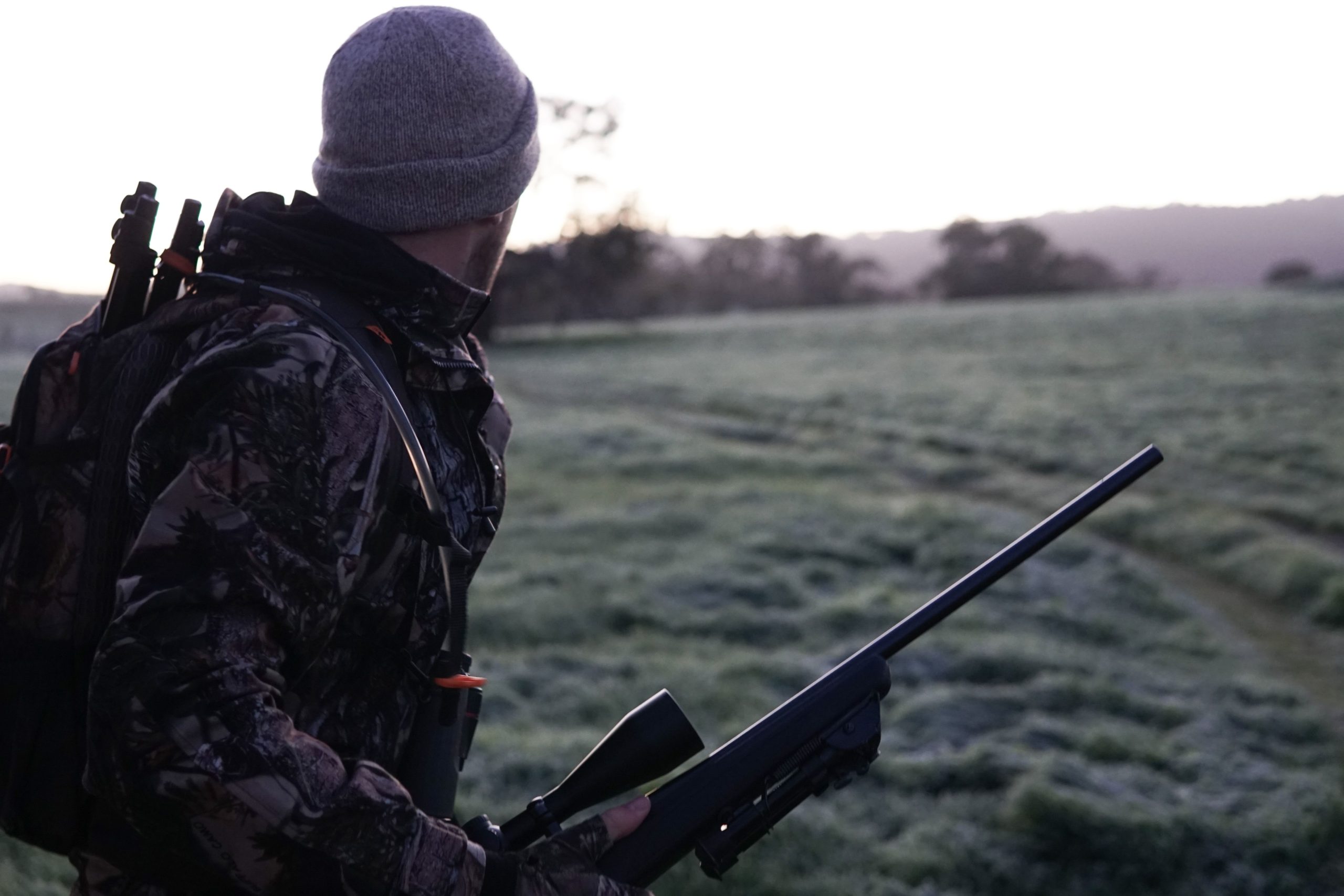
The CVA Wolf V2 is a .50-caliber inline rifle commonly associated with dedicated muzzleloader hunting. Its compact hunting format is useful in thick cover, while the inline system provides a modern ignition arrangement. The key number is .50 caliber, which falls within the minimum bore size used by several muzzleloader regulations. That does not make every Wolf configuration legal everywhere. Some states restrict ignition, propellant, projectile construction, or optics, so hunters should verify the current season language and the exact rifle configuration before heading afield.
3. CVA Accura V2
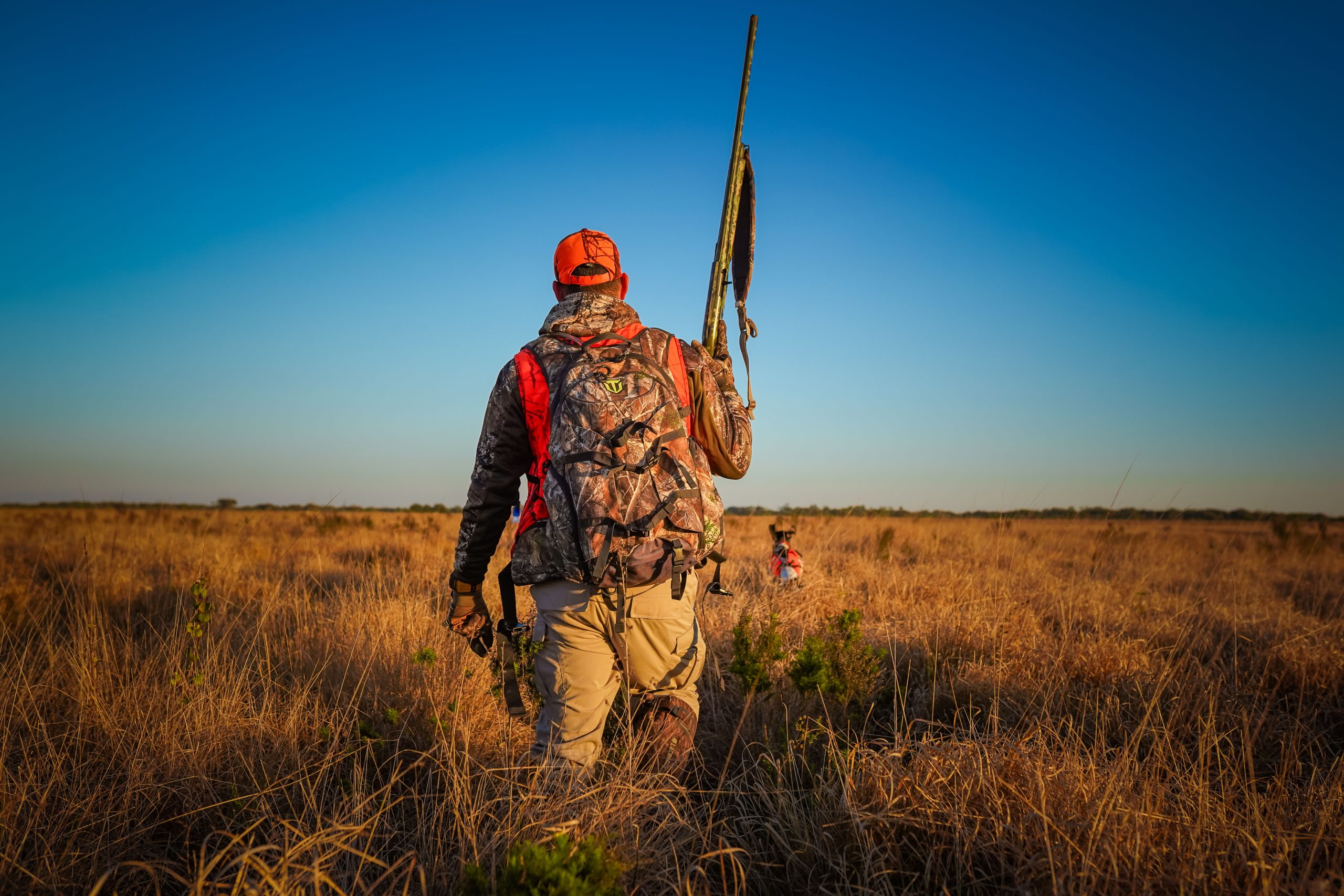
The CVA Accura V2 is a feature-focused inline hunting rifle offered in muzzleloading configurations including .45 and .50 caliber. That matters because state rules can set a minimum bore size rather than simply saying “muzzleloader.” Virginia, for example, defines legal muzzleloading rifles for deer at .40 caliber or larger, while Pennsylvania’s October antlerless season allows certain .44-caliber-or-larger muzzleloading long guns. The exact Accura model, projectile, ignition system,m and season rules still need checking before any hunt begins.
4. Traditions Buckstalker
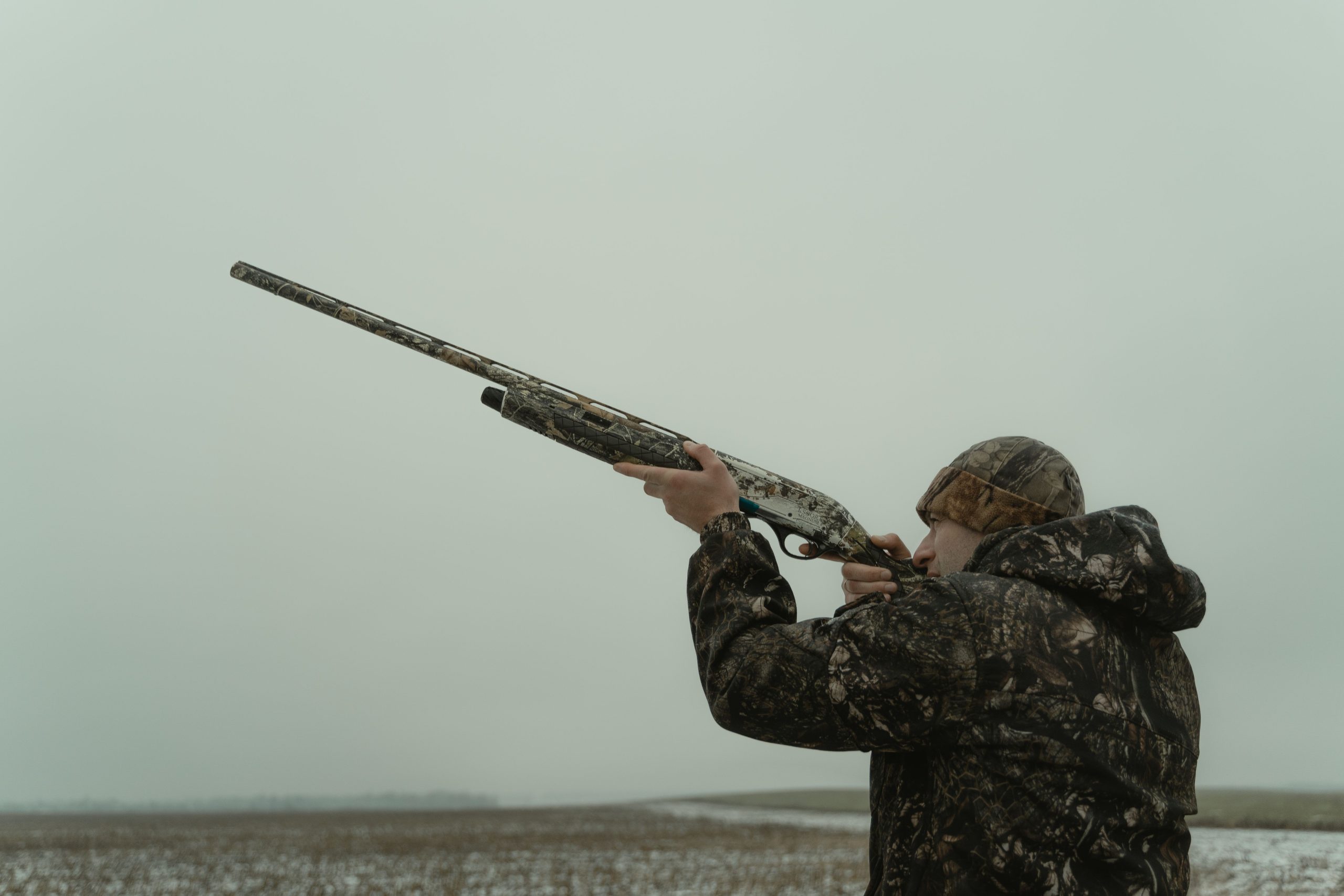
The Traditions Buckstalker is a practical inline muzzleloader built around a .50-caliber bore. Manufacturer documentation for one configuration lists a 24-inch barrel with a 1:28-inch twist, useful numbers for identifying the rifle. A .50-caliber inline can fit the general muzzleloader category used by some states, but season rules are not uniform. One state may permit inline ignition while another favors percussion or flintlock designs. The rifle’s name alone is not enough; confirm the current caliber, projectile,le and propellant requirements.
5. Traditions Pursuit
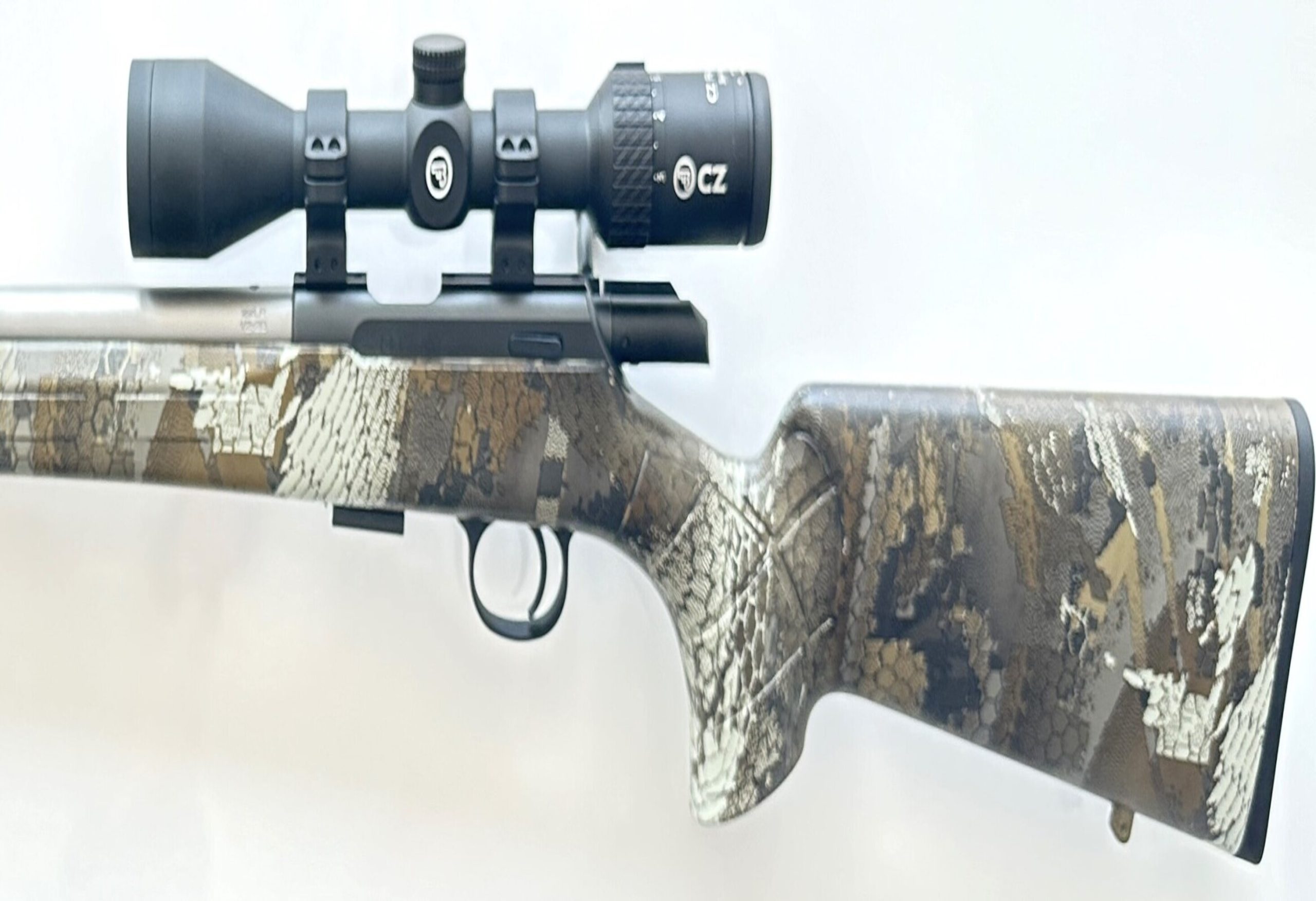
The Traditions Pursuit is a .50-caliber inline muzzleloader designed for modern hunting. One manufacturer manual identifies a 24-inch version and a 1:28-inch twist, while also specifying black powder or Pyrodex rather than smokeless powder. That distinction can matter during a dedicated muzzleloader season because some jurisdictions regulate the propellant as closely as the firearm itself. A Pursuit-type rifle may fit a season where .50-caliber inline muzzleloaders are legal, but it should never be treated as universally legal. Check the current season wording first.
6. Traditions Kentucky Rifle
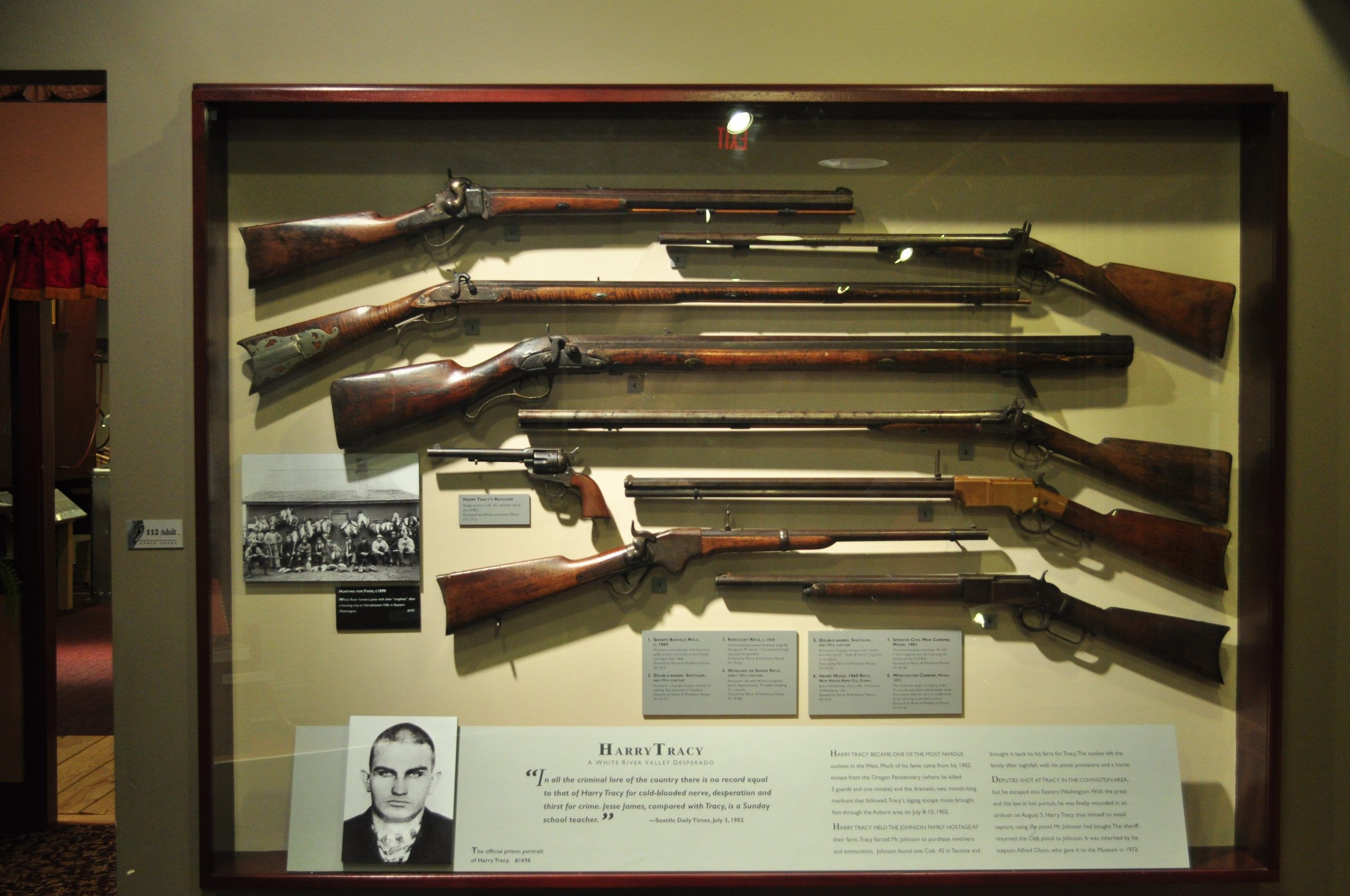
The Traditions Kentucky Rifle takes a different route from modern inline designs. A documented .50-caliber percussion version uses a 33.5-inch octagonal barrel and a 1:66-inch twist, numbers that reflect its traditional design. Some jurisdictions recognize percussion muzzleloaders, while others impose extra rules on projectile type, ignition or equipment. Its .50 caliber is above the .44-inch minimum used in some regulations, but that alone does not establish legality. Hunters must confirm whether the state allows this style during the particular muzzleloader season.
7. Traditions St. Louis Hawken
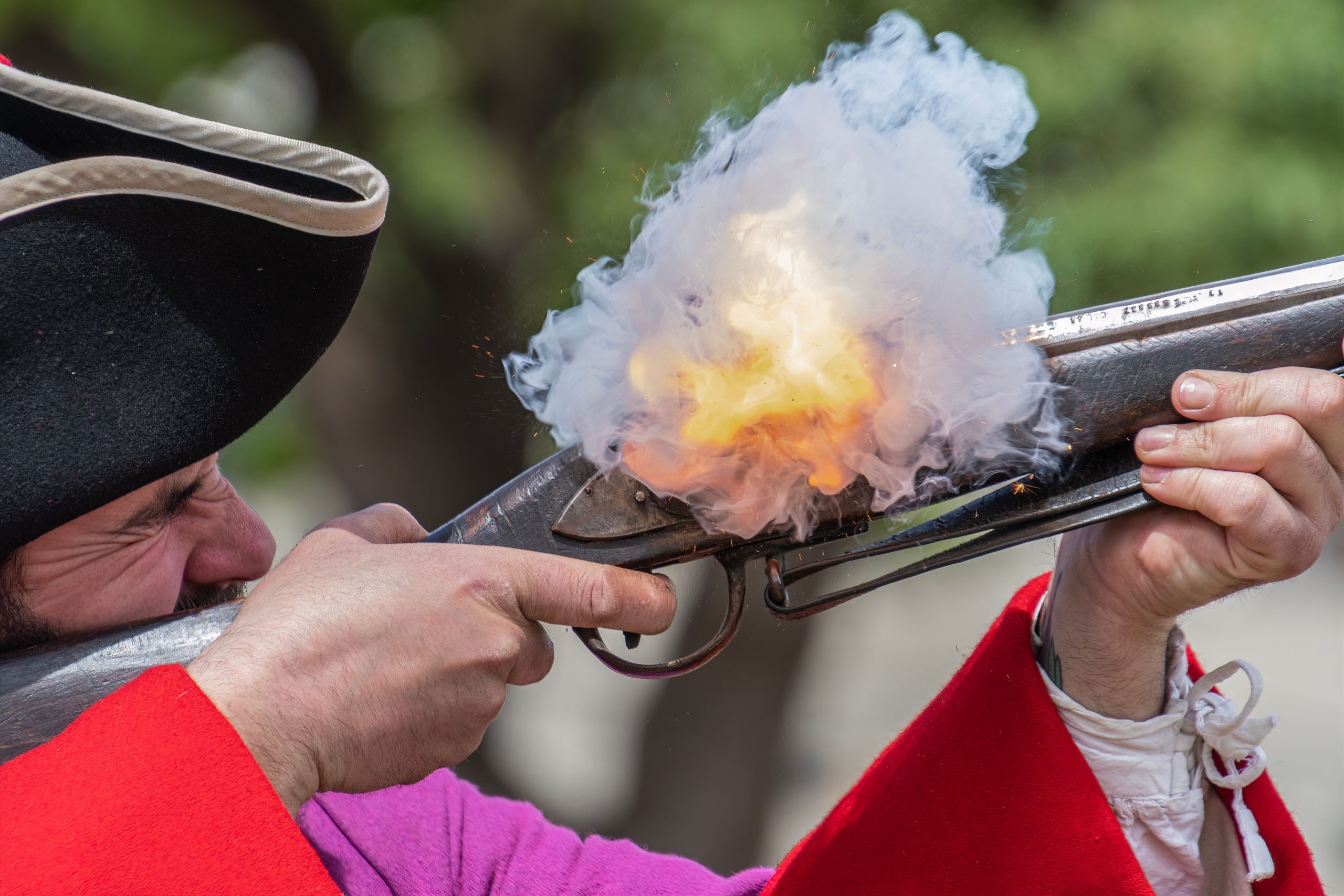
The Traditions St. Louis Hawken is a classic-style percussion rifle with a .50-caliber bore. Manufacturer specifications list a 28-inch octagonal barrel and a 1:48-inch twist, making it different from short, modern inline hunting rifles. That traditional configuration can matter in states that distinguish between percussion, flintlock,ock and inline ignition. A .50-caliber bore also clears the .44-caliber minimum found in some regulations. Still, season legality depends on the jurisdiction, projectile, powder,wder and other equipment rules in effect for that hunt.
8. Traditions Deerhunter
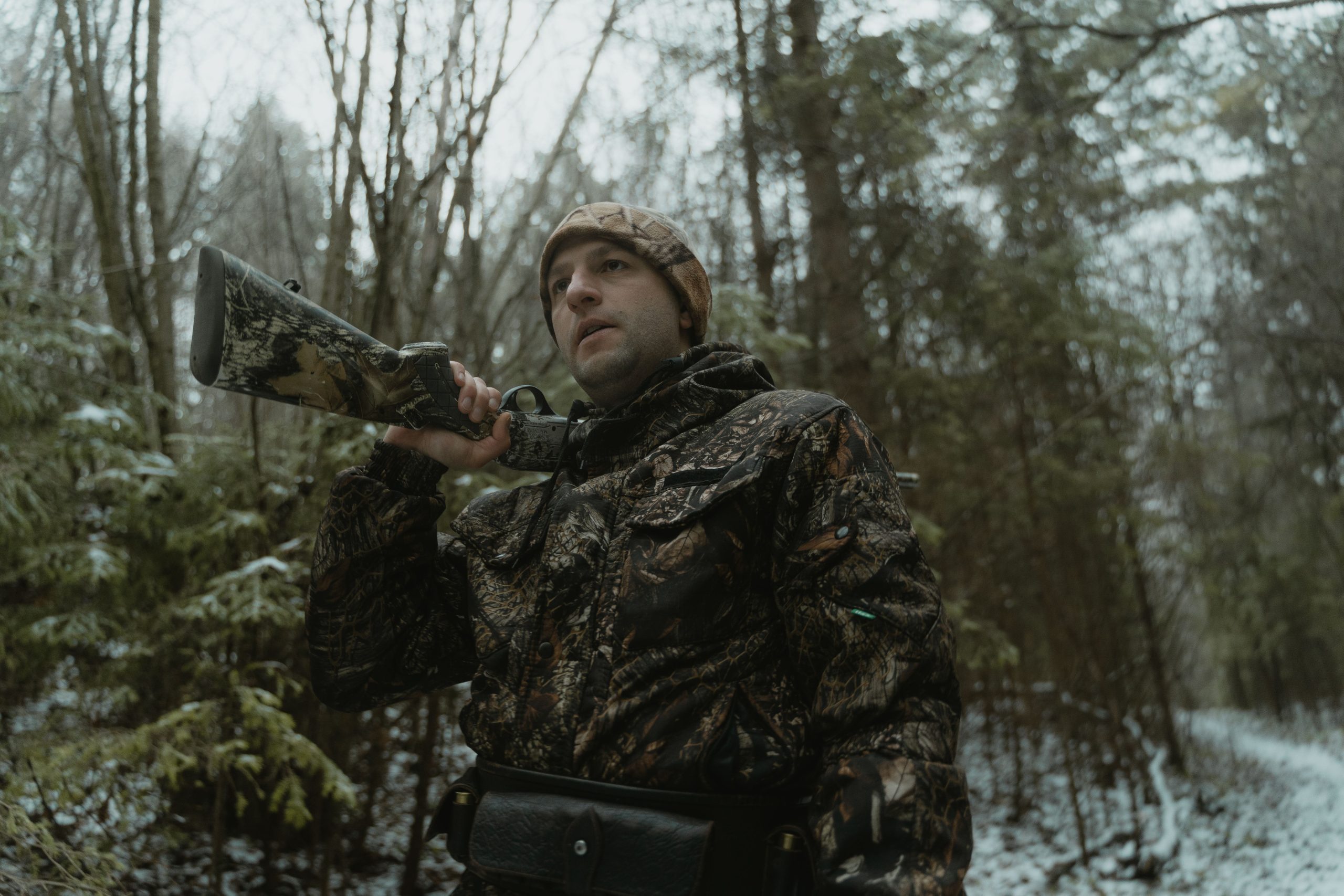
The Traditions Deerhunter is a compact traditional muzzleloader built around a .50-caliber percussion system. One documented configuration uses a 24-inch octagonal barrel and a 1:48-inch twist, providing a useful numerical snapshot. Its percussion ignition may suit regulations that recognize conventional muzzleloaders, but the same rifle can face different treatment across state lines. Hunters should verify whether the season permits percussion rifles, what projectile is required, and whether scopes or particular propellants are restricted. Model name alone never settles the question.
9. Traditions Frontier Flintlock
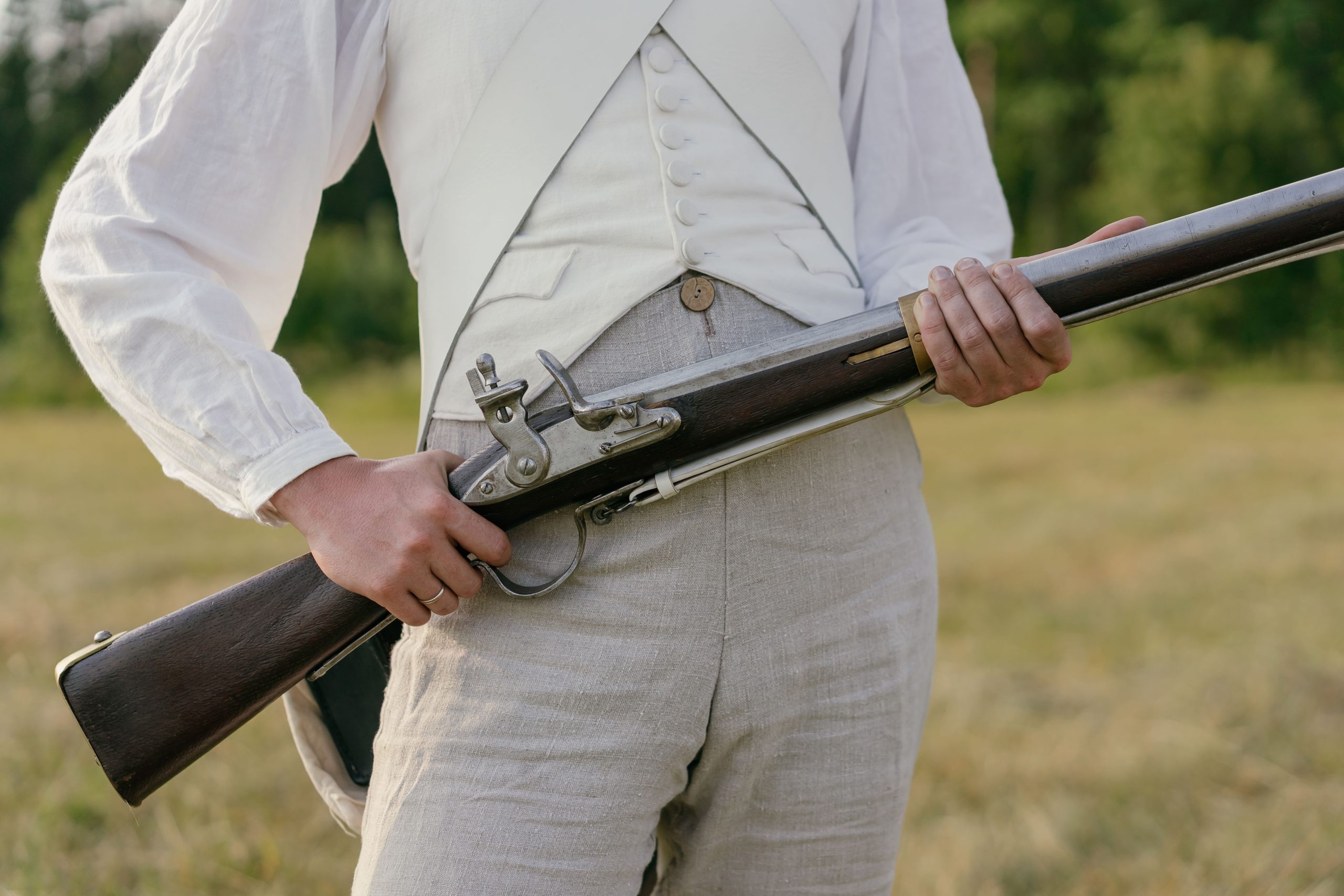
The Traditions Frontier Flintlock is relevant to jurisdictions that preserve flintlock hunting traditions. A documented .50-caliber version has a 28-inch octagonal barrel and a 1:48-inch twist. Pennsylvania is a notable example with a dedicated statewide flintlock deer season, although its rules and dates differ from its earlier antlerless muzzleloader season. This rifle shows why “muzzleloader season” is not one universal category. Flintlock, percussion, and inline rifles can be treated differently, so hunters need to identify the season and firearm definition before using that configuration.
10. Remington Model 700 ML
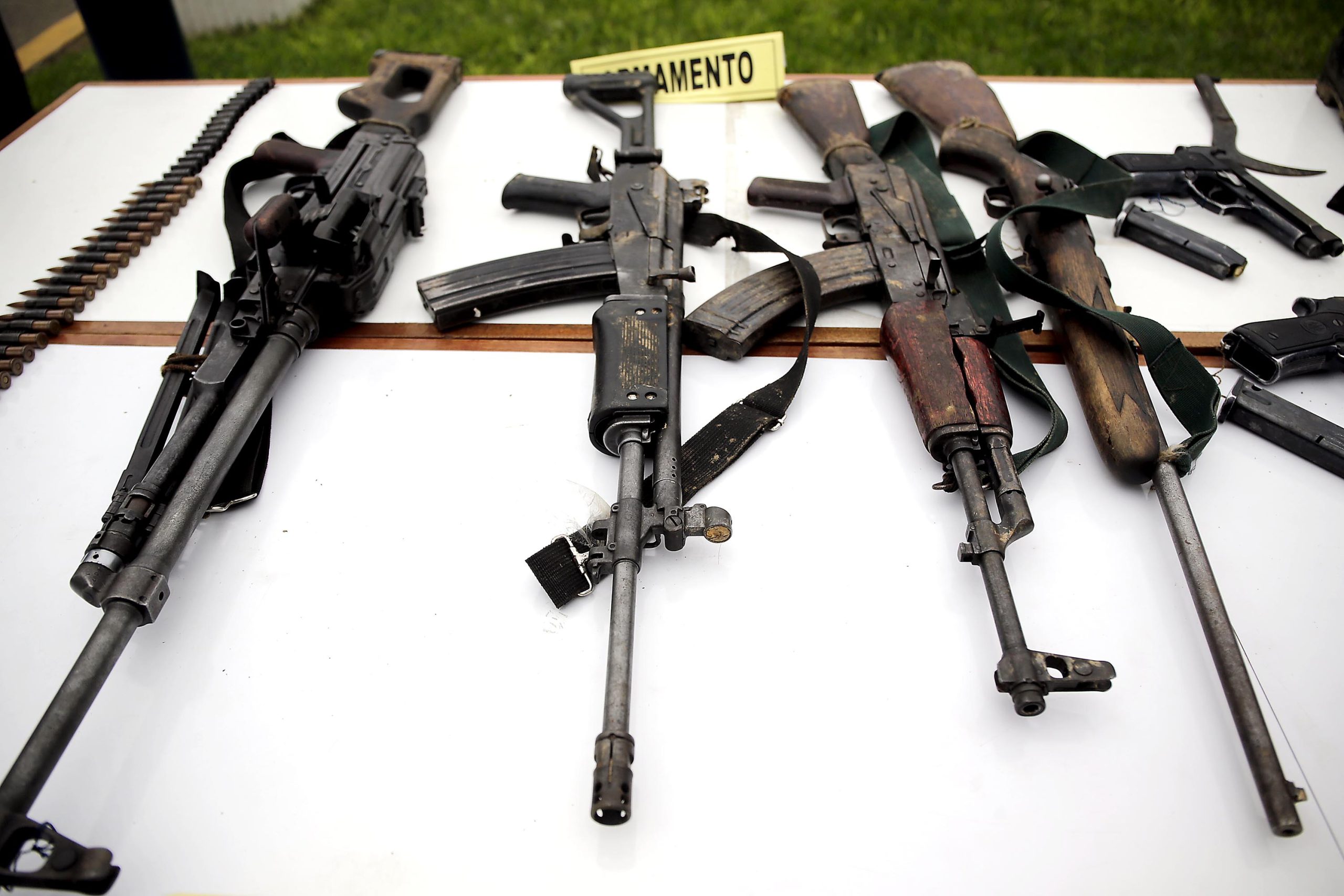
The Remington Model 700 ML is a discontinued bolt-action inline muzzleloader with documented .45, .50, and .54-caliber versions. Its Model 700-style action gives it a modern appearance compared with traditional percussion rifles, even though it loads from the muzzle. The three listed calibers also show why hunters should check the exact chambering before assuming a rifle qualifies. A state may set a minimum or maximum caliber, limit ignition systems, or impose projectile rules. Because the Model 700 ML is longer in current production, its configuration should be verified before use.
11. Savage 10ML-II

The Savage 10ML-II is notable because its design and propellant options can place it outside some dedicated-season rules. Savage still provides an owner’s manual reference for the 10ML-II, a rifle known for its modern bolt-action layout and smokeless-powder capability. That capability is why hunters must be cautious: a state may define a muzzleloader season around black powder, approved substitutes, or a specific ignition system. A rifle being classified as a muzzleloader does not automatically make every legal load or configuration acceptable in every state.
12. Remington Model 700 Ultimate Muzzleloader
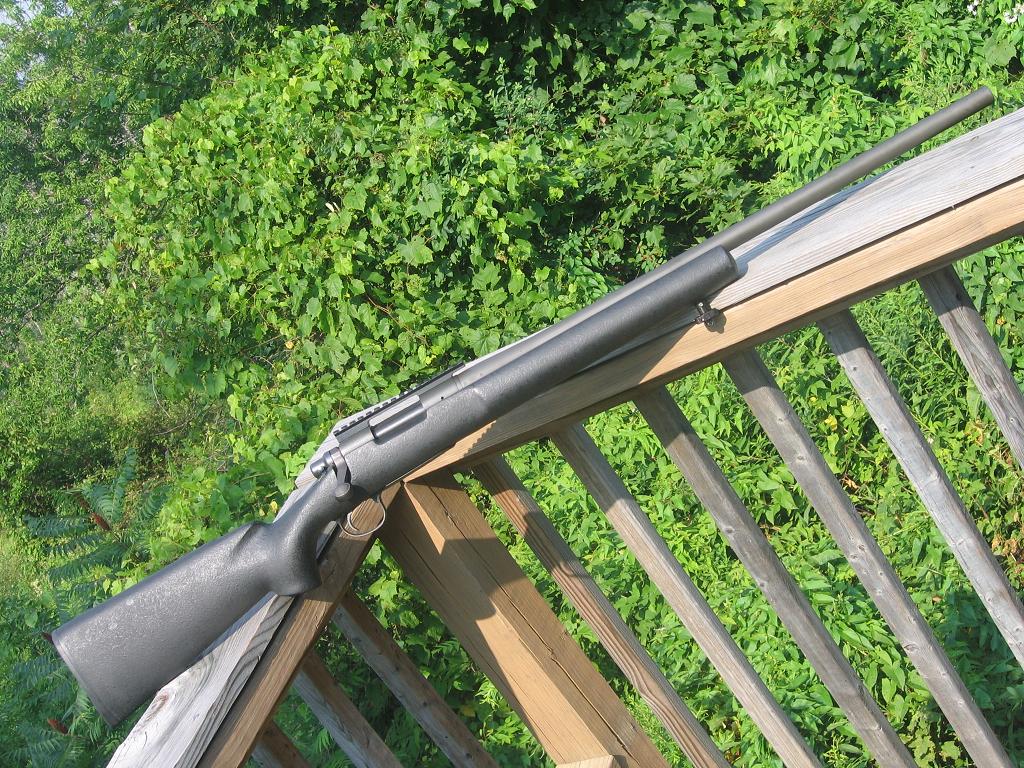
The Remington Model 700 Ultimate Muzzleloader is a modern bolt-action design developed around high-performance muzzleloading. Remington describes it as a 300-yard muzzleloader concept, showing how far modern designs have moved from traditional hunting rifles. That performance does not guarantee eligibility for a dedicated muzzleloader season. Some states limit propellant, ignition, projectile design, or equipment to preserve the character of the hunt. Hunters considering this type of rifle should check current regulations first, especially where “primitive” or traditional equipment is required.