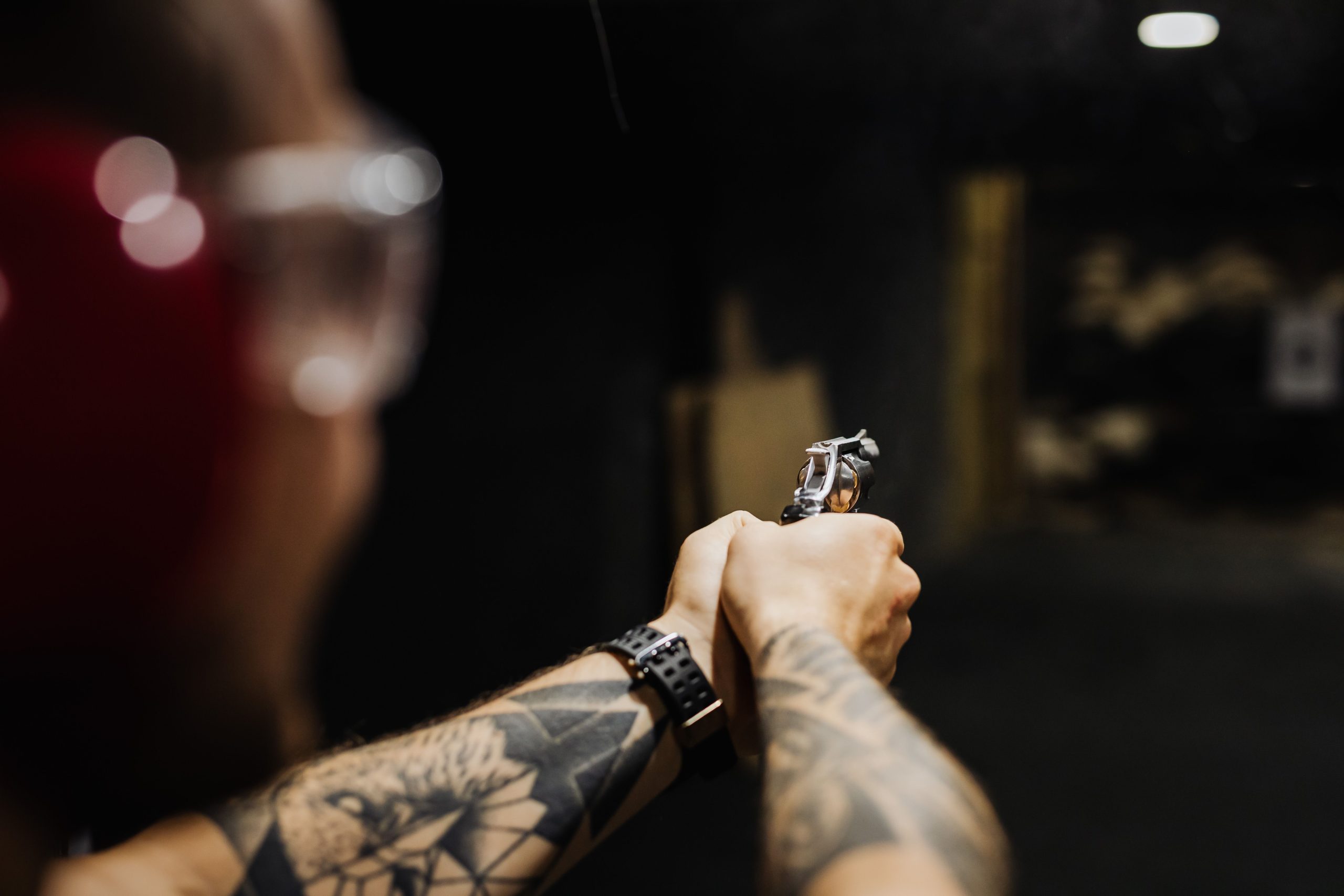
Double-action revolvers played a major role in transforming handgun design, offering a different approach to firing that eventually influenced military, police, and civilian firearms around the world. Unlike earlier single-action designs, these revolvers allowed the shooter to cock the hammer and fire with a separate trigger action, or operate the trigger through a complete firing cycle without manually cocking the hammer first. This development made handguns more convenient and helped establish the revolver as an important part of firearms history. From pioneering 19th-century mechanisms to sophisticated 20th-century service revolvers, these ten models demonstrate how engineering, reliability, manufacturing, and changing practical requirements shaped an enduring category of handguns.
1. Colt Model 1877
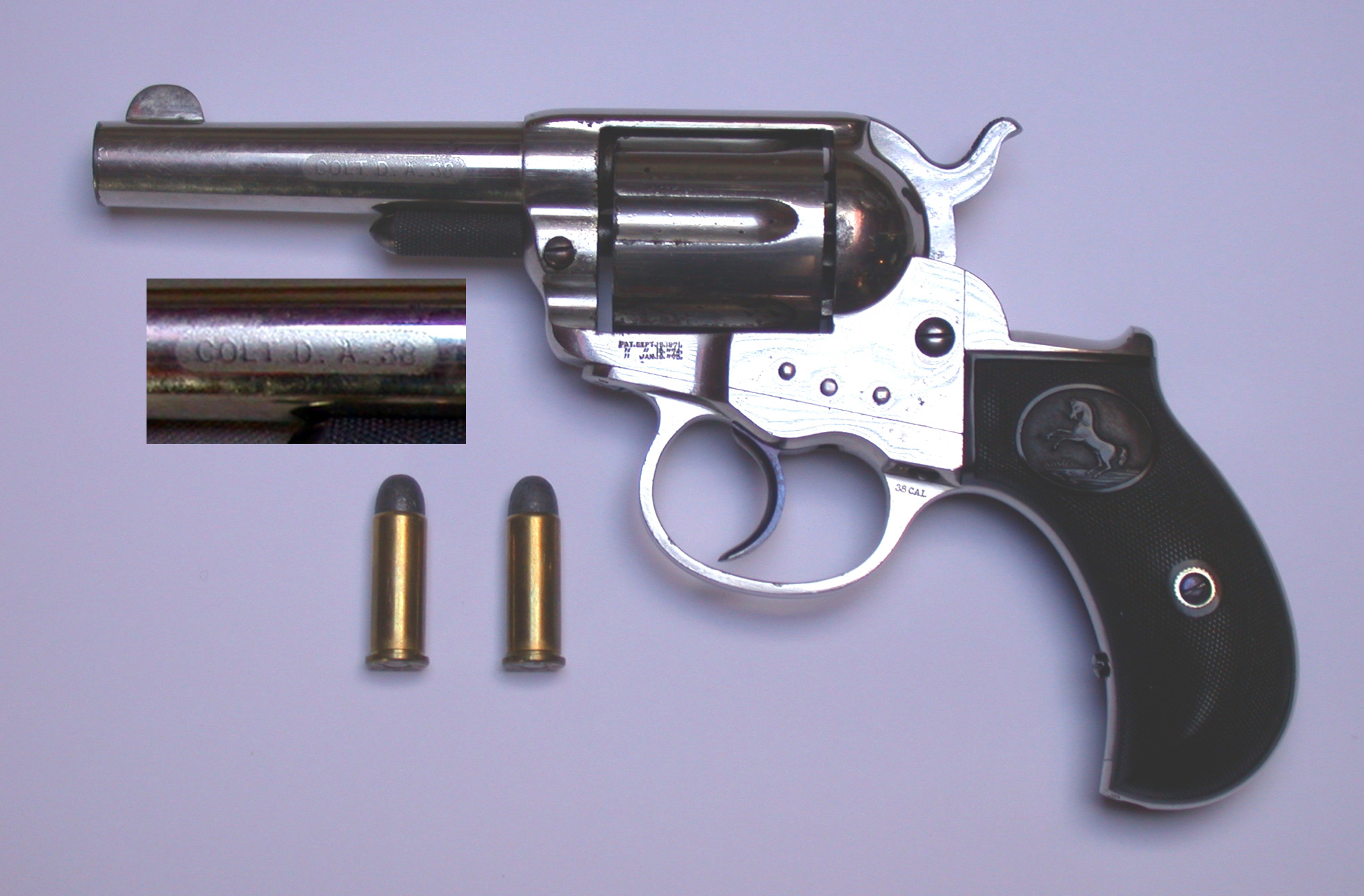
Introduced in 1877, the Colt Model 1877 was the company’s first double-action revolver. Designed by William Mason, it combined a six-shot cylinder with a trigger that could cock and release the hammer in one pull, while retaining single-action operation. It appeared in several chamberings: .38 Long Colt versions became known as the Lightning, .41 Long Colt models as the Thunderer, and .32 versions as the Rainmaker. The mechanism, however, proved intricate and comparatively delicate. The Model 1877 is remembered as an important early step in Colt’s double-action development. Its place in the story is significant because it showed that American manufacturers were moving beyond the single-action format.
2. Colt Model 1889
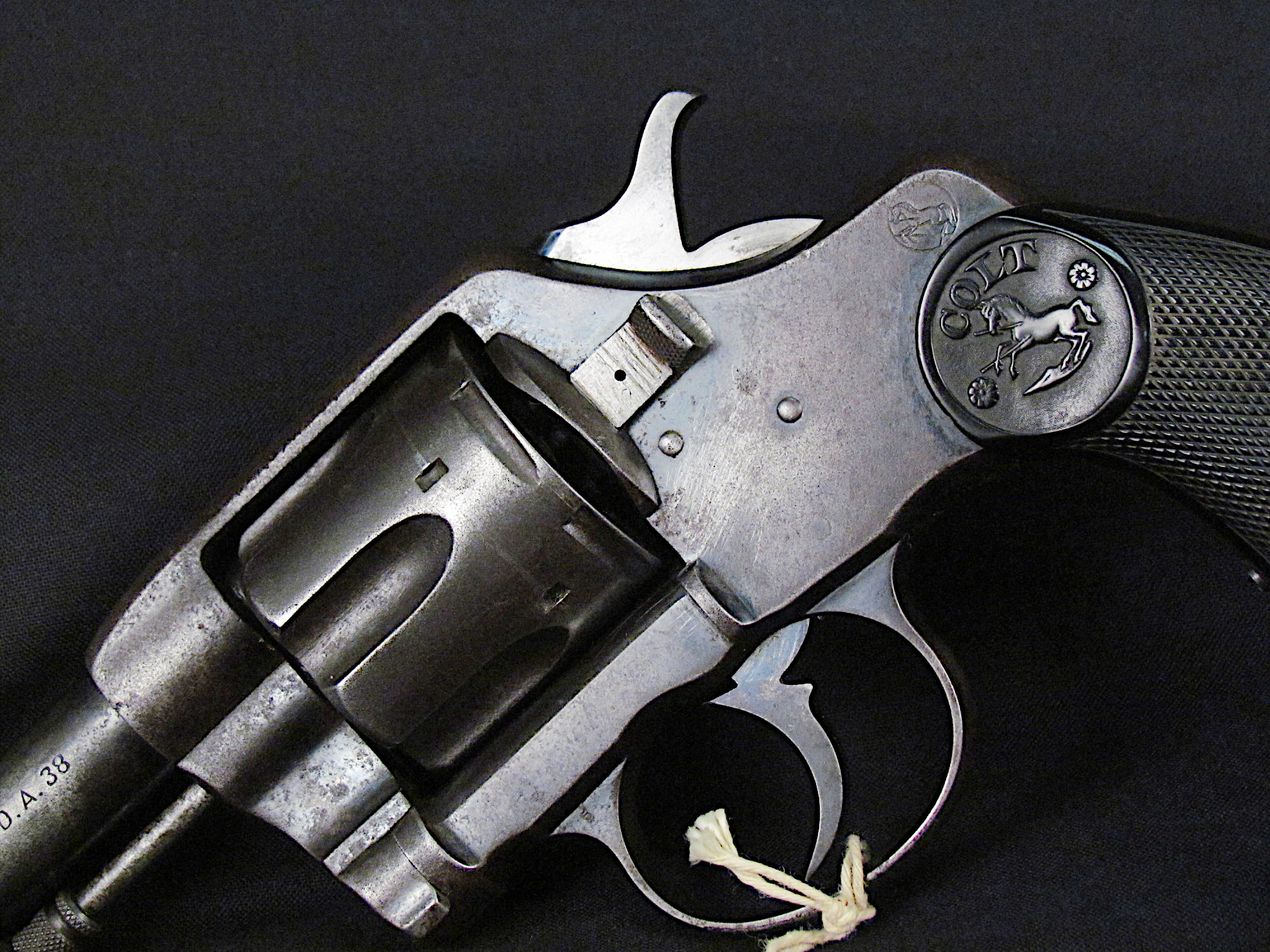
Introduced in 1889, the Colt Model 1889 helped establish the swing-out-cylinder layout familiar on later service revolvers. Its cylinder swung sideways, with a central rod ejector for case removal. Developed by William Mason and Carl J. Ehbets, it was adopted by the U.S. Navy in .38 caliber in 1889, a landmark in American military sidearm development. The revolver held 6 cartridges and represented a major change in loading convenience compared with gate-loaded designs. Early versions had limitations in cylinder retention, but the basic arrangement influenced generations of double-action revolvers. It helped shape the basic profile that many later police and military revolvers would follow.
3. Colt Model 1892
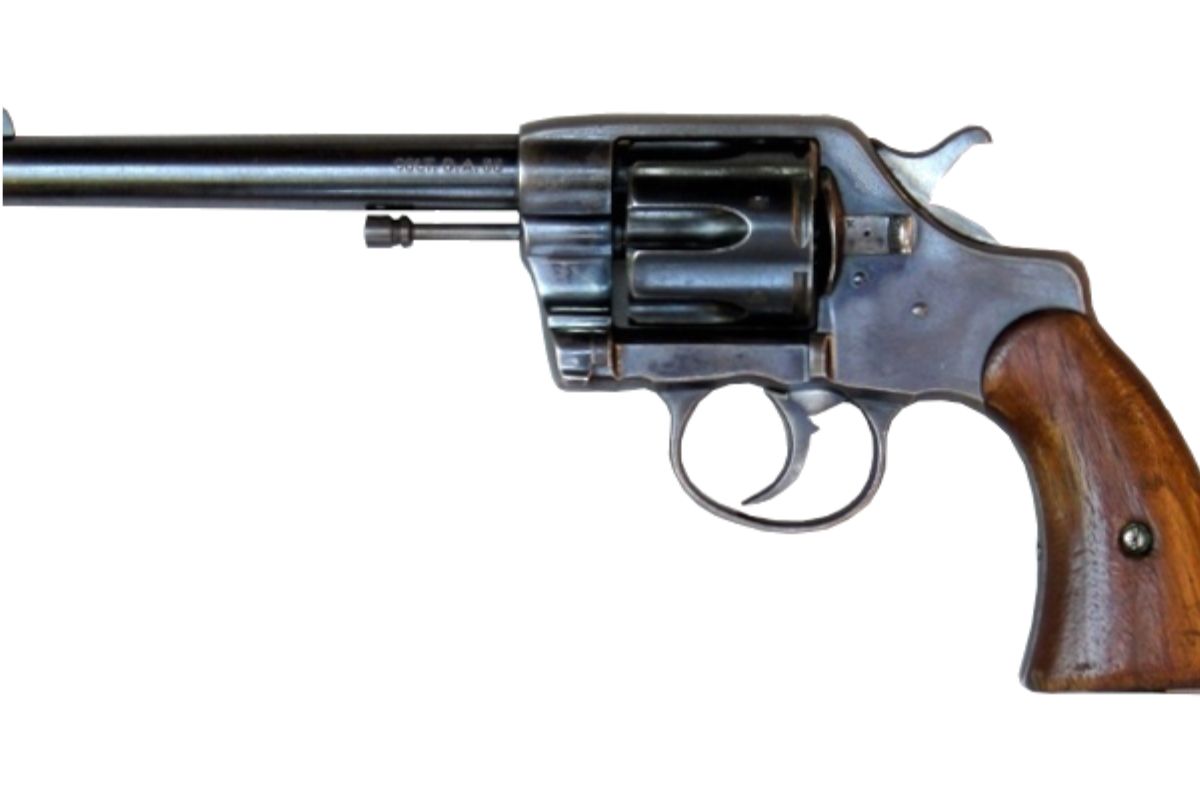
Adopted by the U.S. Army in 1892, the Colt Model 1892 became the first double-action revolver issued as a standard American military sidearm. Chambered for .38 Long Colt, it used a 6-shot swing-out cylinder and a latch system. Army requests for improvements produced related models in 1894, 1896, 1901, and 1903. Service experience exposed shortcomings in the .38 Long Colt’s stopping performance during the Philippine-American War, prompting interest in more powerful sidearms. Although later replaced, the Model 1892 series marked a significant transition from older single-action military revolvers to modern double-action service arms. It brought the swing-out cylinder into U.S. Army service.
4. Smith & Wesson .38 Hand Ejector
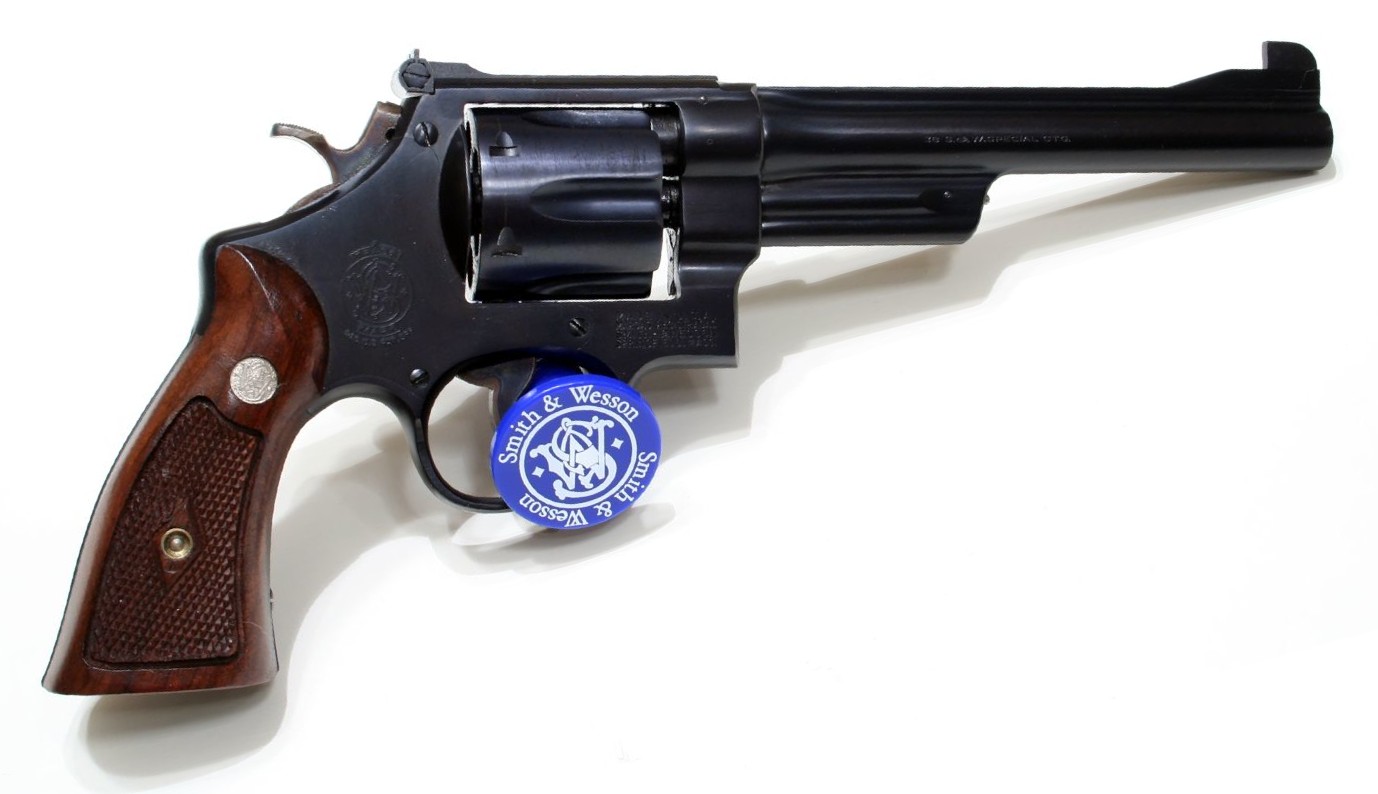
Introduced in 1899, Smith & Wesson’s .38 Hand Ejector laid the foundation for the long-running Military & Police family, later widely known as the Model 10. It paired a 6-shot swing-out cylinder with a solid frame and chambered the .38 S&W Special cartridge. Police departments valued its balance and familiar layout. Production across decades made it a widely recognized service handgun. The design evolved through engineering changes and different barrel lengths, but its central concept remained consistent. Its influence came not from one dramatic innovation, but from sustained service, broad adoption,n and the lasting popularity of the .38 Special cartridge. Its long production made it a service-revolver benchmark.
5. Nagant Model 1895
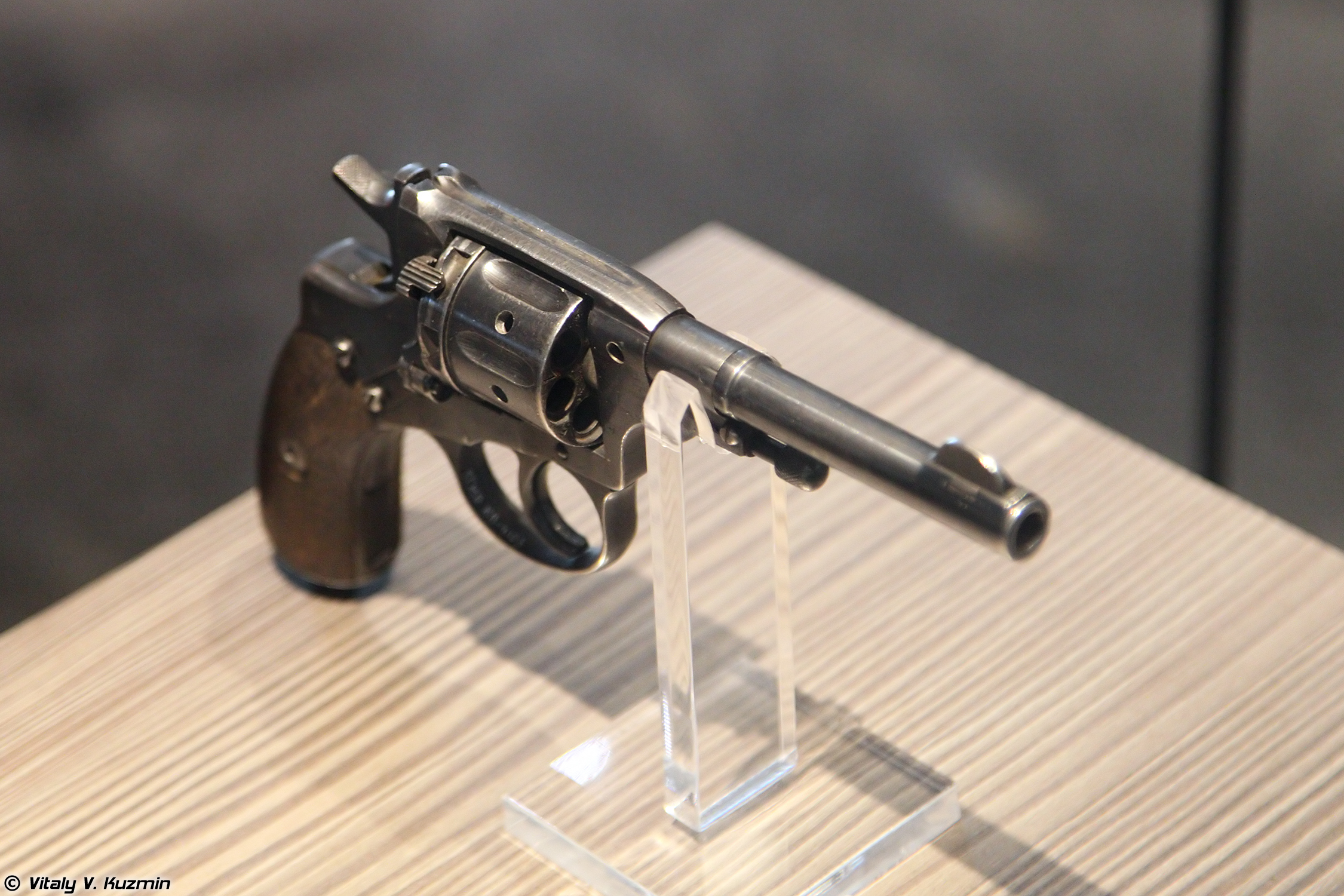
Designed by Belgian brothers Léon and Émile Nagant, the Model 1895 entered Russian service in 1895 and became one of history’s most distinctive military revolvers. Its 7-shot cylinder and unusual gas-seal arrangement set it apart: during firing, the cylinder moved forward,rd and the cartridge case helped close the gap between cylinder and barrel. It used the specially designed 7.62×38mmR Nagant cartridge. Belgian production came first, followed by large-scale manufacture at Russia’s Tula Arsenal around 1898. Both single-action and double-action versions existed, although the latter had a notably heavy trigger pull. The revolver remained associated with Russian and Soviet service for decades. Few revolvers used such an unusual cylinder-gap solution.
6. Webley Mk VI
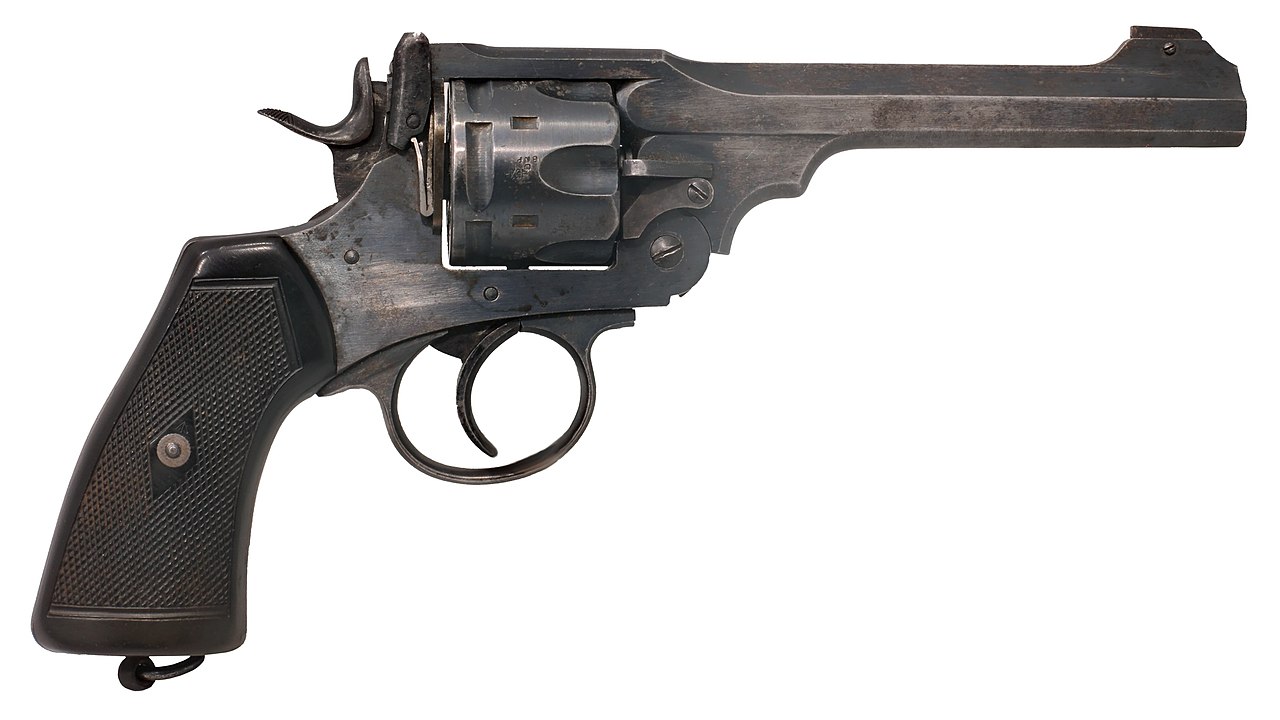
Adopted by British forces in 1915, the Webley Mk VI became a defining service revolver of the First World War. Its top-break frame allowed all 6 empty cases to be extracted together when opened. Chambered for .455 Webley, the Mk VI featured a 6-inch barrel and a squared grip intended to improve handling. It was used by officers and specialist personnel, including machine-gun crews, aircrew and naval staff. Its robust double-action mechanism was valued in difficult field conditions. Its six chambers, six-inch barrel and distinctive break-open frame made it instantly recognizable in wartime photographs and collections. The model became an enduring symbol of the British officer’s sidearm.
7. French Modèle 1892
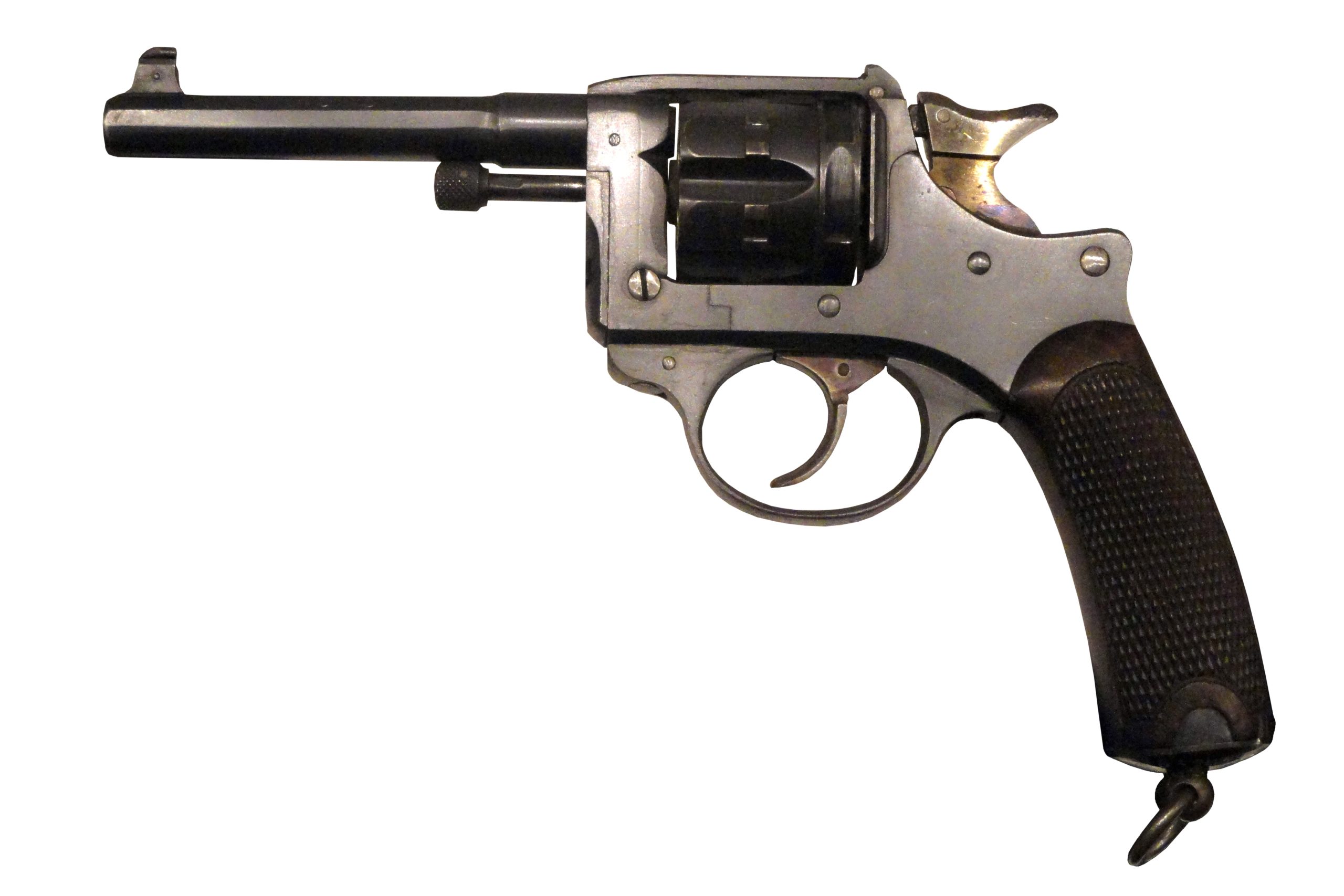
The French Modèle 1892, often called the Lebel revolver, entered military service in the 1890s. It was a 6-shot double-action revolver chambered for the 8mm French Ordnance cartridge, with a solid frame and a cylinder that swung out to the right for loading. Manufactured at the Manufacture d’Armes de Saint-Étienne, it became closely associated with French officers. Although later overshadowed by semi-automatic pistols, the Modèle 1892 served for decades and remains an important example of European military revolver design. Its distinctive side-swinging cylinder and long service life give it a clear place in European military handgun history. It served generations of French troops.
8. Smith & Wesson Model 1917
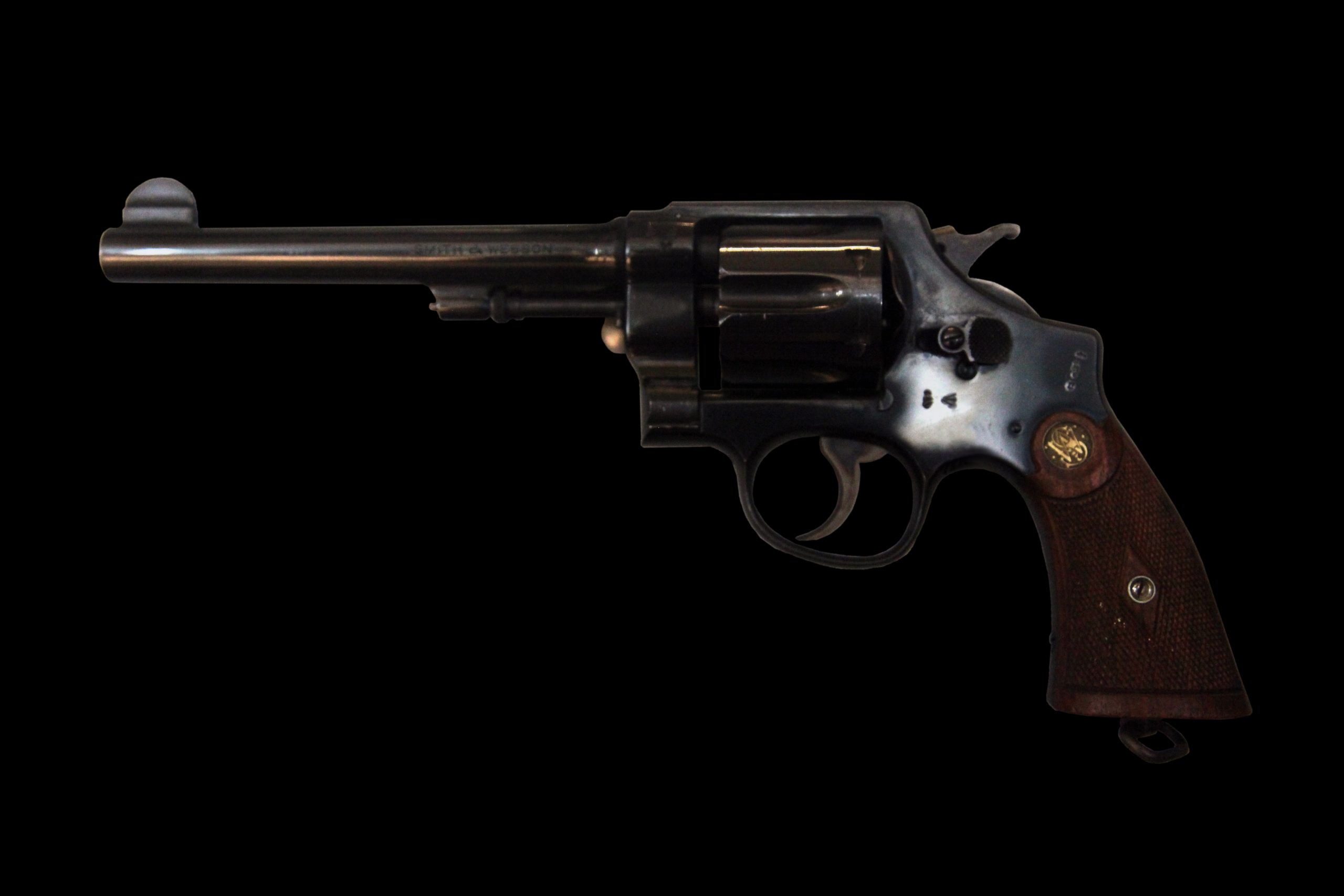
Developed in World War I, the Smith & Wesson Model 1917 helped meet America’s need for additional .45-caliber handguns. Introduced in 1917, it adapted the company’s large-frame Hand Ejector design to fire .45 ACP, the cartridge used by the M1911 pistol. Because this rimless cartridge was not designed for ordinary revolver chambers, the Model 1917 used half-moon clips to hold cartridges and assist extraction. It retained a 6-shot cylinder and double-action operation, providing an option during wartime shortages. It showed how a traditional revolver could accommodate ammunition already in widespread service. Its adoption showed the double-action revolver’s wartime flexibility.
9. Colt Python
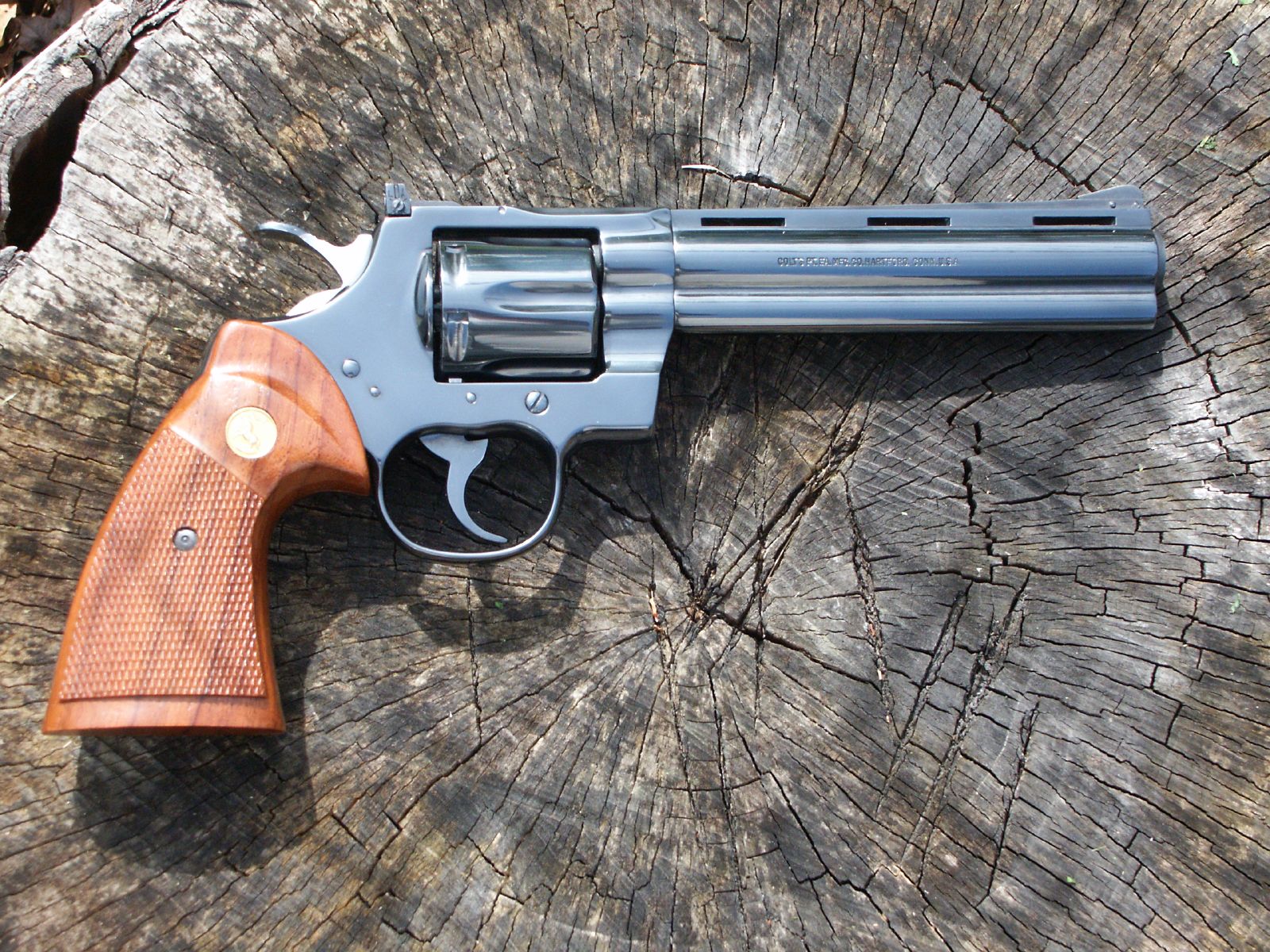
Introduced in 1955, the Colt Python became one of the best-known premium double-action revolvers of the post-war era. Built on a large frame and chambered for .357 Magnum, it first appeared with a 6-inch barrel, with other lengths and finishes later offered. Its ventilated rib, full-length underlug, and finished exterior created a distinctive profile. Factory tuning and a smooth trigger helped establish its reputation among shooters and collectors. The Python was produced for decades, discontinued in 2005, and returned in a redesigned form in 2020. It reflected the revolver’s continuing appeal as a sporting arm and finely finished mechanical design. Few revolvers gained such a following.
10. Smith & Wesson Model 29

The Smith & Wesson Model 29 entered production in 1955 as a large N-frame revolver chambered for .44 Magnum. Its 6-shot cylinder and double-action mechanism paired traditional revolver design with a powerful sporting cartridge. It appeared with several barrel lengths. The Model 29 became especially prominent after its appearance in the 1971 film Dirty Harry, which introduced it to a much wider audience. It also represented the growth of powerful sporting revolvers. The Model 29 has remained part of Smith & Wesson’s history, becoming both a technical milestone and a lasting cultural symbol. Its fame endured. It helped define the large-bore sporting revolver.