Some pistols hide their workings. Others wear them on the outside.
That simple difference opens the door to one of the most important design divides in modern handguns.
The core mechanical difference

A striker-fired pistol uses a spring-loaded striker instead of a separate hammer. According to SIG Sauer’s glossary, the striker is held under spring tension inside the slide, and the trigger releases that tension so the striker can move forward and ignite the primer. Glock’s Safe Action system is a well-known version, with the trigger also completing part of the striker’s movement before release. That gives many striker guns a fairly uniform trigger feel from shot to shot.
A hammer-fired pistol works differently. SIG Sauer defines the hammer as the part that either hits the primer directly or strikes a firing pin, which then hits the primer. In a classic DA/SA pistol such as the P226, the first trigger press can cock and release the hammer, while the slide cocks it for lighter follow-up shots. That creates a visible mechanical sequence many shooters can understand at a glance.
What happens when you press the trigger
In most striker-fired designs, racking the slide partially or fully preloads the striker spring. When the trigger is pressed, internal parts move rearward, safeties are disengaged, and the striker is released to travel forward. Glock says its system uses three passive mechanical safeties: trigger, firing pin, and drop safety. The result is a tidy internal layout with fewer external controls.
With a hammer-fired pistol, the trigger’s job depends on the action type. In double action, the trigger both cocks and releases the hammer, which usually makes the pull longer and heavier. In single action, the hammer is already cocked, so the trigger only releases it. That is why pistols such as the Beretta 92 or SIG P226 often feel very different on the first shot than they do on later shots.
How the two systems evolved
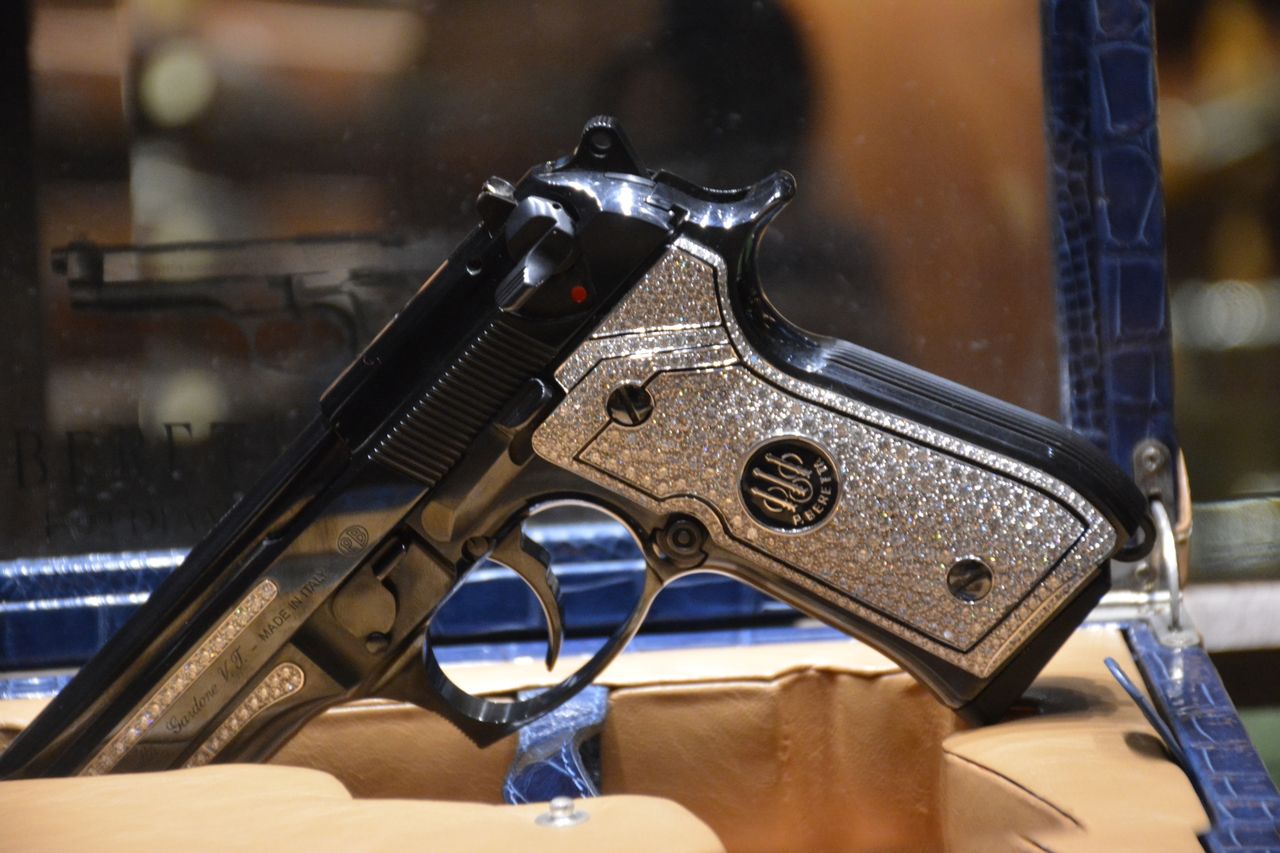
Hammer-fired pistols came first and dominated handgun development for generations. Historic service pistols such as the Browning-influenced High Power, the CZ 75 family, and the Beretta 92 built their reputations around exposed-hammer designs, often with manual safeties, decockers, or both. These pistols evolved from earlier single-action and double-action systems that shooters already trusted. Their mechanics were visible, proven, and easy to diagnose.
Striker-fired pistols existed long before Glock, but Glock’s early-1980s P80 and later commercial G17 changed the market. Glock says the pistol was accepted by the Austrian Army in 1982 and paired a polymer frame with a pretensioned firing pin and three internal safeties. That combination made striker-fired service pistols feel simpler, lighter, and more consistent. From there, the design spread rapidly through law enforcement and civilian markets.
Why the designs feel different in use
The biggest user-facing difference is usually trigger behavior. Many striker-fired pistols offer a consistent pull every time, which simplifies training and helps new shooters build repeatable habits. Because there is no exposed hammer to decock or thumb back, the manual of arms often feels streamlined. That simplicity is a major reason striker-fired pistols became so common in duty and concealed-carry roles.
Hammer-fired pistols offer more variety. A DA/SA gun gives a deliberate first press followed by shorter, lighter shots, while a single-action design can provide an especially crisp break. Some shooters also like being able to place a thumb over an exposed hammer during holstering or to decock the pistol safely with a dedicated lever. Those traits do not make hammer guns better by default, but they do make them mechanically more expressive.
Safety systems and external controls

Striker-fired pistols tend to rely on internal safeties rather than prominent external levers. Glock says all three of its passive safeties disengage sequentially during the trigger press and automatically reengage when the trigger is released. That approach reduces clutter on the outside of the pistol. It also means safe handling depends heavily on trigger discipline and a rigid, well-fitted holster.
Hammer-fired pistols often advertise their status more visibly. A lowered hammer, a cocked hammer, a decocker, or a frame safety all give direct feedback about the pistol’s condition. Manuals for pistols like the SIG P226 and CZ 75 also describe firing pin blocks and hammer safety notches as added layers against unintended discharge. In practical terms, hammer-fired guns often provide more mechanical cues, while striker-fired guns emphasize internal automation.
Which design stands apart today
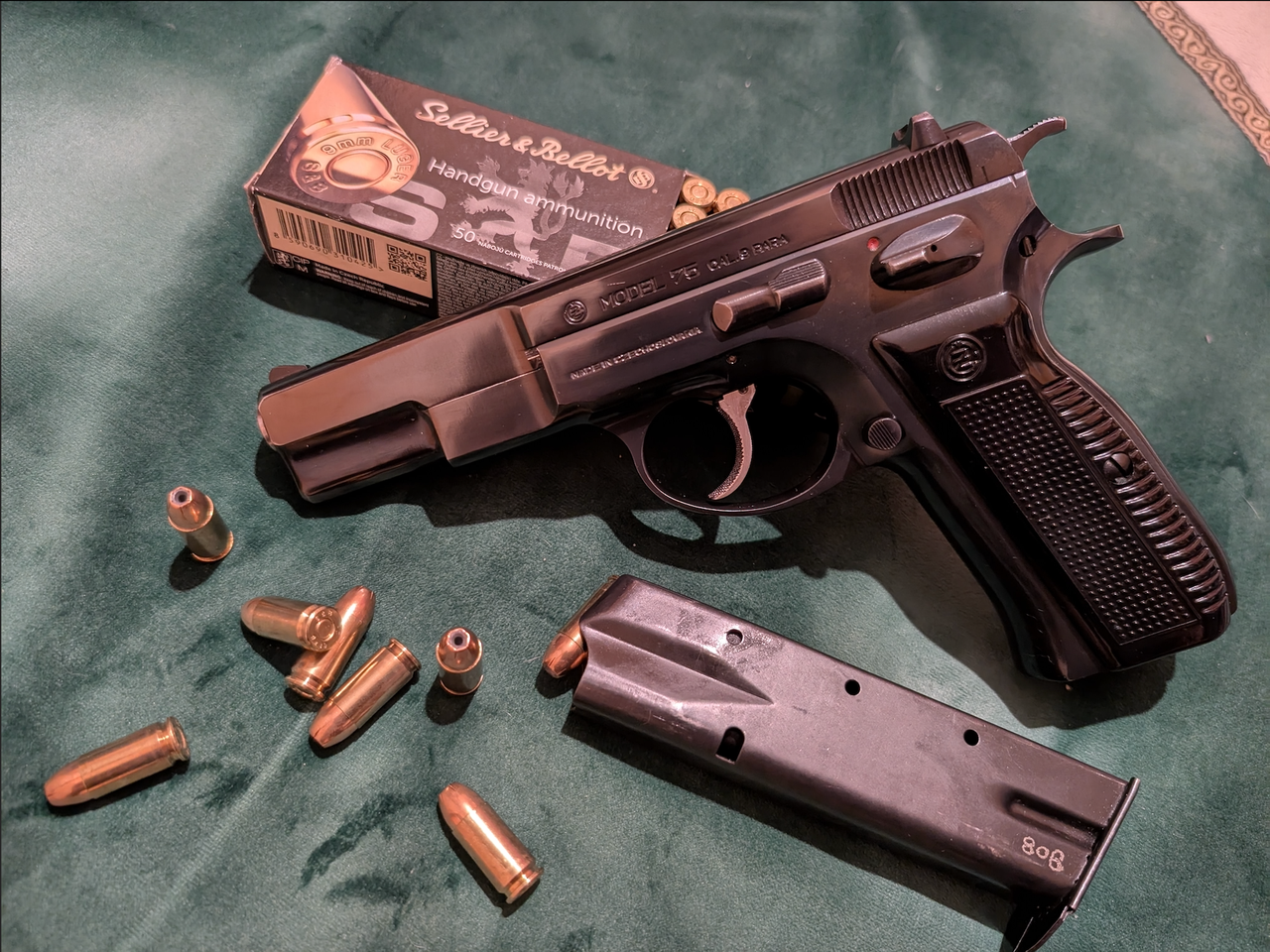
What sets these mechanisms apart is not just what fires the cartridge, but how the entire pistol is organized around that choice. Striker-fired guns are typically built for consistency, fewer protruding parts, and a straightforward control scheme. Hammer-fired guns are built around a separate striking part, which opens the door to DA/SA, SAO, decockers, and more visible status checks. Each system carries its own logic.
That is why neither design has made the other obsolete. Striker-fired pistols dominate much of the current duty and carry market, while hammer-fired pistols remain deeply respected for control, trigger options, and traditional operating styles. If you look inside both, the real divide becomes clear: one stores and releases energy through an internal striker, the other through a hammer-driven impact system. Everything else flows from that mechanical decision.