In a hunting world full of new chassis systems, advanced optics, and fast-evolving cartridges, one platform continues to hold its ground. The bolt action rifle remains the benchmark for long range hunting because it blends precision, ruggedness, and confidence in a way few designs can match. Here are 11 reasons hunters in 2026 still trust it when the shot really counts.
It Delivers Consistent Accuracy

Accuracy is still the headline reason hunters reach for a bolt gun. The design locks up solidly, supports a rigid receiver, and gives shooters a platform that has long been associated with repeatable precision at distance. When hunters talk about confidence beyond a few hundred yards, this is usually where the conversation starts.
That consistency matters in the real world, where wind, elevation, and adrenaline are already working against you. A rifle that prints predictable groups makes every other variable easier to manage. In 2026, with better factory loads and smarter optics than ever, the bolt action keeps turning potential into actual hits.
The Action Is Exceptionally Reliable

Long range hunting often means dirt, snow, dust, and sudden weather changes. In those conditions, hunters value a mechanism with fewer moving parts and a reputation for running cleanly when conditions are less than perfect. The bolt action has earned that reputation over generations in the field.
There is also peace of mind in its simplicity. Cycle the bolt, chamber the round, and you know exactly what the rifle is doing. That straightforward manual control reduces surprises and helps hunters stay focused on the shot, not on the rifle. In remote country, reliability is not a luxury. It is part of ethical hunting.
It Handles Modern Cartridges Beautifully

One reason the bolt action remains dominant is its ability to work seamlessly with the cartridges long range hunters actually want. From proven staples to newer high ballistic coefficient rounds, the platform accommodates a huge range of chamberings without feeling specialized or fussy.
That matters because cartridge choice is more strategic than ever in 2026. Hunters are balancing recoil, terminal performance, barrel life, and wind resistance with more sophistication than before. A bolt gun gives them room to choose the right round for mule deer, elk, or open-country antelope while keeping the rifle familiar, balanced, and easy to tune.
It Offers Better Trigger Potential
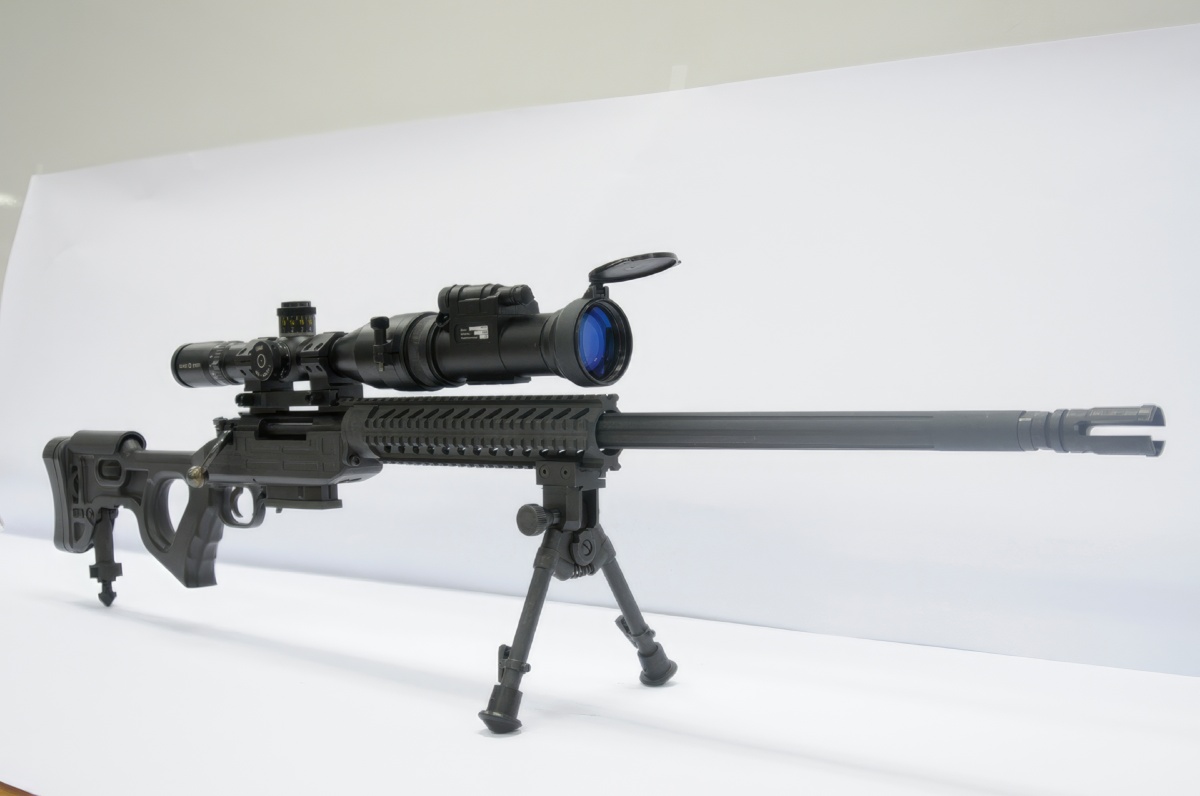
A good trigger does more than feel nice. It lets a shooter break the shot without disturbing the sight picture, which becomes critical as distances stretch and target zones shrink. Bolt action rifles have long been a favorite because they can support crisp, predictable trigger systems that reward careful fundamentals.
Factory triggers in 2026 are better than they used to be, and the aftermarket is still enormous. Hunters can often fine-tune pull weight and feel to match their preferences without turning the rifle into a project. That clean trigger press translates into confidence, especially when a once-in-a-season opportunity appears and there is no room for slop.
It Is Easier to Shoot From Stable Positions

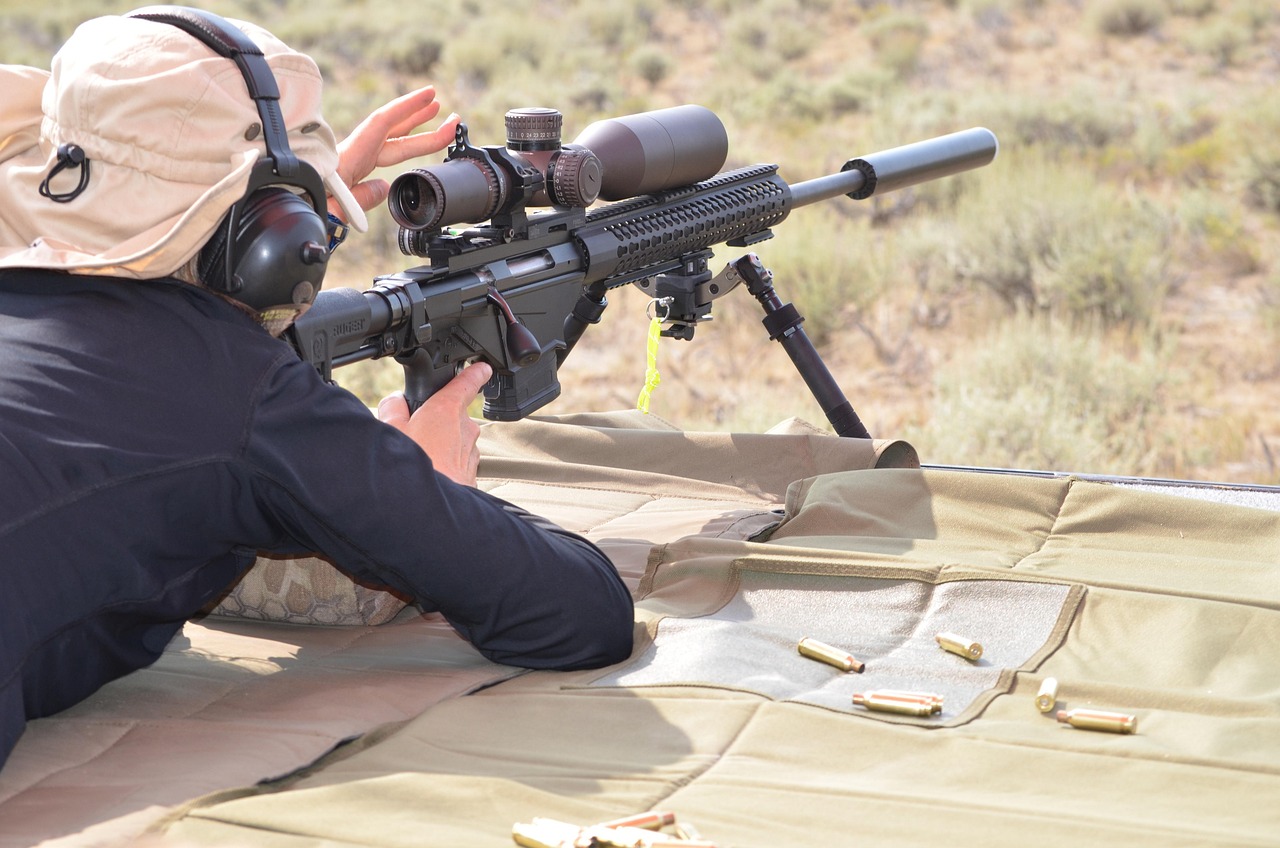
Long range hunting is usually a game of stability. Whether a hunter is shooting prone, off a pack, from a bipod, or over natural terrain, the bolt action tends to settle nicely into support and maintain a clean, balanced feel. That makes deliberate shot execution easier.
The shape of many hunting bolt guns also helps. Their stocks, barrel profiles, and overall geometry are often designed around precision first, especially in rifles built for western hunts and open-country glassing. Add modern tripods and lightweight bipods to the equation, and bolt actions still feel like the natural fit for careful, supported shooting in the field.
The Platform Is Incredibly Versatile

Few rifle designs can move as easily between different hunting styles as the bolt action. One hunter may want an ultralight mountain rifle, while another prefers a heavier setup for cross-canyon shots and recoil control. The same basic action type can support both with very little compromise.
That versatility extends to stock options, barrel lengths, optics setups, and suppressor-ready builds. In 2026, hunters want equipment that can be tailored to place, species, and season, and the bolt action meets that expectation gracefully. It can be simple and traditional or highly modernized, yet it still feels like the same dependable core platform.
Maintenance Is Straightforward

Hunters appreciate gear that is easy to understand and easy to keep running. Bolt action rifles are generally simple to clean, inspect, and maintain, which is especially valuable after hard travel, wet weather, or a week in dusty backcountry conditions. There is less mystery and less mechanical complexity to manage.
That simplicity also helps with long-term ownership. A hunter can learn the rifle deeply, spot wear early, and keep it performing season after season without much drama. In a world where some equipment seems built around constant upgrades, the bolt gun still appeals because it asks for basic care and gives back steady performance.
It Supports Excellent Optics Mounting

Long range hunting in 2026 depends heavily on optics, and the bolt action remains one of the best hosts for a quality scope. Its receiver layout makes mounting straightforward, secure, and familiar, which matters when hunters are dialing elevation, checking levels, and relying on exact reticle performance.
A stable optics setup is not just about convenience. It is about preserving zero, maintaining confidence in turret adjustments, and making sure the rifle and scope operate as a single system. Bolt guns have been refined around this relationship for decades, and that maturity shows up every time a hunter verifies data before season and trusts it in the field.
Aftermarket Support Is Hard to Beat

Another major advantage is how easy it is to personalize a bolt action rifle. Stocks, triggers, bottom metal, bases, magazines, barrels, muzzle devices, and chassis options are widely available, giving hunters a path to refine fit and performance without abandoning the platform they already trust.
That broad ecosystem benefits newcomers and experienced shooters alike. A beginner can start with a solid factory rifle and upgrade over time, while a veteran can build something highly specific for a demanding hunt. In both cases, the bolt action remains the center of a mature market that understands precision shooting and hunting needs extremely well.
It Encourages Deliberate Shot Placement

There is something about a bolt action that slows the process down in a good way. It encourages hunters to build the position, confirm the range, read the wind, and break one thoughtful shot instead of rushing. For long range hunting, that mindset is a real advantage.
Ethical hunting depends on discipline, and the manual nature of the bolt gun reinforces that discipline. It reminds the shooter that every trigger press should be earned. In 2026, when technology can make distance look deceptively easy, that built-in pause still matters. It keeps focus where it belongs, on precision, responsibility, and a clean kill.
Weight and Balance Can Be Tuned to Purpose

Not every long range hunt asks the same thing from a rifle. Some require shaving ounces for steep climbs, while others reward a bit more mass for steadier holds and softer recoil. The bolt action platform gives hunters a wide range of choices without forcing them into one handling style.
That flexibility is why so many serious hunters stick with it. A lightweight setup can still shoot well with the right barrel and stock, while a more substantial rifle can be optimized for supported shots in open country. In either case, the bolt action lets balance become part of the strategy rather than a limitation of the design.
It Has a Track Record Hunters Trust

The final reason is simple but powerful: trust. Bolt action rifles have been proving themselves on hunts for generations, and that history carries real weight when hunters are choosing gear for serious moments. Familiarity breeds confidence, especially when a shot may come after days of effort.
That legacy does not mean the platform is stuck in the past. In 2026, bolt guns benefit from better materials, improved manufacturing, advanced coatings, and excellent factory ammunition. They have evolved without losing the qualities that made them great in the first place. For many hunters, that blend of tradition and modern performance is exactly why the bolt action remains the gold standard.