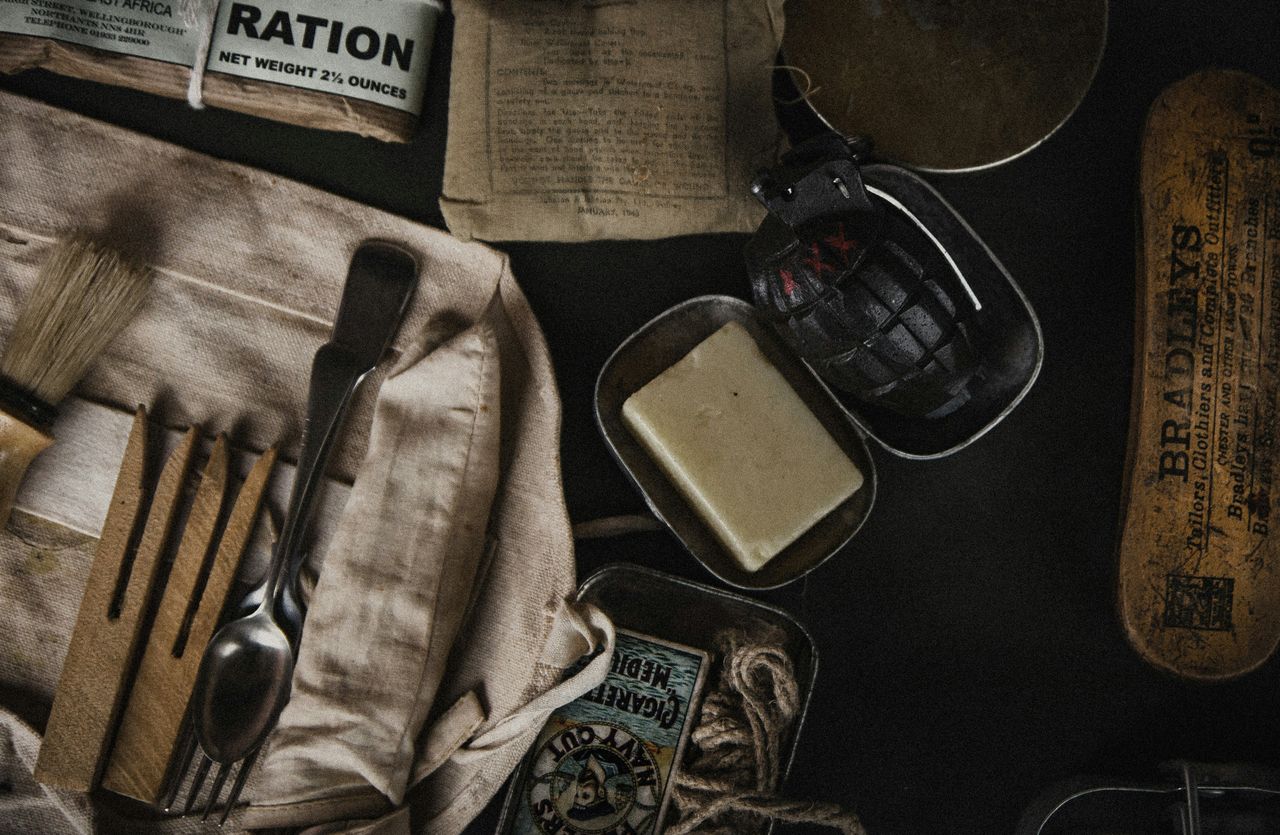
Two military meals tell a much bigger story than lunch. One came in cans, the other in plastic pouches, and the handoff between them was stranger than most people realize.
The C-Ration Was Built For A Different War
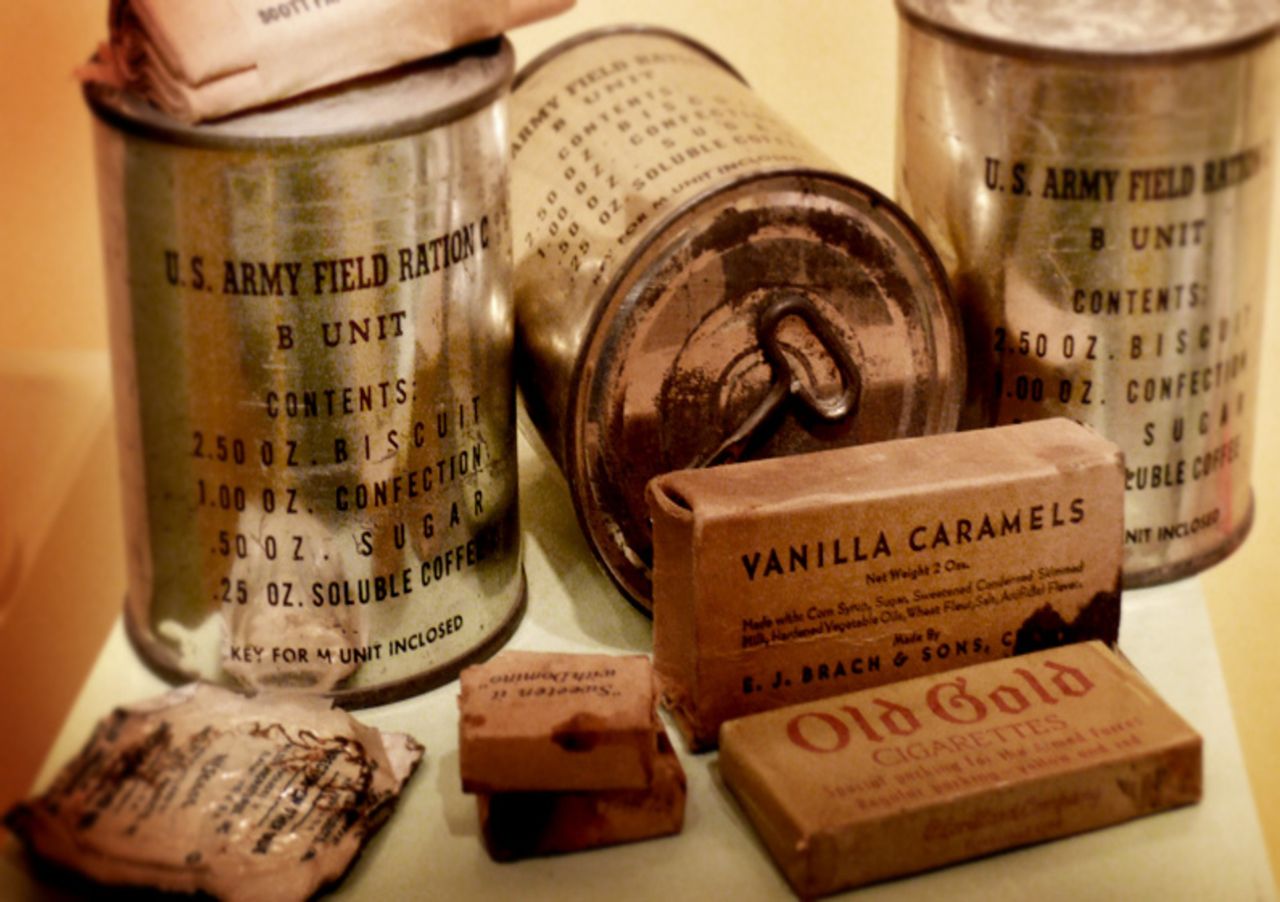
The C-ration arrived before World War II as a compact individual combat ration built around canned components. According to the U.S. Army Quartermaster Museum, it was designed for short-term use when fresh food or field kitchens were unavailable, not as a forever meal for troops living off it week after week.
That short-term idea quickly collided with reality. American forces carried C-rations through World War II, Korea, and Vietnam, where “temporary” often became routine. The Department of Defense has noted that the ration’s notorious weak spot was monotony, with unpopular items lingering in the menu for years.
The cans were also heavy, bulky, and noisy. A ration that worked on paper became a burden in the field, especially when infantry had to hump ammunition, water, radios, and everything else needed to stay alive.
Why Soldiers Started To Hate The Old System
The biggest problem was not calories. It was willingness to eat.
Military nutrition histories show that C-rations could meet basic nutritional needs if troops actually consumed them, but that was the catch. Repetition wore people down, and some menu items became legendary for the wrong reasons, especially ham and lima beans, a meal generations of troops learned to resent.
By Vietnam, the Army had a clear signal from the field: canned meals were dragging morale and effectiveness. Troops wanted something lighter and easier to carry, but also something with enough variety that they would keep eating under stress.
That mattered because an uneaten ration is dead weight. In military feeding, acceptance is not a luxury; it is part of combat performance.
Vietnam Helped Expose The Real Problem

Jungle warfare made the C-ration’s flaws impossible to ignore. Heat, humidity, long patrols, and helicopter-borne operations all punished heavy loads, and metal cans added more burden than commanders liked.
Army histories trace the push for a replacement to the Vietnam era, when the service approved the need for a lighter individual ration that did not depend on rigid metal containers. That sounds obvious now, but it was a major conceptual shift at the time.
The goal was not simply better food. The Army wanted less weight, less cube in transport, less trash, and packaging that could survive hard use while still protecting the meal.
The MRE Was Adopted Before It Was Truly Ready
This is where the story gets strange. The Meal, Ready-to-Eat was formally adopted by the Department of Defense in 1975, but it did not replace the old canned ration overnight.
Large production testing lagged behind, and historical nutrition reviews note that procurement delays pushed real delivery into the early 1980s. The first MREs were packed in 1981, while existing C-ration stocks were still being exhausted.
So for a while, the military had the “new” ration on paper and the old ration in practice. The MRE was less a dramatic launch than a slow, bureaucratic handoff shaped by testing, manufacturing, and supply realities.
Natick’s Food Scientists Changed The Game
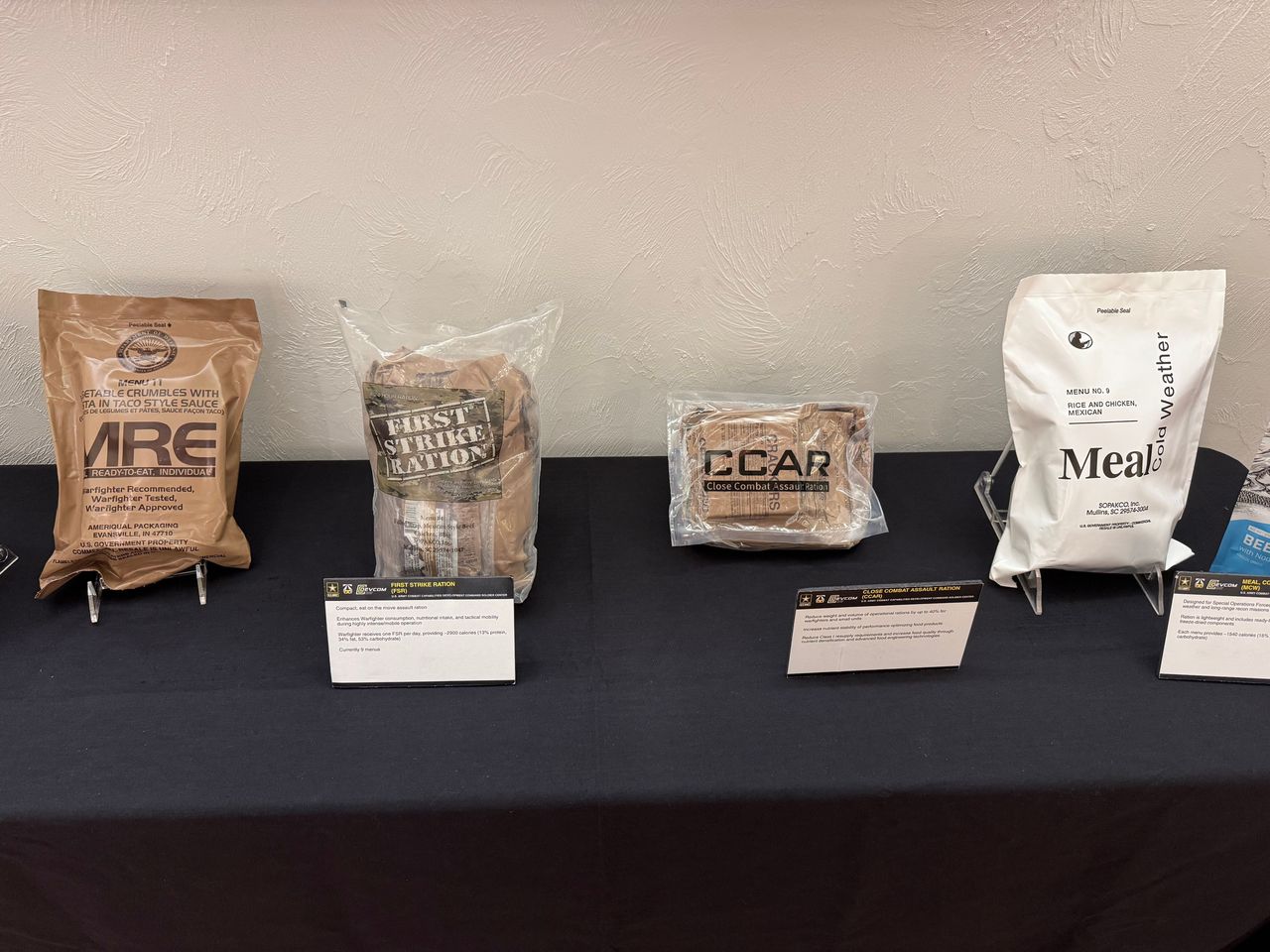
A huge part of the transition happened at Natick in Massachusetts, where Army food researchers spent years refining field rations. Their task was broader than taste alone. They had to balance shelf life, packaging durability, nutrition, cost, and soldier acceptance all at once.
The early MRE used retort pouches, which delivered a major advantage over cans by cutting weight and bulk. Army accounts say the MRE replaced the C-ration in the early 1980s, and that change reflected advances in food processing as much as changes in military doctrine.
In other words, the ration changed because technology finally made a better format practical. Without the pouch, the MRE probably remains an idea instead of a standard-issue meal.
Early MREs Were Better, But Not Beloved
Replacing the C-ration did not instantly create a culinary triumph. Early MREs had their own reputation problems, and troops quickly invented dark humor around them.
Still, the new ration solved several structural issues that had doomed the canned system. It was lighter, more flexible to pack, and easier to distribute across the services. Over time, Natick and defense supply officials kept improving menus, accessories, and overall palatability through continuous product development.
That steady improvement is the real success story. The MRE won not because the first version was adored, but because it offered a platform the military could keep fixing.
The Replacement Was Really About Modern War
The strange part of this history is that the C-ration did not disappear because it utterly failed. It disappeared because war changed faster than the ration did.
By the 1980s, the U.S. military needed an individual meal better suited to mobility, logistics, and modern packaging science. The MRE answered those needs more effectively, even if soldiers never stopped complaining about field food.
That may be the most honest lesson here. Combat rations are never just about feeding people. They are about weight, waste, morale, transport, endurance, and the hard fact that an army still travels on its stomach.