For generations, duck season was more than a sport. In many places, it was a calendar, a family ritual, and a local identity all at once.
It is not just about fewer ducks.
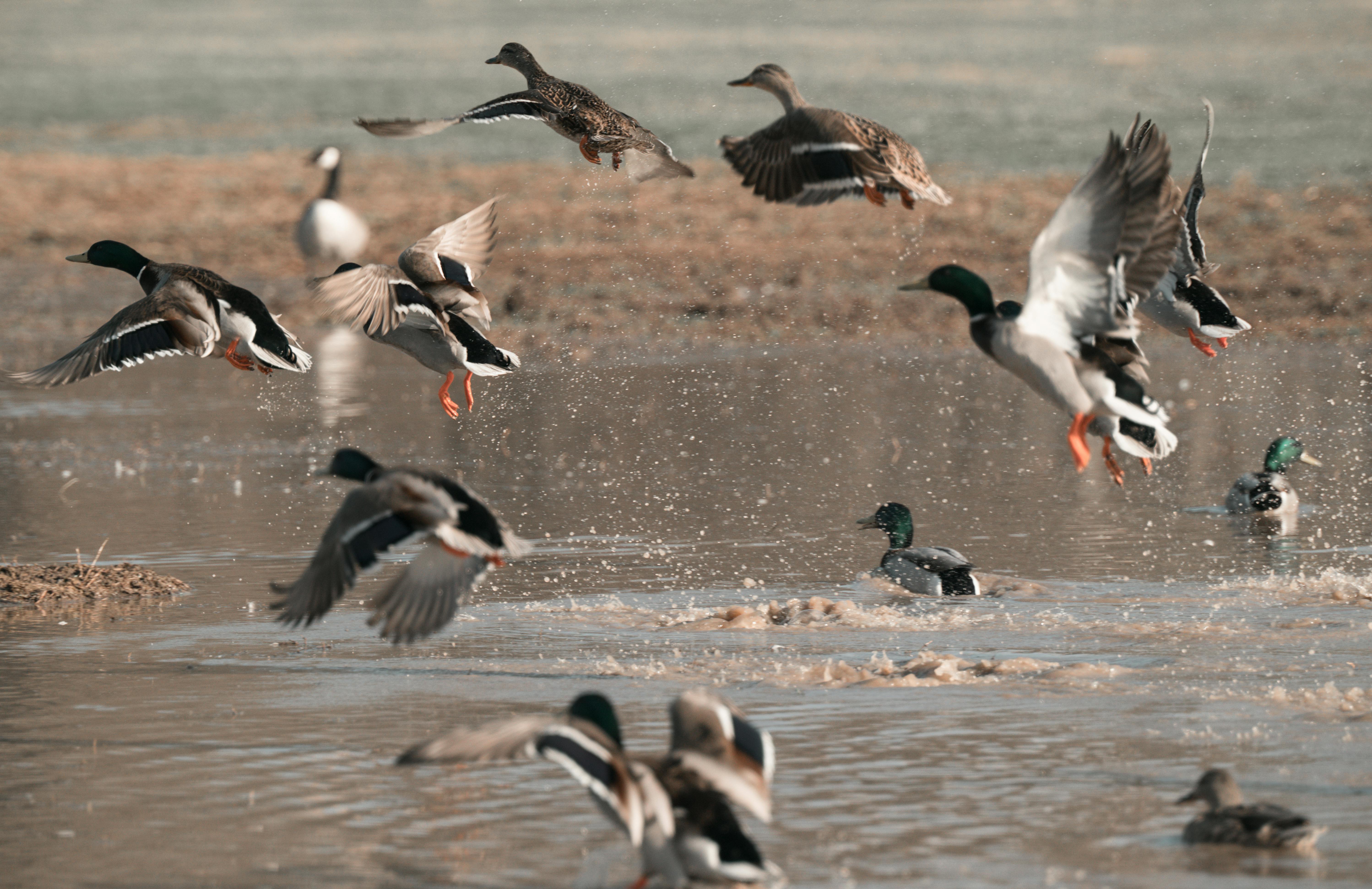
A lot of people assume the decline starts and ends with bird numbers. Waterfowl populations do matter, and poor migration years can absolutely sour a season, but participation trends show something broader. In states with long duck hunting traditions such as Arkansas, Louisiana, Mississippi, and parts of the Upper Midwest, the drop in hunter numbers has continued even in years when overall duck counts were not catastrophic.
According to long-running federal and state harvest data, hunter participation has softened in a way that does not perfectly track duck abundance. That matters because it tells us the problem is not simply ecological. Hunters are making a decision before the first cold front arrives, and often that decision is whether the season is worth the investment at all.
Wildlife agencies and conservation groups have been saying for years that recruitment and retention are now as important as habitat. A hunter who goes fewer days often becomes a hunter who stops buying gear, stops bringing kids, and eventually lets a license lapse. In cultural strongholds, that kind of slow disengagement is more dangerous than one bad season because it weakens the tradition from the inside.
The sport has become expensive in a way it did not used to be
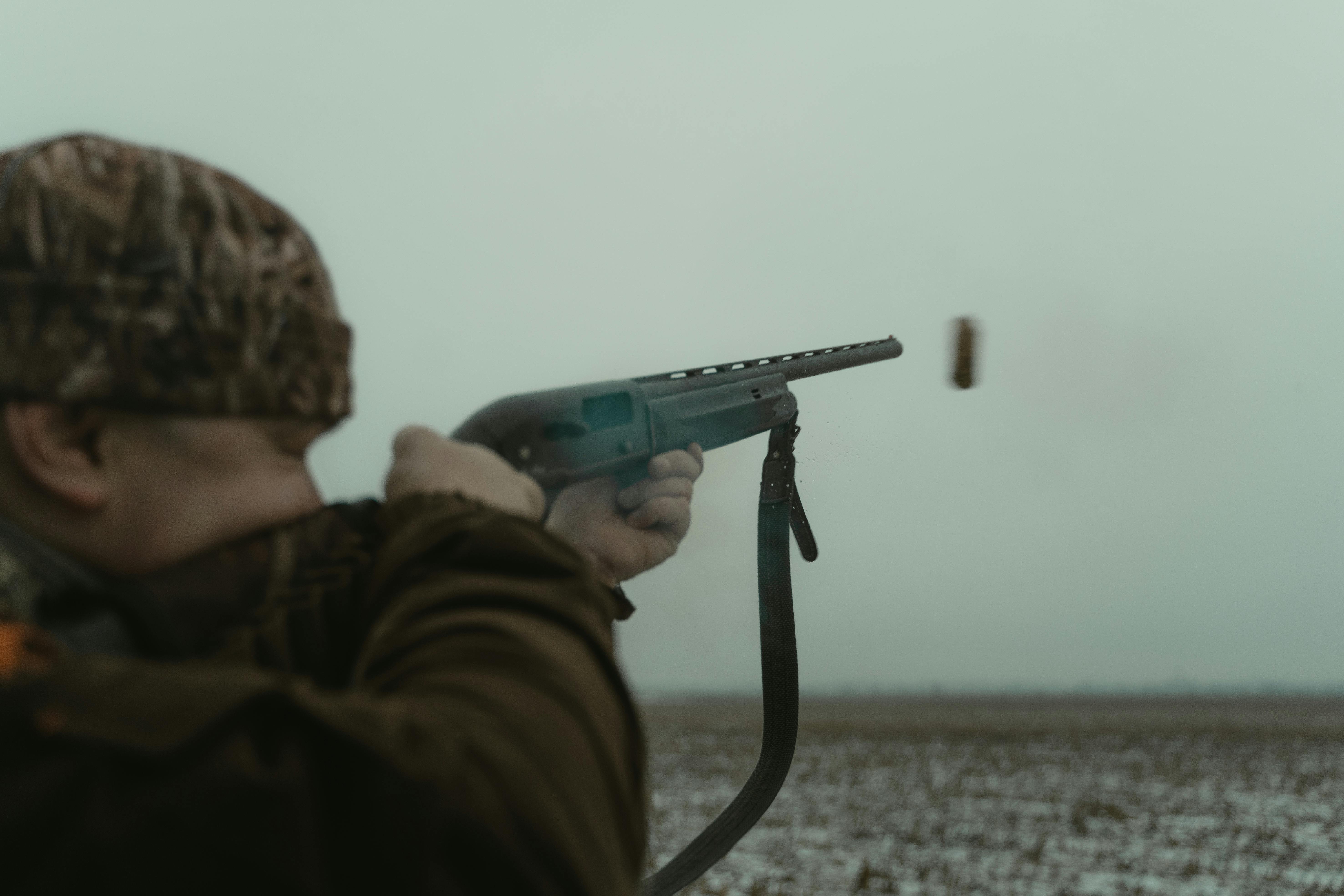
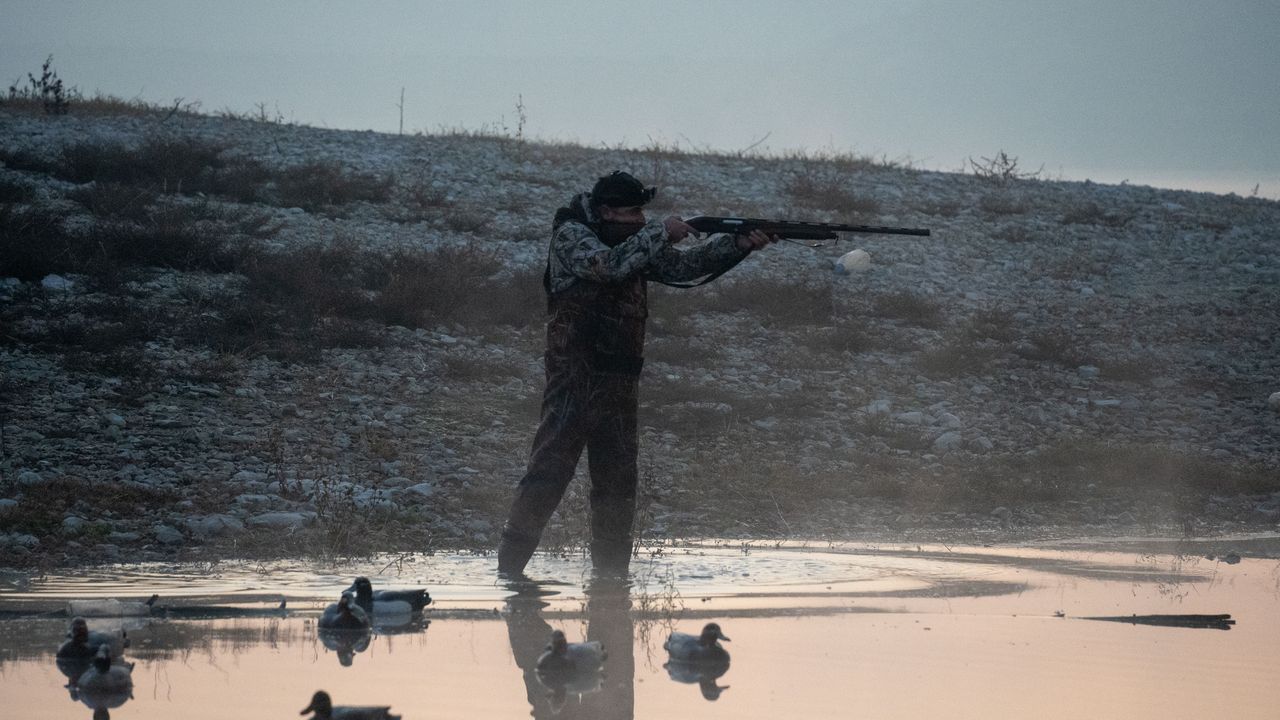
Duck hunting has always required some money, but the price of participation has climbed well beyond what many working families can absorb casually. A shotgun, waders, ammunition, decoys, blinds, calls, fuel, boat maintenance, dog training, storage, and lease fees can turn a few weekends in the marsh into a major annual budget item. For younger adults already squeezed by housing, child care, and insurance, duck season increasingly looks like a luxury.
That financial pressure is especially important in states where duck hunting used to be passed down informally. A teenager once borrowed gear from a father, uncle, or neighbor and learned on public water nearby. Now the entry bar is higher because newer hunters often feel they need specialized equipment just to keep up with what they see in modern hunting media and among experienced groups.
A 2024 pattern visible across outdoor industries is that participation holds up better where entry costs stay low and access stays simple. Duck hunting is moving in the opposite direction. If a newcomer believes he needs a boat, a trailer, premium waders, spinning-wing decoys, and a trained retriever before he can even start, many will simply choose another outdoor activity.
Access has quietly become the biggest barrier
In many traditional duck hunting states, the real bottleneck is not desire. It is places to hunt that feel worth the trip. Public land remains essential, but crowded boat ramps, limited blinds, draw systems, and intense competition can make a novice’s first few experiences frustrating enough to end the experiment early.
Private access has also become more difficult. Family land has been sold, leased, subdivided, or converted to other uses. In some regions, high-quality duck ground that used to be shared through local relationships is now tied up in expensive leases, clubs, or informal networks that are hard for outsiders and younger residents to enter.
This has changed the culture of the sport in a profound way. Duck hunting once had a community layer that made access feel social and local. Today, in many places, it feels transactional. When access depends on money, exclusivity, or insider status, participation naturally narrows, especially among the very people who would be needed to keep the tradition alive over the next 20 years.
Modern life has squeezed out the time duck hunting requires
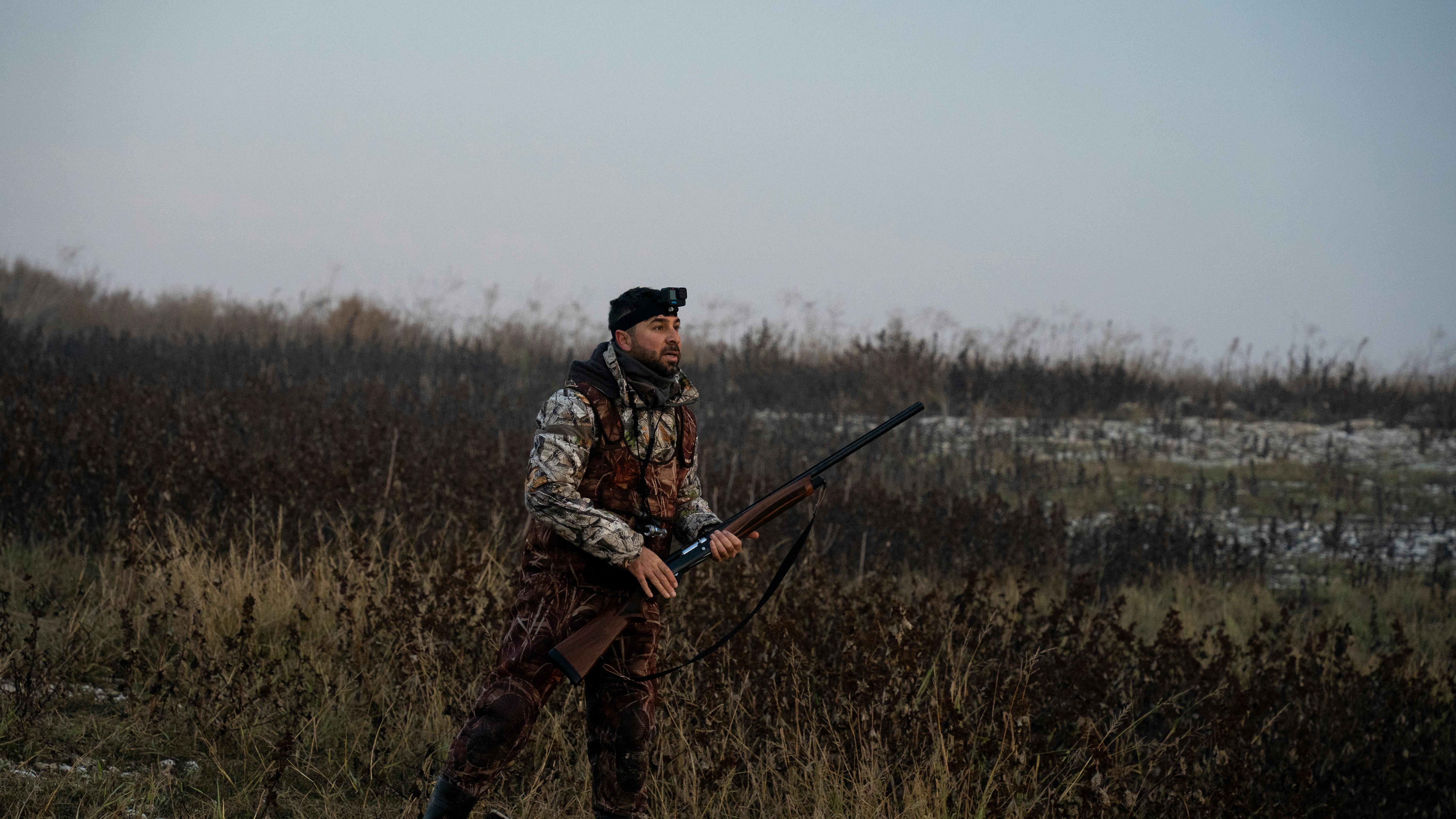
Duck hunting is not an easy sport to fit into a packed life. It asks for predawn travel, scouting, weather awareness, setup time, and a willingness to have some miserable mornings for the sake of a few memorable ones. That commitment used to align more naturally with rural work patterns and family routines than it does with today’s schedules.
Many prime-age adults now work jobs with less seasonal flexibility, longer commutes, or weekend demands. Even people who still love the idea of the hunt may struggle to justify waking at 3:30 a.m., driving 90 minutes, and spending money on fuel for a hunt that may produce little action. Time has become as valuable a resource as money, and duck hunting consumes both.
There is also competition from other ways to spend limited free time. Deer hunting often offers a simpler return on time invested. Fishing can be done spontaneously. Youth sports, travel, and digital entertainment have transformed weekends for younger families. In that environment, duck hunting loses not because people hate it, but because it asks more than modern life is usually willing to give.
Habitat pressure and changing migration patterns are making seasons less predictable
Even though the decline is not only about ducks, ecology still shapes the hunter experience. Wetland loss, agricultural changes, drought in breeding areas, and warmer fall conditions have all affected where and when ducks move. Hunters across the Mississippi Flyway have spent years arguing about short-stopping, delayed migration, and shifting bird behavior, and their frustration is not imagined.
When migration becomes less predictable, confidence drops. A hunter can tolerate hard work if he believes the birds will come. But repeated seasons with warm weather, inconsistent water levels, or stale concentrations of ducks in fewer areas make average hunters feel as if they are chasing a moving target that no amount of tradition can solve.
State agencies have tried to respond through habitat management, water control, and season structures built around federal frameworks. Conservation groups such as Ducks Unlimited have emphasized that long-term wetland health is central to the future of the sport. Still, the day-to-day reality for many hunters is that uncertainty has increased. And uncertainty, when paired with high cost and hard access, pushes marginal participants out first.
The culture around duck hunting has changed as much as the landscape
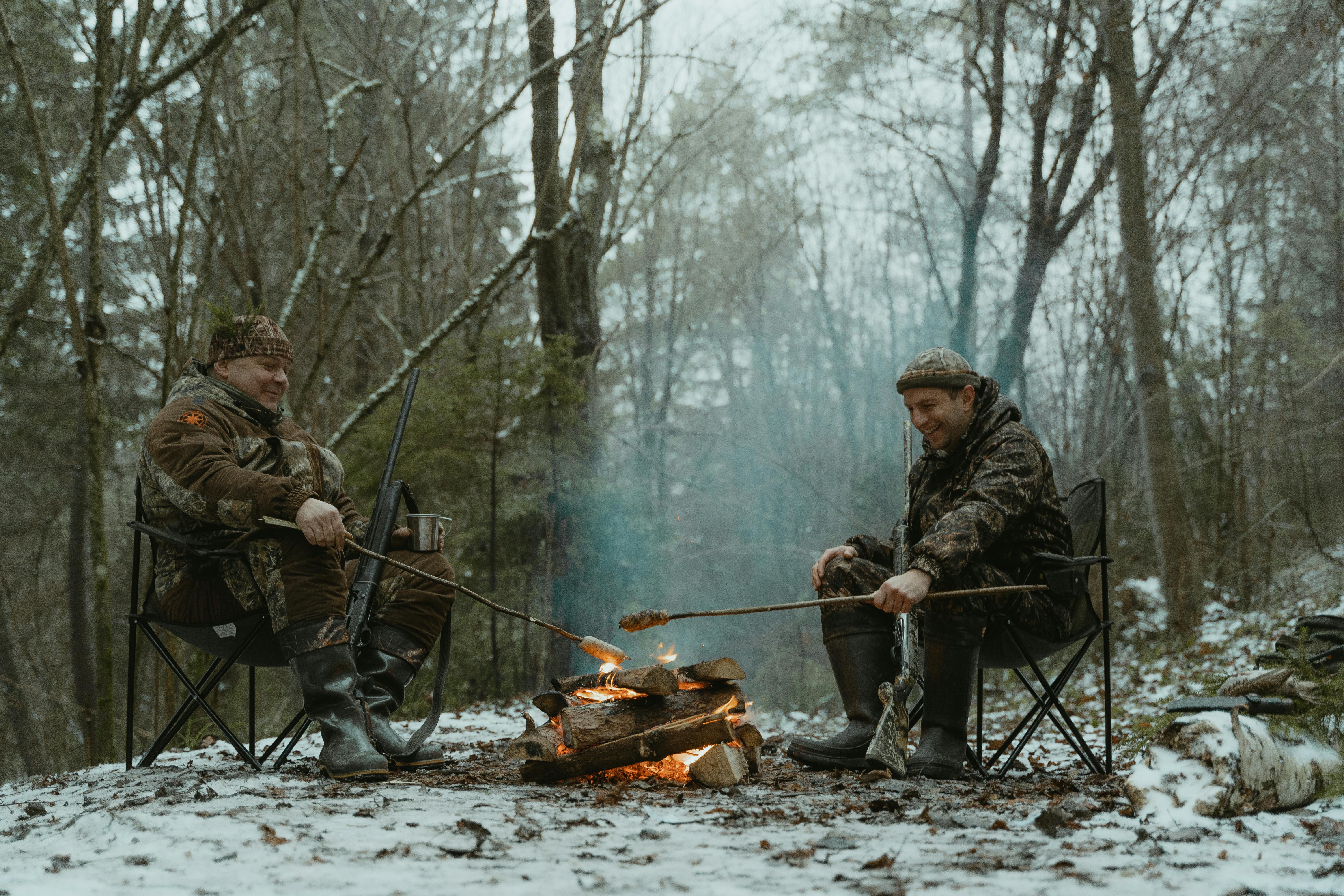
One of the least discussed reasons for declining participation is that the emotional texture of the sport has shifted. In many communities, duck hunting used to be deeply local, with rough edges, shared labor, and modest expectations. It was about breakfast afterward, fixing decoys in the garage, and learning spots from older hunters who cared more about company than performance.
Today, parts of the culture can feel more commercial, image-driven, and competitive. Social media, branded gear, filmed hunts, and pressure to post straps of birds have raised the psychological bar. For some veterans this is just harmless evolution. For many newcomers, though, it creates the impression that duck hunting is a high-skill, high-cost club where mistakes are visible and authenticity is constantly being judged.
That matters because traditions survive through belonging. If the average beginner feels under-equipped, under-connected, and out of place, he is less likely to return. Cultural institutions do not fade only when people oppose them. They fade when ordinary people stop feeling that they truly have a place inside them.
What reverses the decline is simpler than people think
If states want to stabilize duck hunting participation, the answer is not a bigger marketing slogan. It is reducing friction at every step. That means protecting accessible public habitat, improving beginner-focused hunting opportunities, expanding mentored programs, and keeping license systems understandable instead of intimidating. It also means being honest that retention depends on experience quality, not just recruitment numbers.
The most successful efforts tend to make the first three seasons easier. Some agencies have experimented with youth days, reserved novice hunts, walk-in opportunities, and better information on where beginners can realistically go. Those programs work because they treat duck hunting not as a product to advertise, but as a practice people must be helped into over time.
The deeper fix is cultural as much as administrative. Veterans need to invite more, teach more, and lower the performance pressure. The tradition remains powerful in places where duck hunting still means community rather than status. Participation is declining not because the institution no longer matters, but because too many barriers now stand between people and a tradition they would still love to claim as their own.