Few objects are tied to the mythology of the American frontier quite like the revolver. These handguns were tools, status symbols, and, eventually, legends that helped define how we imagine the Wild West today. From cavalry favorites to lawmen’s sidearms, these five revolvers left an outsized mark on frontier history and pop culture.
Colt Single Action Army
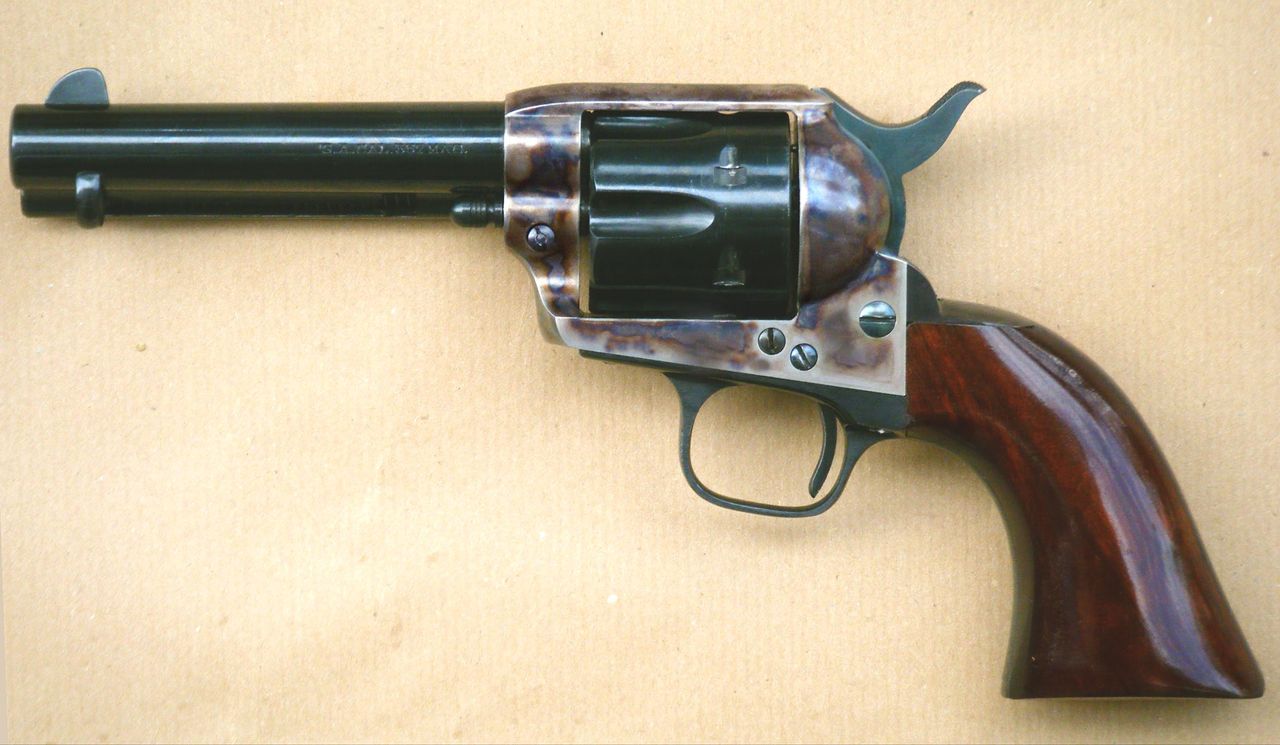
If one revolver owns the title of the Wild West six-shooter, it is the Colt Single Action Army. Introduced in 1873, it quickly became a favorite with soldiers, lawmen, ranchers, and outlaws who wanted something rugged, simple, and dependable on a rough frontier.
Its design was easy to understand and hard to forget. With its solid frame, balanced grip, and powerful chamberings like .45 Colt, it felt authoritative in the hand and earned the nickname Peacemaker, which says plenty about how Americans wanted to see it.
The Colt did not arm every Westerner, but it became the revolver most closely tied to the era. In movies, dime novels, and museum displays, this is still the handgun that instantly signals the Old West.
Remington New Model Army
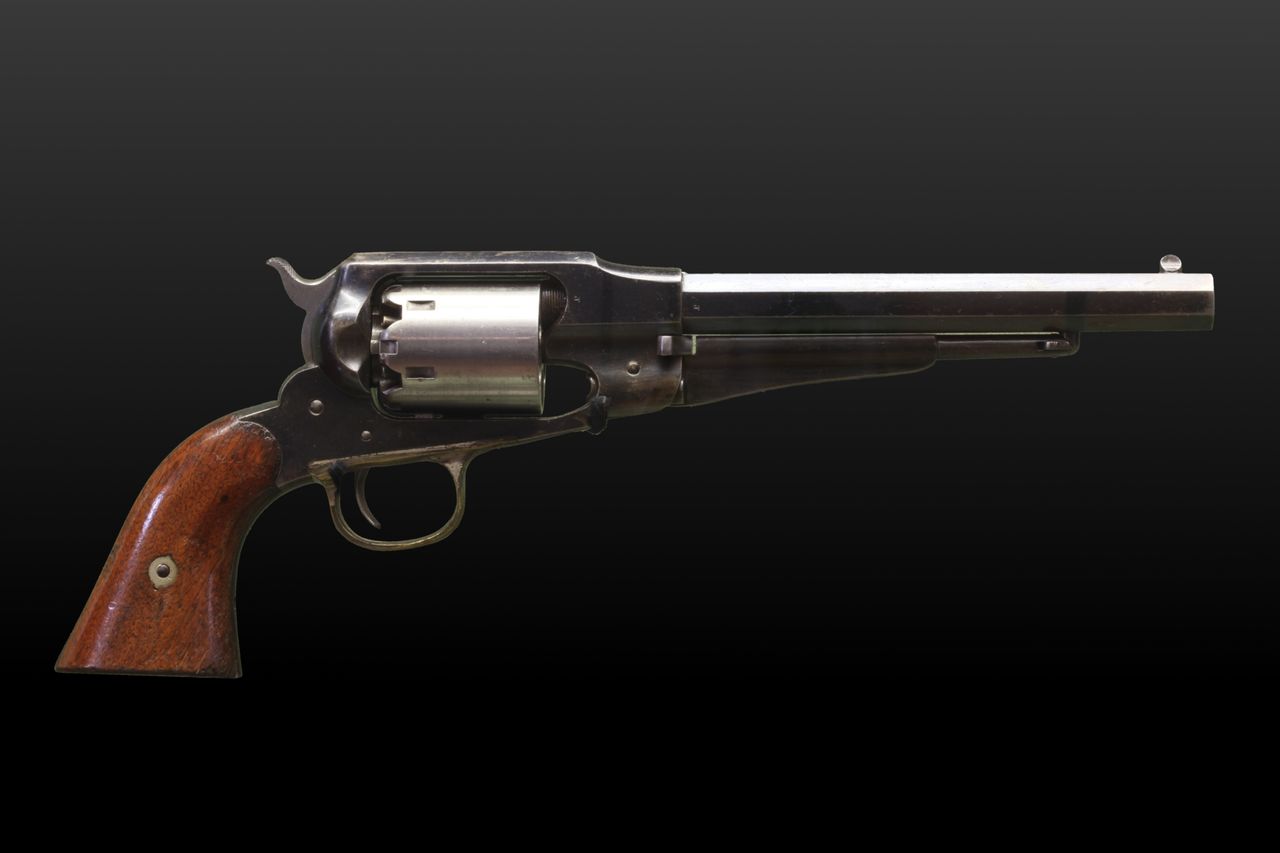
Before metallic-cartridge revolvers took over, the Remington New Model Army had already built a serious reputation. First appearing during the Civil War, it was a cap-and-ball revolver known for strength, accuracy, and a top strap design that gave it a sturdier feel than some competitors.
That extra durability mattered on the frontier, where maintenance could be difficult and reliability was everything. Shooters also appreciated that its cylinder could be swapped more easily than a Colt’s, a practical advantage in an age when speed and convenience were never minor concerns.
Even as newer cartridge guns arrived, the Remington remained part of the West’s transition period. It represents the bridge between older black-powder sidearms and the more modern revolvers that soon came to dominate.
Colt 1851 Navy
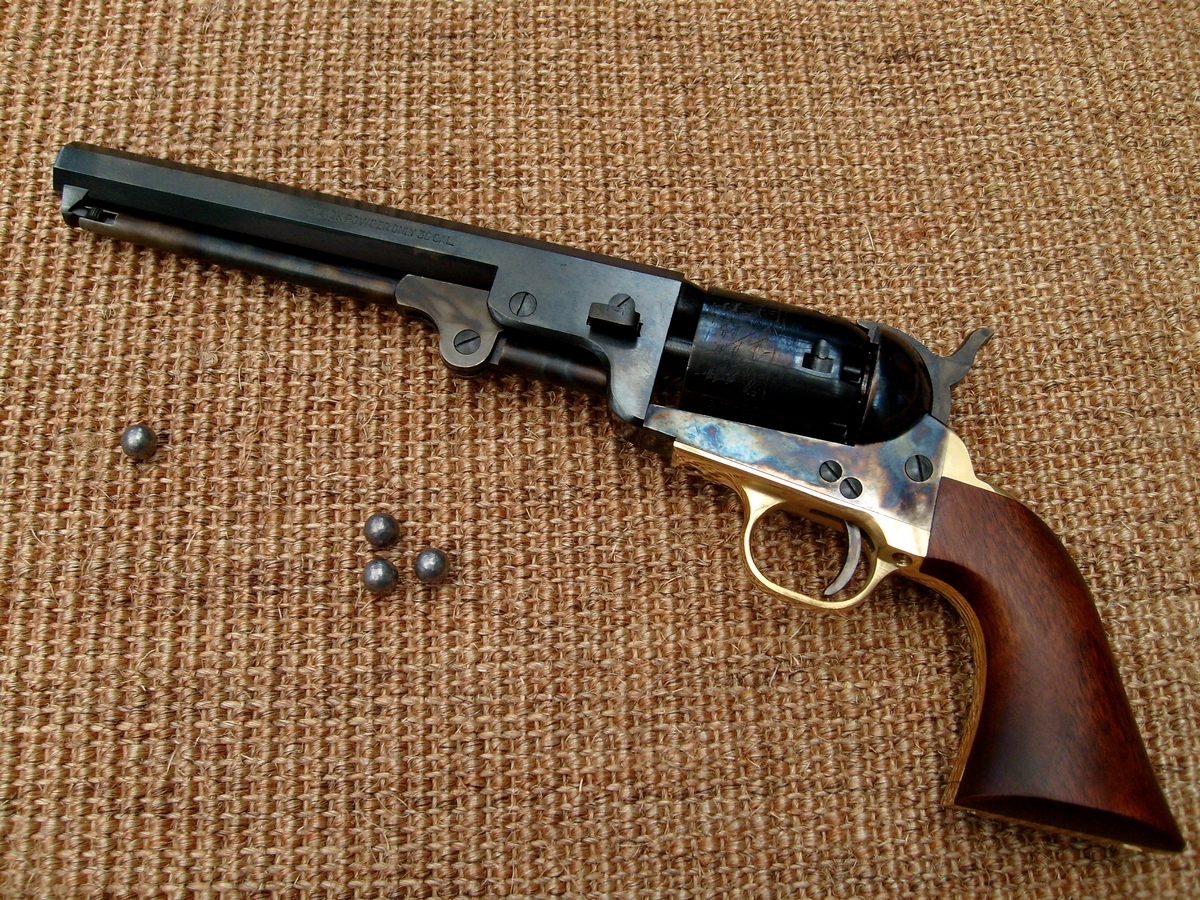
The Colt 1851 Navy was lighter and handier than bulkier military revolvers, and that made it enormously popular. Though born before the classic cattle-drive years, it stayed relevant well into the frontier era and found admirers among gunfighters, settlers, and anyone who valued a sidearm that pointed naturally.
Its octagonal barrel and graceful lines gave it a distinct look, but the real appeal was balance. Many shooters considered it one of Samuel Colt’s best-handling revolvers, which helped it gain a loyal following on both sides of the law.
Wild West history is full of famous names connected to the 1851 Navy. That mix of elegance, practicality, and legend is exactly why it still stands as one of the revolvers that helped shape the frontier image.
Smith & Wesson Model 3
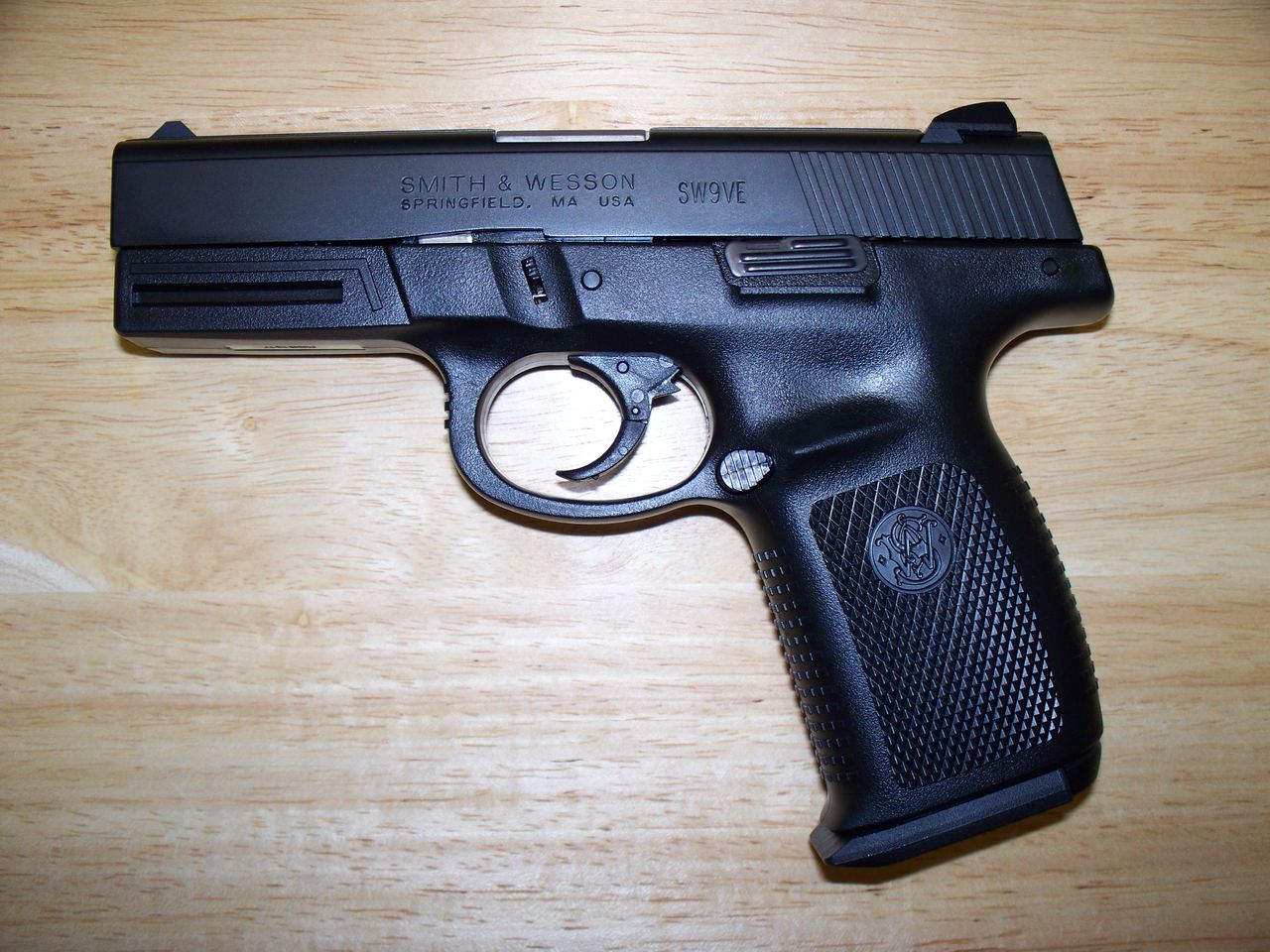
The Smith & Wesson Model 3 brought a more modern feel to the frontier sidearm. Its top-break action let users open the revolver and eject spent cartridges much faster than with single-action designs that required loading and unloading one chamber at a time.
That speed made it appealing to cavalrymen, professionals, and civilians who liked efficient engineering. It also had an elegant profile that looked a little more refined than some rougher rivals, showing that Western gun culture was not only about brute toughness.
Versions like the Schofield became especially famous, and collectors still celebrate them for good reason. The Model 3 proved the West was not frozen in one moment, but constantly adopting new technology when it offered a real advantage.
Colt 1860 Army
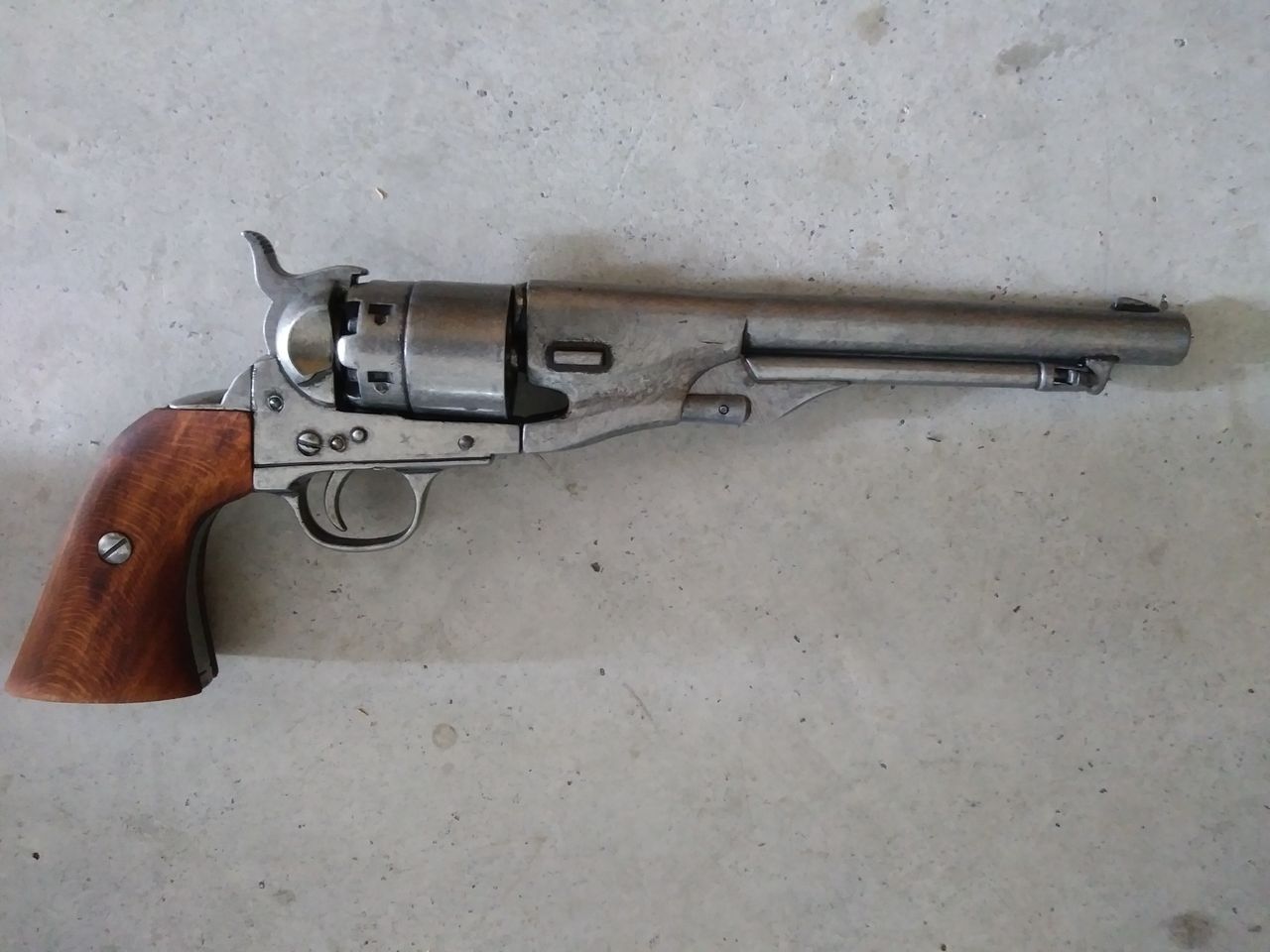
The Colt 1860 Army was one of the most important revolvers of its generation, and its influence carried straight into the frontier years. Developed as a cap-and-ball service revolver, it combined strong firepower with a sleeker profile than earlier large-frame handguns, making it widely respected in the field.
After the Civil War, huge numbers of these revolvers remained in circulation. Veterans moved west, surplus guns followed them, and many 1860 Armies were later converted to fire metallic cartridges, extending their working life on the frontier.
That long second act is what makes this Colt so significant to the Wild West story. It was not just a wartime sidearm left behind by history, but a revolver that adapted and kept riding into a changing America.