Choosing the right caliber can make or break a hunt, yet every guide has stories about hunters showing up with rounds that cause more problems than success. Some calibers are outdated, underpowered, or simply impractical for the terrain and game. Others create excessive recoil or unreliable accuracy. Knowing which ones to avoid helps you pack smarter and earn respect from seasoned hunters who value precision, safety, and efficiency in the field.
.17 HMR
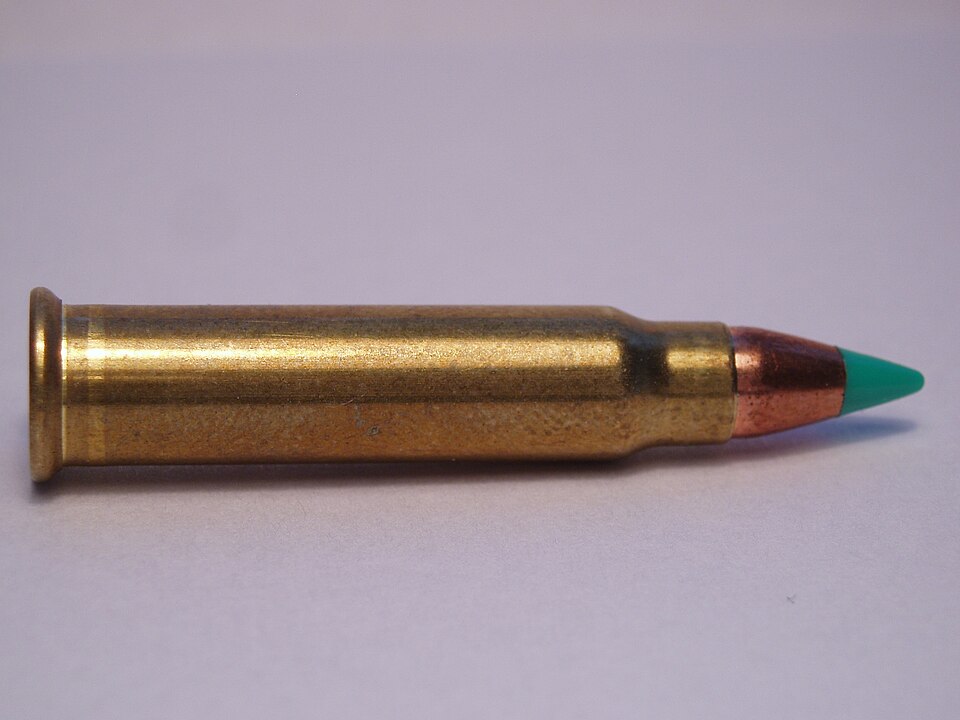
The .17 HMR is fun for target shooting but unreliable for larger game. Its small, fast bullet lacks the stopping power needed for ethical hunting beyond small varmints. Guides dislike seeing it in camp because too many hunters overestimate its capability. Lightweight and accurate at short distances, it still risks unnecessary suffering when used for anything larger than a rabbit or squirrel.
.22 LR
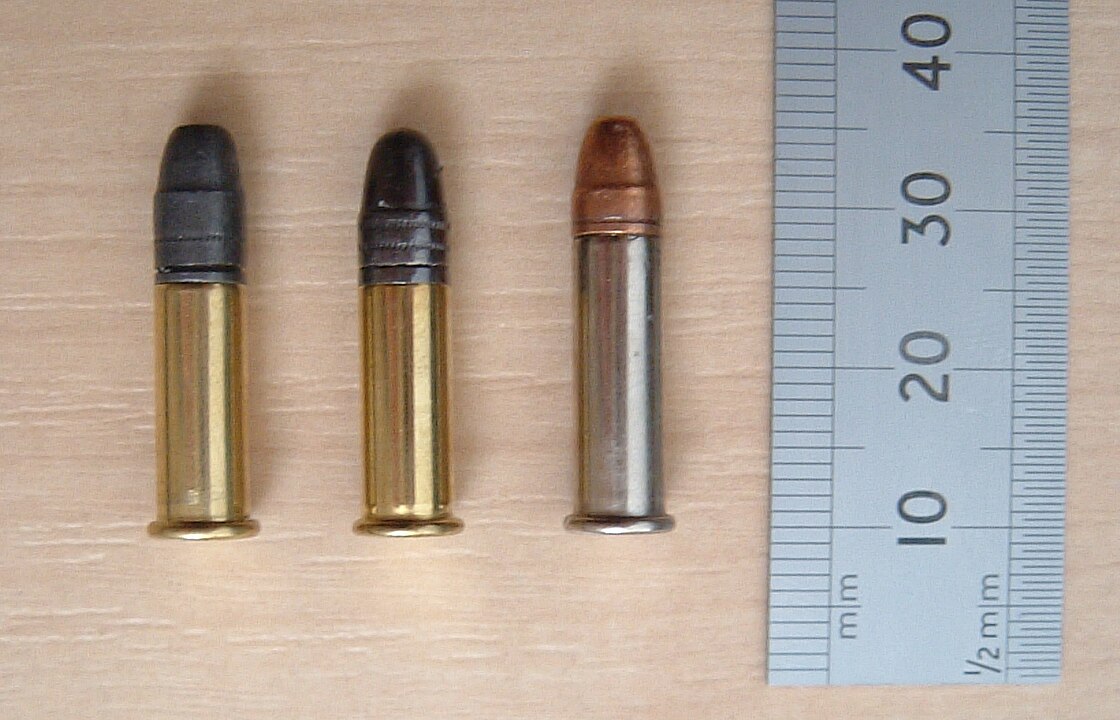
While the .22 LR is one of the most common calibers in the world, it remains a poor choice for serious hunting trips. Its limited range and low energy make it ineffective for larger animals. Guides often see beginners show up with it expecting versatility. In reality, it’s best reserved for plinking, small pests, or basic marksmanship training rather than a wilderness expedition.
.25 ACP
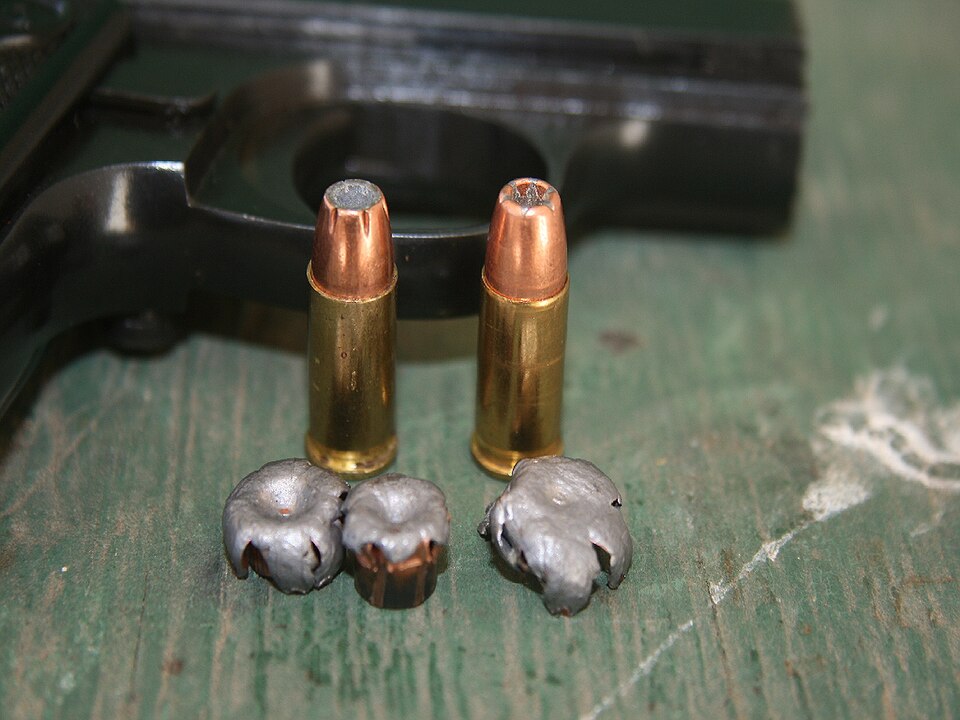
The .25 ACP belongs in a backup pistol, not a hunting pack. It lacks both range and penetration power, offering little chance of a clean or humane kill. Guides cringe when someone brings it along for self-defense against wildlife or hunting small game. It’s outdated, weak, and unreliable for outdoor use where real stopping force matters most.
.30 Carbine
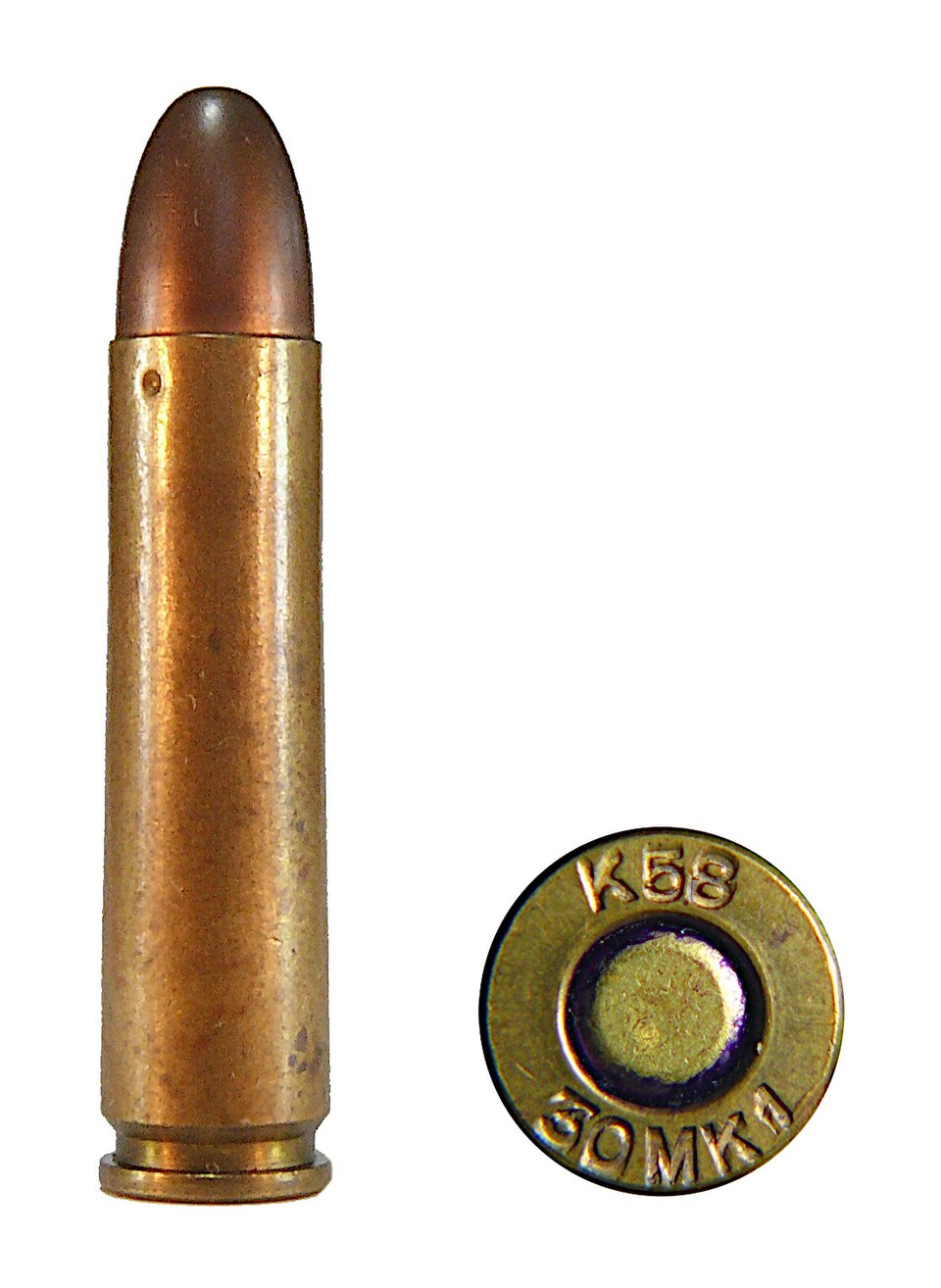
Developed for military use, the .30 Carbine offers a compact design but limited terminal performance. It lacks the penetration and energy needed for medium or large game, especially at longer ranges. Hunters who bring it often struggle with inconsistent results. Guides prefer seeing rifles that deliver cleaner kills and better ballistic efficiency over nostalgic or surplus choices like this.
.32 ACP
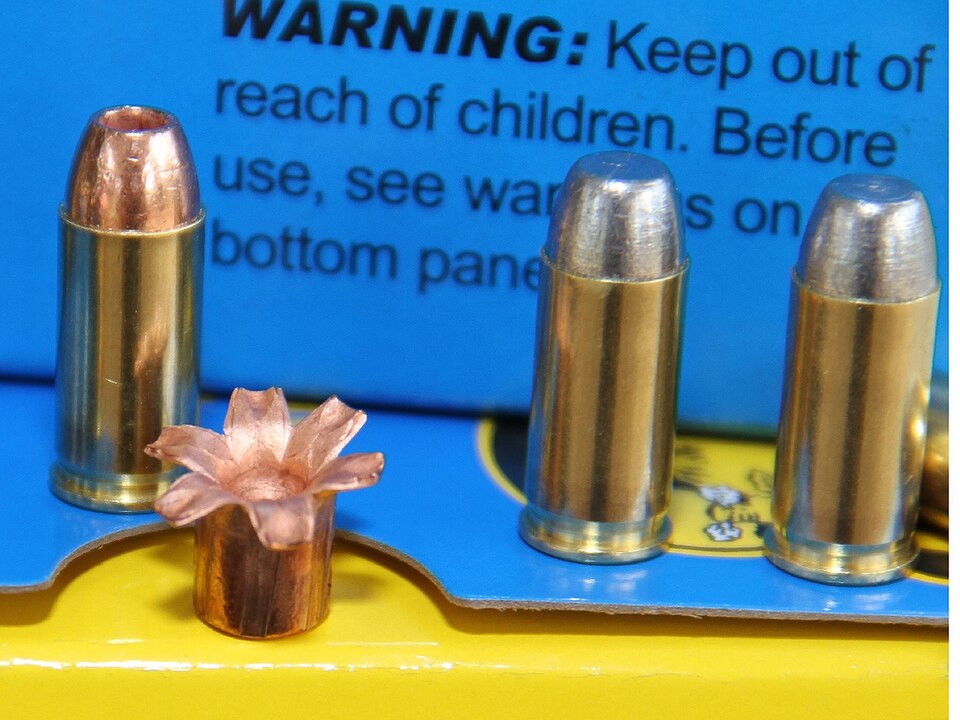
The .32 ACP is another pistol caliber that finds no real purpose in hunting. With minimal velocity and shallow penetration, it can wound rather than kill, especially on anything larger than a rabbit. Its light recoil may appeal to some shooters, but it’s unreliable for outdoor survival or game use. Most guides agree it’s better left at home.
.35 Remington
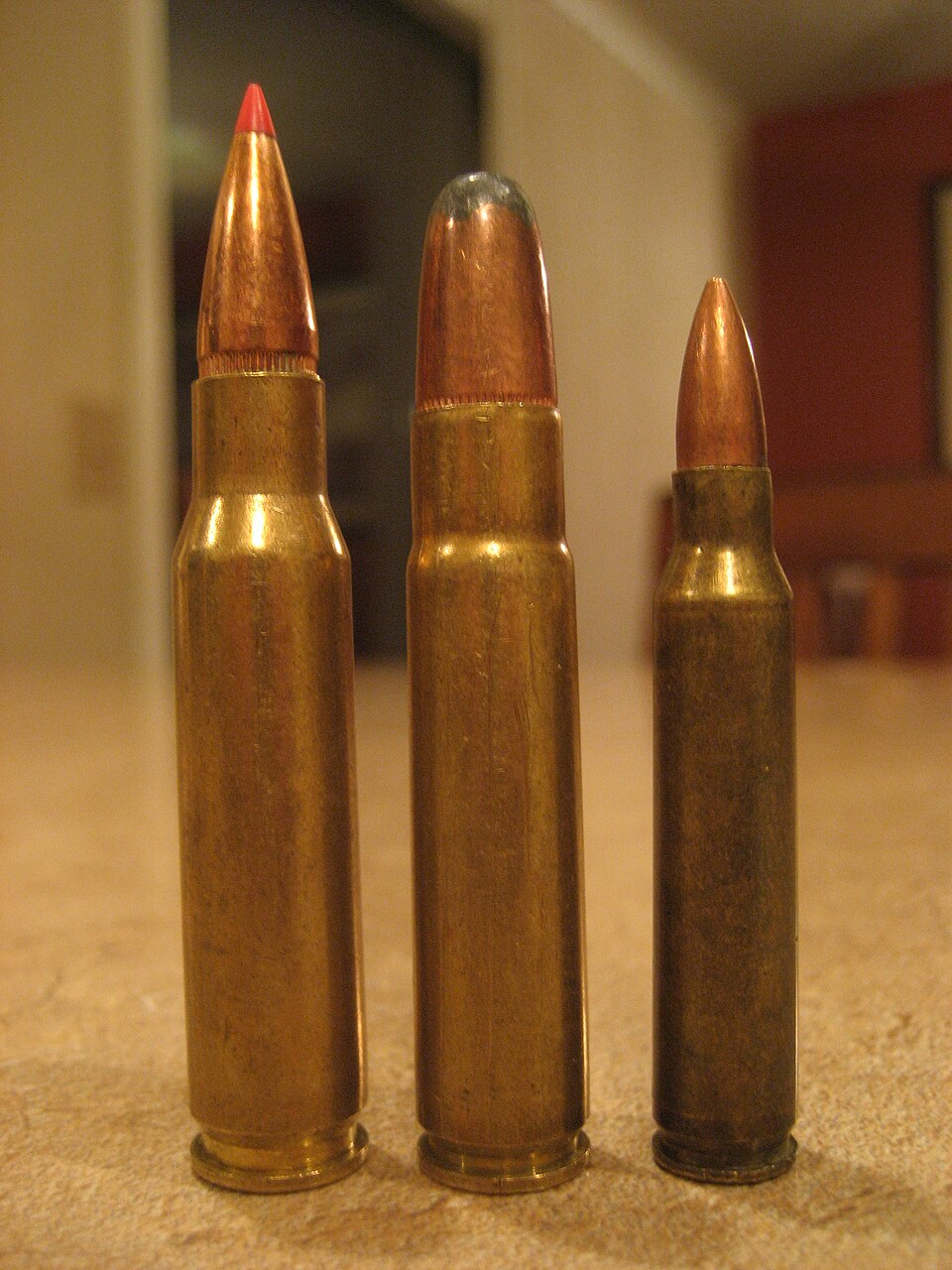
While once popular, the .35 Remington has fallen out of favor due to limited ammo availability and modest performance. It struggles with trajectory and velocity compared to modern cartridges. Guides dislike seeing it because tracking wounded animals becomes more likely. For hunters seeking similar recoil with better range, modern options like the .350 Legend outperform it easily.
5.45×39mm
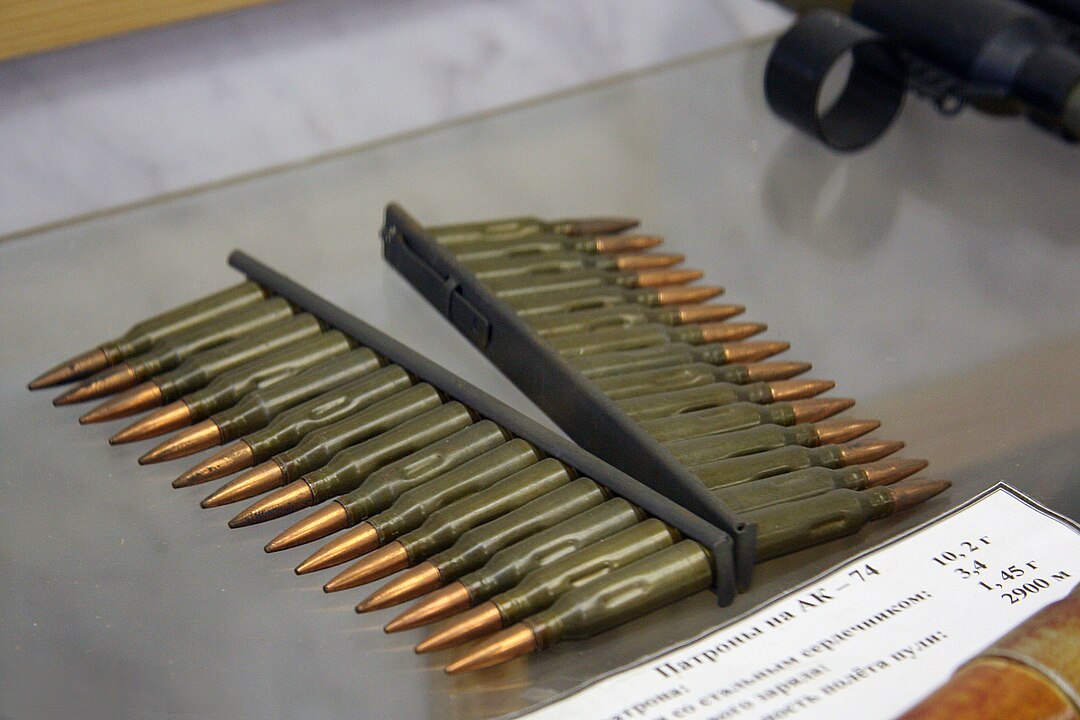
This Russian intermediate round may work in semi-automatic rifles, but it lacks consistency for hunting. Its design prioritizes penetration over expansion, leading to poor energy transfer on impact. Hunters using it risk inefficient kills and difficulty recovering game. Guides typically frown upon it because its ballistics and accuracy don’t match what’s expected from ethical hunting loads.
.410 Bore
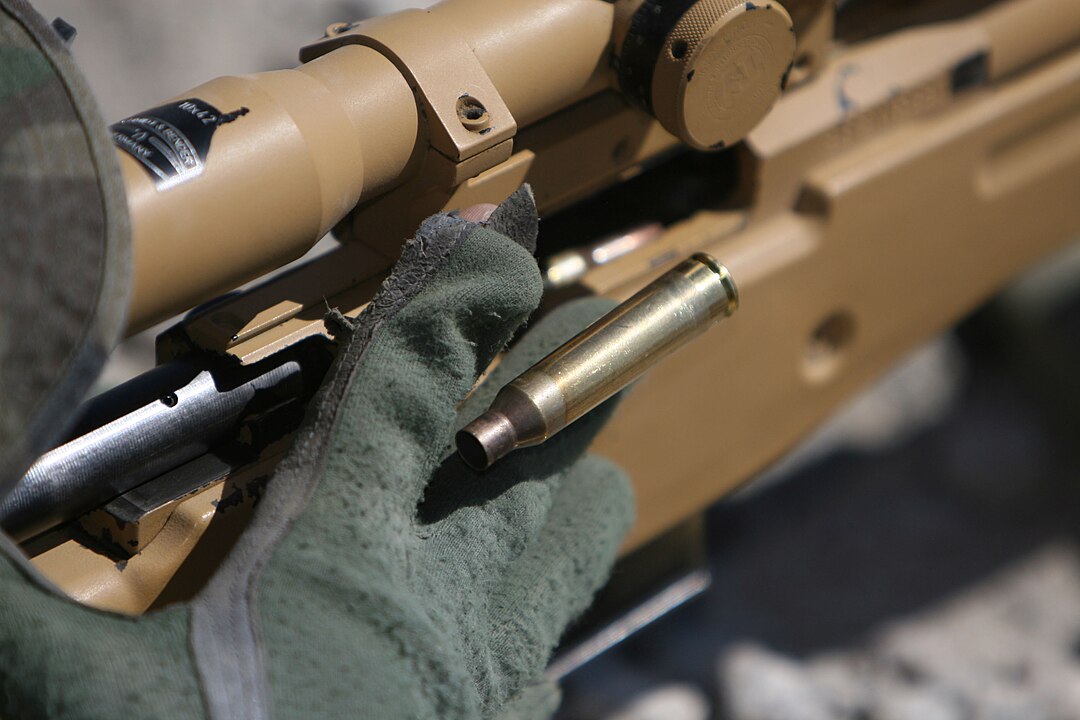
Many new hunters assume a .410 shotgun offers a lightweight advantage, but it often disappoints. Its small payload and tight pattern make it unforgiving, especially for beginners. Guides discourage it because clean hits on moving targets like birds or rabbits require exceptional aim. Larger gauges provide better patterns, range, and reliability for a humane harvest.
7.62×39mm
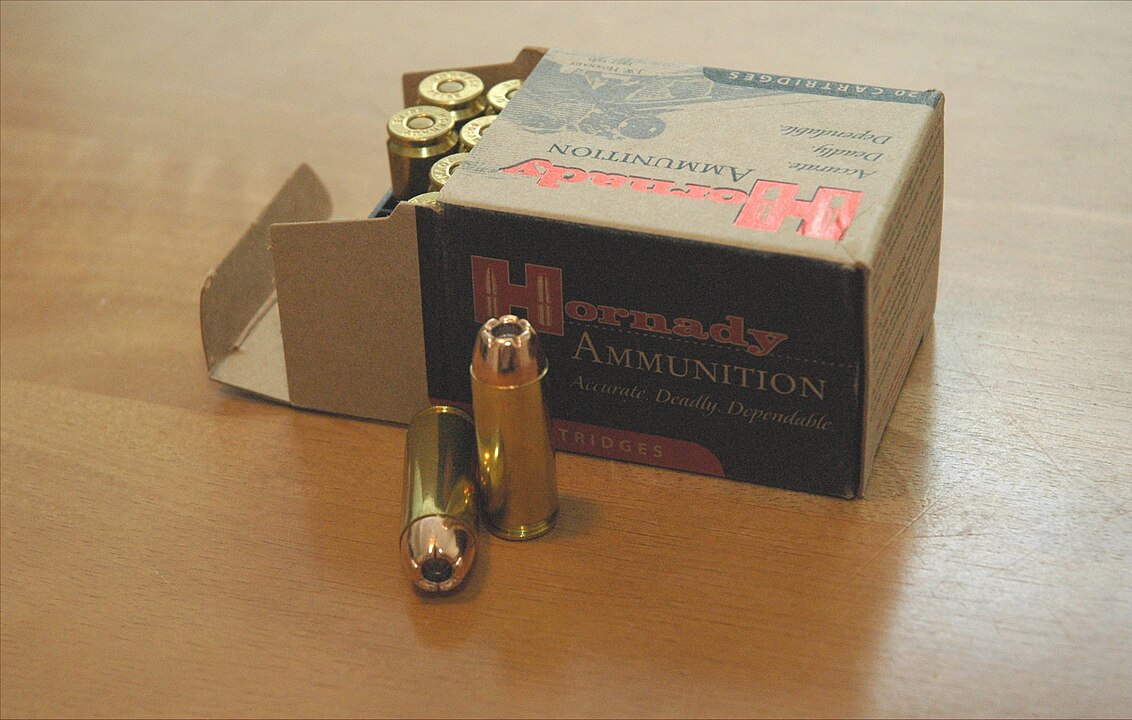
The 7.62×39mm, best known for its use in AK-47s, lacks precision for ethical hunting at longer ranges. While capable of dropping small deer-sized game, it’s not ideal for clean kills or consistent accuracy. Guides often see it used improperly with surplus ammo. Without modern soft-point loads and careful shot placement, it remains an unpredictable choice.
.223 Remington
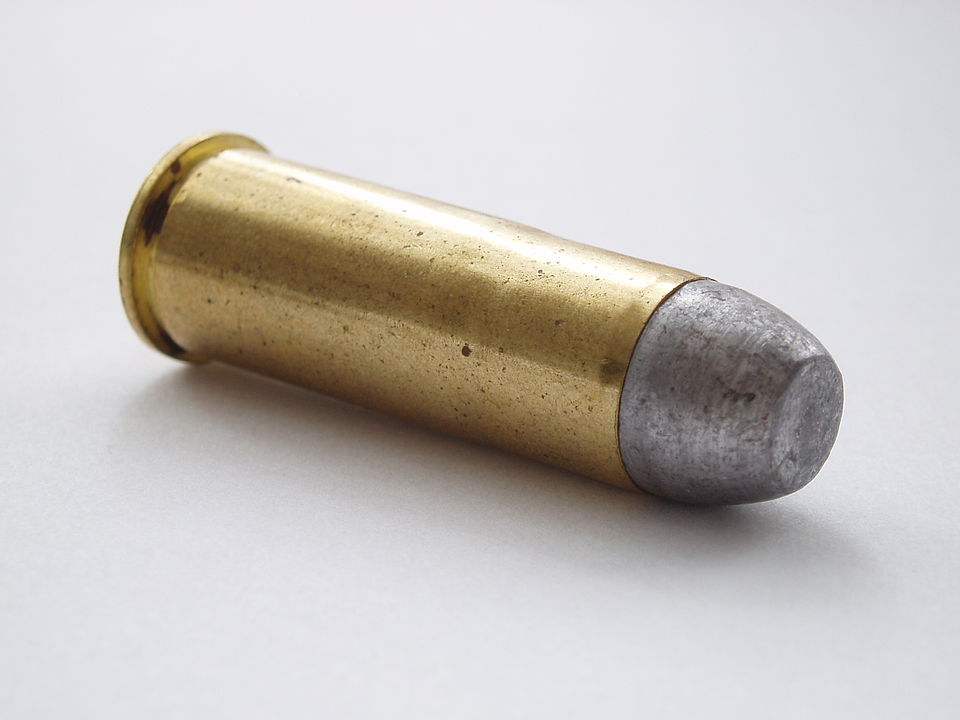
Although common, the .223 Remington sparks debate among guides. It can work for varmints or small deer, but fails to deliver reliable penetration on larger animals. Lightweight bullets risk poor expansion and long tracking jobs. Some hunters use it successfully, but many guides prefer more versatile options that ensure quick and ethical kills under varying conditions.
.44-40 Winchester
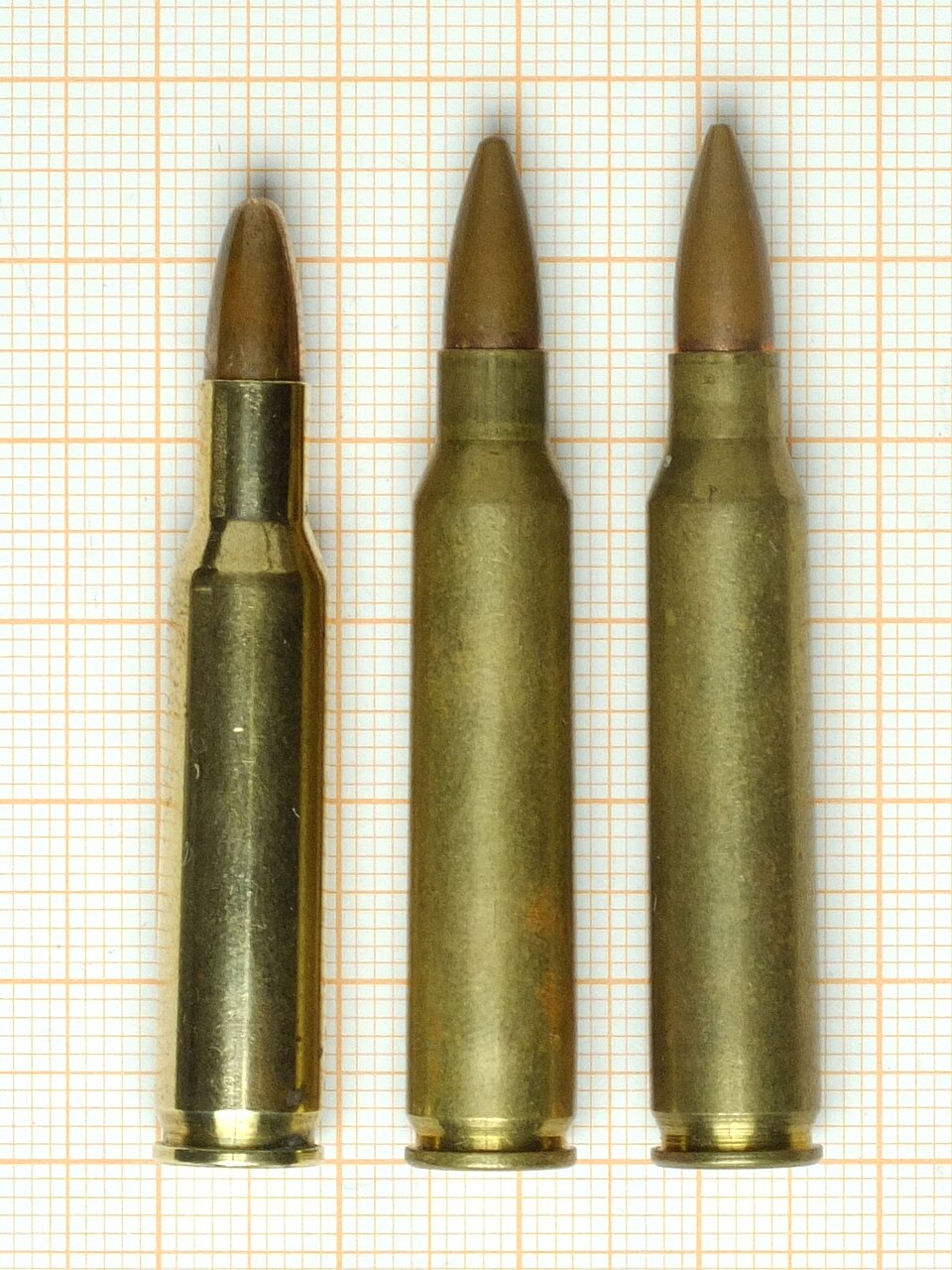
Once a frontier favorite, the .44-40 Winchester now feels dated and underpowered for modern hunts. Its black powder origins mean limited velocity and range, making it more nostalgic than practical. Guides see it as a novelty round rather than a serious tool. Modern cartridges offer far better performance with cleaner ballistics for ethical hunting.
.50 AE
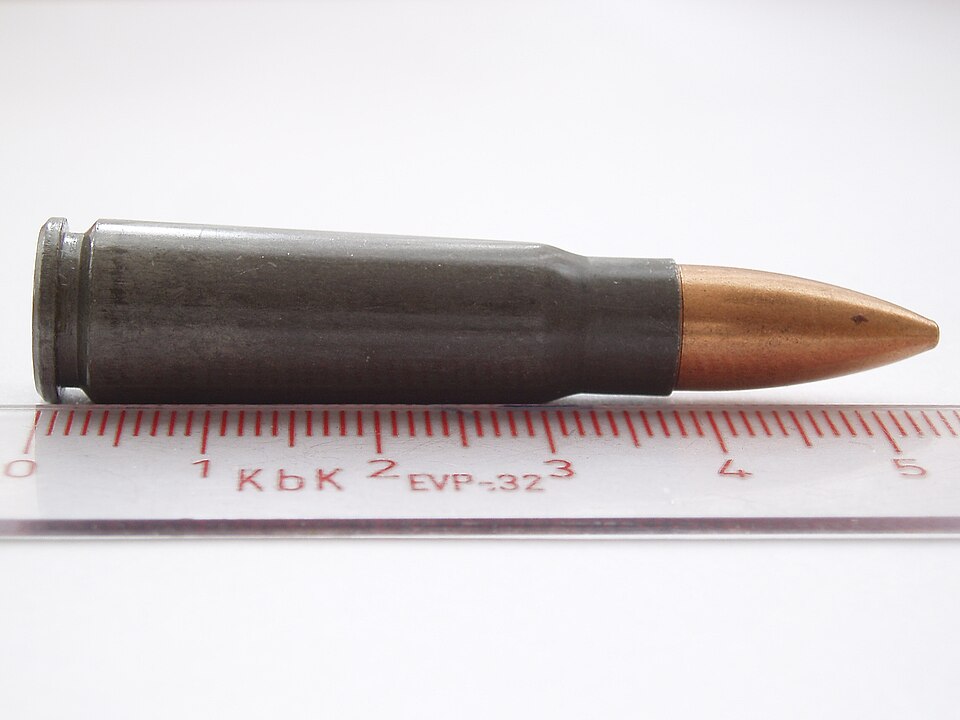
The .50 AE looks impressive, but its power is more theatrical than functional for most hunts. Heavy recoil and short range make it inefficient and unsafe for precision shooting in the wild. Guides dislike it for its impracticality and noise. Despite its intimidating size, it’s rarely accurate enough for ethical or repeatable hunting outcomes.
.338 Lapua Magnum
The .338 Lapua Magnum is powerful but excessive for most North American game. Guides hesitate when hunters bring it, knowing its high recoil, cost, and over-penetration risks. While excellent for long-range marksmanship, it’s overkill for typical hunting distances. Its extreme power often causes meat damage, making it more suited for target shooting than the field.