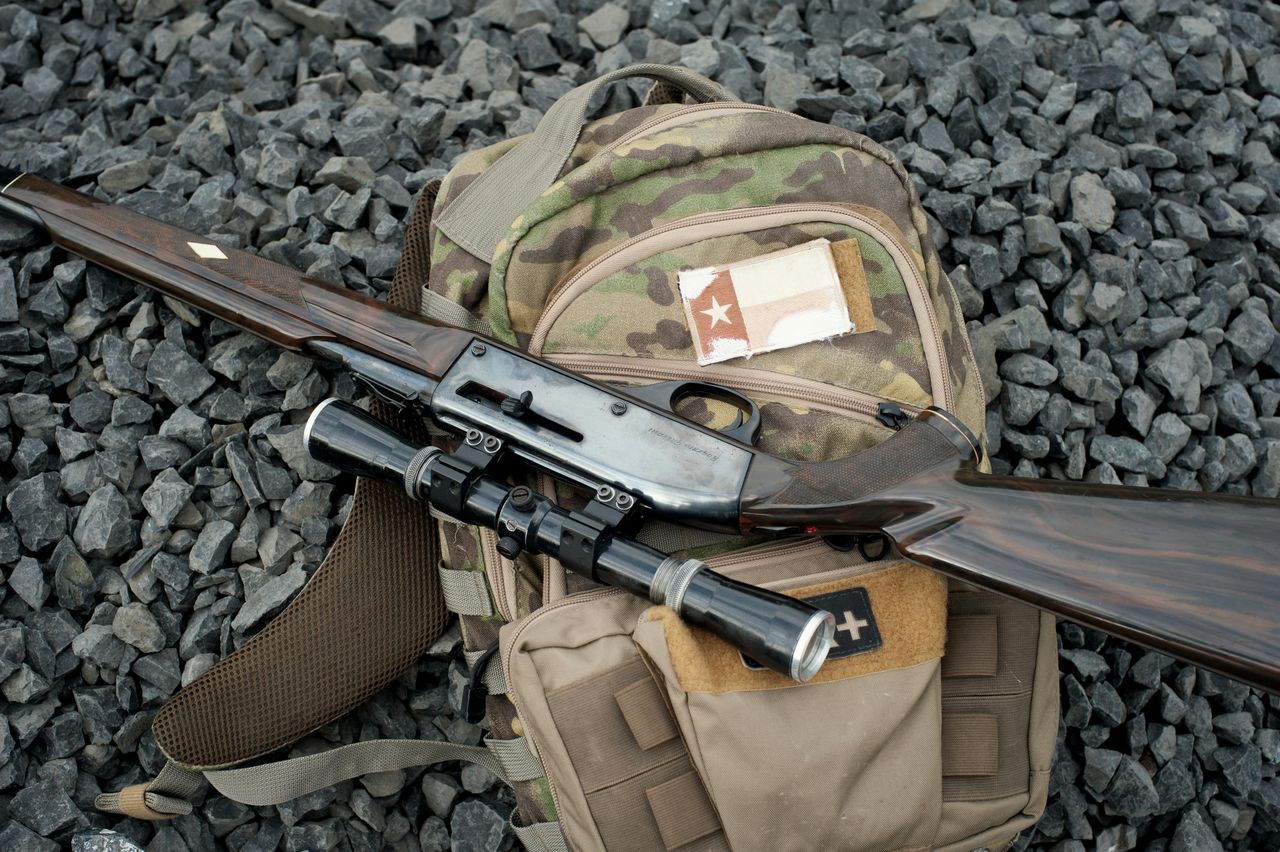
Preparedness trends change fast. But in 2026, one old-school rifle keeps showing up in very modern survival plans.
The lever-action is no longer just a cowboy gun

For years, lever-actions lived mostly in the world of ranch nostalgia, deer camps, and movie imagery. That image is changing quickly. Across preparedness forums, rural gun counters, and training circles, serious buyers are looking at lever-actions less as collectibles and more as practical tools for uncertain times.
That shift did not happen by accident. Survivalists tend to rethink gear when supply chains wobble, regulations tighten, and public attention turns toward personal resilience. In that environment, rifles that are simple, durable, and broadly acceptable start to look more attractive than trendier options.
Manufacturers noticed. In the last two years, companies like Henry, Marlin under Ruger, Smith & Wesson with its modern entry, and others have expanded offerings that blend traditional mechanics with threaded barrels, optics rails, synthetic furniture, and weather-resistant finishes. The message is clear: the lever-action has been updated for people who care less about romance and more about readiness.
What changed in 2026 is scale. Instead of being a niche alternative, the lever gun has become a mainstream preparedness purchase. That matters because survivalists are rarely buying on style alone. They are usually buying around realistic constraints, and right now, the lever-action fits more of those constraints than many people expected.
Reliability and mechanical simplicity still win in hard conditions
Prepared people obsess over failure points. In a prolonged emergency, anything that depends on delicate tuning, proprietary parts, or perfect maintenance becomes less appealing. Lever-actions are not magical, but their appeal starts with a very old truth: manually operated rifles can keep working in rough conditions with less dependency on ammunition pressure, gas systems, and highly specialized replacement parts.
That gives them a practical edge in scenarios survivalists actually imagine. A semi-automatic platform can be excellent, but it is still more system-dependent. If magazines break, springs wear out, or ammunition quality becomes inconsistent, a manually cycled rifle can be easier to keep in service over time.
Hunters and backcountry users have trusted lever-actions for generations for a reason. A well-made lever gun in .30-30, .357 Magnum, or .44 Magnum can ride in a truck, a scabbard, or a cabin rack and still come out ready for use. That reputation matters to people building equipment around long-term ownership instead of short-term performance.
It also helps that the manual action encourages a mindset of deliberate shooting. In survival situations, ammunition conservation matters. Lever-actions naturally slow the pace just enough to support better shot discipline, which many trainers argue is more valuable than sheer rate of fire for civilians protecting property, harvesting game, or dealing with limited resupply.
Ammunition flexibility makes these rifles unusually practical
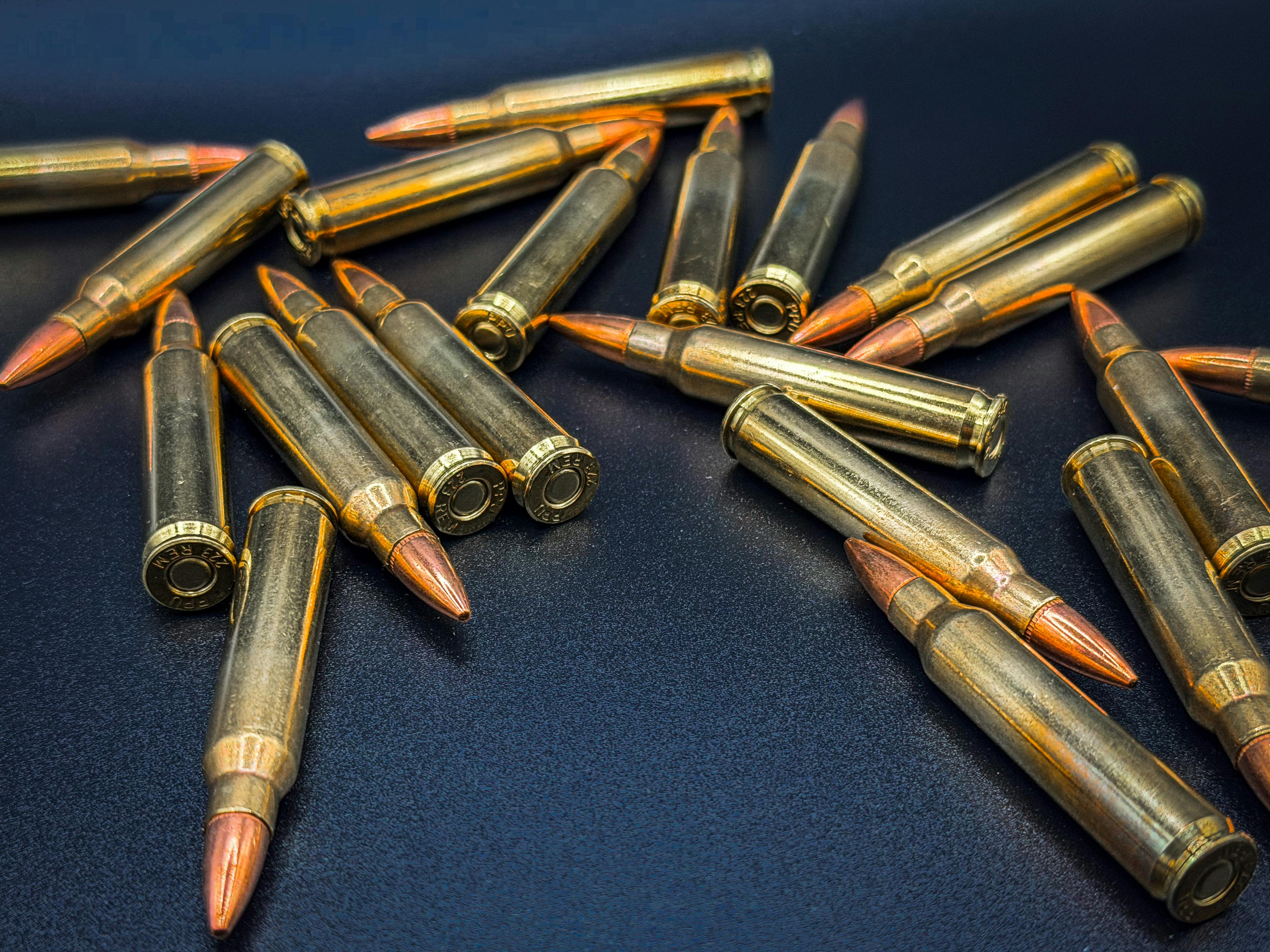
One of the smartest arguments for lever-actions in 2026 is caliber versatility. Survivalists are not just buying rifles; they are building systems. A rifle chambered in .357 Magnum or .44 Magnum can often share ammunition with a compatible revolver, reducing the number of calibers a household needs to store, rotate, and track.
That kind of overlap is a major logistics advantage. In preparedness planning, simplicity usually beats specialization. If one stack of ammunition can feed both a sidearm and a rifle, storage becomes easier, resupply decisions get cleaner, and emergency loadouts become lighter and less complicated.
Then there is the staying power of classic cartridges. The .30-30 Winchester remains one of the most proven medium-game rounds in North America, with more than a century of field credibility behind it. Pistol-caliber lever guns, meanwhile, are easy to shoot, effective at practical distances, and often more approachable for newer family members who also need to train.
Modern ammunition has strengthened the case. Better bullet design has improved terminal performance, and defensive loads for revolver calibers perform notably better from a rifle-length barrel. That means a 2026 lever-action is not relying on 1896 performance. It is pairing a mature platform with much better ammunition technology than many people realize.
In many places, they are easier to own and easier to live with
Another reason serious survivalists are turning to lever-actions is the political and legal reality. In many jurisdictions, manually operated rifles face fewer restrictions than semi-automatic platforms. Laws vary widely, but buyers in regulated states often find that lever-actions avoid the feature-based rules that complicate ownership, transport, or future transfers.
For preparedness-minded people, that matters more than internet debates admit. A rifle is only useful if you can buy it, keep it, train with it, and pass it down without constant regulatory uncertainty. Lever-actions often offer a more stable path for long-term ownership, especially for people who want capable firearms without becoming trapped in shifting compliance rules.
There is also the social factor. A lever-action generally draws less alarm from neighbors, relatives, and even some first-time shooters than a black rifle with detachable magazines. That does not change capability on its own, but it can make training, storage discussions, and household acceptance much easier.
Serious survivalists think in terms of total friction, not just ballistic charts. If a platform is legally simpler, culturally less contentious, and easier to explain within a family emergency plan, it becomes more likely to be owned, practiced with, and retained. In the real world, that counts for a lot.
The modern lever gun is far more capable than critics admit

A lot of people still picture lever-actions as outdated brush guns with buckhorn sights and little room for improvement. That image is now badly behind the market. The current generation includes optics-ready receivers, M-Lok compatible furniture, suppressor-ready barrels where legal, improved triggers, and corrosion-resistant coatings designed for hard field use.
Those upgrades have changed how the rifle performs for modern survivalists. A compact lever gun with a red dot, weapon light, sling, and low-power optic is not a museum piece. It is a practical, fast-handling, lightweight defensive and hunting tool that works well in vehicles, around structures, and in dense terrain where long rifles feel clumsy.
Capacity, long treated as a weakness, also deserves a more honest look. Many tube-fed lever-actions hold respectable amounts of ammunition, especially in pistol calibers. They can also be topped off incrementally, which is useful in prolonged incidents where the user gets brief opportunities to reload without fully emptying the firearm.
Even suppressor use has entered the conversation. Threaded lever-actions in .357 Magnum, .44 Magnum, and especially .45 Colt can be paired with modern loads for much more manageable noise where lawful. For survivalists concerned about hearing, low-profile shooting, and practical field communication, that is not a gimmick. It is a meaningful capability upgrade.
Real-world preparedness favors versatility over internet perfection
The internet often rewards extreme comparisons. One rifle gets framed as ideal, everything else as obsolete. Real preparedness does not work that way. Survivalists who have been through storms, wildfire evacuations, rural isolation, and extended supply disruptions usually value gear that covers multiple roles adequately rather than one role brilliantly.
That is where the lever-action keeps gaining ground. It can protect a homestead, put meat in the freezer, ride discreetly in a vehicle, and remain accessible to different skill levels within a family. It may not dominate any single category on paper, but it solves many practical problems at once.
There are real case studies behind this shift. After recent weather emergencies and regional retail shortages, many gun owners reported that traditional hunting calibers and revolver cartridges remained easier to source locally than some tactical rifle loads. Local availability is uneven, but survivalists pay close attention to those patterns because they reveal what communities actually stock under stress.
Training culture is shifting too. More instructors now emphasize movement, communication, fieldcraft, and shot placement over fixation on platform identity. In that framework, a reliable lever-action in practiced hands looks much more serious than critics assume. Preparedness is ultimately about outcomes, and outcomes tend to favor users who know their equipment deeply.
Why 2026 may be the year the lever-action truly sticks
Some firearm trends flare up and disappear. The lever-action resurgence looks different because it is being driven by overlapping pressures, not a single fad. People want durable tools, fewer legal headaches, broader ammunition options, and rifles that fit both defense and subsistence use. The lever-action checks all four boxes unusually well.
It also benefits from timing. In an era of economic caution, many buyers are suspicious of anything that feels too specialized or too dependent on future parts support. A lever gun feels understandable. That matters psychologically as much as mechanically. People preparing for uncertainty often prefer tools they can inspect, maintain, and trust without needing a spreadsheet of accessories.
None of this means lever-actions replace every other rifle. Serious survivalists are not abandoning semi-automatics wholesale, and they are not pretending a 19th-century action solves every modern problem. What they are doing is correcting an old blind spot. They are recognizing that a lever-action is often more useful, adaptable, and sustainable than its stereotype suggests.
That is why these rifles are suddenly everywhere in 2026. Not because survivalists got nostalgic, but because they got practical. And when practical people start buying the same tool in large numbers, it is usually worth paying attention.