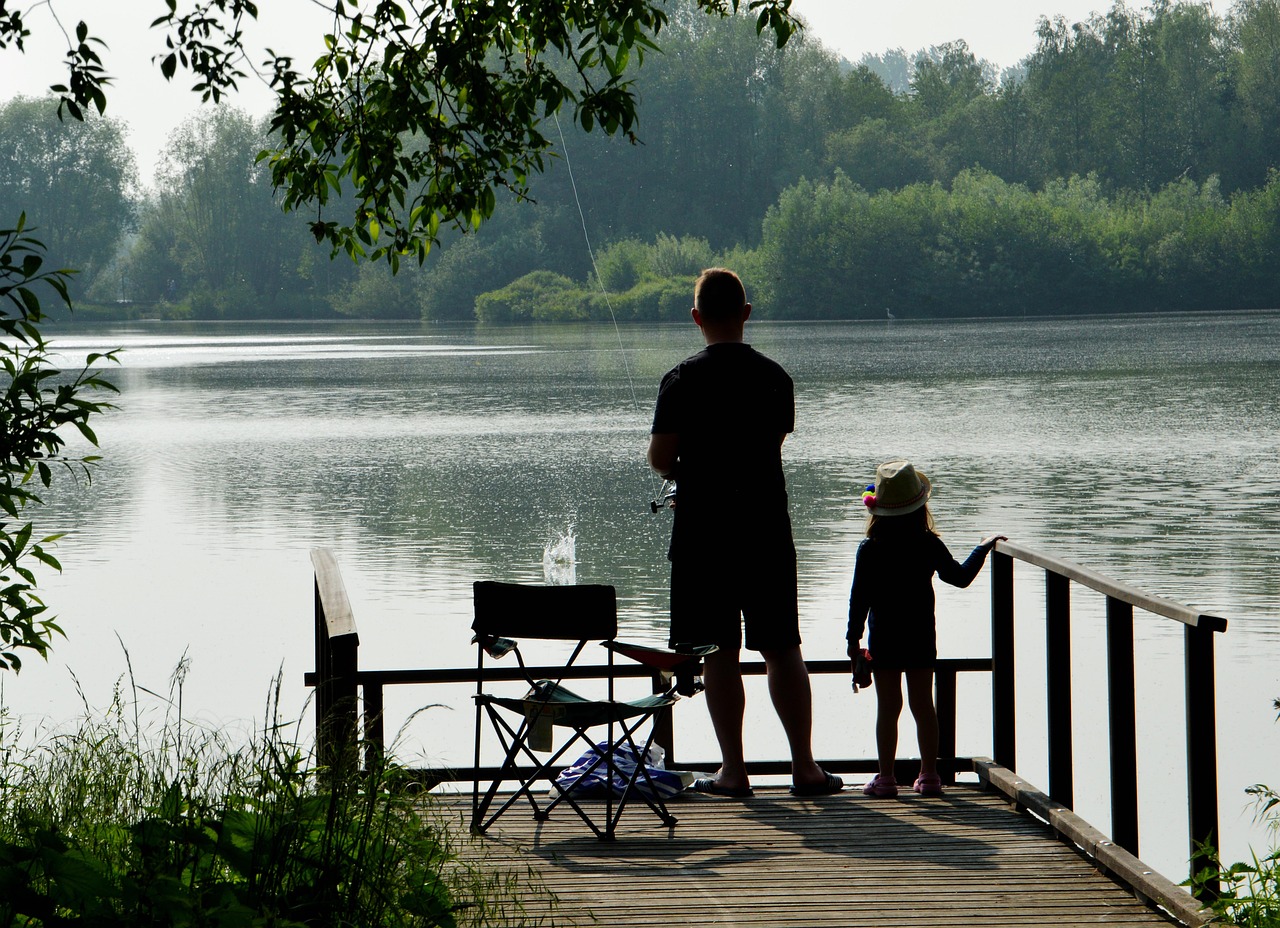
Fishing success often comes down to more than just being in the right spot. Professionals say depth can make or break your day on the water. Fish constantly adjust their position based on temperature, light, oxygen, food, and pressure changes. If you’re not paying attention, you might be dropping your bait into an empty zone while the action is happening just a few feet away. These 12 key signs from experienced anglers will help ensure you’re working the correct layer of water every time.
1. No Action After Multiple Lure Changes

When you’ve cycled through your go-to lures and colors without a single tap, the problem likely isn’t your technique. Local pros say consistent silence usually means you’re fishing in the wrong depth zone entirely. Even aggressive predators won’t go far out of their comfort range just to bite. Instead of burning through more gear, adjust deeper or shallower in steady increments until you connect with something active beneath the surface.
2. You See Fish on Sonar, but They Ignore You
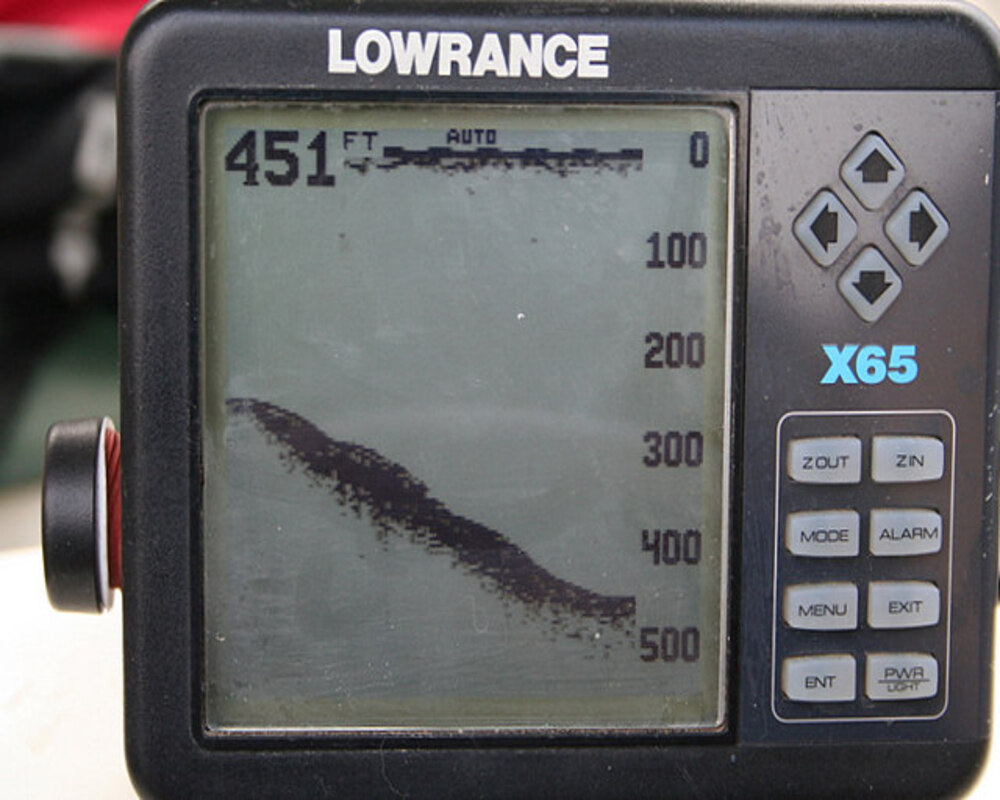
Electronics make fish visible, but catching them still comes down to where your bait sits. If the fish on your sonar appear suspended well above or below your lure and don’t rise to inspect it, you’re not presenting in their strike zone. Pros advise matching your bait directly to the level where marks show up, especially in clearer water, where fish won’t travel vertical distances to chase unless extremely hungry.
3. Surface Activity but Zero Bites Down Low
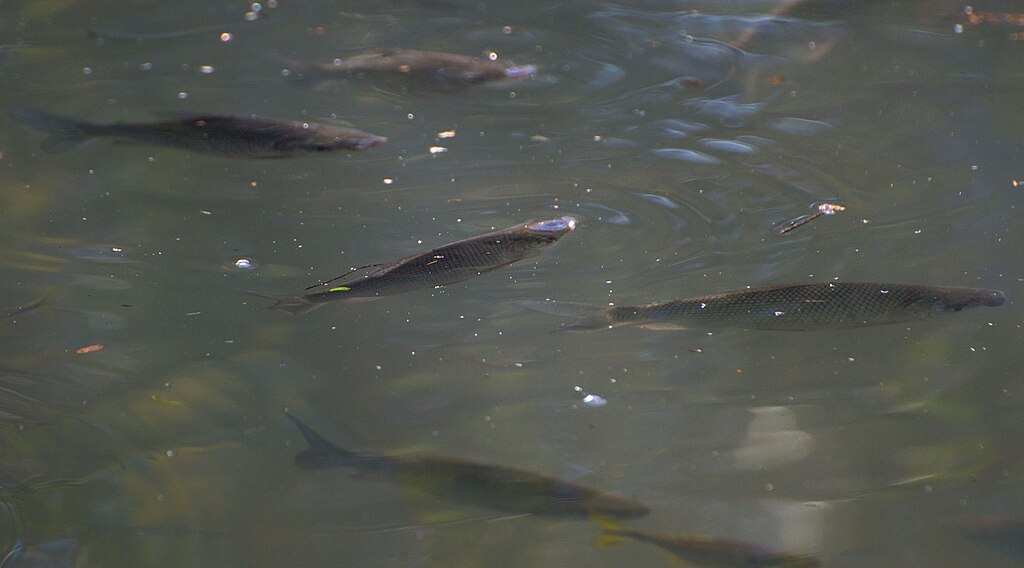
Boils, bait flicks, and bird dives all show something exciting is happening up top. When that’s the case, working a lure deeper is usually a waste of time. Predators push food upward when they’re aggressively feeding. If the action is visible on the surface yet your deeper line stays dead, pros recommend downsizing gear and shifting high in the column to take advantage of the frenzy while it lasts.
4. Constant Snags Suggest You’re Too Low
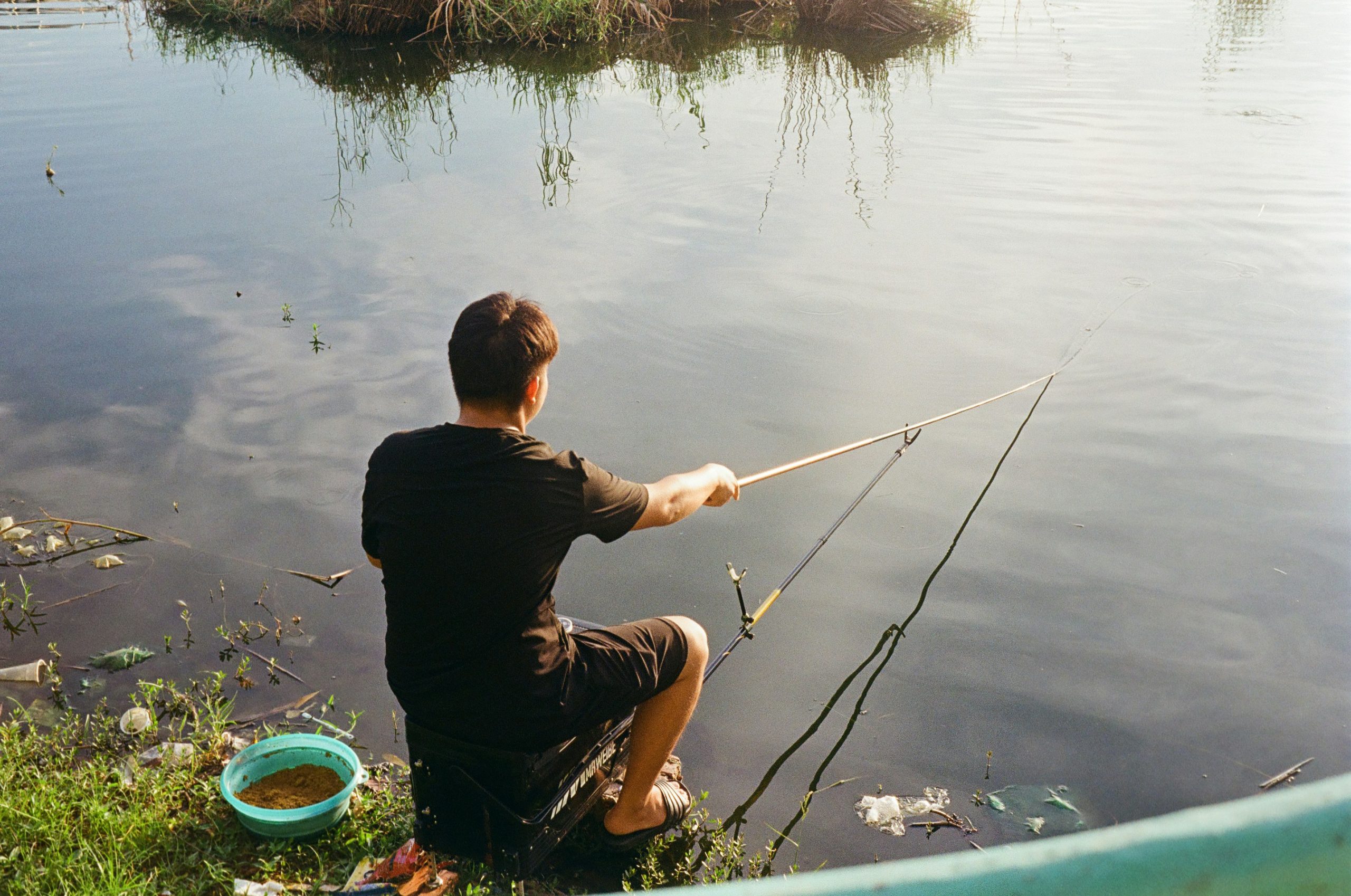
If your day becomes a battle with weeds, logs, and rocks rather than fish, you’re likely dragging the floor unnecessarily. While bottom-hugging species exist, most freshwater predators suspend off structure, not buried in it. Raising your lure slightly can keep you above clutter and in cleaner water where fish have better visibility and a greater willingness to strike, especially during warm seasons when oxygen higher up is greater.
5. Fish Are Spitting Hooks Quickly
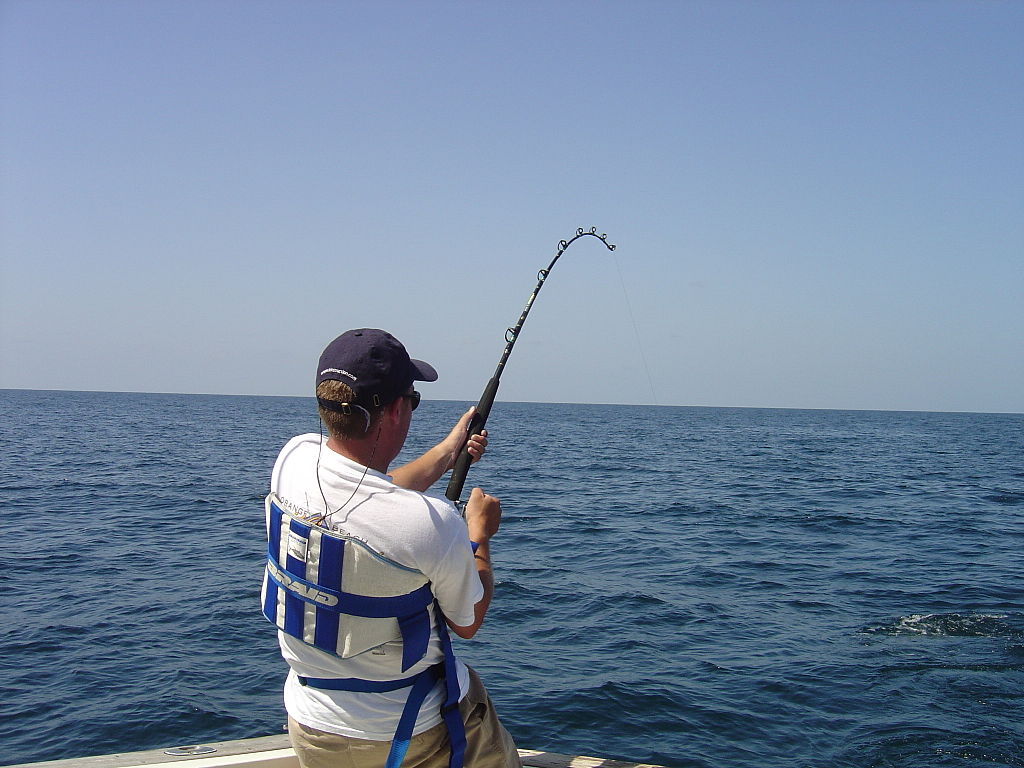
Short hits often mean your lure barely grazed a fish outside its prime strike space. Local pros say when fish swipe rather than inhale, your depth is just a touch off. They may be curious but not fully committed. Adjusting a few feet up or down can place your bait right in line with their natural feeding path. Once you’re truly dialed into their level, those half-hearted nips turn into confident, hook-set-worthy attacks.
6. The Water Suddenly Gets Warmer or Colder

A quick temperature shift while retrieving signals, you’re crossing through different layers. Fish almost always relate to the most comfortable one, not extreme cold or heat. If your lure spends too much time outside that band, expect fewer bites. Pros use temperature breaks like invisible highways: once you find that stable, preferred zone, keep your bait there and follow it around the lake throughout the day.
7. Your Bait Comes Back Untouched in Murky Water
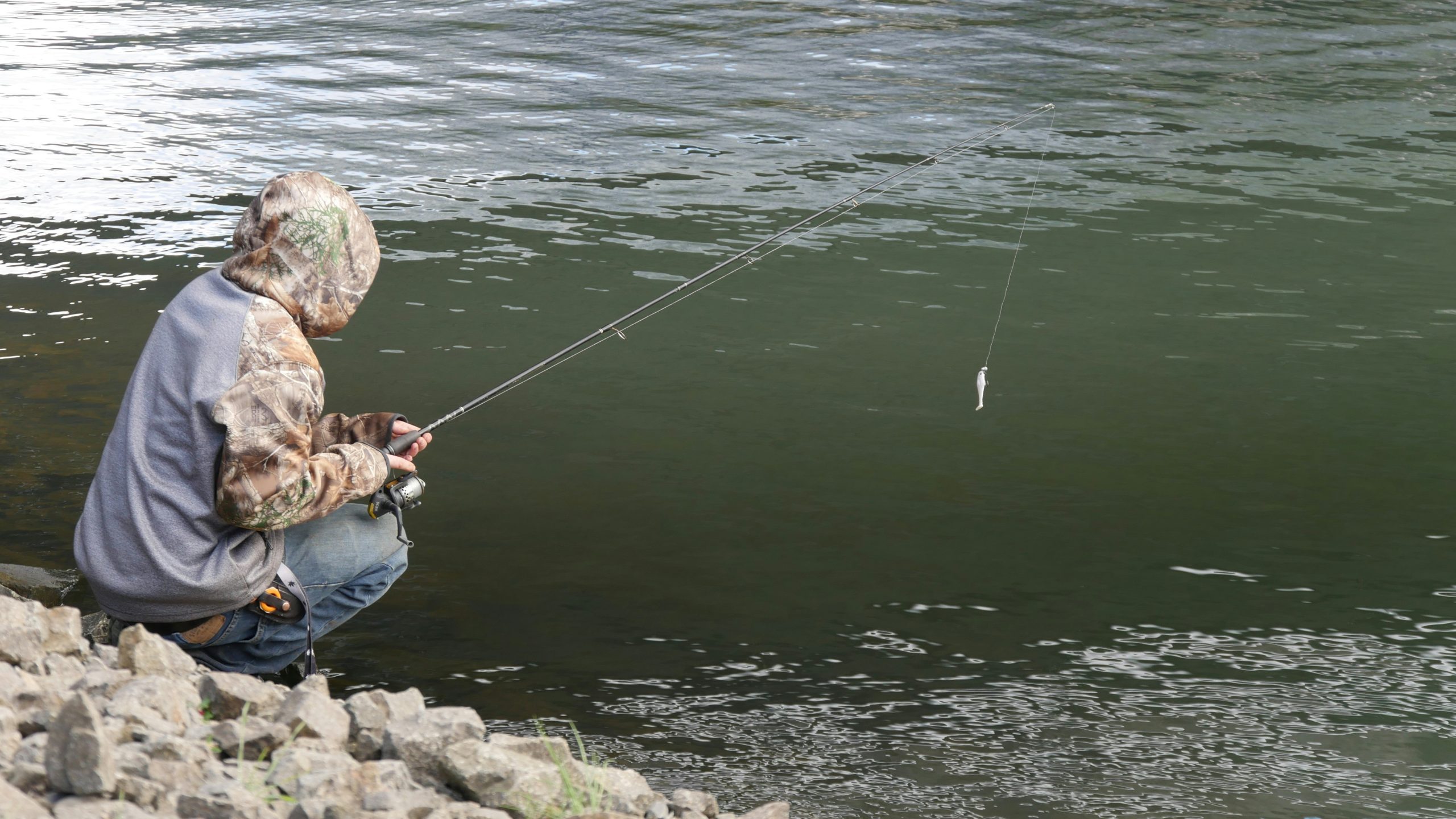
When visibility drops, fish rely heavily on scent and vibration. They also move shallower or suspend near structure to hunt more efficiently. If your lure returns untouched again and again, it may be working too far beneath the fish where they simply can’t detect it. Shifting upward in stained water gives predators a better chance of sensing motion, making them more willing to commit to your presentation.
8. You’re Only Catching “Wrong” Species
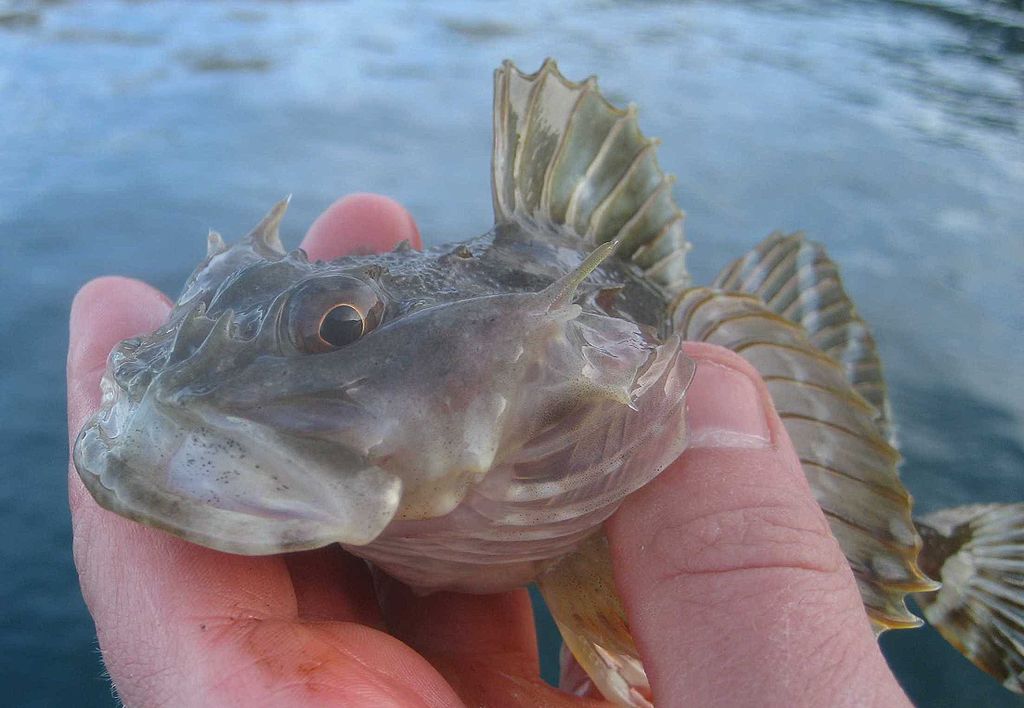
Reeling in bottom feeders when you’re targeting bass, or tiny panfish when you want walleye, means your lure is cruising through the wrong neighborhood. Different species control different depths depending on season and food. Pros read bycatch as a message: it tells you exactly which water layer you’re in and which types of predators are elsewhere. Climb or drop until your catches match your goals.
9. Wind-driven current isn’t Affecting Your Line
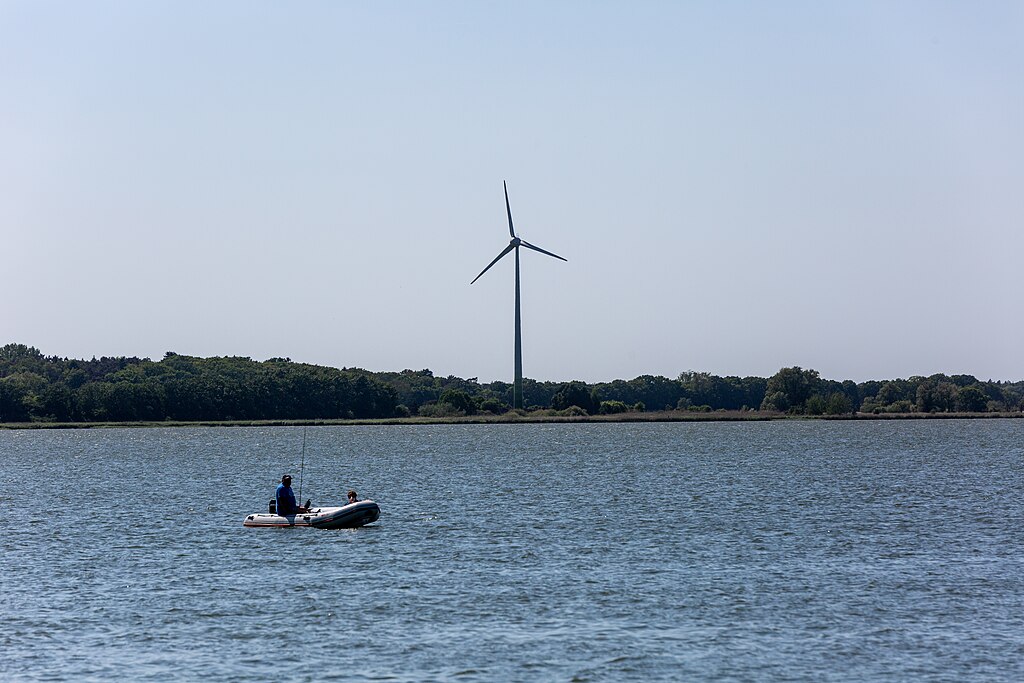
When wind pushes waves, surface water moves the entire food chain with it. If your line feels lifeless and untouched by that motion, you might be sinking below where baitfish are riding. Professionals follow wind-blown edges because predators patrol there for stunned or disoriented prey. Keep your lure in that drifting top zone to let the current act as a natural attractor instead of hiding your bait in a dead pocket.
10. Fish Only Bite During Part of Retrieve
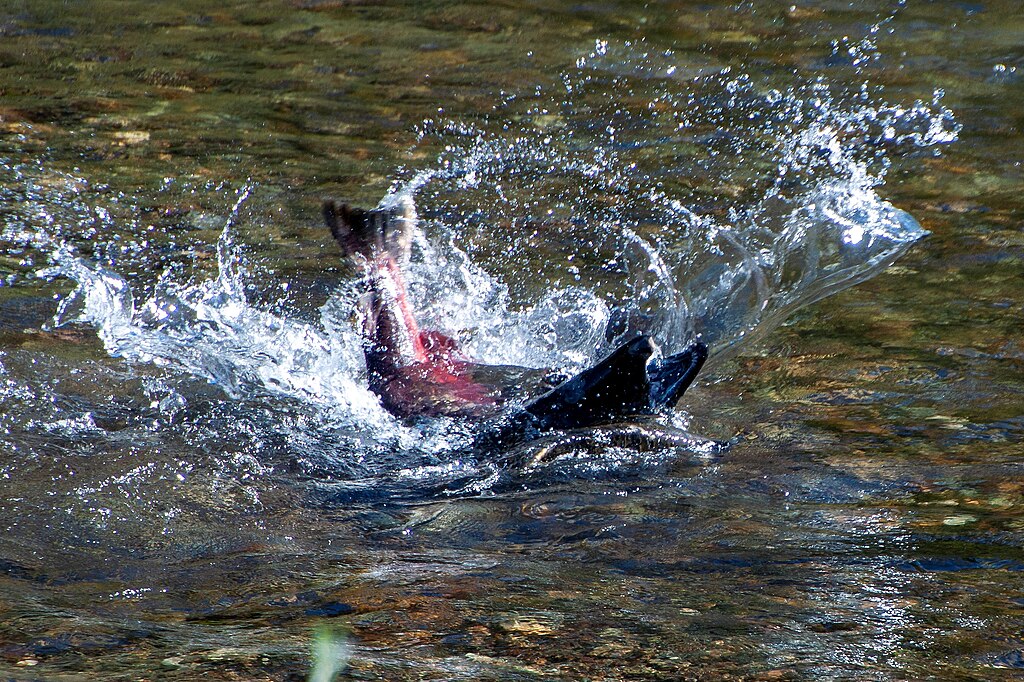
If strikes only happen halfway back to the boat or shore, that reveals the depth where fish are holding. Every missed or late hit is a clue. Local pros purposely pause or count down their lures to lock into that exact layer sooner. Once you find the sweet spot, keep your lure swimming at that level from start to finish instead of wasting time above or below where the action clearly is.
11. Sudden Weather Changes Kill the Bite

Cold fronts and shifting air pressure drive fish down to safer water levels. If they were hammering shallow baits earlier and now disappear, the depth changed, not the lake’s population. Pro anglers react fast by probing deeper structures like drop-offs and submerged channels. Even a 5 to 10 foot shift can wake the bite back up. Fish follow comfort first, and your presentation needs to follow them.
12. You’re Catching Fish, but They’re All Small
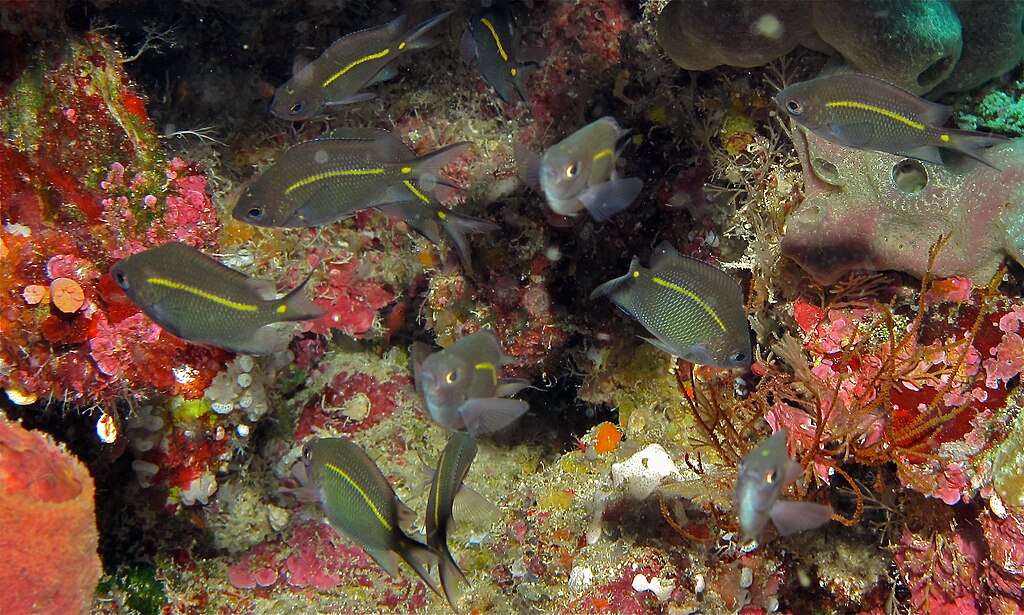
Landing a pile of tiny fighters might feel fun, but it means the adults are hanging elsewhere. Bigger fish tend to hold closer to the most stable water conditions, often deeper than juvenile schools. When local experts start catching too many “babies,” they immediately move down a level to intercept mature predators. The size upgrade usually happens fast once your lure enters a more competitive feeding zone.