Some revolvers are beautiful, historic, and deeply satisfying to own. That still does not mean they make financial sense.
What “overpriced” really means in the revolver world
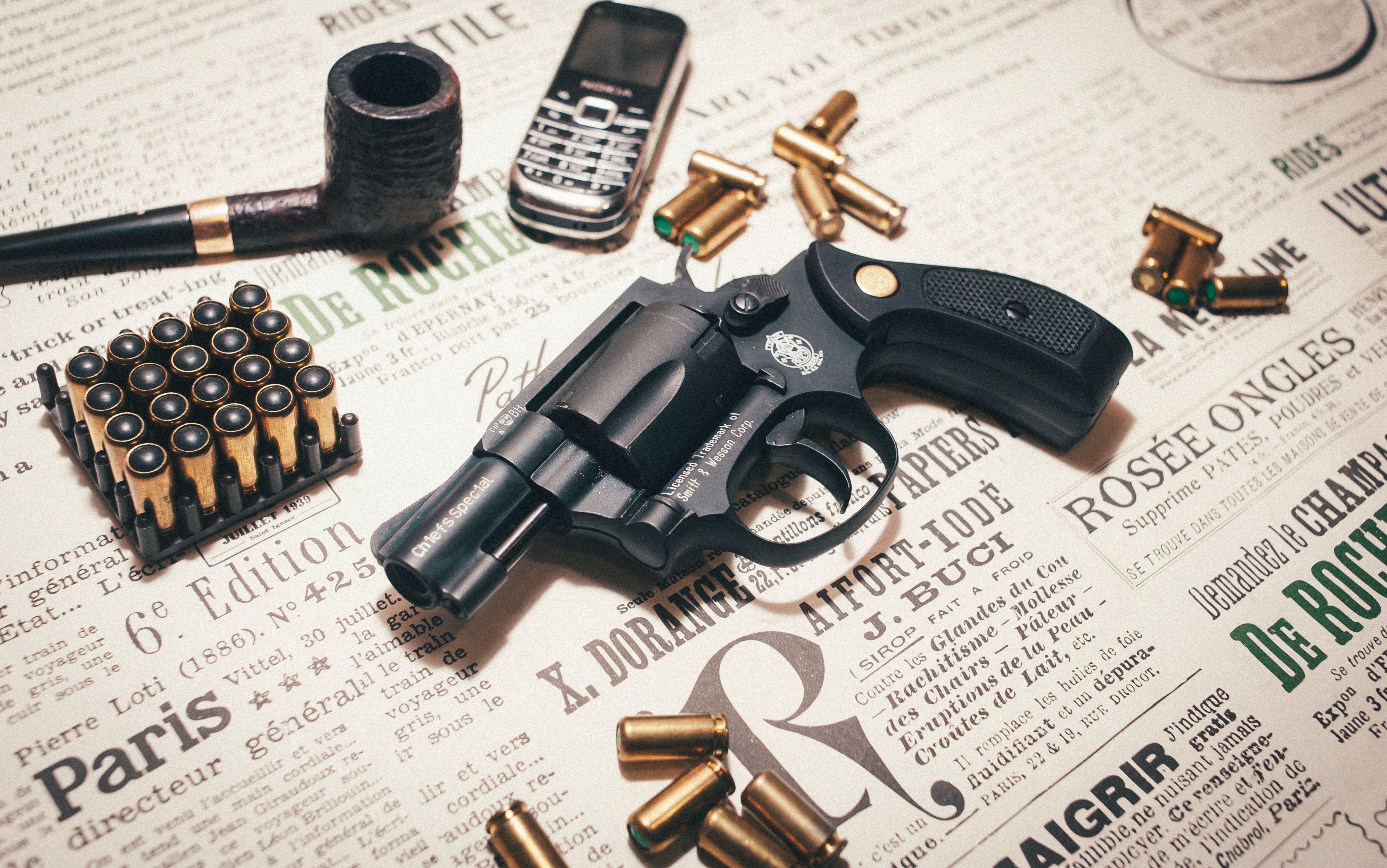
An overpriced revolver is not automatically a bad revolver. It is a gun whose asking price outruns its practical value, especially when compared with what competing models deliver for less money.
That gap shows up in several ways. Sometimes you are paying for a famous roll mark, sometimes for polished finish work, and sometimes for collector energy that has little to do with accuracy, durability, or carry comfort. A revolver can be excellent and still overpriced for ordinary buyers.
Take modern premium .357s as an example. Colt’s 2025 catalog lists most Python variants at $1,699, while matte versions sit at $1,499. Colt’s Anaconda is also listed at $1,699 in current catalog updates, with some matte versions at $1,499. Those are high prices for production revolvers, especially in a market where rugged alternatives from Ruger often land hundreds less. Ruger’s GP100 in .327 Federal Magnum, for instance, has been listed with a suggested retail price of $701. That does not make Python bad. It makes the value comparison impossible to ignore.
Another wrinkle is that MSRP is only part of the story. Some revolvers become overpriced because hype pushes actual transaction prices beyond reason. That happens when buyers stop paying for utility and start paying for status, scarcity, or the fantasy that every premium wheelgun is an investment piece.
The Colt effect: when heritage becomes a surcharge
No modern revolver better illustrates the power of brand aura than the Colt Python. It remains one of the most desirable names in handguns, and that name carries real emotional force with collectors and enthusiasts.
But heritage can become a surcharge. The modern Python is smoother and better finished than many mid-tier revolvers, yet it also lives in a price bracket where buyers should ask hard questions about use case. If your goal is range work, home defense, or trail carry, the practical gains over a Ruger GP100 or a Smith & Wesson 686-style gun may not justify a jump into the $1,500 to $1,700 territory.
The market adds even more distortion once older Colts enter the conversation. GunBroker’s 2025 auction reports showed specialty Python sets and rare variants selling for astonishing sums, including Snake Eyes sets above $28,000 and BOA revolvers at $26,000. Those are collector transactions, not normal consumer purchases, but they feed the idea that anything wearing the Python name is automatically worth a premium.
That is where many buyers get trapped. They are not buying a historically significant museum-grade Colt, yet they pay as if they are one step away from owning an appreciating artifact. In reality, most shooters are buying a very good production revolver with a legendary badge and an inflated halo around it.
Luxury revolvers and the point of diminishing returns
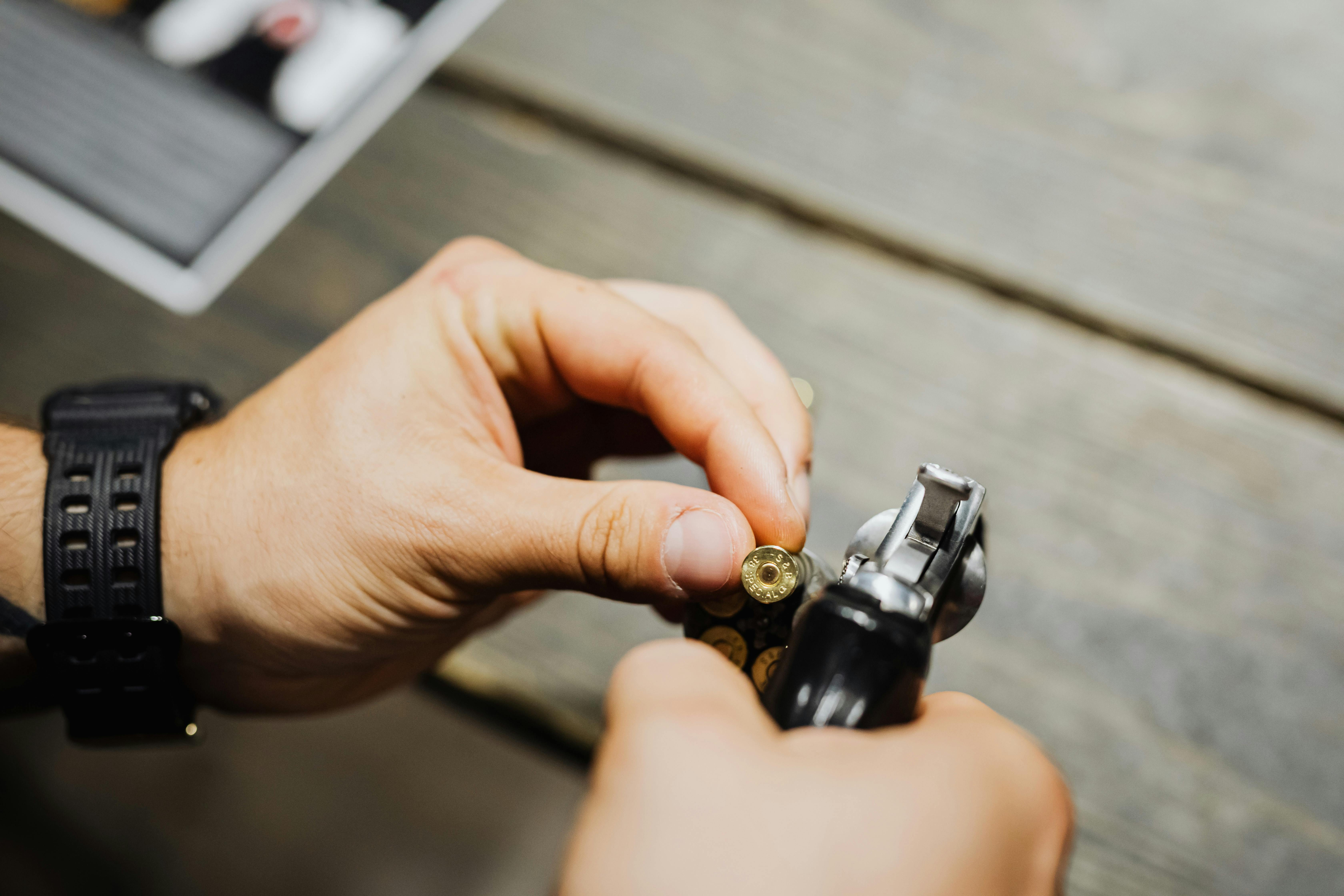
At the top end, revolver pricing can drift so far from practical performance that the purchase becomes more like jewelry than equipment. Korth is the classic example. These revolvers are exquisitely made, mechanically refined, and aimed at buyers who value exclusivity as much as function.
There is nothing wrong with that market. The problem comes when luxury is confused with proportional value. A revolver that costs several times more than a mainstream .357 does not deliver several times the accuracy, durability, or defensive effectiveness. Past a certain point, extra money buys finer machining, prestige, and rarity, not dramatically better outcomes on the target.
This is not unique to Korth. High-polish finishes, special editions, engraved runs, distributor exclusives, and limited-production variants all push buyers toward the same mistake: assuming expensive means meaningfully superior. Often, what you are really buying is cosmetic distinction plus the emotional satisfaction of owning something few people have.
For a collector with disposable income, that can be perfectly rational. For a general buyer, it rarely is. The law of diminishing returns hits revolvers hard because even a mid-priced wheelgun can already be reliable, accurate, and durable enough for decades of use. Once that baseline is met, every extra dollar works much harder to prove itself.
Small-frame carry revolvers often charge a premium for inconvenience.

One of the strangest pricing patterns in the handgun market is how often small revolvers cost more while giving you less shootability. Snub-nose guns are compact and easy to carry, but they are harder to shoot well, harsher in recoil, and usually hold only five or six rounds.
Yet buyers routinely pay premium prices for them. That is especially true when the gun comes with upscale branding, attractive grip panels, or the promise of concealed-carry elegance. Kimber’s K6s line helped revive the idea of the premium snub, with some models around the $989 mark even years ago, and the broader market has followed that same logic.
The issue is not that compact revolvers are useless. It is that many of them are sold as refined defensive tools when their actual user experience is demanding and unforgiving. Lightweight frames amplify recoil, short sight radii punish mistakes, and double-action triggers remain a real skill barrier for casual owners.
That means a buyer can spend a lot of money for a revolver that is objectively more difficult to master than a less expensive, larger model. In value terms, that is a bad trade unless deep concealment is your absolute priority. Too often, people are paying extra for portability while underestimating the performance penalty that comes with it.
Collector hype can turn decent revolvers into bad buys
Collectors and shooters do not always shop by the same logic. A collector may happily pay a huge premium for originality, rare markings, box papers, a specific production year, or a limited run tied to a famous model family. None of that is irrational within the collector world.
It becomes a problem when ordinary buyers absorb collector pricing without collector goals. GunBroker’s 2025 reports are a good reminder of how wild that can get. Museum-grade Python sets, rare BOA models, and niche Colt variants brought prices that had everything to do with scarcity and almost nothing to do with ordinary shooting value.
That effect trickles down fast. Sellers see five-figure auction headlines and start attaching premium tags to far more common revolvers. Buyers then convince themselves that paying extra is “safe” because the gun might appreciate. Sometimes it does. Often, it just becomes an expensive object that is too valuable to shoot freely and not rare enough to transform into a true collectible.
If you are buying to shoot, collector heat is usually your enemy. It inflates prices, distorts judgment, and encourages people to overlook better tools. A revolver that spends its life in a safe because you overpaid for future upside is, for most people, worth less than a cheaper gun that actually gets used.
How to tell when a revolver is asking too much

The simplest test is to compare the revolver to two or three realistic alternatives. If a model costs 40% to 100% more, ask whether it gives you measurable gains in trigger quality, durability, sights, finish, warranty support, resale stability, or intended-role performance.
Then separate emotional value from functional value. Nostalgia matters. Beauty matters. Pride of ownership matters. But those are personal luxuries, not universal proof that the gun is worth the asking price. Be honest about whether you are buying a working revolver, a collectible, or a status object.
It also helps to watch incentives and market softness. Colt, for example, ran a 2024 rebate promotion that included $100 back on Python and Anaconda purchases. That does not mean the guns are poor. It does suggest manufacturers understand price resistance exists, even on iconic names. When discounts appear on supposedly untouchable premium revolvers, the market is telling you something.
The smartest revolver buyers are not the ones who spend the most. They are the ones who understand exactly what they are paying for. If the answer is mostly mystique, polish, or hype, the revolver may be costing too much for its worth, no matter how good it looks in the display case.
Custom footer at the end of the article.