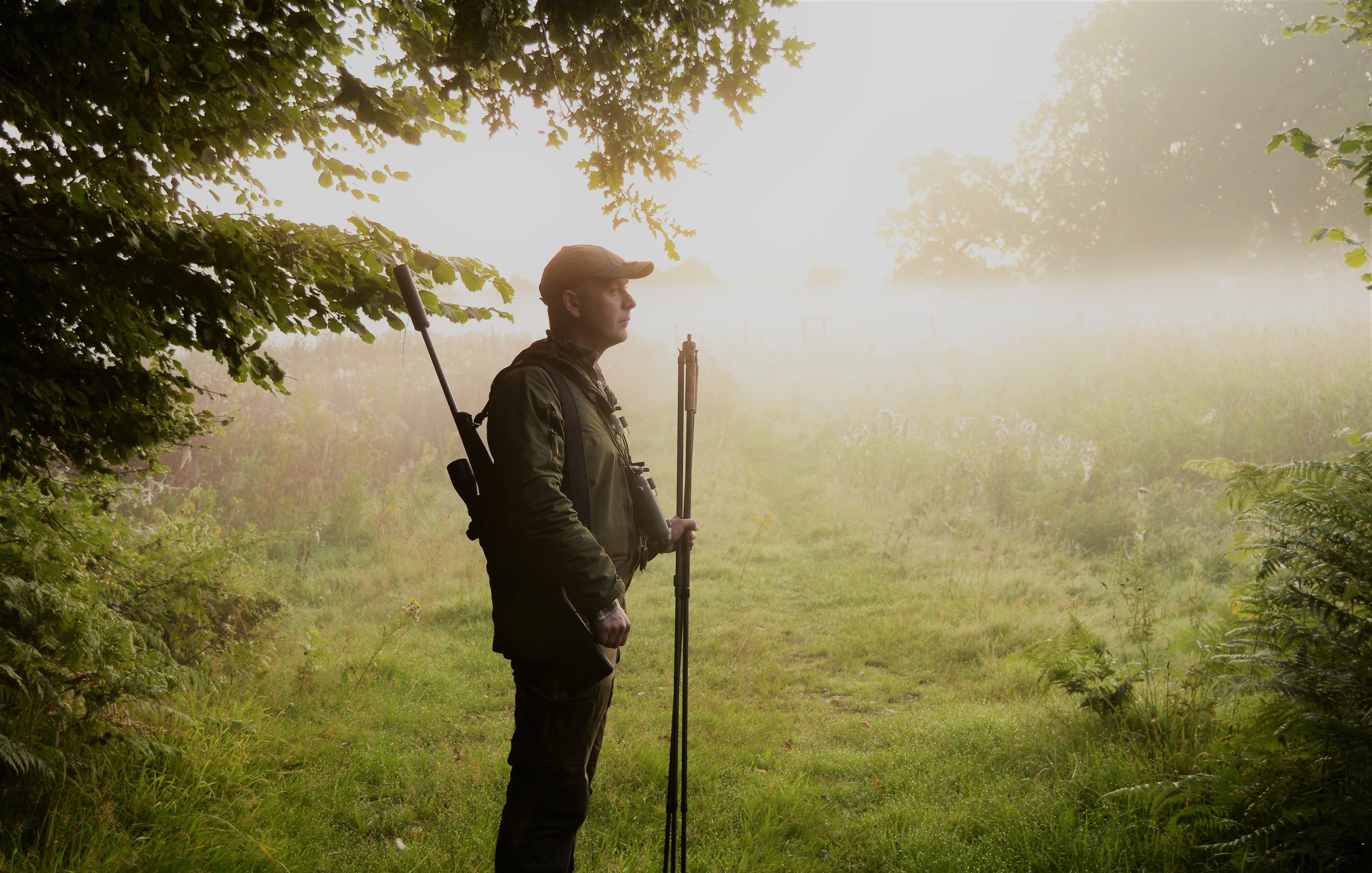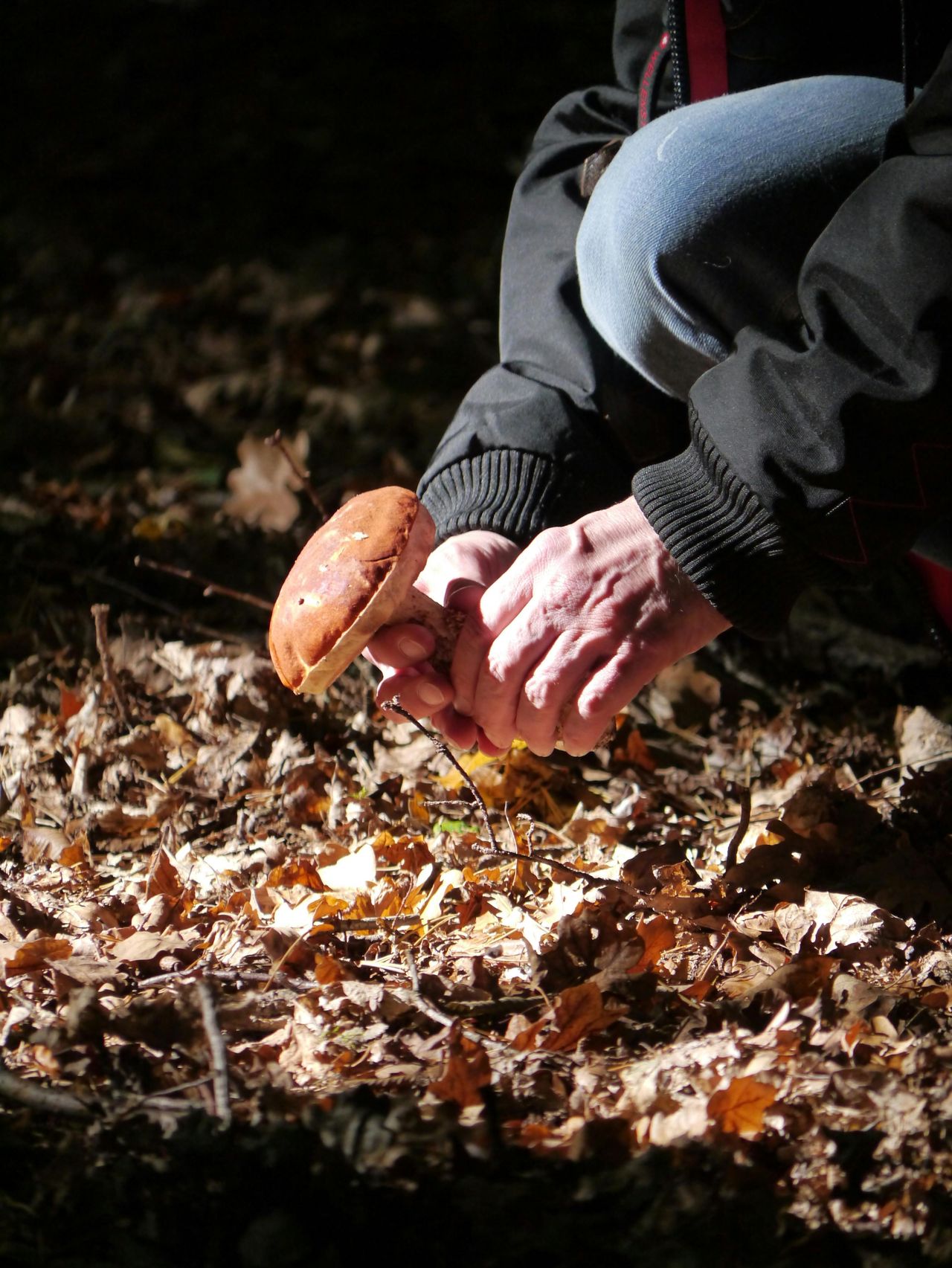
Foraging has a rugged, back-to-nature appeal, but one wrong decision can have serious consequences fast. Even seasoned hikers have landed in the emergency room after misidentifying a plant, handling a toxic species carelessly, or trusting old folklore over science. These are the mistakes that turn confidence into crisis, and the lessons every trail-goer should take seriously.
Mistaking Toxic Look-Alikes for Edible Plants
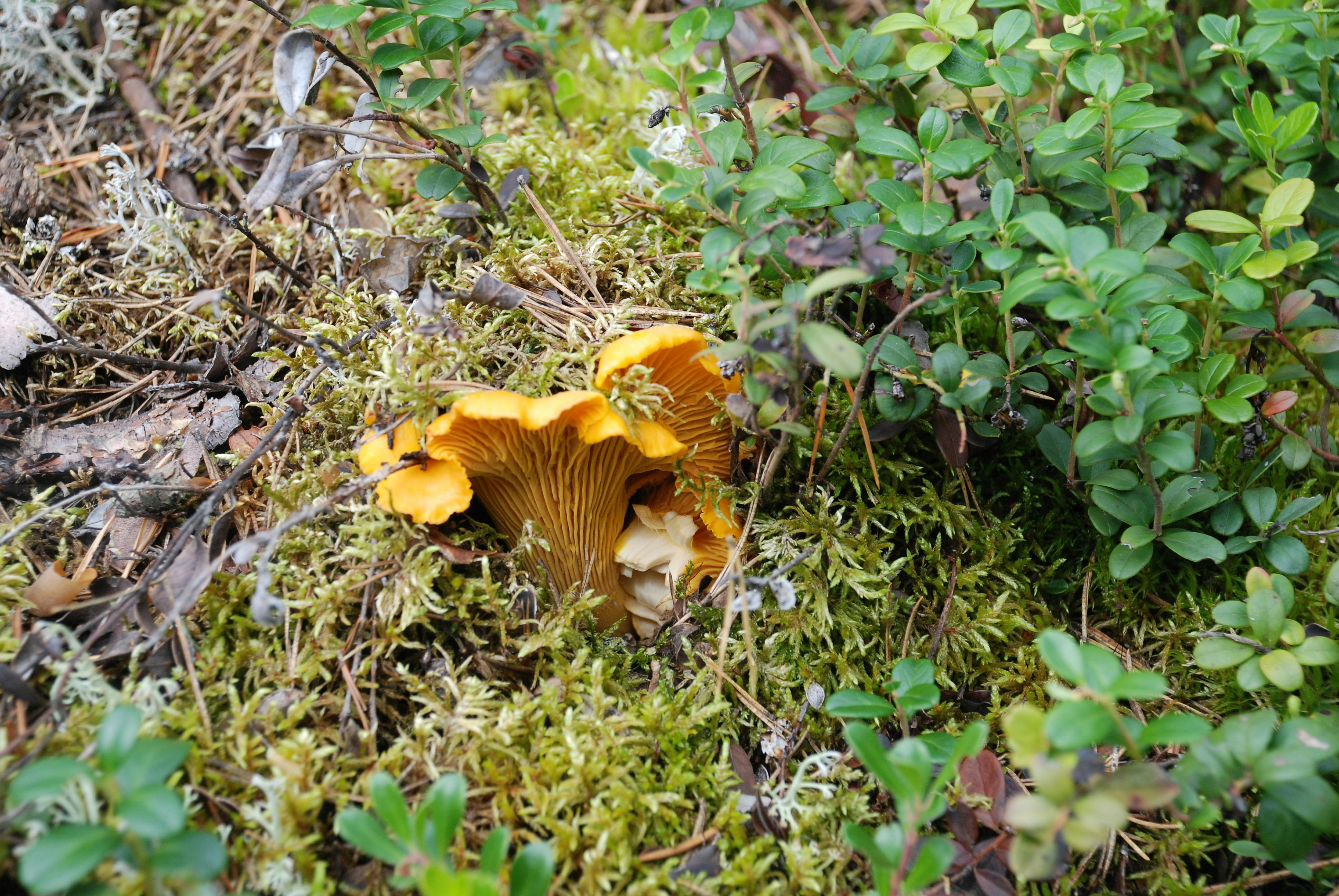
Plenty of dangerous plants look harmless, and that is exactly why they cause so many emergencies. Wild carrots can be confused with poison hemlock, edible berries can resemble toxic varieties, and edible mushrooms often have deadly twins that fool even confident outdoors people.
The trouble starts when hikers rely on memory instead of multiple identifying features. Leaf shape, stem texture, smell, growing pattern, and season all matter. A single visual match is never enough.
In the emergency room, these mistakes can show up as vomiting, seizures, organ damage, or sudden breathing trouble. Experience helps, but overconfidence is often what closes the gap between a close call and a medical crisis.
Trusting a Phone App Over Expert Identification
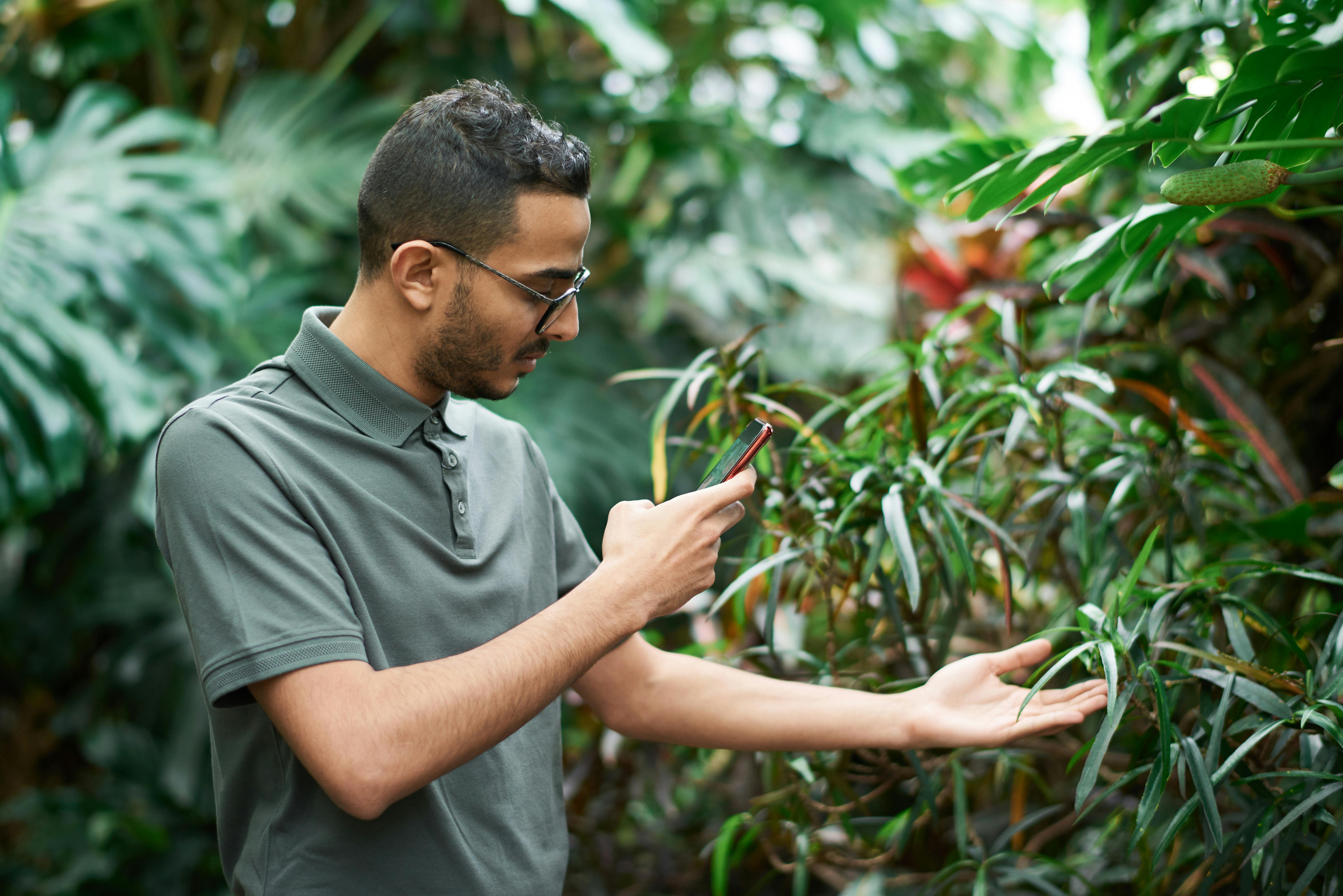
Plant identification apps can be useful, but they are not field guides with medical accountability. Lighting, angle, plant age, and regional variation can all lead an app to deliver a confident answer that is completely wrong.
That false certainty is what makes this mistake so dangerous. Hikers may see an 85 percent match and decide that is good enough for a snack, tea, or trail-side nibble.
Poisonings tied to bad identifications often happen because technology feels authoritative. In reality, the safest foragers use apps as a starting point, then confirm with reliable books, local experts, or trained mycologists before anything goes near their mouth.
Eating Wild Mushrooms Without Absolute Certainty
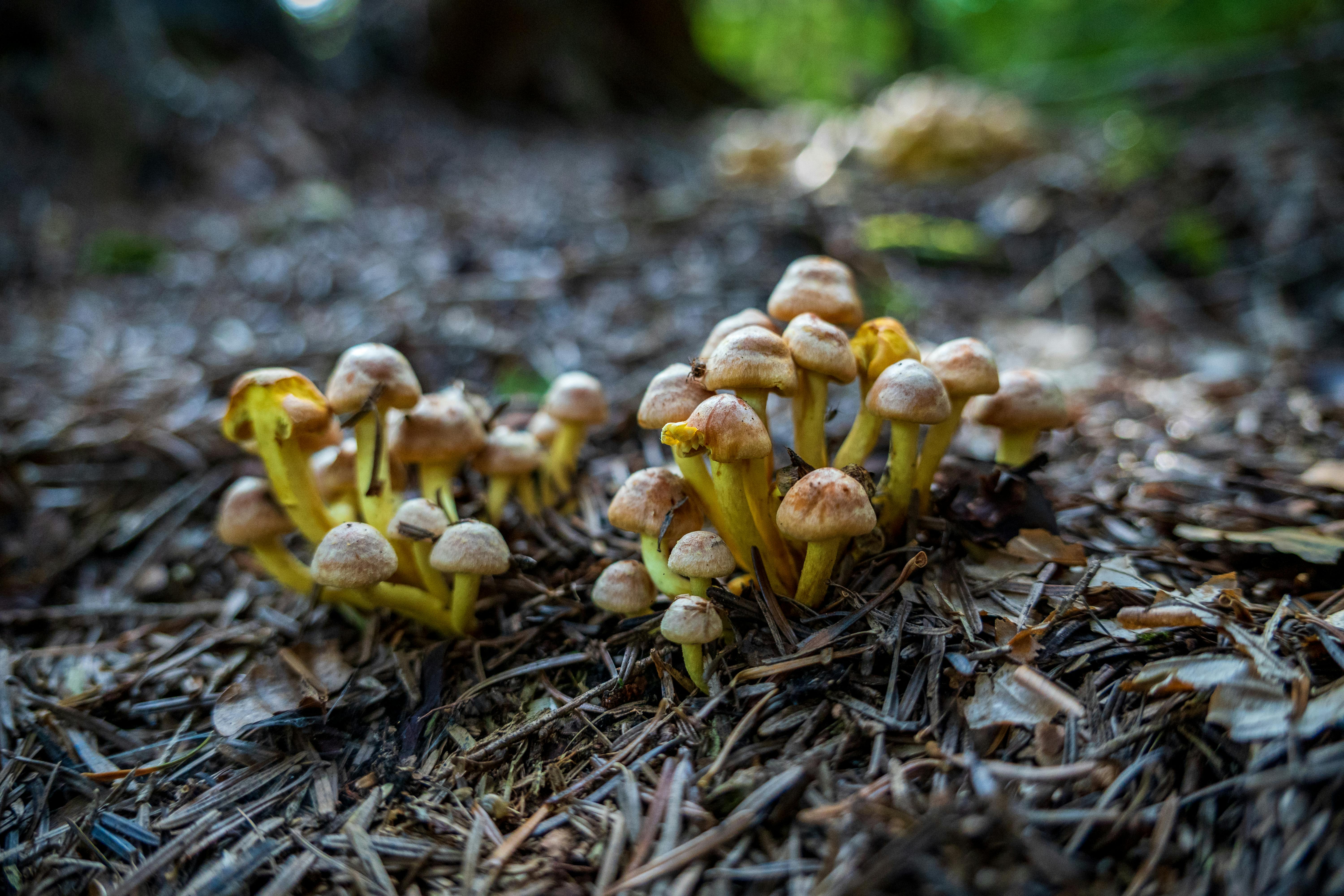
Mushrooms are responsible for some of the most frightening foraging emergencies because the margin for error is so small. Some toxic species look nearly identical to prized edible mushrooms, and symptoms may not appear until major damage is already underway.
That delay is especially cruel. A hiker can feel fine for hours, assume everything is safe, then suddenly develop severe nausea, diarrhea, confusion, or signs of liver failure.
Experienced foragers know that mushroom identification demands specialized knowledge, not guesswork. Spore prints, habitat, cap structure, gills, bruising, and season all matter. If there is any uncertainty at all, the safest mushroom is the one left untouched in the woods.
Sampling a Plant Before Full Identification
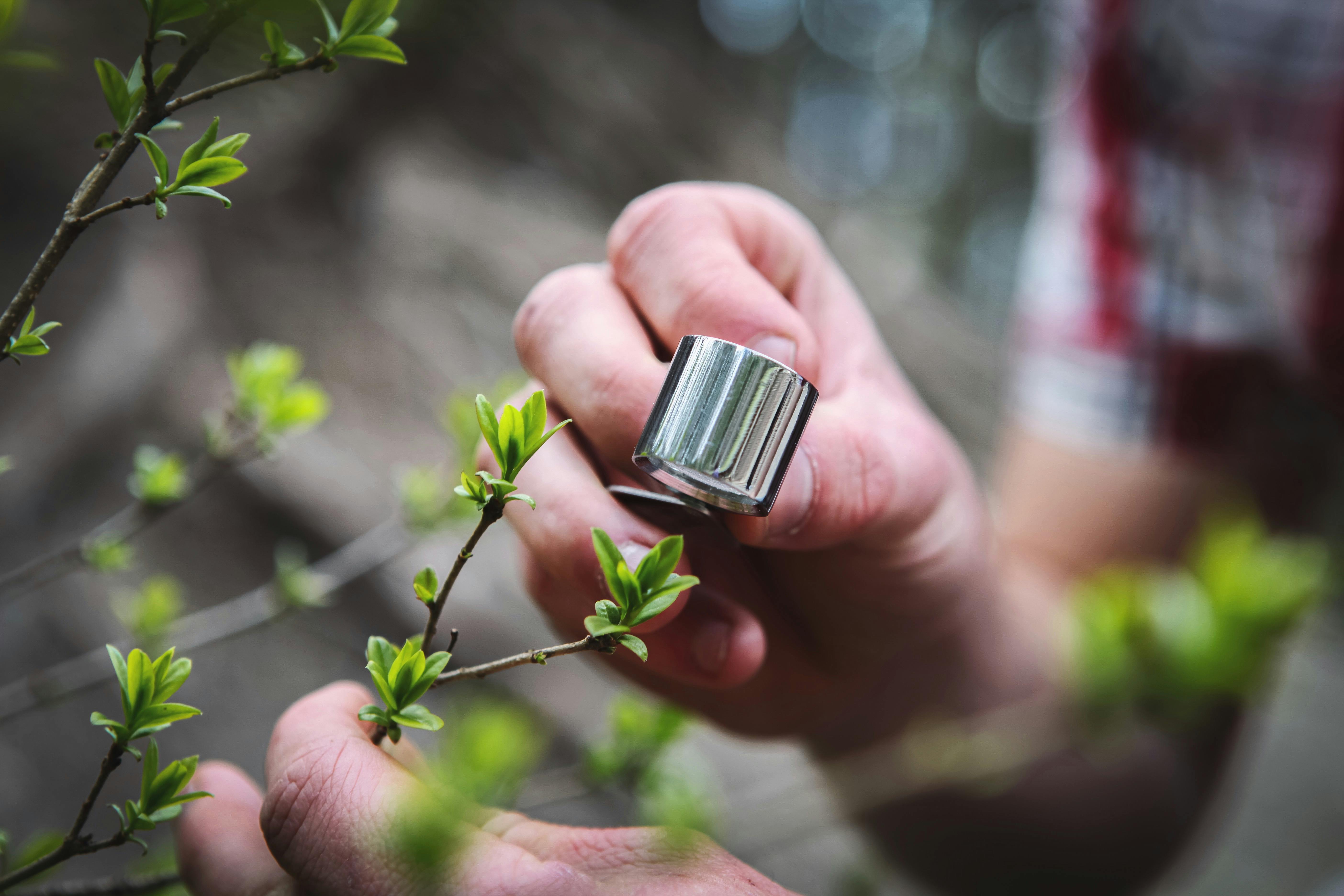
One of the oldest bad habits in foraging is the tiny taste test. People assume that a small nibble cannot do much harm, but some plants contain potent toxins that can trigger serious symptoms even in small amounts.
This mistake often comes from impatience. A leaf looks familiar, the scent seems right, and curiosity takes over before the plant is fully identified from root to flower.
Emergency physicians see the result when that quick taste leads to burning in the mouth, vomiting, dizziness, heart irregularities, or worse. The rule that protects people best is simple: if you cannot identify it with confidence before tasting it, do not taste it at all.
Assuming Cooking Will Neutralize Every Toxin

A lot of hikers believe heat fixes everything. It does not. While proper preparation can make some wild foods safer, many plant and mushroom toxins survive boiling, sauteing, drying, or roasting with no trouble at all.
That myth is especially dangerous because it sounds sensible. If raw beans need cooking, people figure a suspicious mushroom or bitter green just needs more time over the fire.
In reality, some of the compounds that send people to the hospital are heat-stable and remain fully toxic after cooking. A skillet is not a safety device. Good identification comes first, and no recipe can rescue a plant that was dangerous from the start.
Foraging Near Roadsides and Polluted Areas
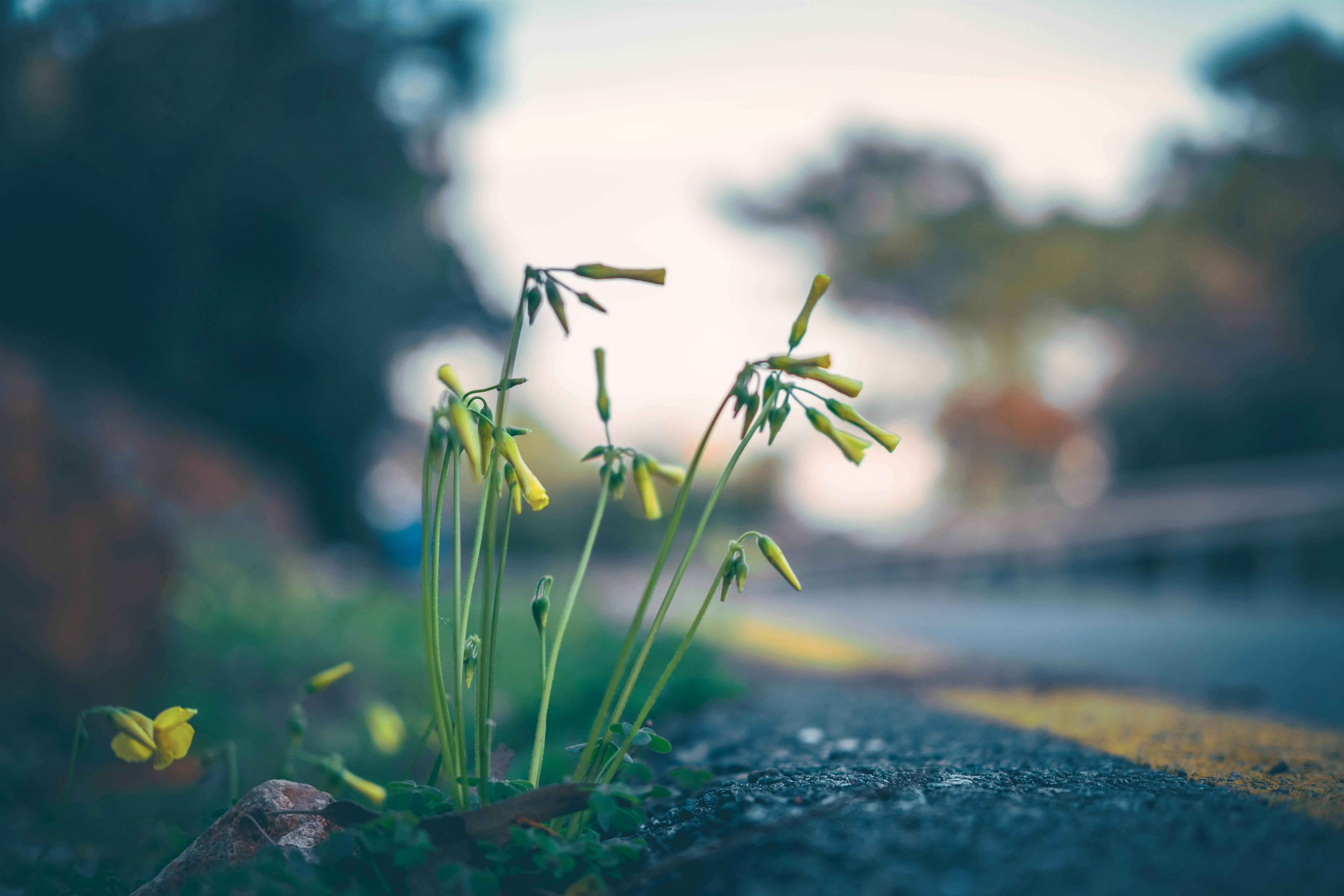
A plant can be perfectly edible and still make someone sick if it was gathered in the wrong place. Roadsides, industrial edges, rail corridors, treated lawns, and drainage areas can expose wild foods to pesticides, heavy metals, fuel residue, and other contaminants.
This is where experience sometimes backfires. A hiker may correctly identify the species and stop thinking about the environment it grew in.
The body does not care whether the danger came from the plant itself or what the plant absorbed from the soil and air. Nausea, neurological symptoms, and toxic exposure can all follow. Safe foraging means knowing the habitat as well as the harvest.
Ignoring Allergic Reactions to New Wild Foods
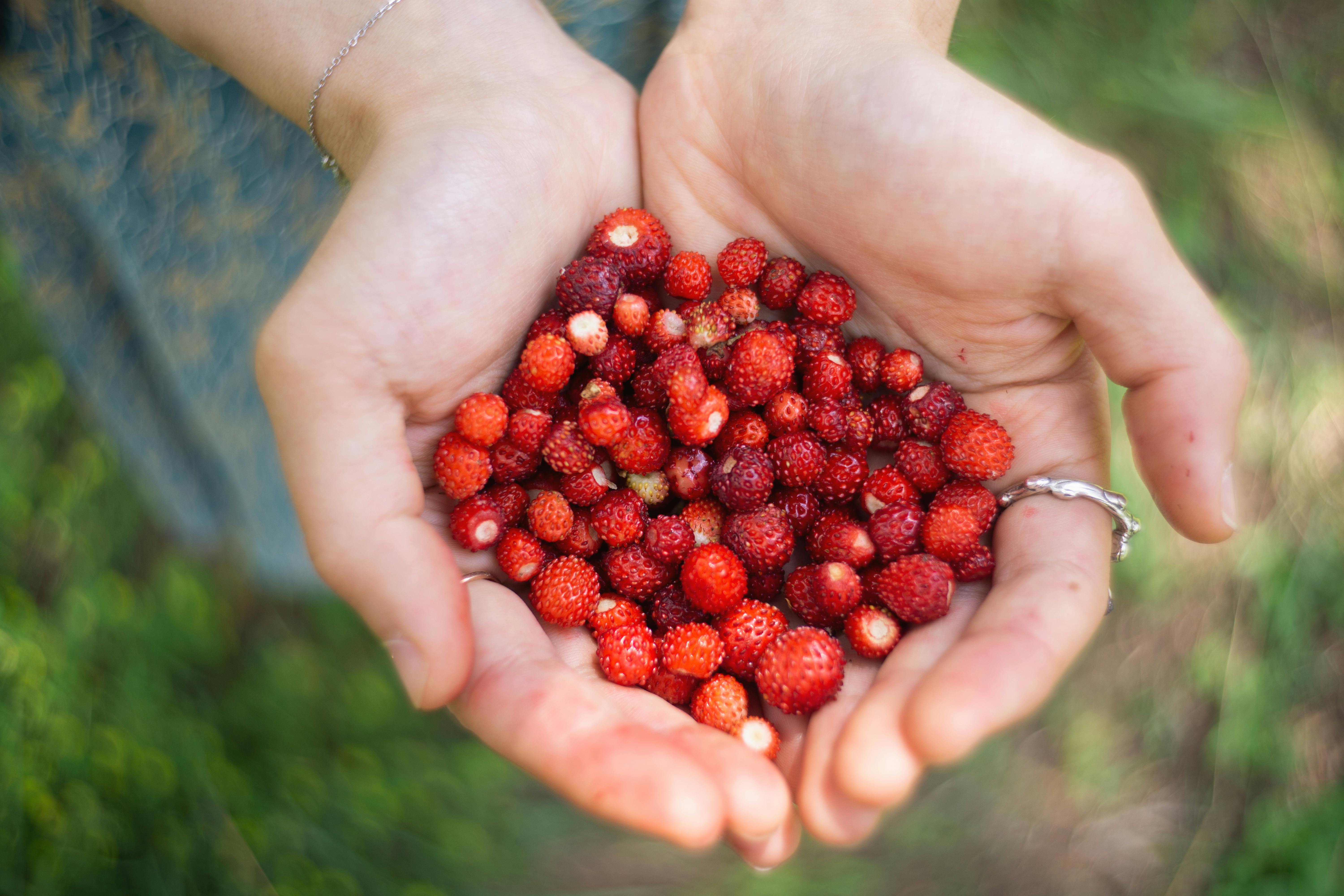
Even correctly identified wild foods can cause trouble when the body meets them for the first time. Just because something is edible does not mean every person will tolerate it well, especially if they have sensitivities to pollen, latex-related foods, or certain plant families.
Many hikers make the mistake of eating a full portion instead of trying a very small amount first. On the trail, that can turn into hives, swelling, vomiting, wheezing, or a rapid drop in blood pressure.
An allergic reaction does not care how experienced the forager is. Introducing unfamiliar plants slowly and paying attention to personal medical history can prevent a wild snack from becoming a frightening race to emergency care.
Handling Irritating or Toxic Plants Bare-Handed

Not every foraging injury starts with eating. Some plants can irritate the skin, trigger blistering, or leave chemical compounds behind that become much worse with sun exposure. Wild parsnip, giant hogweed, and stinging nettle are familiar examples with very different ways of causing pain.
The problem often begins with casual handling. Hikers pull, snap, or bundle plants without gloves because they assume danger only matters at the dinner stage.
Emergency treatment may be needed for severe rashes, eye exposure, or burns that intensify over hours. Good plant hygiene matters in the field. Gloves, careful handwashing, and keeping hands away from the face can prevent a painful mistake from escalating fast.
Believing Folk Rules and Foraging Myths

Outdoor folklore is full of confident claims that sound helpful and turn out to be dangerous. Myths like animals eat it so it must be safe, bitter plants are poisonous, or silver spoons darken in toxic pots have misled people for generations.
These shortcuts are appealing because they reduce a complex skill to a simple rule. The problem is that nature does not follow campfire logic.
Animals can tolerate compounds that humans cannot, and poisonous plants do not arrive with tidy warning signs. When hikers swap verified knowledge for handed-down tricks, they gamble with chemistry they do not control. In emergency medicine, bad folklore has a way of showing up as very real poisoning.
Mixing Wild Finds Into a Meal Without Tracking Them
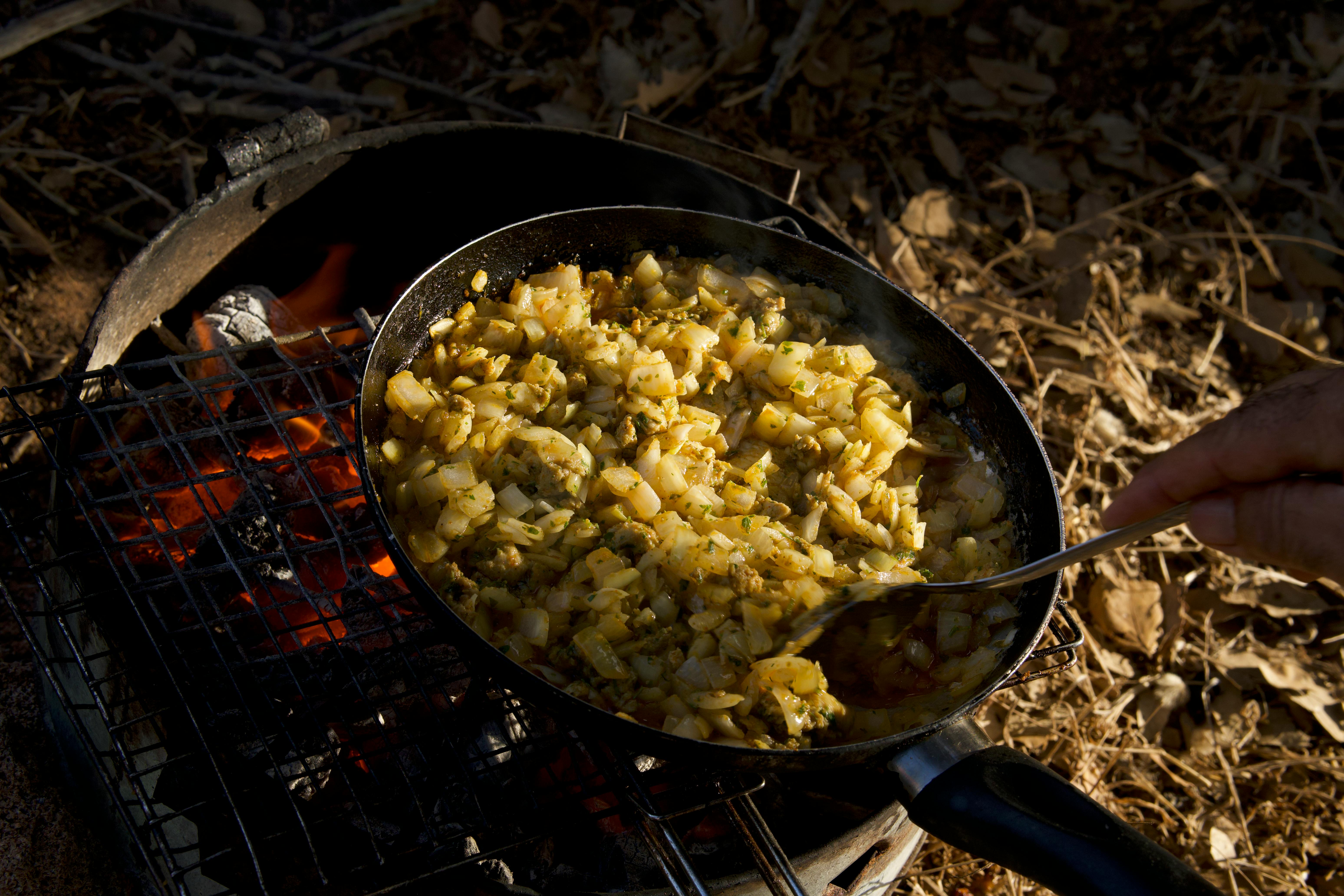
It is easy to toss a handful of leaves, berries, or mushrooms into one trail meal and forget exactly what went in. That becomes a major problem if someone gets sick and doctors need to know what was eaten.
Without a clear record, treatment gets harder. Medical teams and poison control specialists often depend on timing, species, preparation method, and quantity to assess the risk.
Experienced foragers sometimes get casual because the haul looks familiar overall. But blending multiple species together can hide the one dangerous ingredient. Keeping samples separate, taking photos, and saving leftovers may feel tedious in the moment, yet it can be crucial if symptoms begin later.
Eating Too Much of a Safe Plant at Once
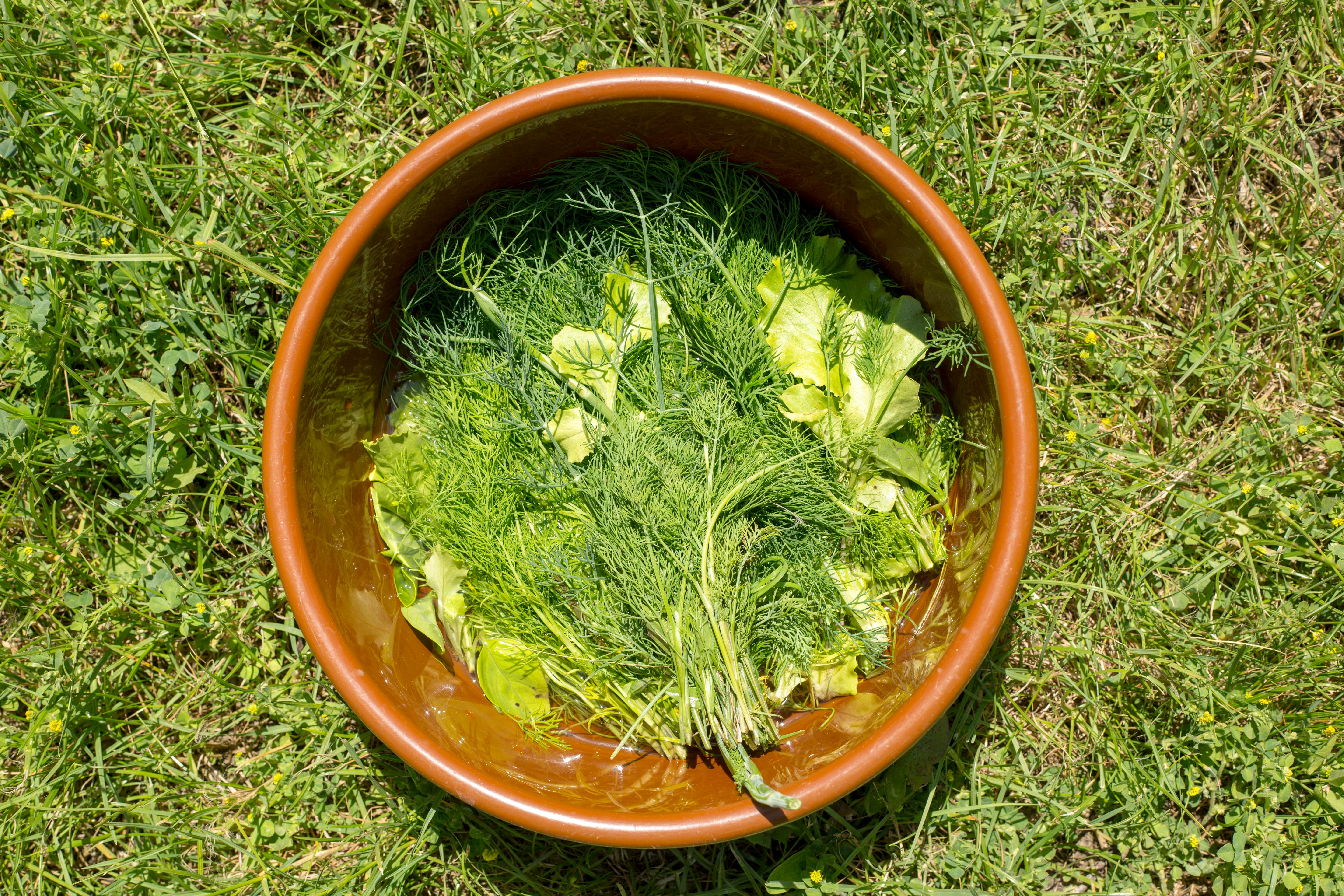
Edible does not always mean harmless in unlimited amounts. Some wild foods are tough to digest, contain natural compounds that irritate the stomach, or require moderation because of oxalates, alkaloids, or other substances that add up quickly.
A hungry hiker may find one safe plant and load up on it, thinking the danger has passed once identification is confirmed. That is where trouble begins.
Cramping, diarrhea, nausea, and dehydration can follow, especially on hot or strenuous hikes where the body is already under stress. Safe foraging is not only about what you eat. It is also about how much, how often, and whether your body is in any shape to handle it.
Waiting Too Long to Seek Medical Help
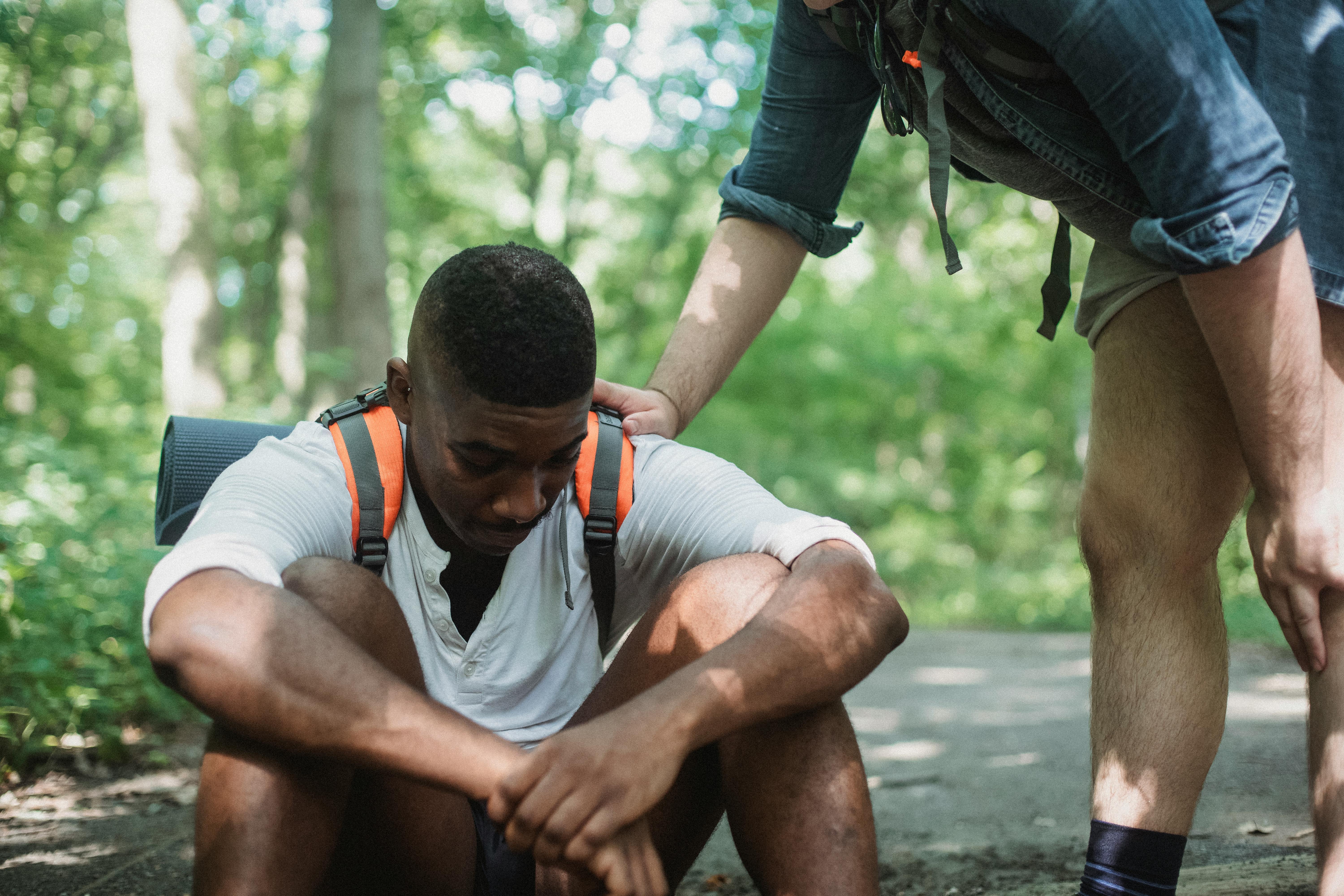
One of the most dangerous mistakes happens after the foraging error itself. People often wait, hoping symptoms will pass, especially if they only ate a small amount or feel embarrassed that they may have misidentified something.
That delay can be disastrous. Some toxins cause a calm window before severe vomiting, neurological symptoms, organ damage, or cardiac problems suddenly appear.
Doctors and poison specialists can do much more when they are contacted early. Bringing a sample, taking pictures, and noting when symptoms began can speed treatment. When wild food is involved, it is safer to overreact than to tough it out. Pride has sent plenty of experienced hikers straight to the emergency room.
![Marines prepare for Okinawa [Image 4 of 5]](https://pub-b56d3d46034c4a2495fa075c4af501a4.r2.dev/2026/03/P6FG9spM-openverse-4df91c8e-d919-4dee-a194-8478932c302d.jpg "taiki-ishikawa-w6EMxsk8CDA-unsplash")