The 2000s were packed with pistols that felt impossible to ignore. Some were police trade-in favorites, some were hot new polymer experiments, and others rode a wave of magazine hype before quietly slipping out of the spotlight. This gallery revisits 13 handguns that once seemed to be everywhere, then gradually vanished from mainstream conversation.
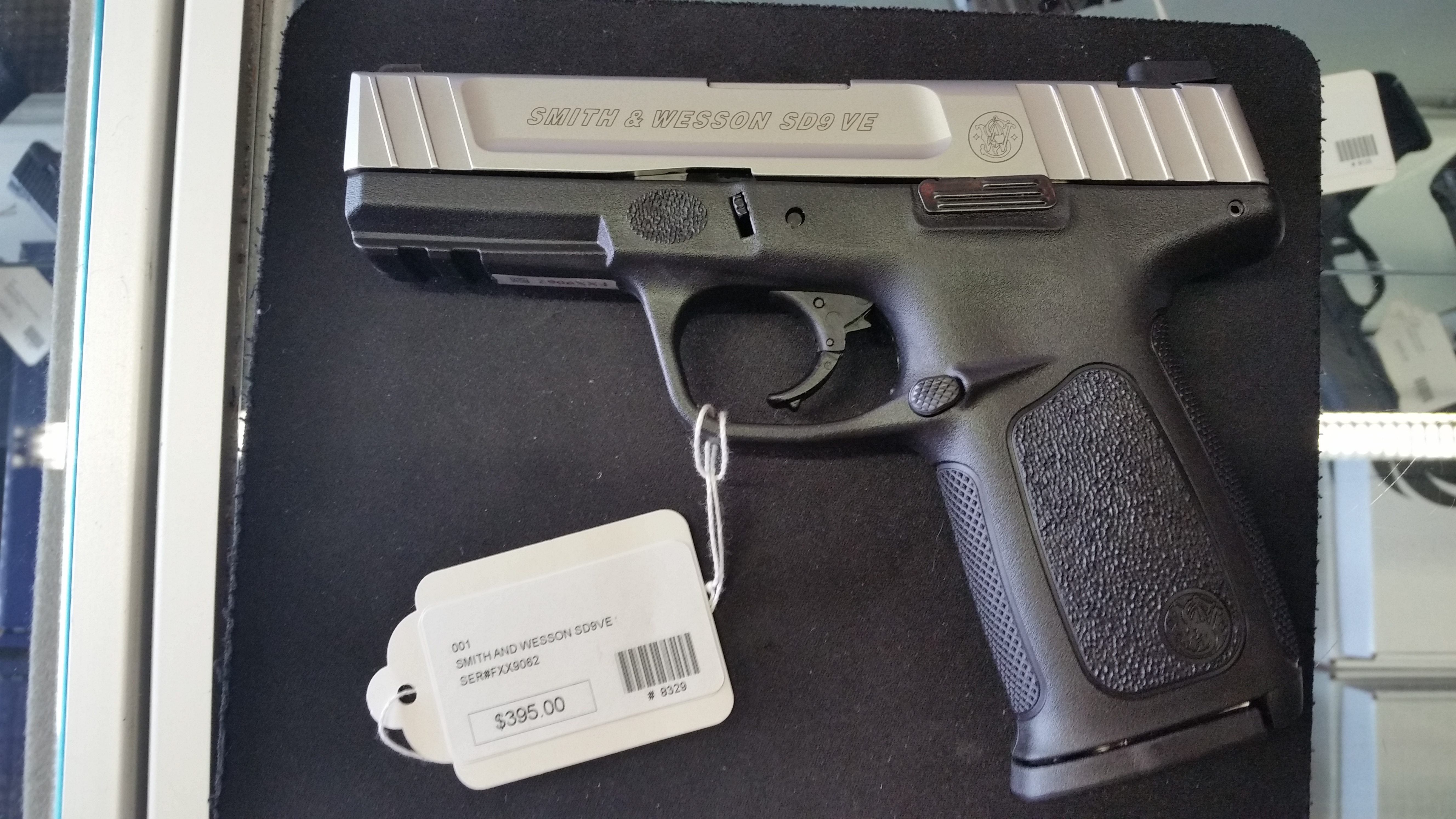
Smith & Wesson Sigma
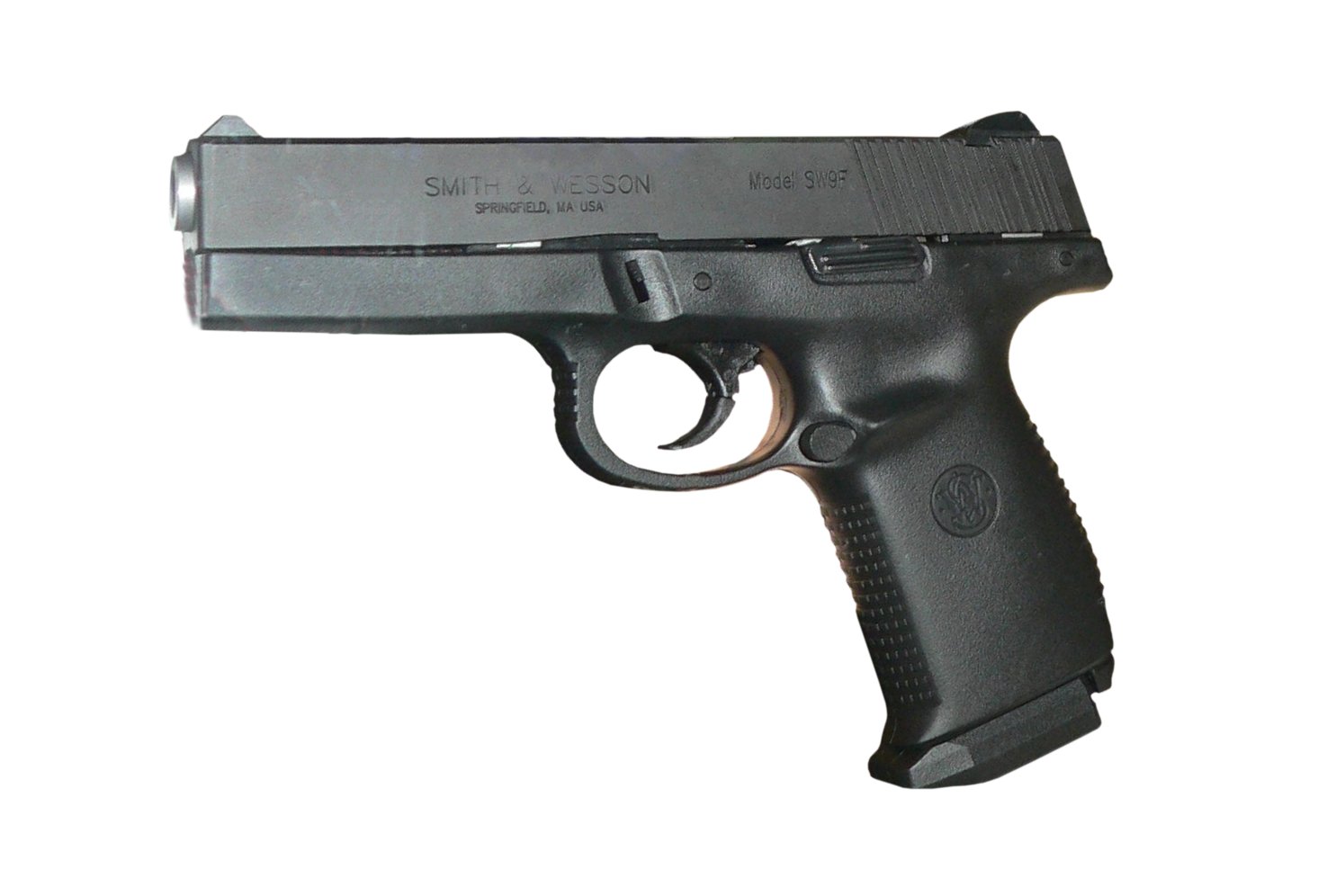
For a while, the Sigma was hard to miss. It showed up in gun stores as an affordable polymer pistol at a moment when buyers wanted the Glock look and feel without paying Glock prices. In the 2000s, that recipe gave it real visibility.
Its reputation, though, never fully matched its reach. Shooters often complained about the heavy trigger, and that became the detail people remembered most. Smith & Wesson eventually moved on to the SD line and then the M&P family, leaving the Sigma looking like a transitional step that got left behind.
Today, it survives mostly as a used-counter curiosity and a reminder of how crowded the polymer race became.
Springfield Armory XD Sub-Compact

In the concealed-carry boom of the 2000s, the XD Sub-Compact arrived at exactly the right time. It offered chunky reliability, a grip safety that gave some buyers peace of mind, and a shape that felt modern without being too radical. For many first-time buyers, it was a serious contender.
Then the market kept moving. Slimmer single-stack pistols and later micro-compacts made the XD Sub-Compact feel thick for the amount of ammunition it carried. Springfield kept evolving the lineup, but this particular version lost the spotlight as carry preferences shifted.
What once seemed perfectly sized for everyday carry now feels very much of its era.
Ruger P95
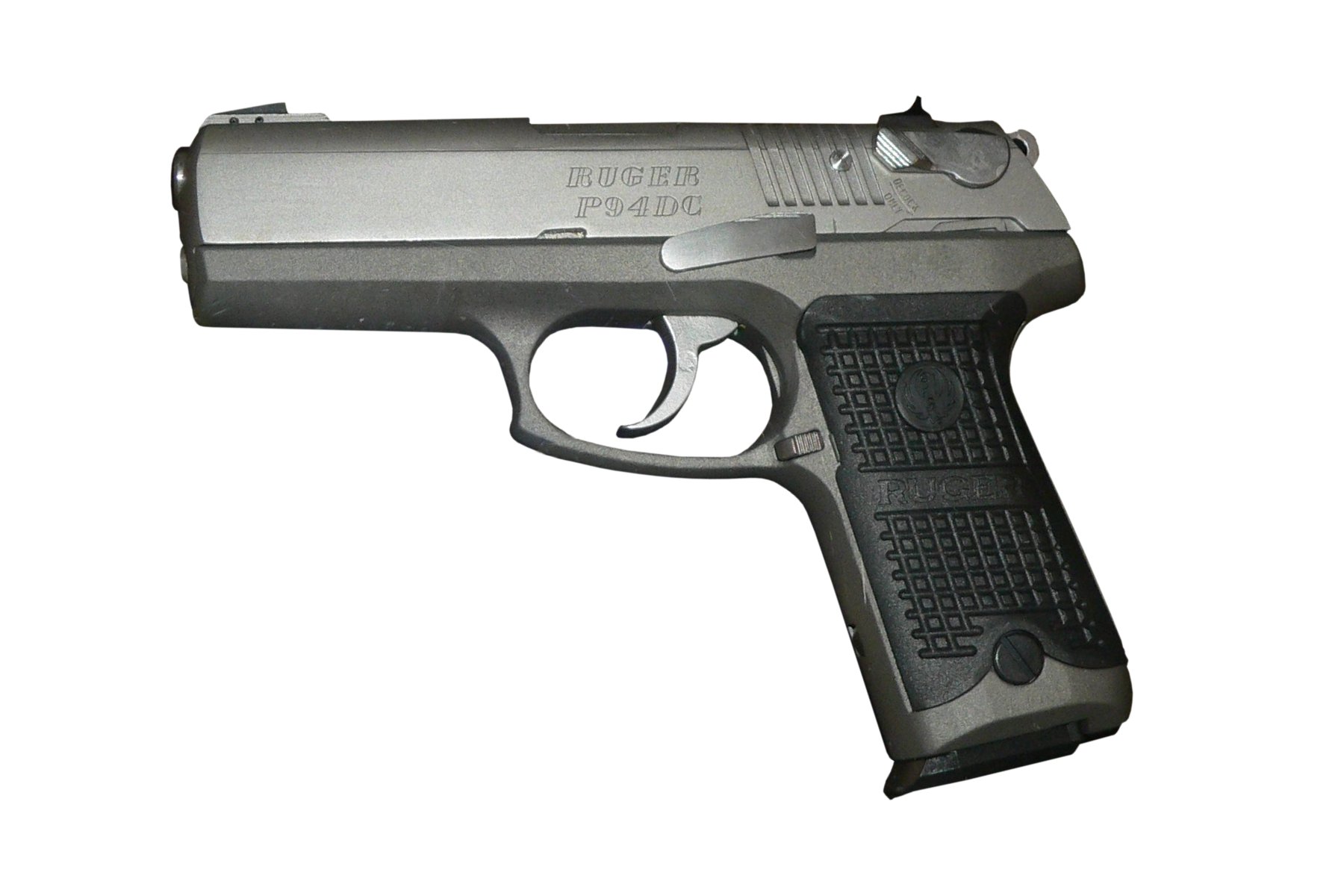
The Ruger P95 was the kind of pistol people bought because it seemed practically indestructible. It was affordable, rugged, and deeply familiar at gun counters throughout the 2000s. If someone wanted a no-nonsense 9mm that did not feel precious, this was often the answer.
Its bulk became its biggest problem once the market started favoring slimmer, more refined designs. The P95 was dependable, but it was never elegant, and newer polymer pistols offered lighter weight and better ergonomics. That made the old Ruger look more dated with every passing year.
Now it is remembered fondly, but mostly as a tank from another chapter of handgun design.
Walther P99
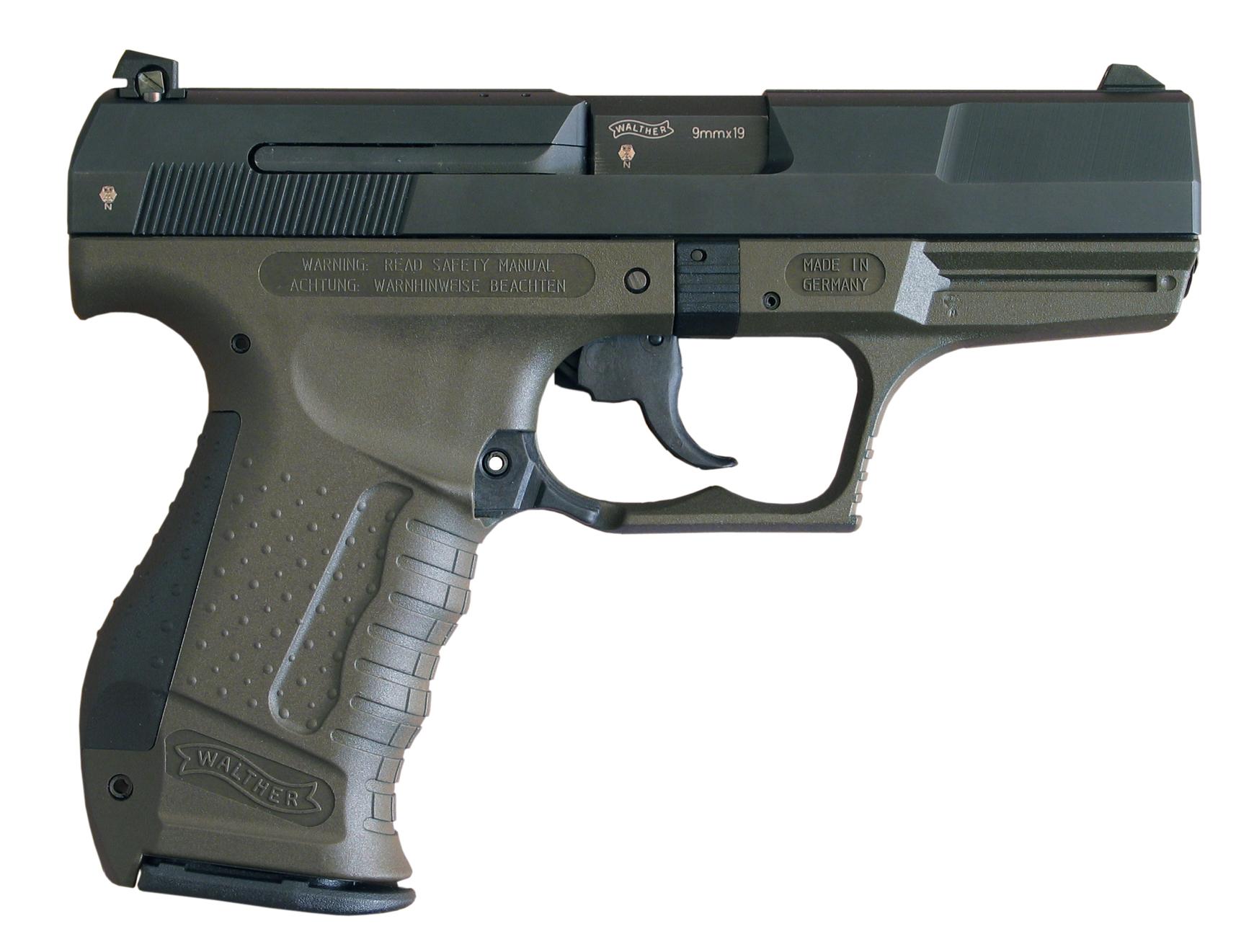
The Walther P99 had real star power in the 2000s. It looked futuristic, offered interchangeable backstraps before that became standard, and blended European styling with striker-fired appeal in a way that turned heads. It felt advanced, and for a while that mattered a lot.
Even so, broad dominance never quite followed. The trigger variants confused some buyers, and simpler competitors became easier to recommend. As the PPQ and later Walther models arrived, the P99 slowly shifted from current product to cult favorite.
It never truly disappeared among enthusiasts, but its mainstream visibility is a fraction of what it once was.
Beretta PX4 Storm
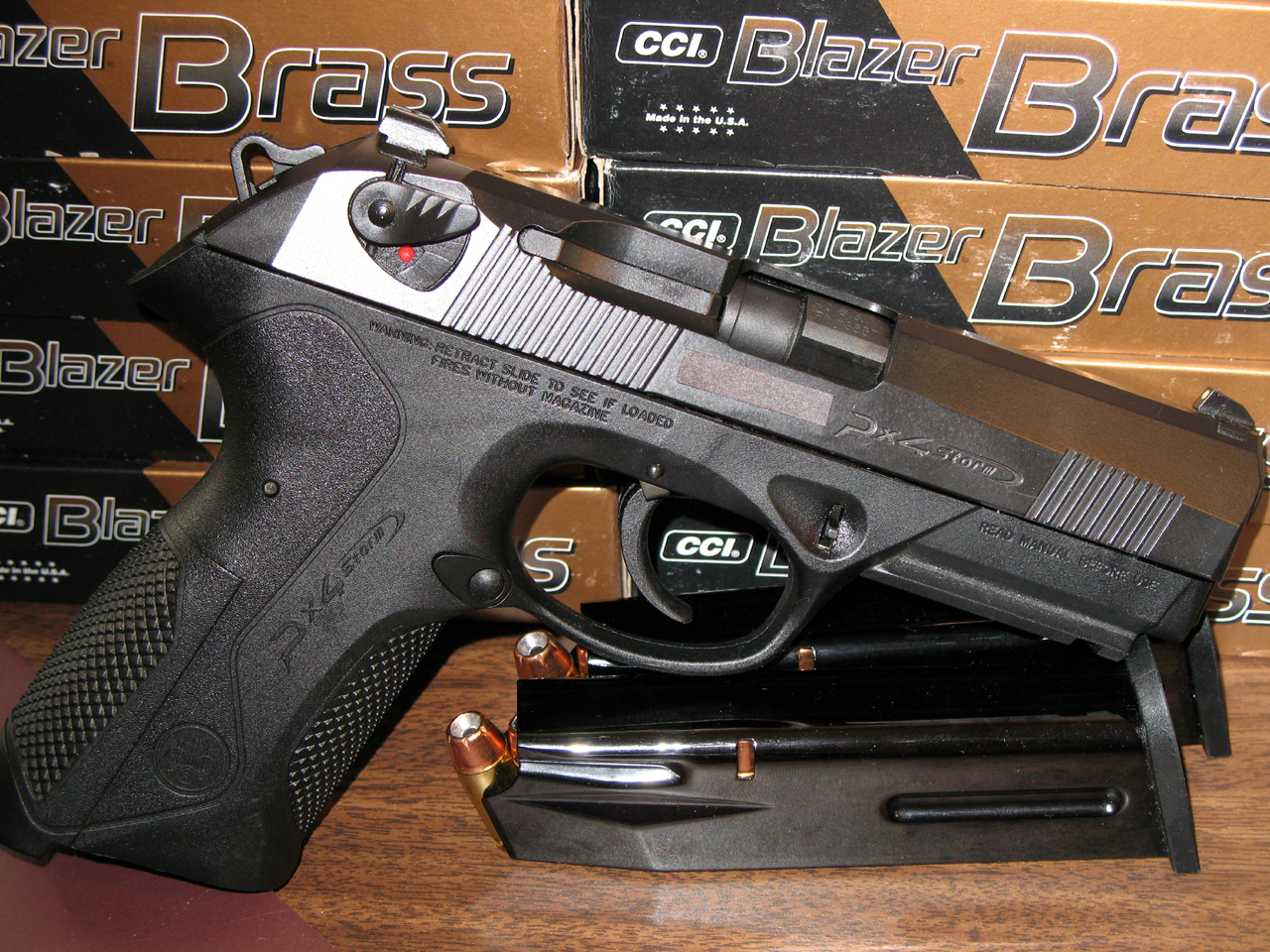
When the PX4 Storm arrived, it looked like the future. Its swooping lines and rotating barrel system made it stand out in a market full of pistols that were beginning to look increasingly similar. In the 2000s, that distinct style helped it earn plenty of attention.
But attention is not the same as lasting dominance. Many buyers still gravitated to simpler striker-fired guns, while the PX4 remained associated with Beretta’s older double-action tradition. It kept loyal fans, especially among shooters who appreciated its soft recoil characteristics, yet it never held onto the broad momentum it briefly enjoyed.
Today, it feels less like a staple and more like a fascinating side road in handgun evolution.
Taurus Millennium Pro

During the 2000s, Taurus was everywhere, and the Millennium Pro line was a huge reason why. These compact pistols promised carry-friendly dimensions at a price that undercut many rivals. For budget-conscious buyers entering the concealed-carry market, they were hard to ignore.
The problem was consistency. Taurus moved a lot of guns, but quality concerns and uneven reputation followed the brand for years. As newer G-series pistols and stronger competitors entered the field, the Millennium Pro stopped feeling like a default affordable choice.
It remains a familiar name to anyone who shopped handgun counters in that era, even if it no longer defines the conversation.
SIG Sauer SP2022

The SP2022 had a surprisingly strong run for a pistol that often felt underrated. It gave buyers a SIG Sauer badge, dependable performance, and a lower price than the classic metal-framed P-series guns. In the 2000s, that combination gave it real shelf presence.
Still, it lived in an awkward middle ground. It was not the iconic duty SIG that traditionalists wanted, and it was not the lightest or simplest polymer option either. As striker-fired pistols tightened their grip on the market, the SP2022 lost some of the practical advantage that once made it stand out.
Now it is more respected than fashionable, which is not the same thing as being everywhere.
FN Five-seven

Few pistols generated as much conversation in the 2000s as the FN Five-seven. It looked unusual, fired an uncommon cartridge, and built an aura that blended military mystique with pop-culture notoriety. Even people who never handled one usually had an opinion about it.
That attention did not translate into everyday ubiquity in the same way as mainstream 9mms, but it was everywhere in gun media and online discussion. High cost, specialized ammunition, and a niche role kept it from becoming a true mass-market staple. Over time, the buzz cooled.
It still turns heads, yet it no longer occupies the oversized place it once held in the public imagination.
Para Ordnance LDA Carry Pistols

Para’s LDA pistols hit a very specific 2000s sweet spot. They offered a 1911 profile with a light double-action style trigger, which sounded like a clever answer for buyers who wanted familiar looks with a different manual of arms. For a while, that made them feel refreshingly inventive.
But clever ideas need staying power, and the market did not keep moving in Para’s direction. As polymer carry pistols became smaller, lighter, and cheaper to maintain, these guns started to feel like solutions to a question fewer buyers were asking. The company’s eventual decline only accelerated that fade.
Today, LDA models feel like artifacts from an experimental period in defensive pistol design.
CZ 100

The CZ 100 looked like a sign that CZ was ready to push hard into the polymer age. Its styling was sleek, distinctly European, and very much in tune with the late-1990s into 2000s appetite for pistols that looked modern and streamlined. It definitely did not blend in.
Unfortunately, the trigger became a sticking point, and that can sink a handgun fast. Buyers who loved CZ’s metal-framed pistols often found the 100 less satisfying, while newcomers had plenty of competing polymer choices. It never developed the kind of loyal following that could carry it forward.
Now it is mostly remembered as an interesting detour rather than a cornerstone of the brand.
Heckler & Koch USP Compact

The USP Compact was one of those pistols that projected authority in the 2000s. It had the rugged HK image, a reputation for durability, and the kind of movie and video game visibility that made it instantly recognizable to a lot of people. It felt serious before you even picked it up.
What changed was the market around it. Buyers began prioritizing slimmer carry guns, simpler controls, and lower prices, none of which played to the USP Compact’s greatest strengths. HK kept evolving, and newer models gradually took over the attention this one once enjoyed.
The pistol remains respected, but it no longer feels like a centerpiece of the handgun conversation.
Smith & Wesson Third Generation Autos
At the start of the 2000s, Smith & Wesson’s Third Generation pistols still had serious presence. Police trade-ins, duty use, and years of established trust kept them visible, especially in shops where metal-framed double-action autos still felt like the standard. They represented the old guard at full strength.
Then the M&P era arrived, and the center of gravity shifted. Polymer frames, lighter carry weight, and simpler training priorities pushed these older pistols out of the mainstream. Their quality was never the issue. They were simply overtaken by a new set of preferences.
Today, they are appreciated by collectors and enthusiasts far more than by the broad buying public.
Magnum Research Baby Eagle
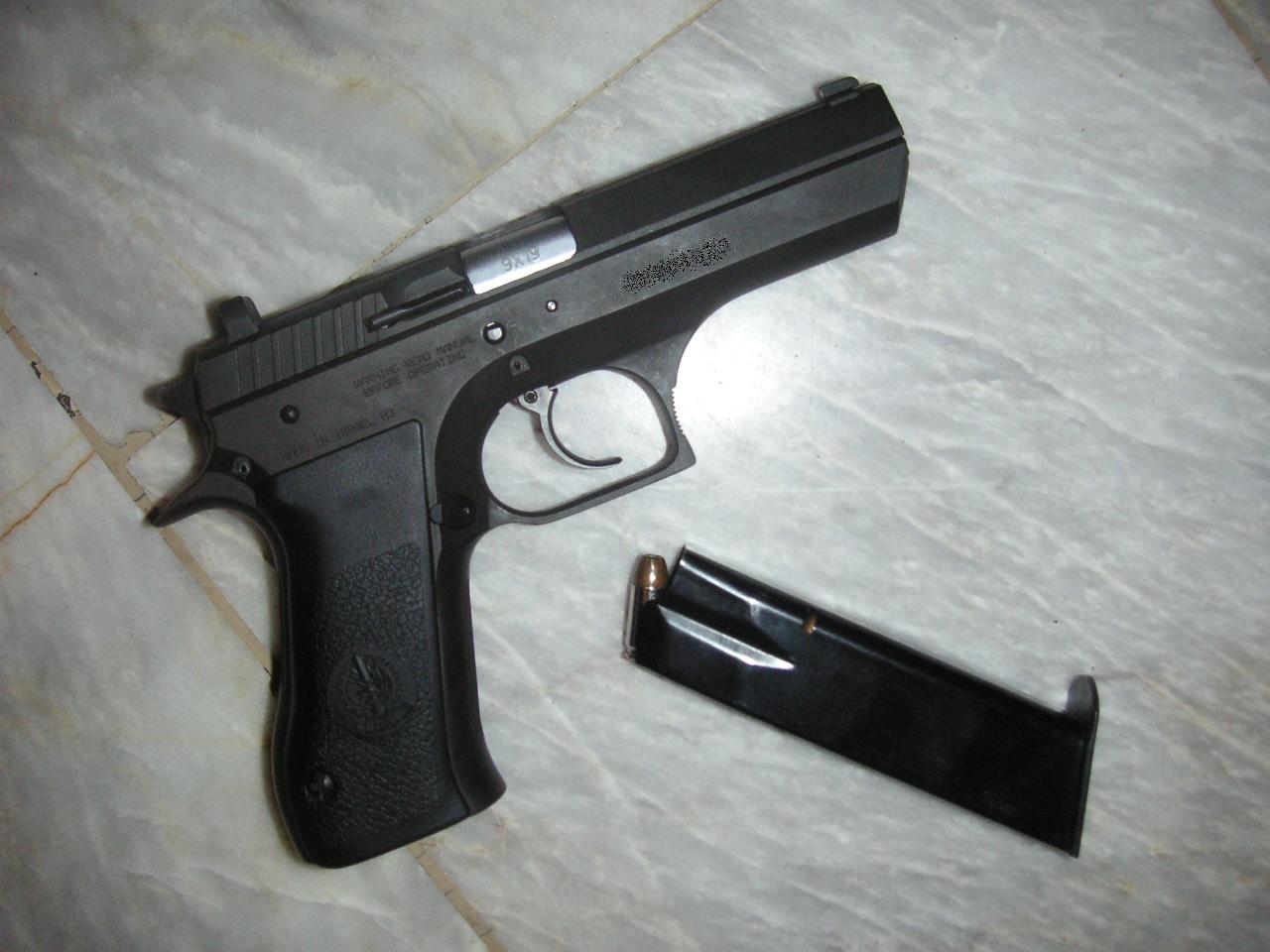
The Baby Eagle had no trouble getting attention in the 2000s. Its Jericho lineage, hefty steel construction, and unmistakable profile gave it a sense of substance that many lighter pistols could not match. For buyers drawn to all-metal handguns, it had real showroom appeal.
But weight and width became harder to overlook as carry culture expanded. The same qualities that made it feel substantial also made it feel less practical for a market increasingly obsessed with comfort, capacity, and all-day concealment. It remained admired, just not widely adopted.
That is why it now feels more like a cult classic than a pistol you saw everywhere.