Carrying a handgun for self-defense involves many trade-offs. One of the most debated issues is whether your defensive firearm should include a manual safety (a lever, switch, or button you must disengage before the gun is ready to fire). Some argue it adds an extra layer of protection against negligent discharge; others say it complicates the draw sequence in a life-threatening moment. The real question is: does a manual safety meaningfully improve real-world defensive readiness, or does it introduce risk by adding a step under stress? The answer depends on your training, equipment, mindset, and carry context.
What a Manual Safety Really Does
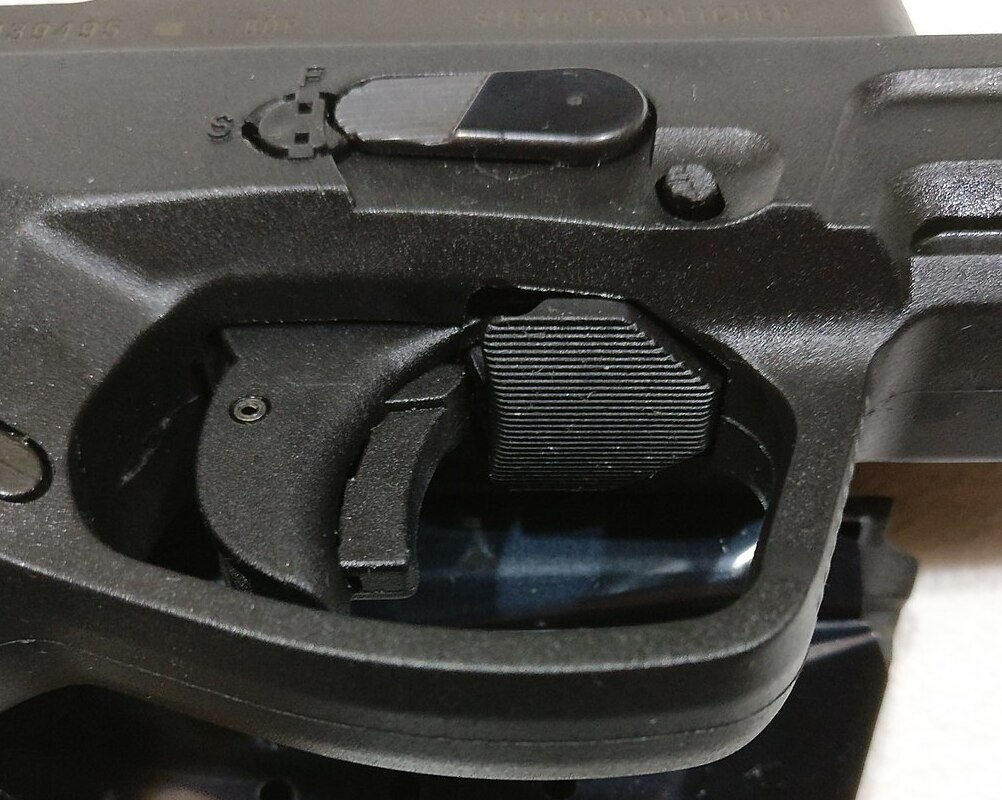
A manual safety is typically a user-operated mechanism that prevents the trigger or firing mechanism from functioning until it’s disengaged. In a defensive context, it’s meant to guard against an unintentional discharge, for instance, during holstering or moving around with a loaded chamber. But it does not replace the foundational rules of firearm safety (finger off the trigger, muzzle awareness, secure holster). In fact, the device only works if you reliably disengage it before firing. That means training, habit, and confidence matter as much as the mechanical device.
Advantages of Carrying a Manual Safety
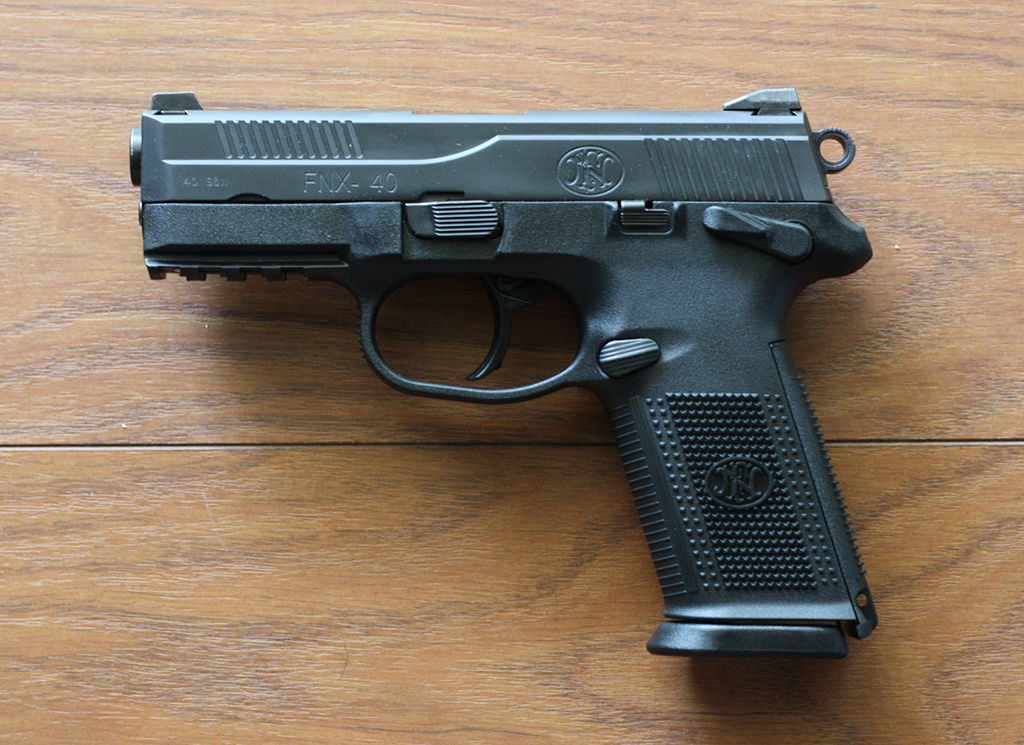
One of the stronger arguments in favor of a manual safety is that it gives you a deliberate pause before firing, essentially a moment for your brain to catch up with the gun. That pause can reduce the risk of firing when not intended or when you haven’t fully assessed the situation. It can also provide peace of mind for some carriers who worry about accidental trigger contact or holstering mishaps. Additionally, if you carry a gun with a very light trigger or minimal internal safeties, the manual safety becomes a more meaningful backup. It’s especially valuable for those newer to carrying or who have less confidence in holster discipline.
Disadvantages & Risks of a Manual Safety
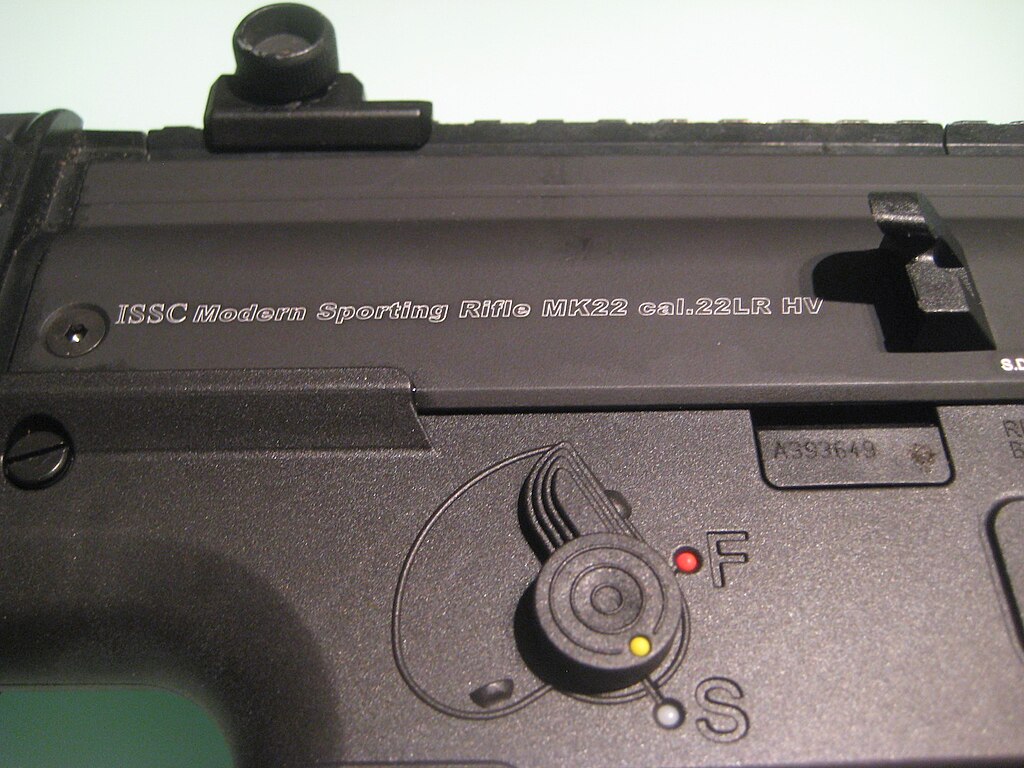
On the flip side, a manual safety adds one more action you must perform under stress: disengaging the safety before you fire. In a high-adrenaline scenario, you might forget it or struggle with the motion, which could delay your ability to defend yourself. Some manual safeties are small, stiff, or awkwardly located and may feel foreign when you’re in a rush. There’s also the risk of relying on safety rather than good fundamentals, such as trigger discipline or proper holster fit, which can lead to complacency. In some training scenarios, carriers with safeties forgot they left the safety engaged when it mattered most.
Training & Familiarity Are Key
Whether you carry with or without a manual safety, your training and familiarity with the gun matter most. Even the best safety mechanism won’t rescue you if you haven’t practiced drawing, disengaging the safety (if present), acquiring a target, and firing under stress. As noted in training forums:
“Train with what you carry. Don’t switch between carry guns with differing manual of arms, and you’ll be alright.”
If you choose a gun with a manual safety, you must incorporate disengaging that safety into your muscle memory so it becomes seamless. Otherwise, the “extra step” becomes a liability.
Holster Fit, Draw Mechanics & Carry Context
The effect of a manual safety also depends on how you carry (inside-waistband, outside, appendix), your holster type, how you draw the gun, and what your everyday environment is like. For example, if you carry in a tight space, sit a lot, or move frequently, then holstering/reholstering is common and a safety may offer benefit during those transitions. Conversely, if you need a super-fast draw in a high-threat locale, the added step could slow you. Also, if your holster is sloppy or trigger guard exposure is possible, a safety cannot substitute for those fundamental issues; it might just provide a false sense of security.
Internal Safeties vs External Manual Safety
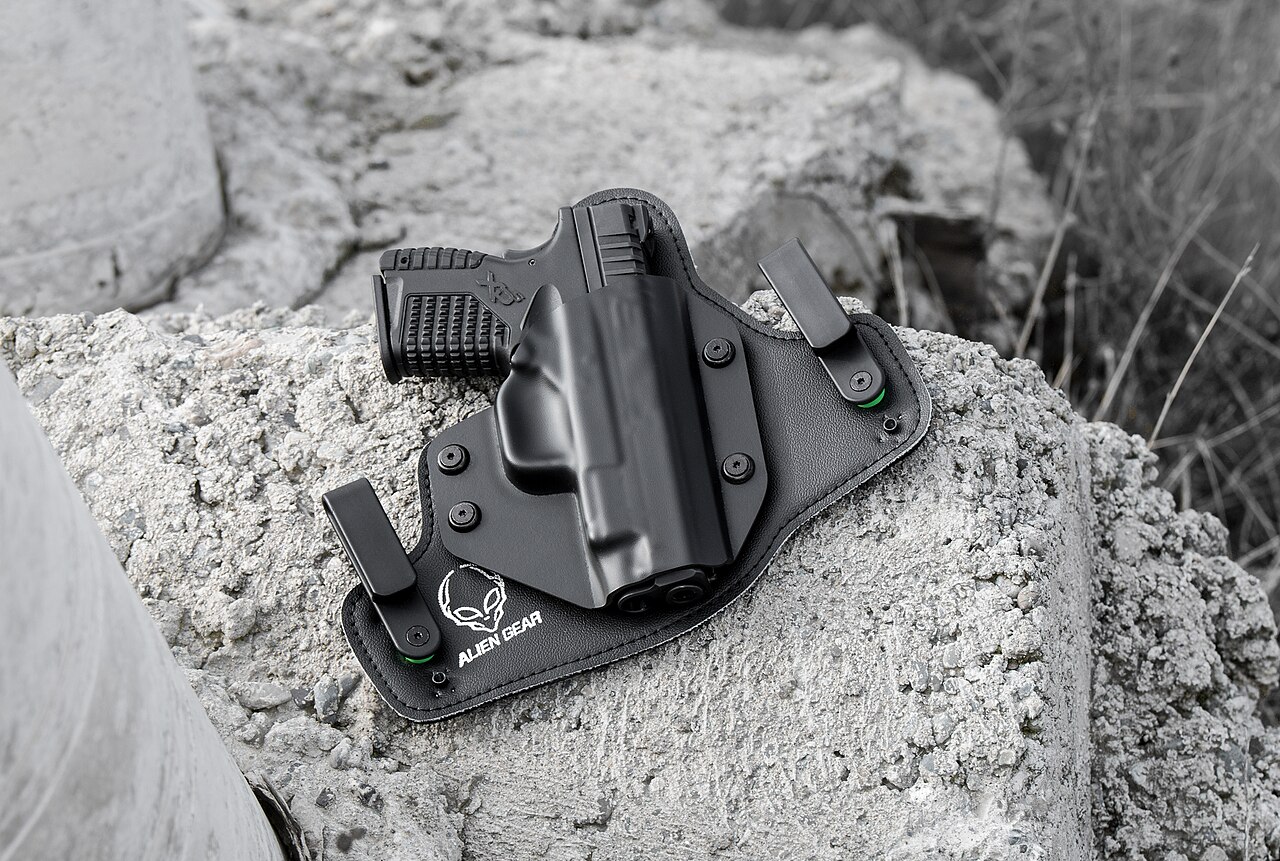
Modern handguns often include internal safeties, drop safety, trigger safety, and firing pin blocks that act automatically and require no user action. Many carriers and manufacturers argue that these internal safeties serve the purpose without needing an external manual lever. For instance, some popular pistols omit manual safeties entirely and rely on these built-in mechanisms. The advantage is simplicity: less to manipulate, fewer chances for user error. The disadvantage is that the “intentional” pause a manual safety gives is absent.
Mindset & Legal/After-Action Considerations
In a self-defense incident, everything gets scrutinised: your decision to draw, your target identification, and whether you did everything you reasonably could to avoid or de-escalate the threat. Carrying a manual safety may signal to law enforcement or legal reviewers that you prioritized an extra layer of precaution. Proponents argue this corroborates a responsible mindset. Conversely, if you carry without one but fail to demonstrate disciplined holstering and training, you could face criticism. The key is consistency and the demonstration that your method matches your training and scenario.
Choosing Based on Experience & Comfort Level
If you’re new to concealed or defensive carry, a manual safety might help you build confidence while you learn holstering, reholstering, and draw transitions. An article noted: “If owning and/or carrying a firearm with a manual safety encourages you to carry and train, then go for it.” On the other hand, if you’re experienced, train frequently, and want maximum simplicity and speed, then a gun without a manual safety may suit you better. The right choice is less about dogmatic rules and more about picking what you will practice, carry, deploy, and maintain reliably.
Situations Where a Manual Safety Makes More Sense
There are specific carry contexts where a manual safety may make more sense. For example: nightstand duty guns (you leave a chambered pistol beside your bed), vehicles (holstering/unholstering frequently), carrying in clothes that rub the safety lever, or when you share the firearm with someone less trained. In those cases, the “pause” before firing and an additional barrier against accidental discharge can be meaningful. Conversely, in high-risk professions where draw speed is critical and training is relentless, many opt to eliminate the external lever.
Final Take: No One-Size-Fits-All Answer
Ultimately, there is no universal right answer to whether a manual safety is necessary on a defensive carry gun. The decision should rest on your training regimen, carry style, threat environment, equipment, and comfort level. If you carry with one, train until disengaging it is automatic, and your draw remains fast. If you carry without one, ensure your holster, trigger discipline, and draw mechanics are flawless. The most dangerous gun is the one you don’t train with or can’t operate under stress, regardless of safety features.