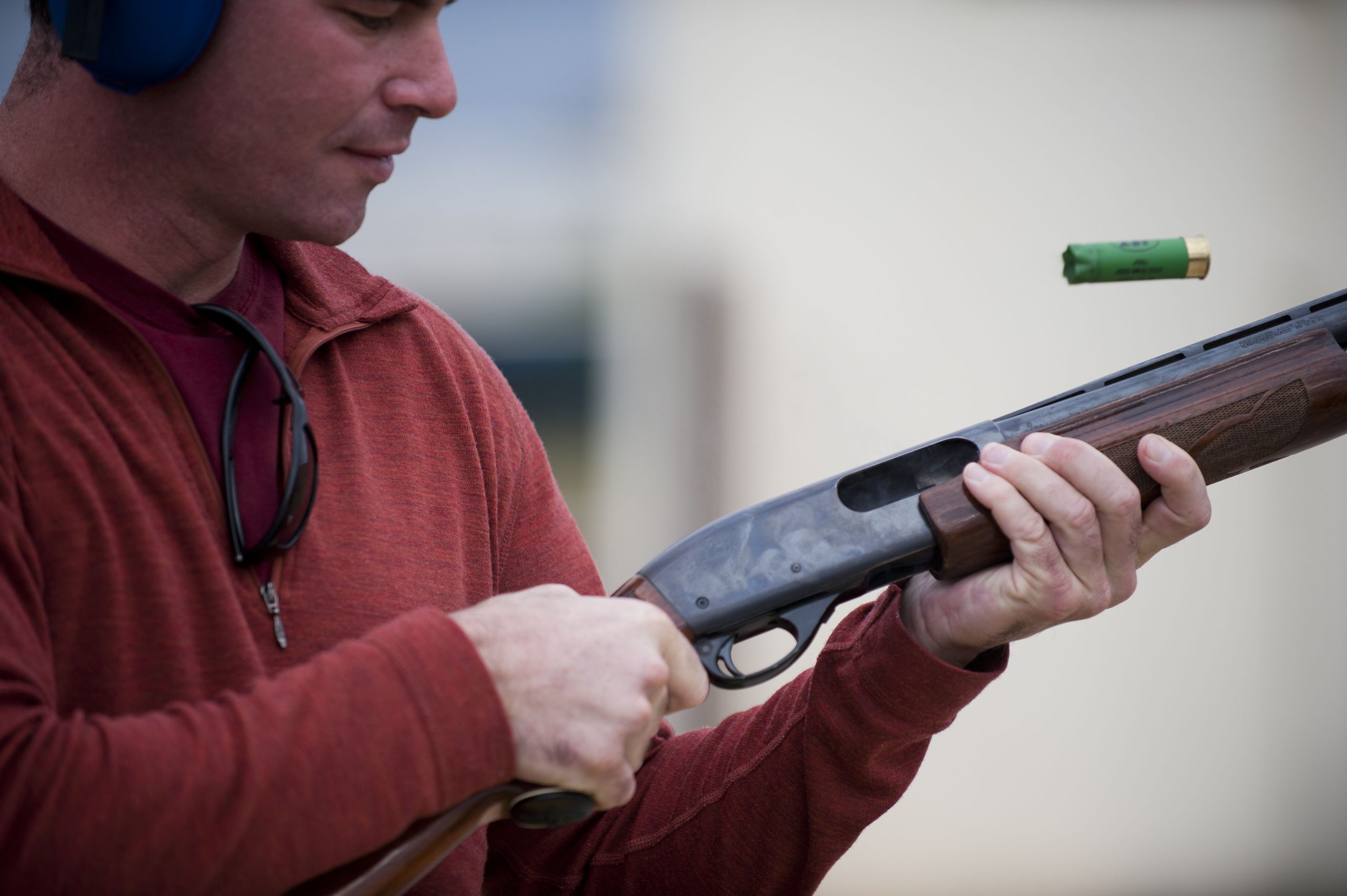
When I first decided on a shotgun for self-defense, the choice felt obvious. It had a reputation for reliability, unmistakable presence, and decisive stopping power. Popular culture reinforced the idea that a shotgun was the ultimate “no-nonsense” answer when personal safety was on the line. I pictured simplicity, confidence, and peace of mind. What I didn’t anticipate was how quickly that confidence would erode once theory collided with reality. Living with that decision exposed limitations I hadn’t seriously considered: practical, physical, and psychological. This isn’t an anti-shotgun argument, but an honest account of how expectations can mislead. Regret didn’t come from fear, but from experience, reflection, and realizing that the right tool on paper isn’t always the right fit in real life.
The Size Became a Constant Issue
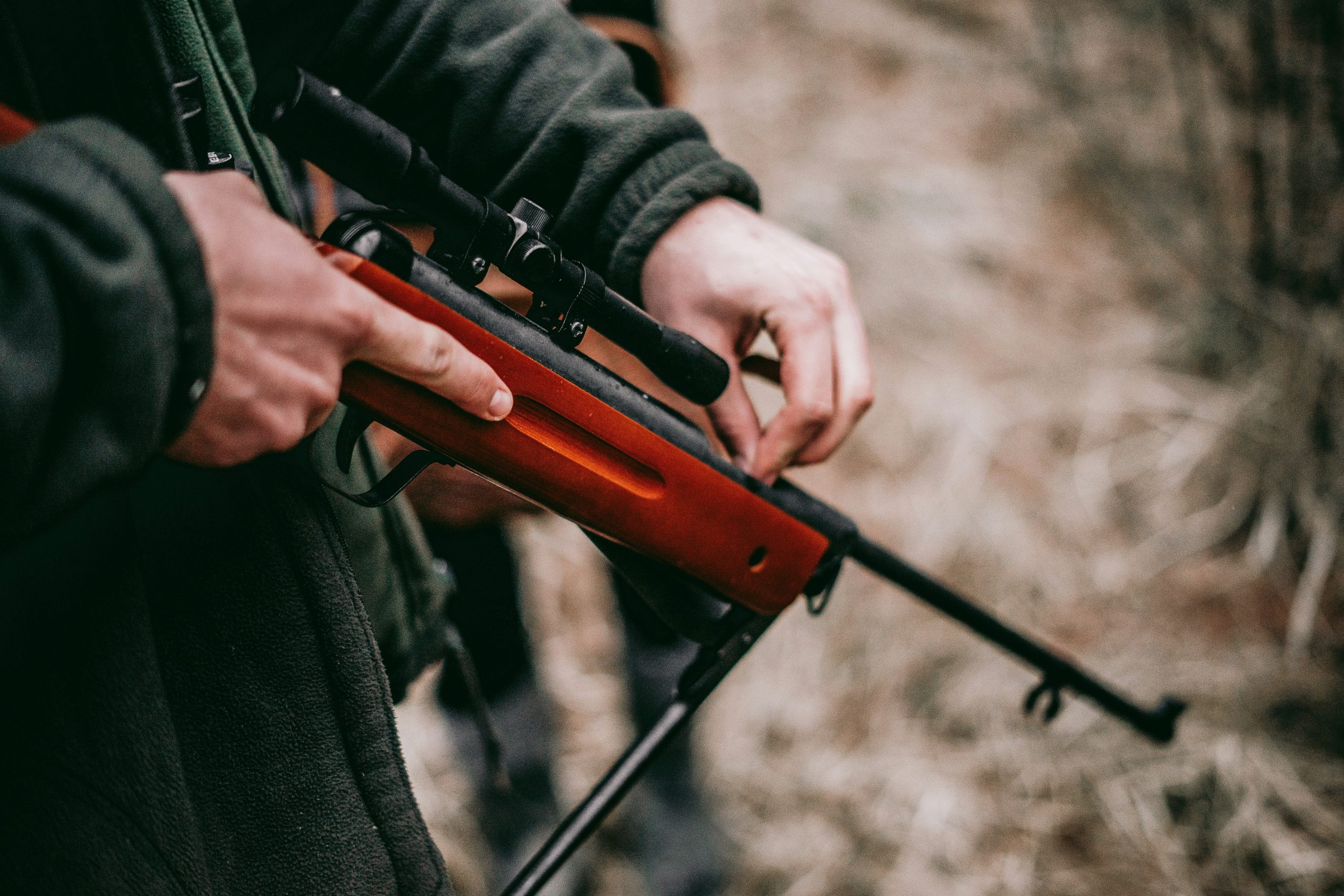
The first regret surfaced the moment I tried moving through my home with the shotgun in mind. Hallways suddenly felt narrower, doorways more restrictive, and tight corners harder to imagine navigating under stress. The length and weight that once felt reassuring became obstacles in confined spaces. Even routine considerations like where and how to store it safely required compromise. Accessibility clashed with discretion, especially when visitors were present. Over time, I noticed how often the bulk crossed my mind, even when nothing was wrong. Instead of feeling prepared, I felt constrained. That constant awareness chipped away at confidence and replaced it with hesitation. I began to understand that in a home setting, manageability matters just as much as capability.
Recoil Wasn’t Just a Detail
Recoil was something I expected, but not something I fully respected until experience set in. Each practice session demanded more physical control than I anticipated, and consistency proved harder than expected. Follow-up shots required deliberate effort, especially as fatigue built up. Even with proper fundamentals, the force disrupted rhythm and focus. I realized that under pressure, small losses in control could become significant. What surprised me most was how much mental energy went into bracing for recoil rather than staying situationally aware. That realization shifted my thinking. Defensive effectiveness isn’t just about power; it’s about control, recovery, and maintaining clarity when it matters most.
It Encouraged Overconfidence
One of the most subtle regrets was psychological. Simply owning a shotgun made me feel prepared before I actually was. I leaned too heavily on its reputation and delayed serious self-assessment. Training became something I planned rather than prioritized. That false confidence was comfortable but misleading. Over time, I realized I was trusting the tool more than my own readiness. The shotgun hadn’t made me safer; it had made me complacent. When that truth finally sank in, it was uncomfortable but necessary. Real preparedness comes from honest practice and understanding limitations, not from assuming equipment will compensate for them.
Ammunition Decisions Added Stress
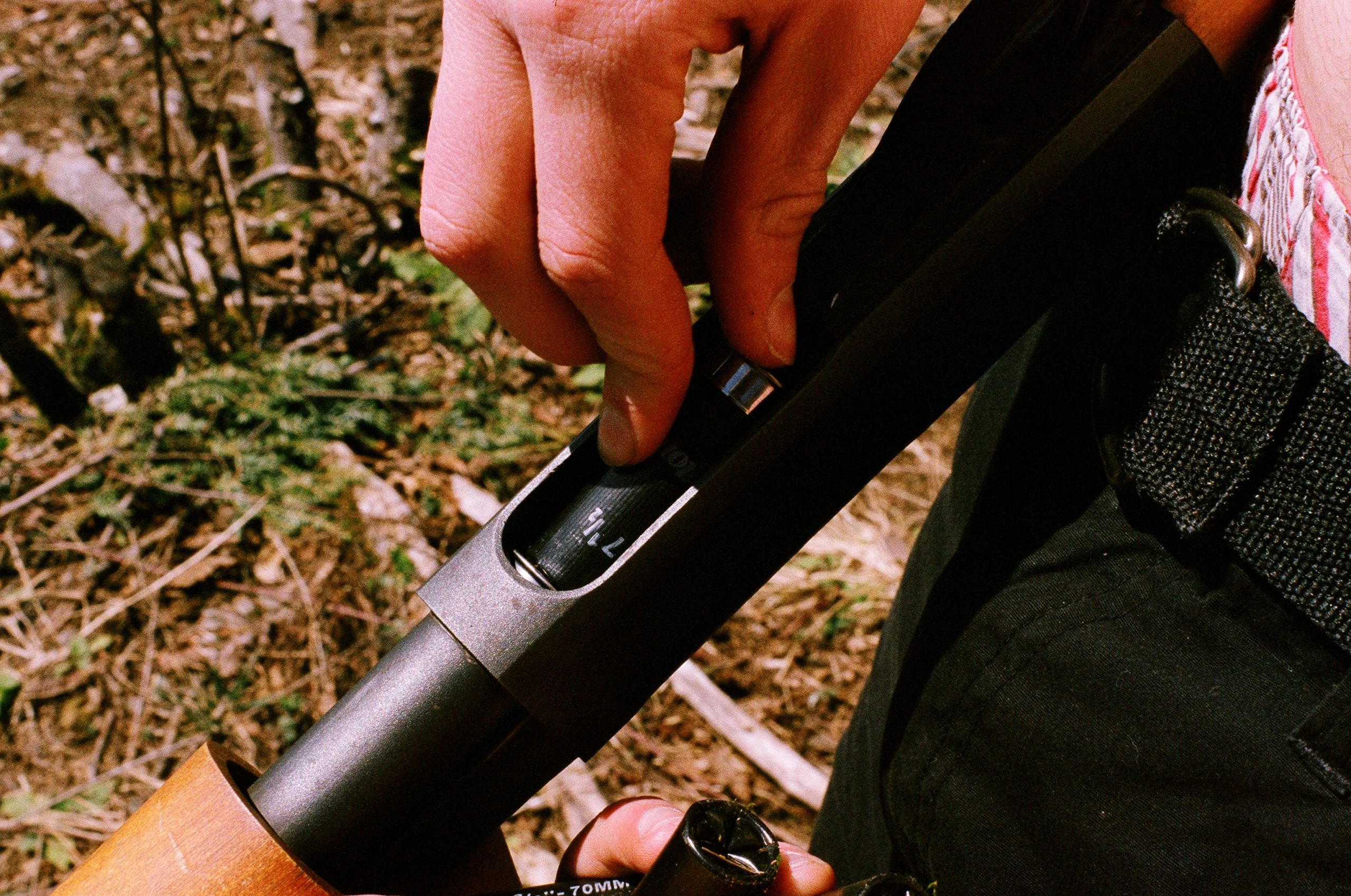
I assumed ammunition choice would be straightforward. Instead, it became a source of constant second-guessing. Different loads behaved differently, affected handling, and raised new questions I hadn’t expected. Advice varied widely, and sorting through opinions often created more confusion than clarity. Rather than simplifying my defensive plan, these choices complicated it. I found myself mentally revisiting decisions I thought were settled. In high-stress scenarios, uncertainty is the last thing you want. That ongoing mental friction made me realize how important simplicity is when thinking about personal safety.
Indoor Noise and Blast Were Eye-Opening
Experiencing the sound and pressure indoors was a wake-up call. Even in controlled conditions, the blast felt overwhelming. It wasn’t just loud, it was disorienting, abrupt, and physically jarring. The concussive force echoed off walls and ceilings in ways that surprised me, even when I expected it. That sensory overload forced me to confront how easily awareness could be compromised in a real emergency. I began thinking less about stopping power and more about how confusion, ringing ears, and momentary disorientation could slow reaction time. In close quarters, those fractions of a second matter. The intensity changed how I viewed indoor defense altogether, revealing a side of the decision I had underestimated.
Legal Concerns Never Fully Left
Another unexpected burden was the constant awareness of legal and social consequences. I spent more time thinking about how choices might be interpreted after an incident than I ever anticipated. The perception of a shotgun by authorities, courts, neighbors, or even juries lingered in the back of my mind. Those thoughts didn’t fade with ownership; they grew stronger as I learned more. While responsibility is necessary, the mental weight was heavier than expected. I realized that defensive decisions don’t end when danger stops; they extend into interviews, reports, and long-term scrutiny, adding stress that influenced how I viewed preparedness overall.
Storage Was a Compromise
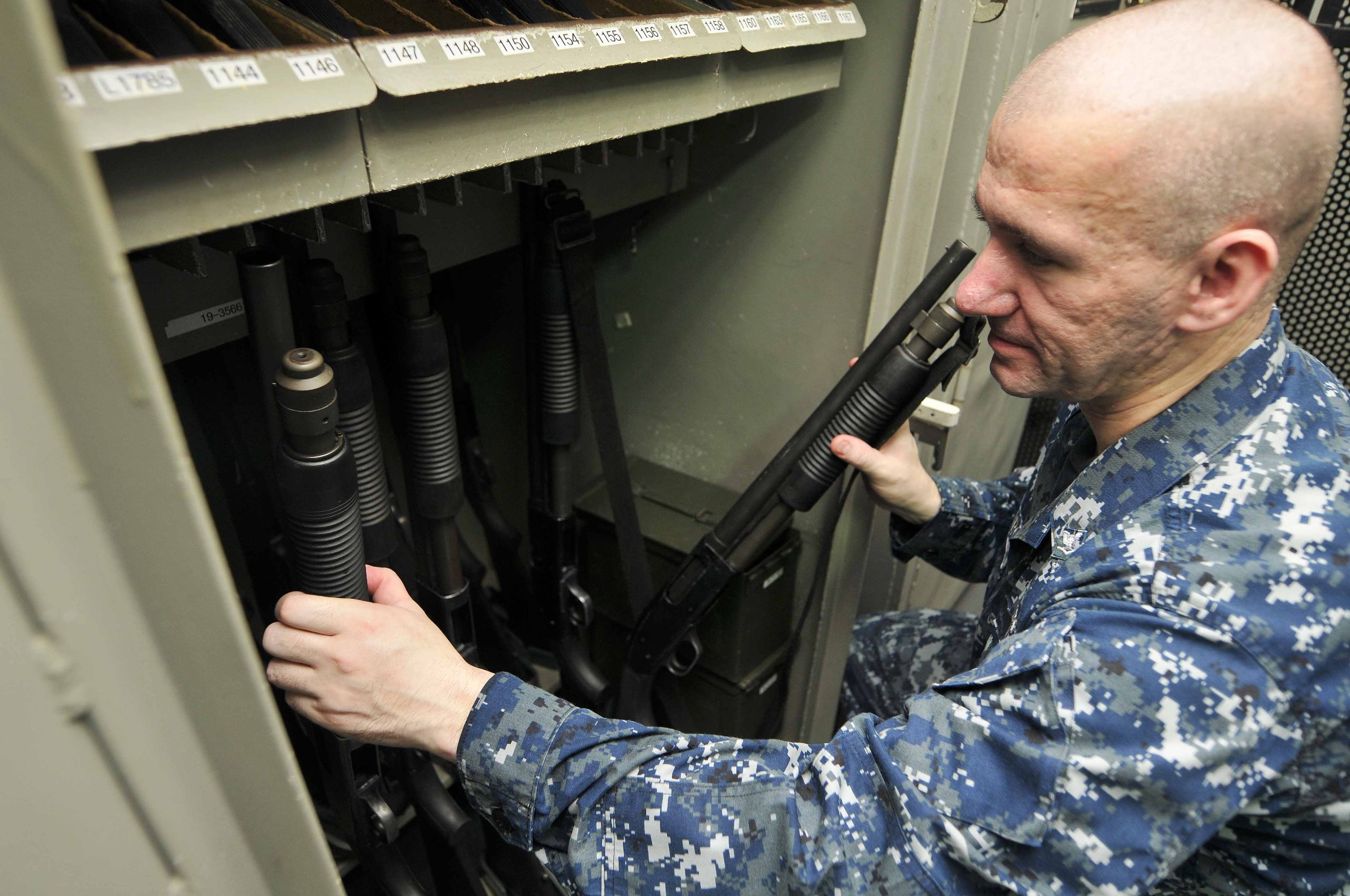
Finding the balance between safe storage and quick access proved frustrating. Every solution involved tradeoffs that never felt fully satisfying. Too secure, and access felt delayed during moments when seconds matter. Too accessible, and safety concerns resurfaced, especially when considering guests or changing circumstances. I constantly adjusted, rethought, and second-guessed my setup. Instead of peace of mind, I felt ongoing tension around a decision meant to provide reassurance. This experience highlighted how defense isn’t just about emergencies, but it’s about daily practicality. The more compromises I made, the clearer it became how much friction the choice introduced into everyday life.
Practice Fatigue Reduced Consistency
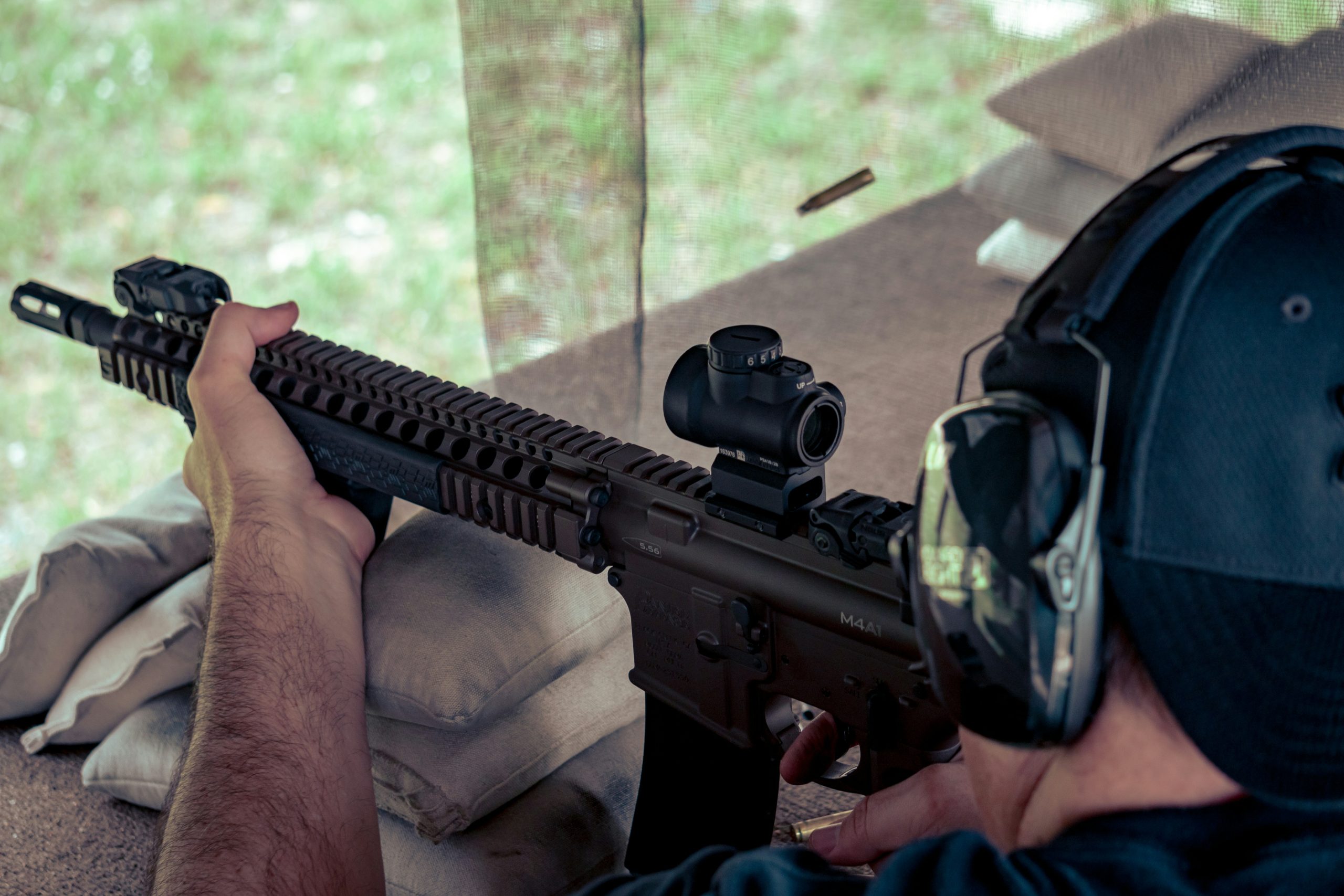
Extended practice sessions took more out of me than expected. Physical fatigue affected form, focus, and follow-through, especially during longer drills. Over time, sessions grew shorter and less frequent, not from laziness but from wear. That gradual reduction mattered more than I initially realized. Consistency is critical in any defensive plan, and anything that quietly discourages regular training deserves scrutiny. I began to see how sustainability plays a major role in readiness. A defensive tool should invite repetition and confidence, not slowly push practice into the background through physical or mental exhaustion.
It Simply Wasn’t the Right Fit
The final realization was deeply personal. My environment, experience level, and long-term comfort simply didn’t align with the platform. That doesn’t make it a poor choice; it just made it wrong for me. Accepting that brought clarity and relief rather than embarrassment. Regret transformed into understanding. The biggest lesson was straightforward but powerful: the best defensive option isn’t defined by reputation, tradition, or advice; it’s defined by how well it fits the individual using it. Once I accepted that truth, reevaluating my choice became an act of responsibility, not doubt.