Some guns become legends. A smaller number become relics while their fans are still arguing that nothing better has come along.
The 1911 won its reputation honestly.
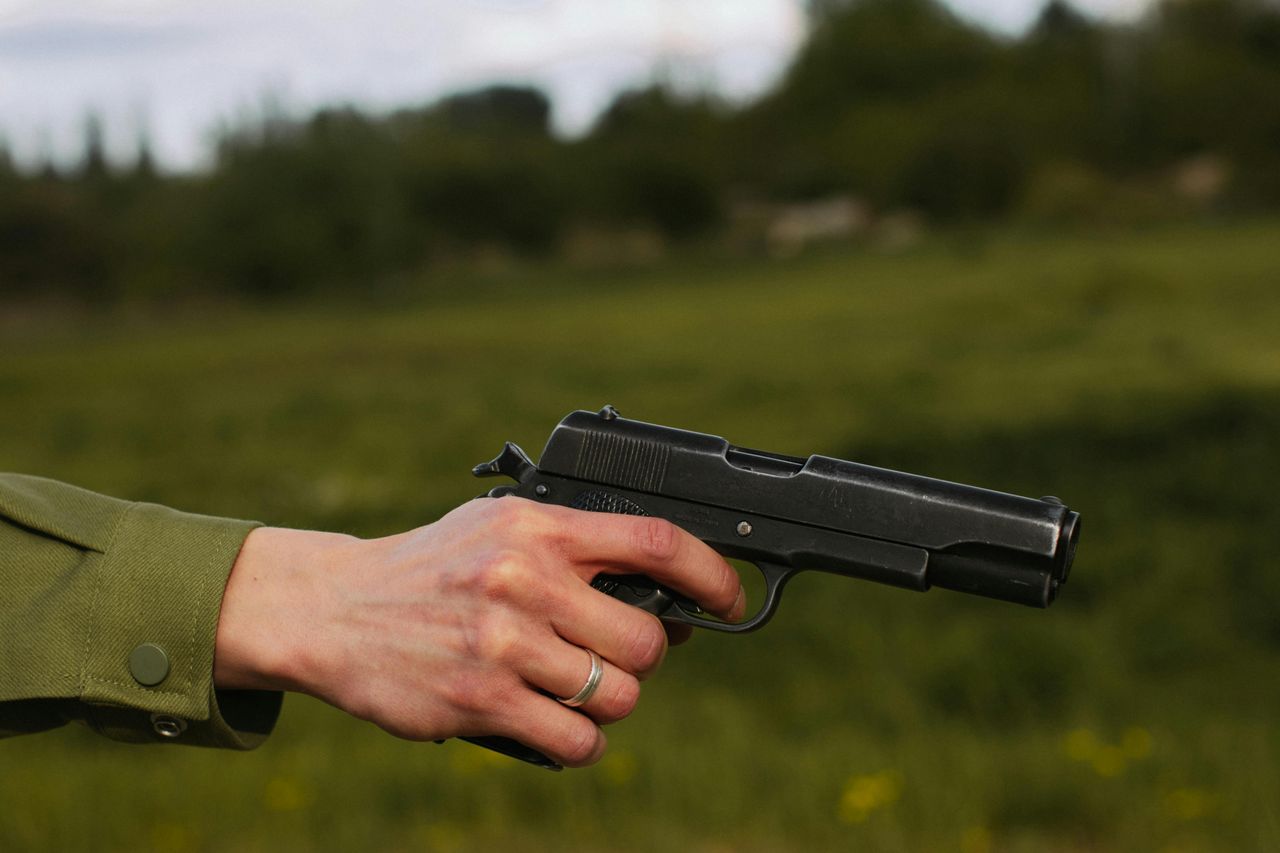
John Browning’s 1911 did not become iconic by accident. It earned its standing through military service, battlefield durability, and a trigger that even today can make newer pistols feel clumsy. For decades, it represented what a serious fighting handgun looked like, and for generations of shooters, that image never really faded.
The pistol arrived in an era with very different expectations. A heavy steel frame, a single-stack magazine, a thumb safety, and a grip safety were not drawbacks in 1911; they were part of a robust sidearm built around the doctrine and materials of its time. In that context, the design was advanced, powerful, and thoroughly respected.
Even now, there are areas where the 1911 remains genuinely impressive. A well-built example offers a crisp single-action trigger, natural pointability, and a sense of mechanical precision that many polymer guns seek to imitate. That combination is exactly why people still fall in love with it at the range.
But reputation and relevance are not the same thing. A platform can be historically important, mechanically elegant, and still be outclassed in the jobs that matter most to modern handgun buyers.
Modern pistols solved the problems shooters used to tolerate
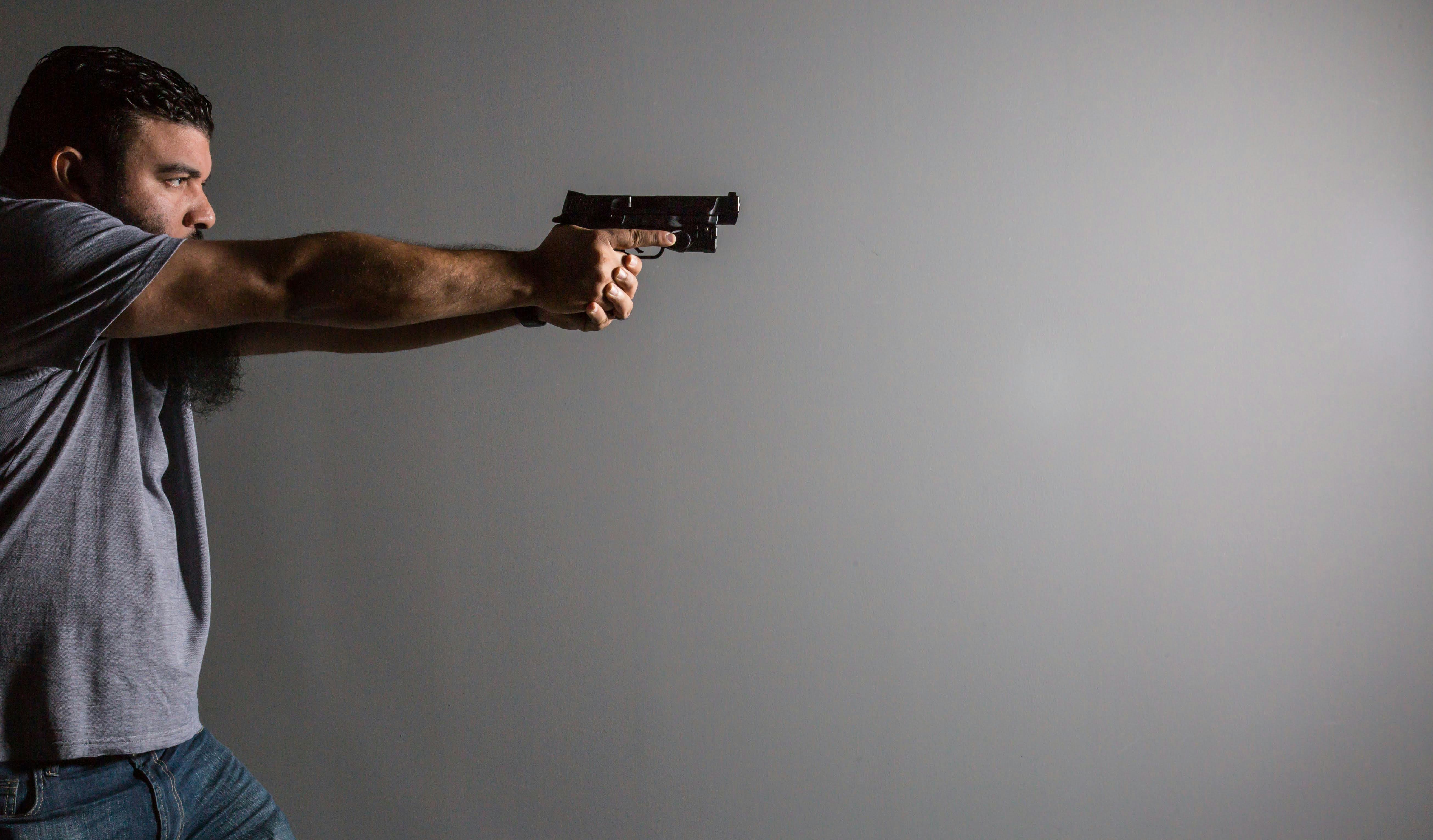
The biggest reason attitudes are changing is simple: modern handguns made compromise optional. When polymer-framed, striker-fired pistols matured, they gave shooters higher capacity, lower weight, easier maintenance, and strong reliability in dirty, neglected, or high-round-count use. Once that became normal, the 1911 tradeoffs stopped looking noble and started looking inconvenient.
Capacity is the most obvious issue. A traditional Government Model often carries 7 or 8 rounds in the magazine, while a similarly sized modern 9mm can carry 15, 17, or more. That is not a minor spec sheet difference; it affects reload frequency, practical endurance, and confidence in defensive scenarios.
Then there is the maintenance burden. A quality 1911 can run extremely well, but the platform has long had a reputation for being more sensitive to magazines, extractor tuning, recoil spring schedules, and ammunition selection than mainstream duty pistols. Shooters who train regularly have little patience for guns that demand hand-holding.
The market has reflected that reality. Law enforcement, military units, and defensive shooting instructors overwhelmingly gravitated toward higher-capacity modern pistols not because they dislike history, but because the newer guns are easier to support, easier to teach, and easier to keep running at scale.
Carry culture changed, and the 1911 didn’t keep up.
Concealed carry used to involve more tolerance for weight, more acceptance of dressing around a gun, and fewer truly compact options. Today, buyers can walk into a store and choose from slim, light, optics-ready pistols that hold 10 to 15 rounds and disappear under everyday clothing. Against that backdrop, a full-size steel 1911 feels like a commitment rather than a convenience.
Even compact 1911 variants never fully escaped the platform’s core limitations. Shortening the slide and barrel often made timing more finicky, while reducing grip length made the gun harder to control without solving the capacity problem. Many shooters who loved the look of an Officer-sized 1911 eventually discovered they were carrying more weight for fewer rounds.
There is also the training question. Cocked-and-locked carry is perfectly viable in trained hands, but it asks for consistency, repetition, and comfort with a manual safety under stress. For enthusiasts, that is part of the pistol’s charm. For the average carrier, it is one more step in competing against simpler systems that are easier to learn and less likely to be fumbled.
That does not make the 1911 unsafe or obsolete in every carry role. It means the broader carry market moved toward lighter, simpler, and more forgiving guns, and the 1911 never stopped being a specialist’s choice.
The reliability debate finally got more honest.
For years, 1911 owners and critics talked past each other. Fans would point to superb custom guns that ran flawlessly, while skeptics pointed to finicky examples that choked on hollow points or needed break-in rituals. Both sides had evidence, but modern shooters increasingly recognize the larger truth: a pistol that needs careful brand selection and tuning is already behind the curve.
Part of the confusion comes from the 1911 market itself. Unlike many modern pistols built to tight, standardized factory processes, 1911s exist across a huge range of manufacturers, tolerances, parts quality, and interpretations of the original design. Some are excellent. Some are temperamental. Some are little more than expensive nostalgia projects.
The original pistol was designed around .45 ACP ball ammunition and military expectations that differ sharply from today’s needs. Once the market demanded match tolerances, defensive hollow-point compatibility, shortened formats, accessory rails, optics cuts, and mass production at many price levels, inconsistency became hard to avoid. The platform’s romance often outpaced its practical predictability.
That is why trainers who see thousands of guns in classes often sound less sentimental than collectors do. They watch what breaks, what runs dirty, what tolerates weak technique, and what keeps working when owners are not experts. In that environment, the 1911 rarely looks like the easiest answer.
Cost is another reason the spell is breaking.
A decent modern striker-fired pistol can often be bought at a price that leaves room for magazines, a holster, and several hundred rounds of ammunition. With the 1911, that same budget frequently buys an entry-level gun that may or may not deliver the fit, reliability, and longevity buyers imagine they are getting. To experience the platform at its best, people often have to spend much more.
That gap matters because the 1911 is not usually sold as a budget compromise. It is sold as heritage, quality, and shootability. But when a shooter compares a $600 polymer pistol that runs reliably out of the box with a 1911 costing 2x or 3x as much, the emotional premium becomes harder to justify unless the buyer specifically wants the experience of owning a 1911.
Magazines, spare parts, and gunsmithing can widen the gap further. Many owners eventually learn that not all magazines are equal, that recoil springs should be monitored, and that extractor issues or feed geometry may require real expertise. Polymer duty pistols are not immortal, but they tend to demand less specialist attention.
As a result, the 1911 increasingly lives in the same category as classic cars and mechanical watches. People buy them because they admire the craftsmanship and the ritual, not because they are the most efficient way to solve a practical problem.
What still keeps shooters loyal to it

Calling the 1911 a museum piece does not mean it has no value. In fact, the reasons it survives are powerful enough that it will probably never disappear. The trigger remains exceptional, the ergonomics still fit many hands beautifully, and a finely made 1911 offers a shooting experience that feels deliberate in a way few mass-market pistols can match.
There is also the emotional side, and it should not be dismissed. Veterans, competitive shooters, collectors, and hobbyists often connect with the 1911 as a symbol of American arms history and industrial artistry. Blued steel, checkered wood, and that unmistakable profile carry cultural weight that a black polymer frame simply does not.
Competition has also kept the platform visible, especially in disciplines where trigger quality and precision matter. Skilled shooters can still do remarkable work with a 1911 or 2011-style pistol, and custom builders continue to refine the formula for enthusiasts willing to pay. In that narrower context, the design remains alive rather than merely preserved.
Still, loyalty now sounds more selective than universal. Even many admirers quietly admit they enjoy owning a 1911 more than they trust it as their one do-everything handgun.
The 1911’s future is as a classic, not a standard

The most honest way to view the 1911 today is not as a failed gun, but as a completed chapter. It shaped handgun development, influenced generations of designers, and proved itself in an era when sidearms faced very different demands. That legacy is secure whether or not the platform remains the best answer for a new buyer in 2026.
What has changed is the willingness of shooters to separate admiration from utility. More people now say out loud what many instructors, armorers, and high-round-count shooters have thought for years: the 1911 is wonderful when judged as a classic object, but difficult to defend as the default fighting pistol in a world full of lighter, simpler, more reliable, higher-capacity alternatives.
That shift is disrespectful. It is maturity. A gun can be beautiful, influential, and deeply enjoyable without still being the benchmark everyone else should copy.
And that may be the 1911’s final, fitting place in firearm culture. Not discarded, not mocked, and not forgotten, but displayed with respect as a machine that changed the world and then, eventually, got overtaken by it.