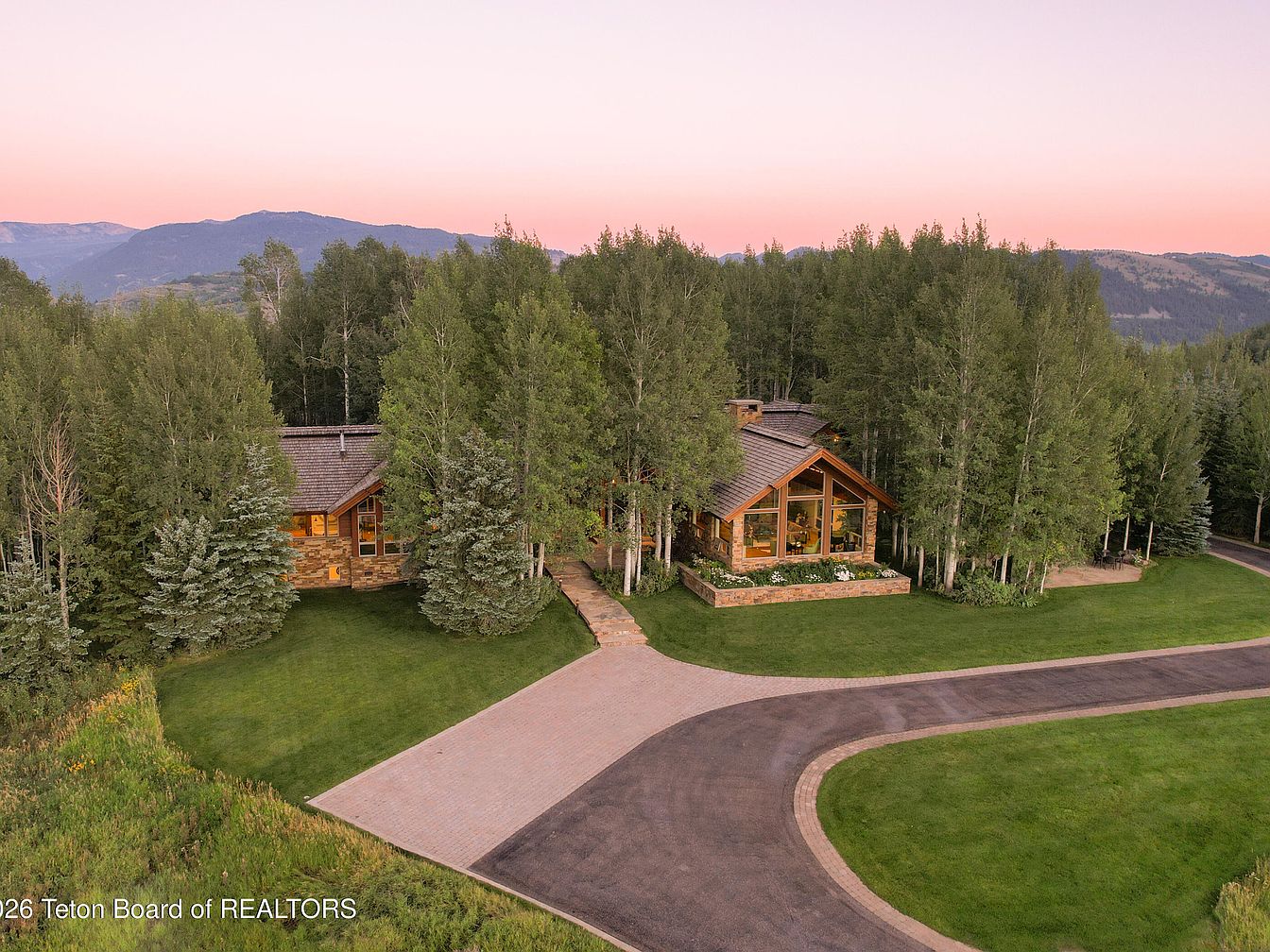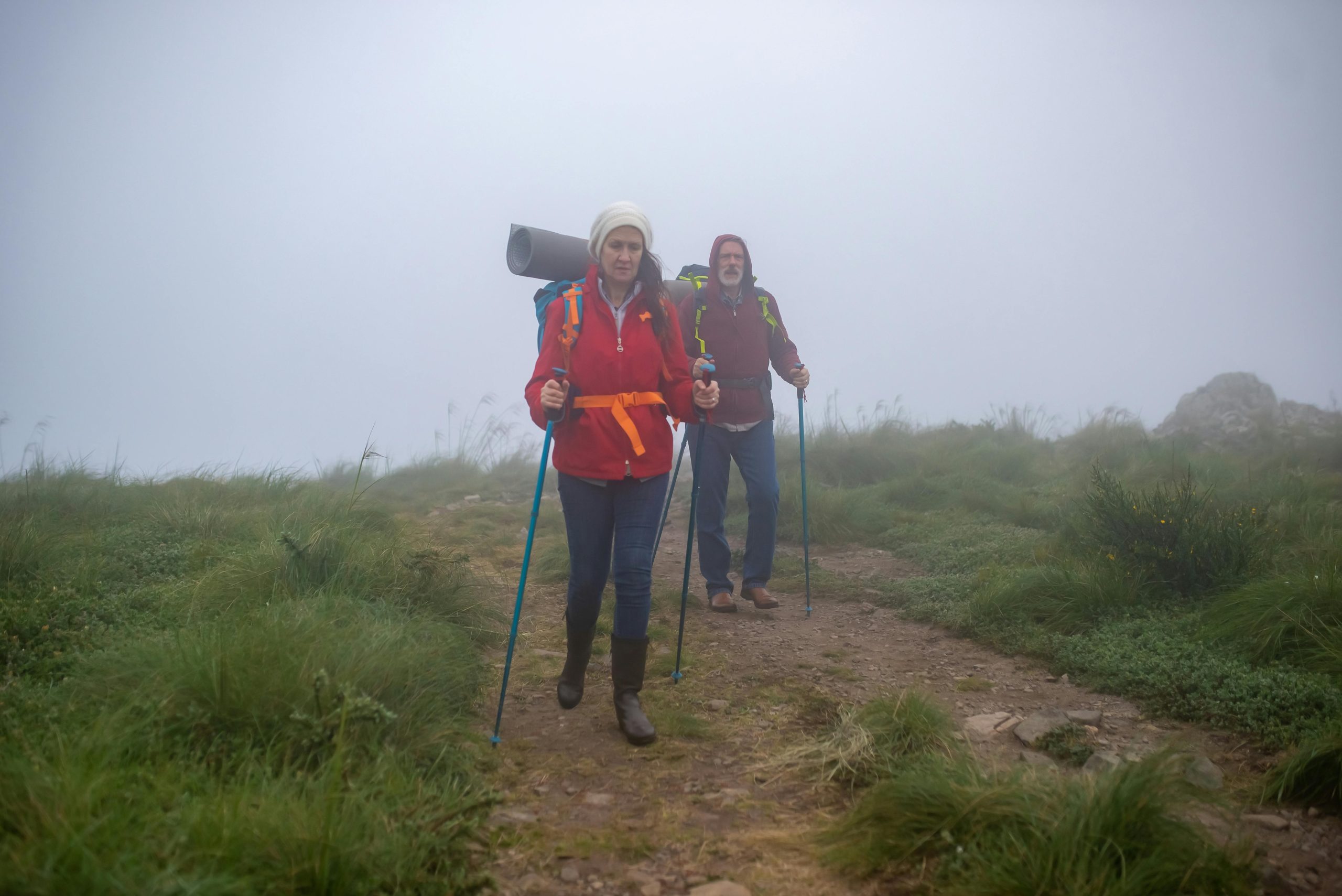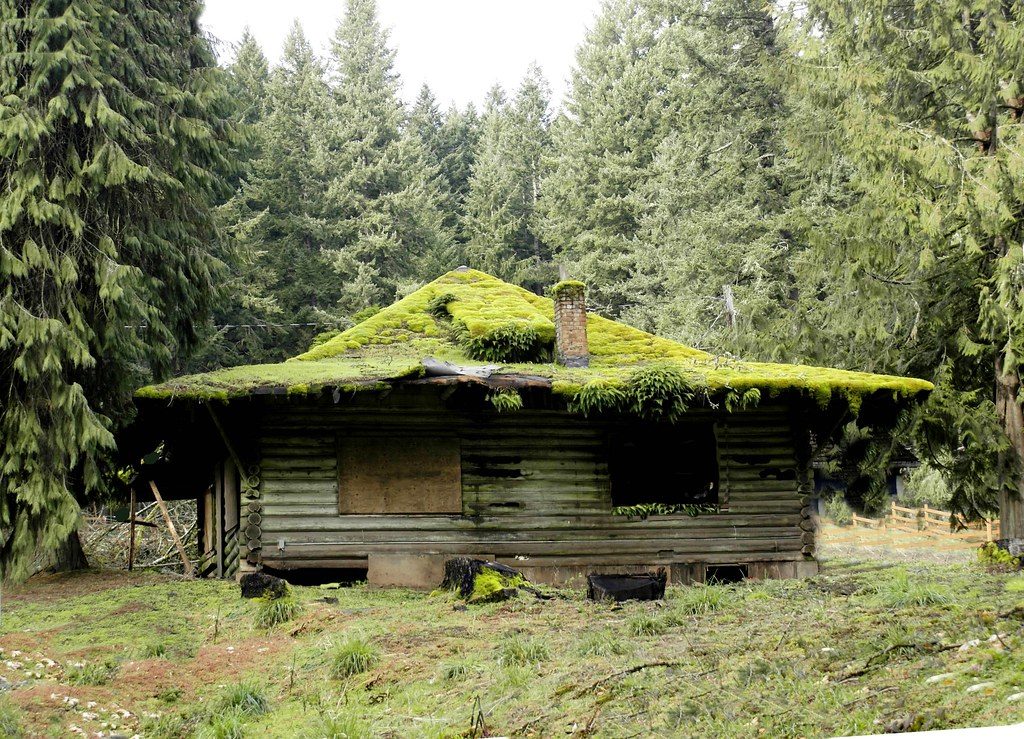
You can thrive in a remote mountain cabin if you know how to stay prepared, resourceful, and calm. Life in isolation demands practical skills and steady routines to manage food, warmth, and safety. Each day brings challenges from shifting weather to limited supplies, but the rewards are peace, clarity, and self-reliance. By learning to adapt and anticipate, you can transform solitude into a fulfilling experience that deepens your connection with both nature and yourself.
Secure a Reliable Water Source and Keep It Clean
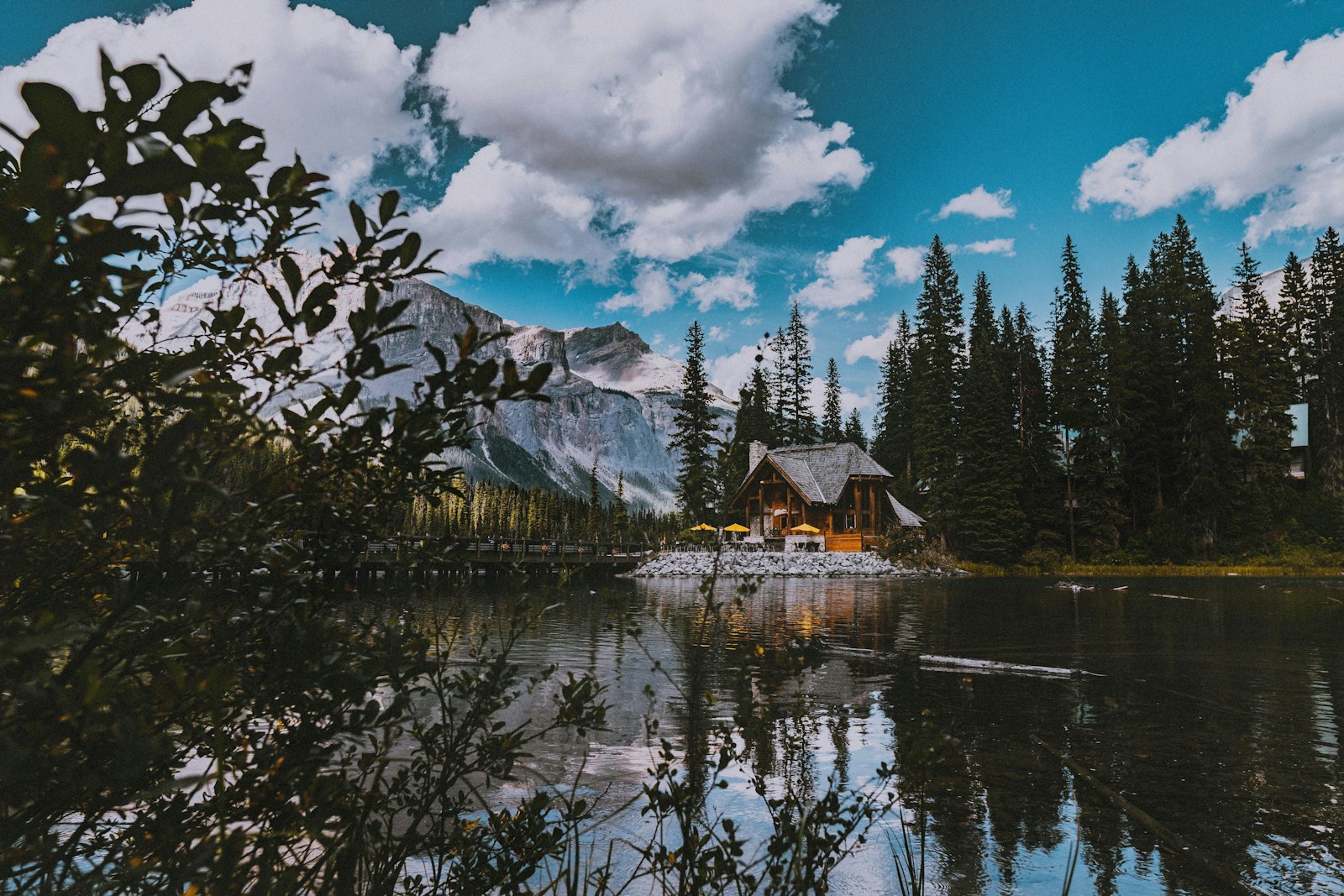
You should locate a nearby water source, such as a stream or spring, and ensure it is safe to drink. Boil or filter every batch before use to prevent illness. Collect rainwater whenever possible to build reserves during dry spells. Maintaining access to clean water keeps you hydrated and healthy, which is crucial for survival in isolated conditions.
Build and Maintain a Consistent Fire for Heat and Cooking
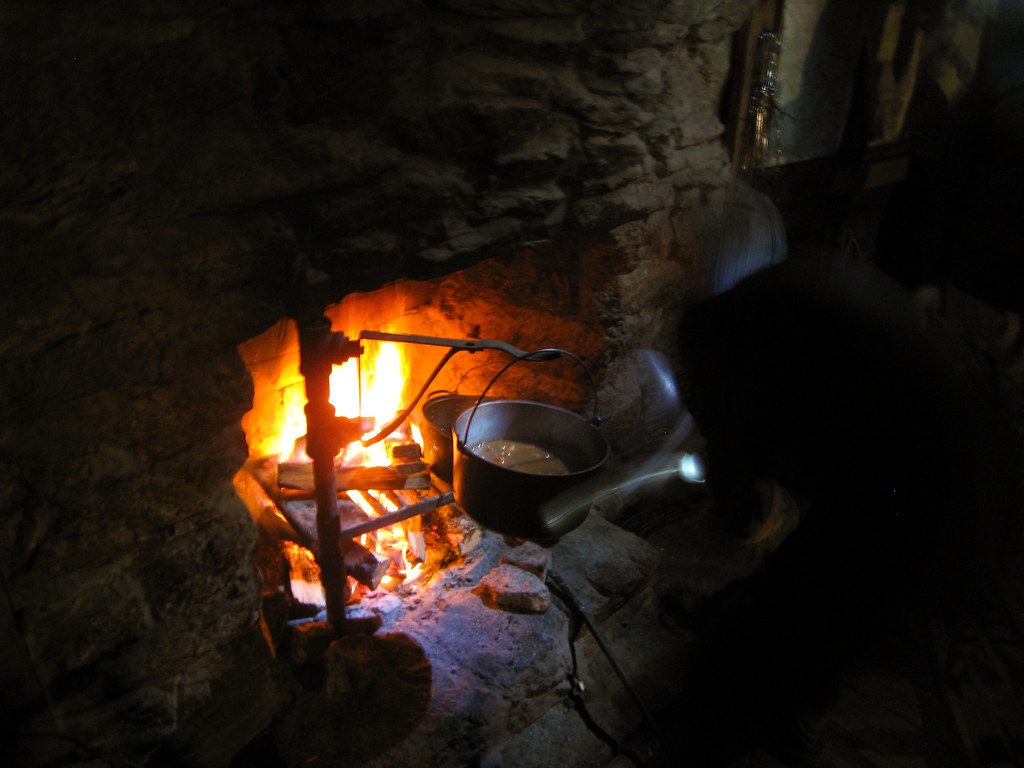
You can stay warm and cook efficiently by mastering fire-making techniques. Stockpile dry firewood early, keeping it under shelter to protect it from moisture. Start small and add larger logs once you have a steady flame. Fire provides not only heat but also comfort and safety during long, cold nights in the mountains.
Store and Preserve Food for Long-Term Use
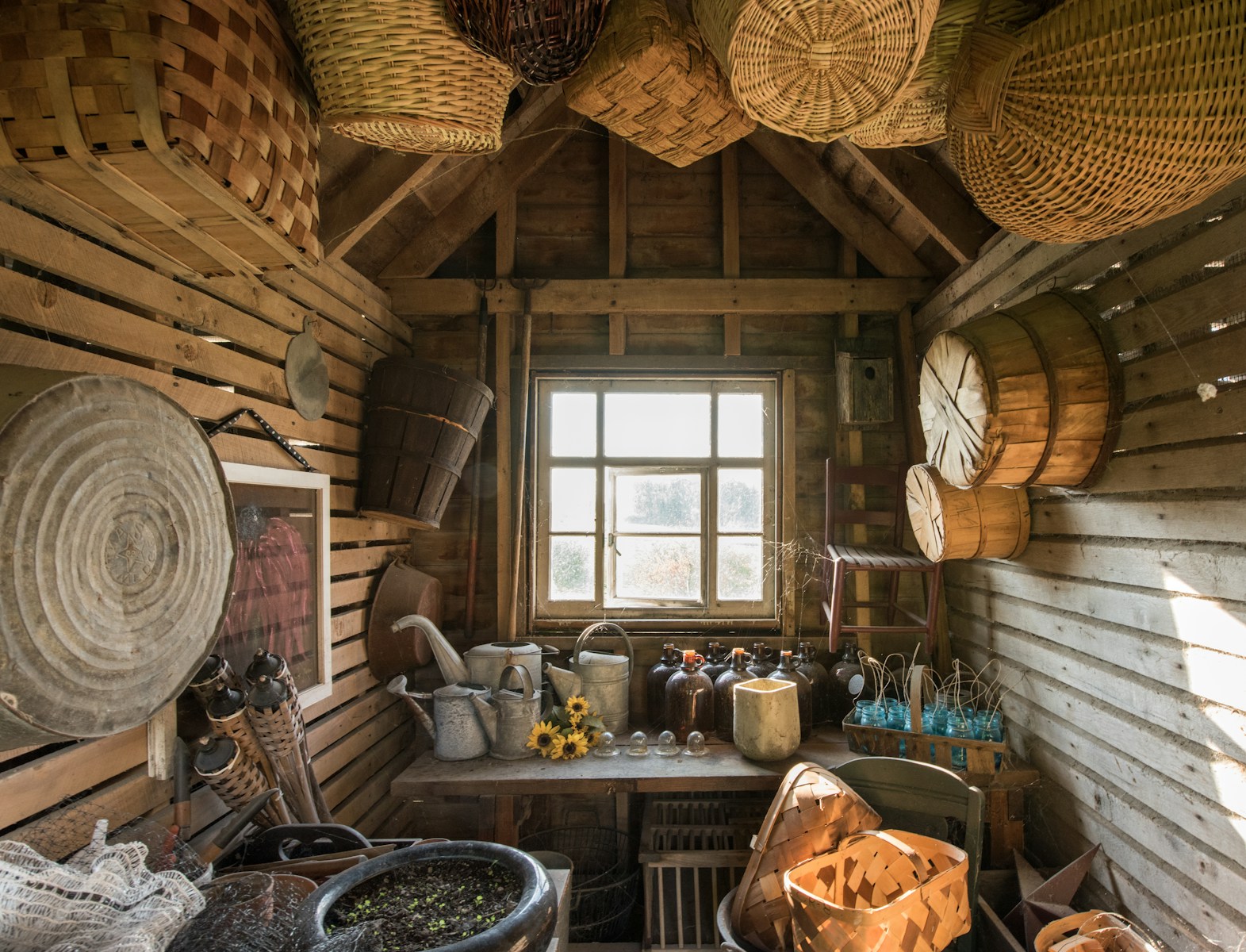
You should plan your meals carefully and store supplies in sealed containers to protect them from moisture and wildlife. Dry goods, canned foods, and jerky last longer in mountain climates. When possible, use natural methods like smoking or drying to preserve fresh ingredients. A reliable food supply prevents hunger and reduces unnecessary trips outside.
Keep Your Shelter Insulated and Protected from the Elements
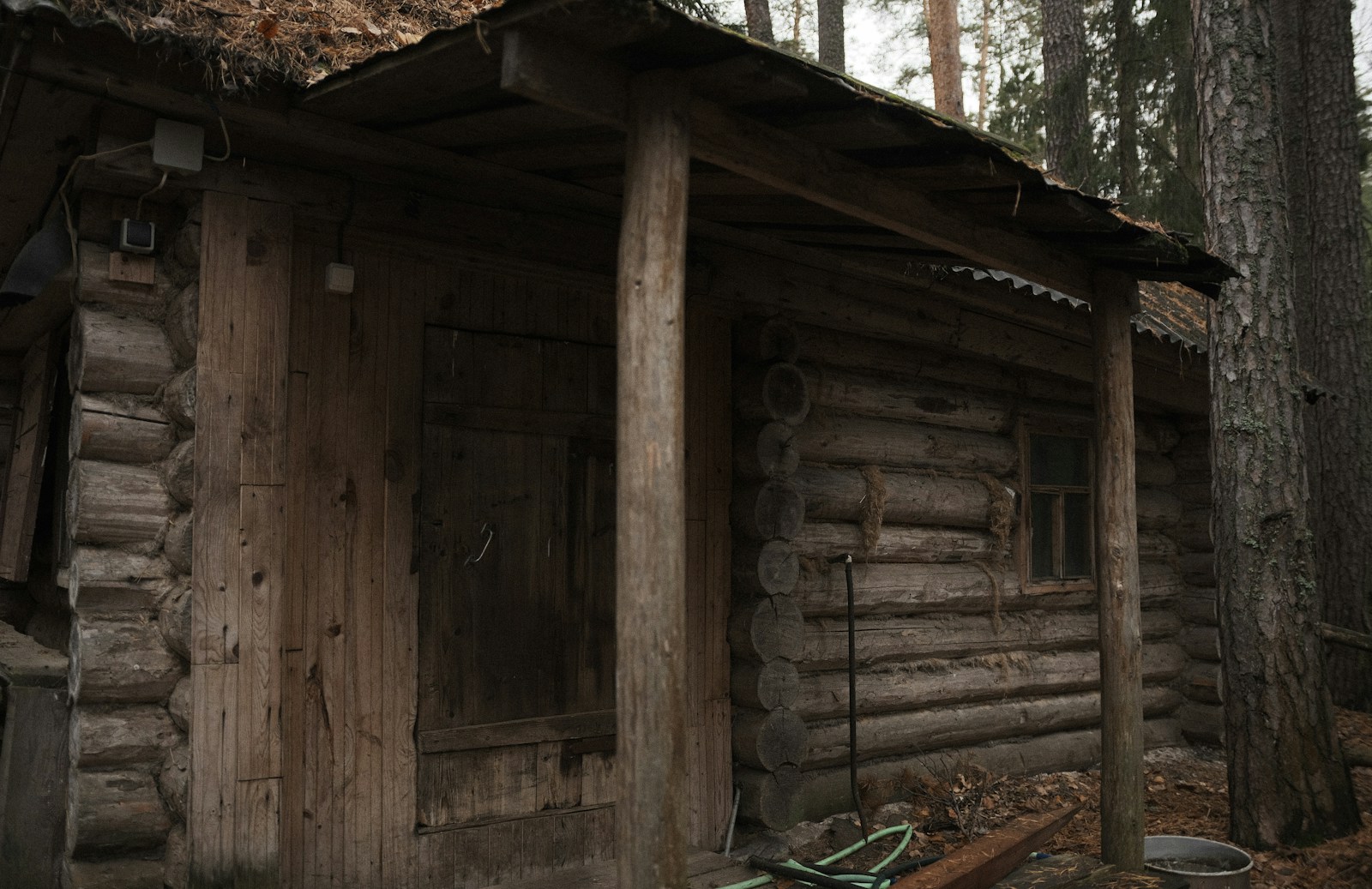
You can strengthen your cabin’s insulation by sealing gaps, reinforcing windows, and using natural materials like moss or bark around cracks. Proper insulation keeps heat inside and blocks out drafts. Pay attention to the roof and walls, as snow buildup or heavy rain can cause leaks. A well-maintained shelter ensures warmth and stability through harsh conditions.
Learn Basic First Aid and Monitor Your Health Regularly

You should carry a complete first aid kit and know how to treat common injuries such as cuts, burns, or sprains. Learn to recognize symptoms of dehydration or frostbite early. Practice self-care by staying hydrated, eating well, and resting when needed. Monitoring your health helps you catch problems before they turn serious.
Manage Waste and Maintain a Tidy Living Area
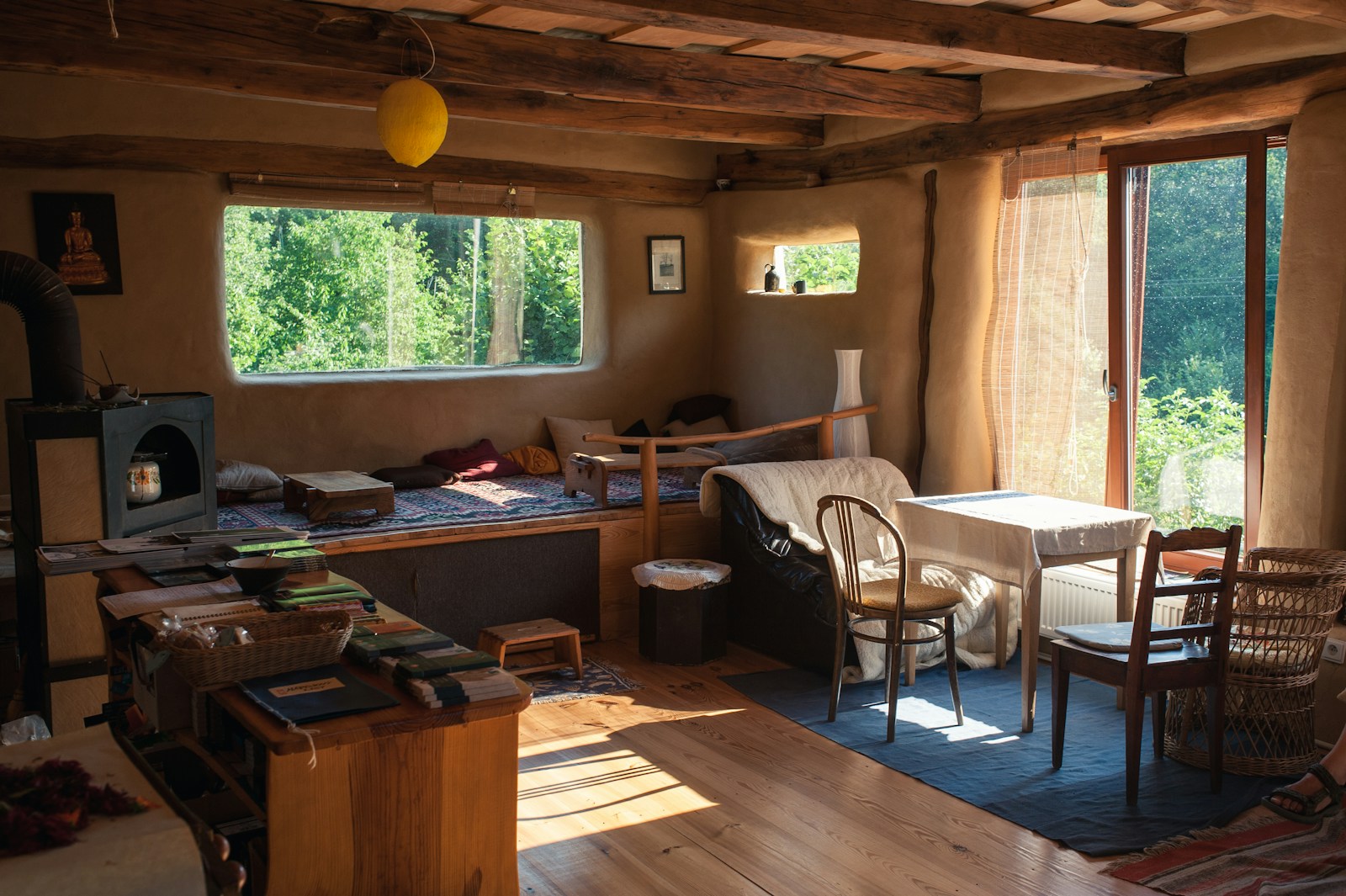
You can maintain hygiene by designating separate areas for cooking, cleaning, and waste disposal. Bury organic waste away from your water source and use biodegradable soap for washing. Regular cleaning keeps pests away and prevents contamination. A tidy, organized space promotes mental clarity and keeps your living environment safe and comfortable.
Track Weather Changes and Prepare for Sudden Storms
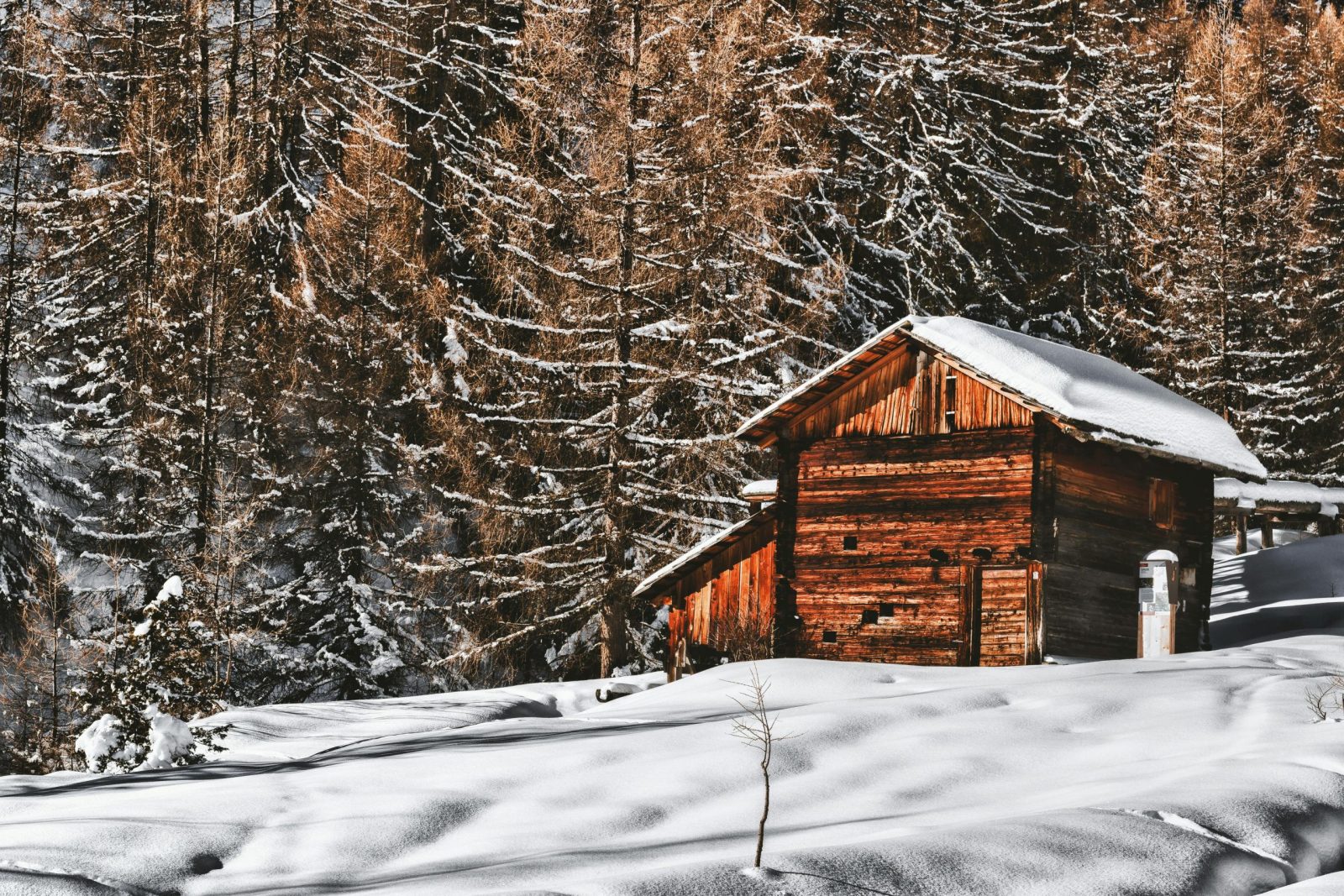
You should pay attention to the sky and temperature shifts that hint at incoming weather. Gathering extra firewood, sealing windows, and checking your roof before a storm helps prevent damage. Keeping spare clothing and blankets dry is vital in cold conditions. Staying alert to nature’s patterns ensures you can react quickly to avoid danger.
Create a Daily Routine to Stay Focused and Productive
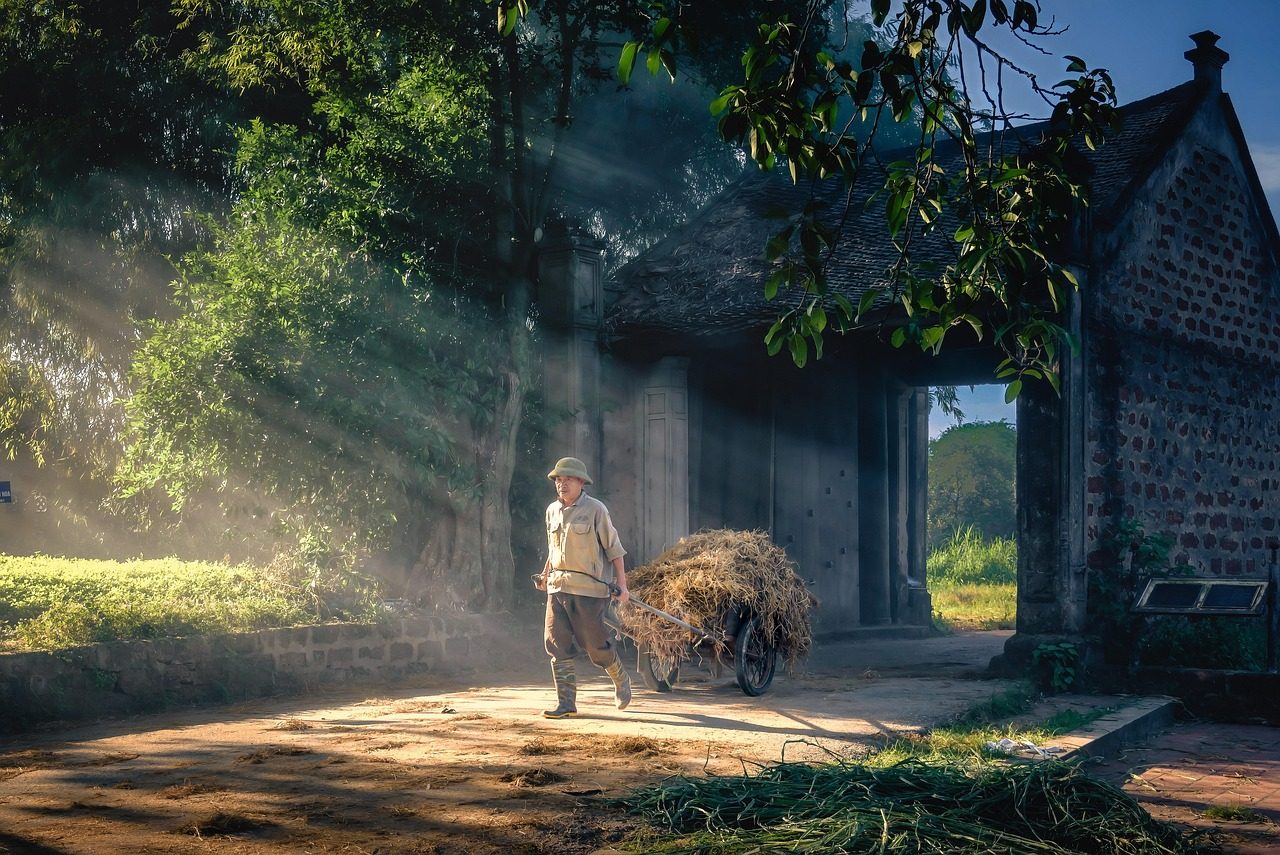
You can structure your days with a steady rhythm to maintain motivation and mental health. Assign time for chores, meals, rest, and reflection. Routine prevents boredom and gives each day purpose. Balancing work with quiet moments helps you stay mentally strong and connected to your environment.
Keep Communication Tools Ready in Case of Emergency
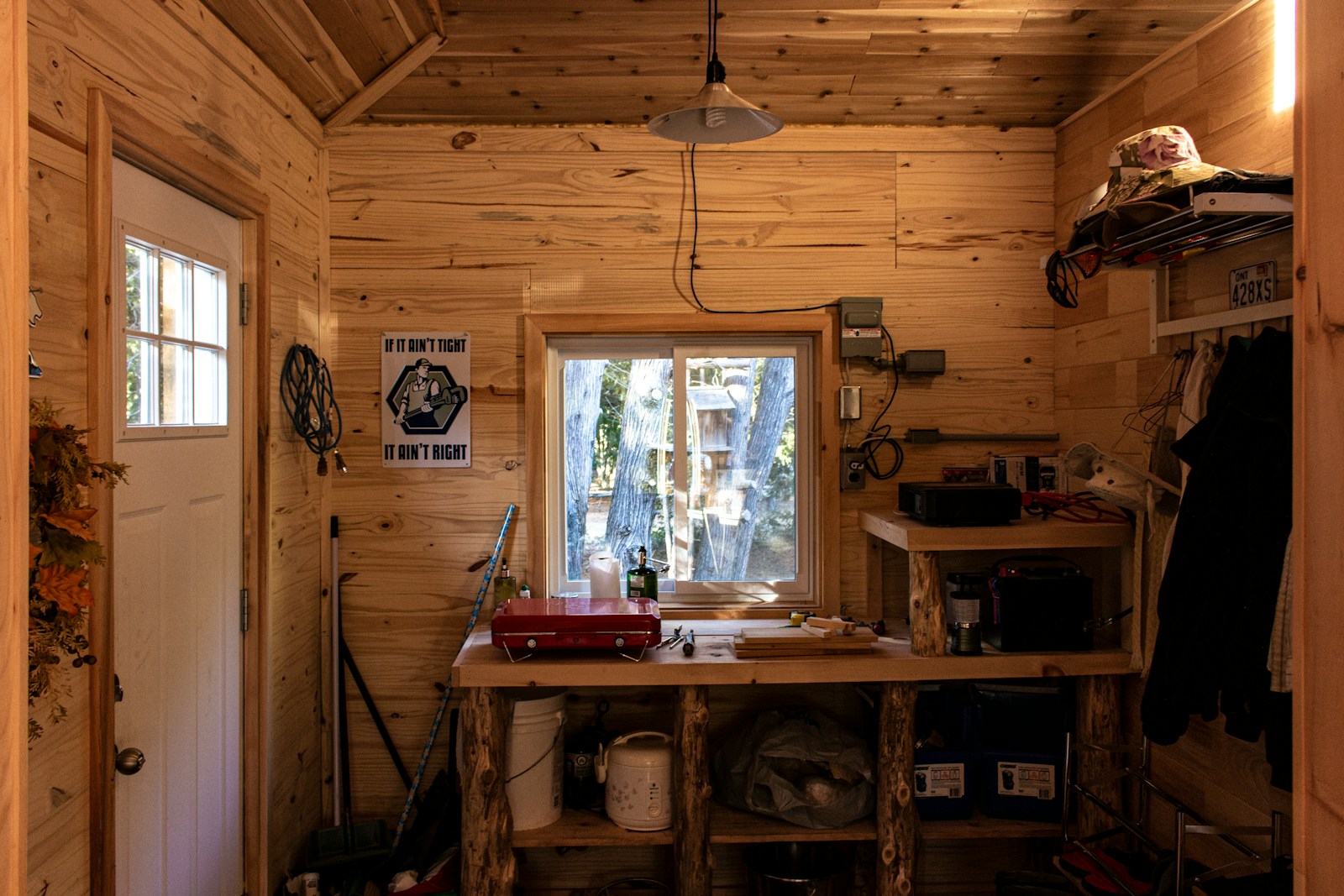
You should have a reliable way to contact the outside world, whether it’s a radio, satellite phone, or signal beacon. Check your equipment regularly and keep it charged or powered by solar energy. Even in solitude, staying connected ensures you can reach help if needed. Communication gives peace of mind and added security.
Appreciate the Stillness and Use It for Reflection
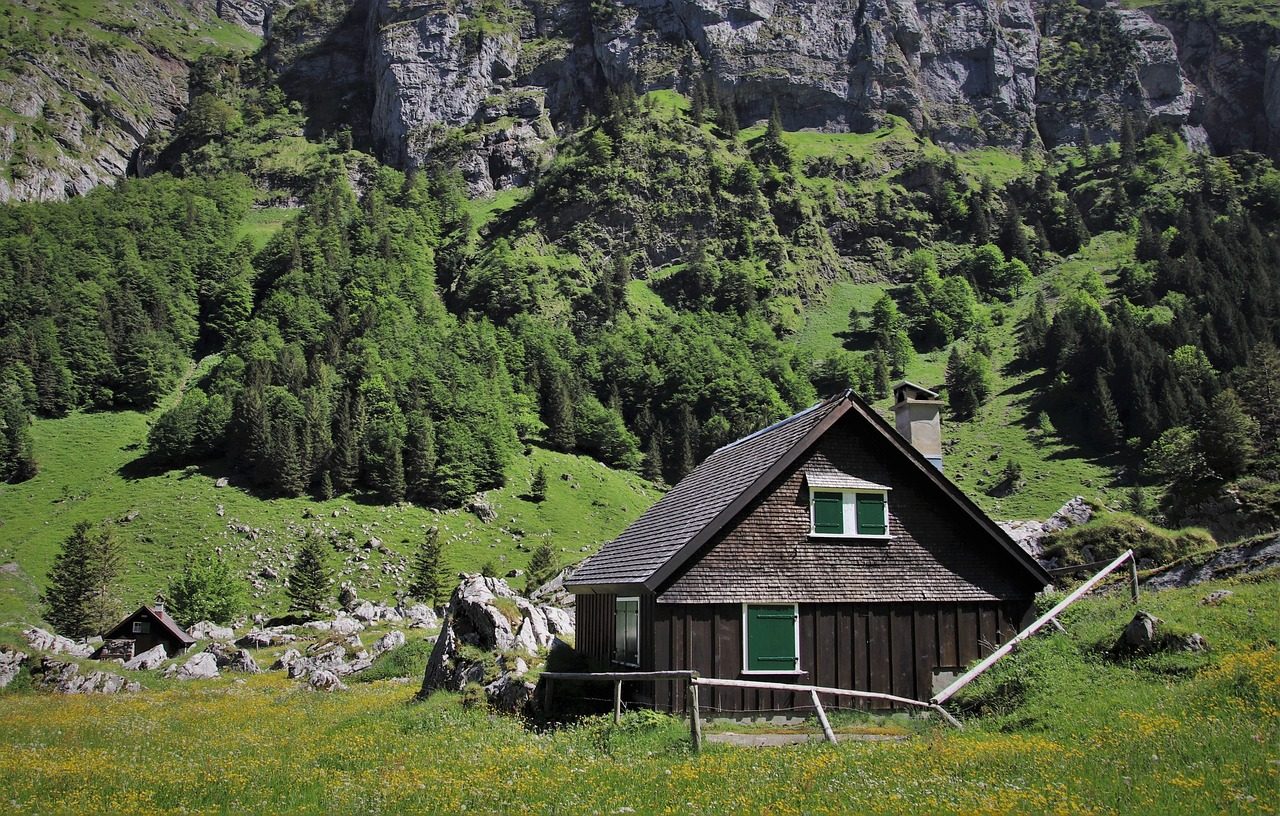
You can embrace the solitude of mountain life as a chance to slow down and reconnect with yourself. The quiet allows space for reflection, creativity, and appreciation of simple moments. Spending time in nature strengthens resilience and gratitude. When you find peace in stillness, surviving alone becomes an empowering and deeply rewarding experience.