A lot of people are preparing hard and thinking clearly. But when it comes to rifle caliber, many are still buying for the fantasy instead of the likely problem.
The caliber debate usually starts in the wrong place
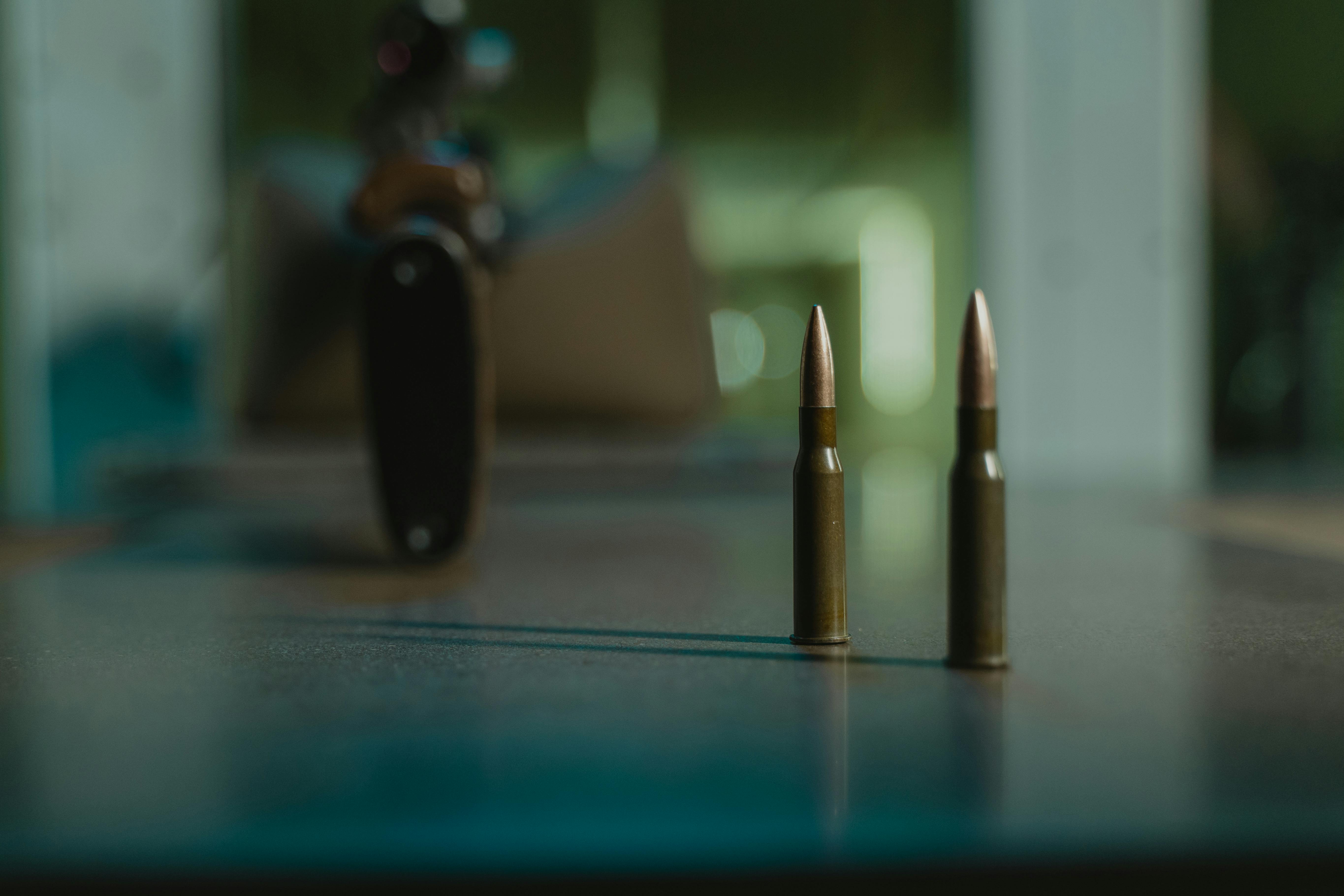
Most prepper conversations about rifle caliber begin with power. People ask what round hits harder, penetrates deeper, or performs best at distances they are unlikely to shoot in real life. That sounds practical, but it often ignores the conditions most civilians would actually face during disasters, civil unrest, or prolonged supply disruptions.
In the real world, logistics matter more than internet bravado. A rifle is only as useful as the ammunition you can find, carry, store, and shoot well under fatigue. That is why many experienced instructors focus less on dramatic terminal ballistics and more on availability, recoil control, magazine weight, and training consistency.
The common mistake is assuming a prepper rifle should mimic a battlefield rifle. Military choices are shaped by squad tactics, resupply chains, armored support, and mission profiles that do not resemble home defense or community security. What works for a professional force with organized support may be a poor fit for a household trying to stay fed, mobile, and discreet.
This is where many people go wrong. They stockpile rounds that look serious on paper but create problems in practice. The best prepper caliber is rarely the one with the most intimidating reputation. It is the one that keeps working when your budget, your body, and the market are all under pressure.
Why 5.56 NATO keeps beating heavier rounds

For most civilian preparedness uses, 5.56 NATO keeps proving itself because it solves more problems than it creates. It is light, common, relatively affordable in normal market cycles, and easy for most shooters to control. Those advantages matter far more than caliber arguments built around edge cases.
Weight is the hidden factor that changes everything. A person carrying 210 rounds of 5.56 is hauling far less bulk and mass than someone carrying the same count of .308 Winchester. That difference affects mobility, fatigue, and how much food, water, medical gear, or batteries can fit in the same loadout.
Recoil is another point that gets dismissed until stress enters the equation. Under adrenaline, poor footing, darkness, or awkward shooting positions, lighter recoil helps people make faster follow-up shots and maintain situational awareness. That benefit is especially important for smaller-framed shooters, older adults, and households where one rifle may need to fit several users.
There is also the simple issue of platform support. AR-15 pattern rifles in 5.56 are common, parts are everywhere, and magazines are cheap compared with many alternatives. In a disrupted economy, commonality becomes a survival feature, not just a convenience. The boring choice often turns out to be the resilient one.
The .308 myth: great cartridge, wrong default answer
None of this means .308 is a bad cartridge. It is an excellent round with strong performance, useful range, and a long history in hunting, precision shooting, and designated marksman roles. The problem is that many preppers treat it like a universal answer when it is really a specialized tool with obvious tradeoffs.
A .308 rifle usually weighs more, hits the shoulder harder, and costs more to feed. Ammunition is heavier, magazines are bulkier, and the rifles themselves are often more expensive to build and maintain. Those are not small details when people are trying to train regularly and store meaningful reserves.
Many buyers justify .308 by imagining long-range engagements around open land. Yet according to FBI data and years of defensive shooting analysis, most civilian gunfights happen at short distances. Even outside that context, rural property defense rarely resembles a precision rifle match where 600-yard capability decides the outcome.
There is also a training penalty. If ammo is expensive and recoil is tiring, people shoot less. A less practiced shooter with a more powerful rifle is often worse prepared than a highly practiced shooter using a lighter, cheaper caliber. That is the quiet reason huge stockpiles of premium rifle ammo often sit untouched while fundamentals get neglected.
Why availability and interchangeability matter more than hype
Preparedness is really an argument for standardization. The more common your caliber, magazines, parts, and maintenance knowledge, the easier it is to stay functional when shelves are empty and shipping slows down. During the ammunition shortages of 2020 and 2021, many people learned that obscure or premium calibers can become difficult to replace quickly.
That does not mean common calibers never disappear. They absolutely do. But when production ramps back up, mass-market cartridges usually return first because manufacturers know where demand is deepest. In the United States, 5.56 and .223 Remington remain among the most widely produced centerfire rifle rounds, which gives them a practical edge over niche options.
Interchangeability matters inside families and groups, too. If several people use similar rifles, magazines, spare bolts, slings, optics mounts, and cleaning tools can often be shared. That lowers total cost and reduces the number of unique failure points. A preparedness plan becomes stronger when it depends on fewer one-off items.
This is one reason many trainers recommend choosing a cartridge with broad civilian adoption rather than chasing trends like 6.5 Creedmoor for defensive stockpiles. 6.5 is impressive at distance, but preparedness is not a ballistics beauty contest. It is a long game of sustainment, and sustainment always favors the common solution.
Hunting needs are real, but often overstated.
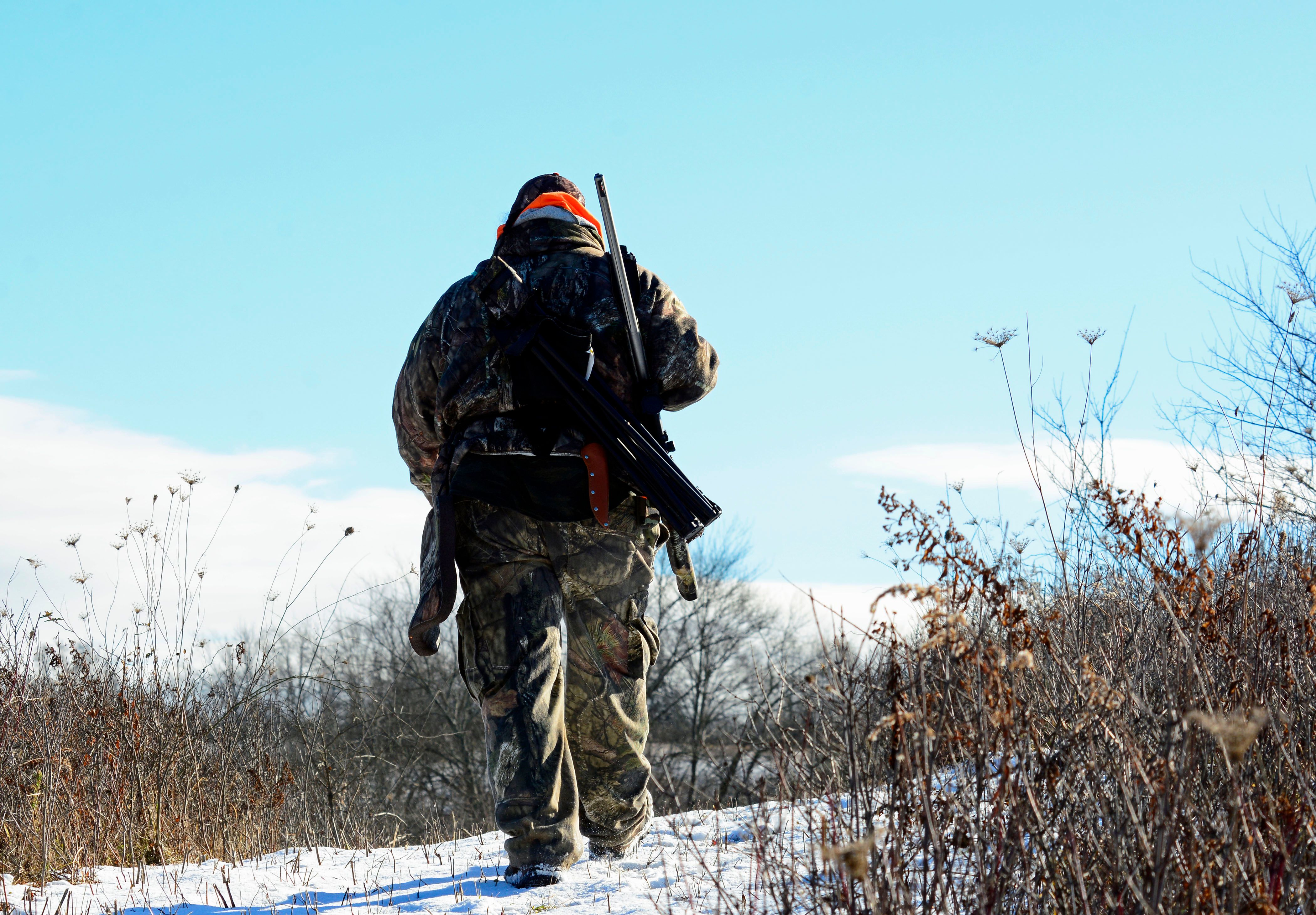
A lot of preppers defend larger calibers by saying they need one rifle that can fight and hunt. That sounds efficient, but it can become a compromise that serves neither role especially well. In much of North America, the more likely hunting task in a prolonged disruption would involve small to medium game, not constant harvesting of elk-sized animals.
For deer-sized game, many states already allow .223 or 5.56 under certain conditions, though regulations vary and bullet selection matters. Plenty of hunters still prefer larger rounds, and that preference is understandable. But there is a difference between ideal hunting performance and what makes sense as the default caliber for a broad preparedness plan.
The overlooked issue is food economics. A centerfire rifle is not always the best tool for quietly and efficiently gathering calories. Shotguns, rimfire rifles, traps, where legal, fishing gear, and stored food all play a larger role than many people admit. Designing your rifle around a heroic hunting fantasy can lead to poor decisions everywhere else.
If someone truly needs a hunting-first setup for larger game, that can justify a separate caliber. What usually does not make sense is assuming every prepper should center their stockpile on a full-power battle rifle round just in case a distant hunting opportunity appears. That logic sounds rugged, but it is often just expensive overplanning.
The best caliber is the one your whole household can run
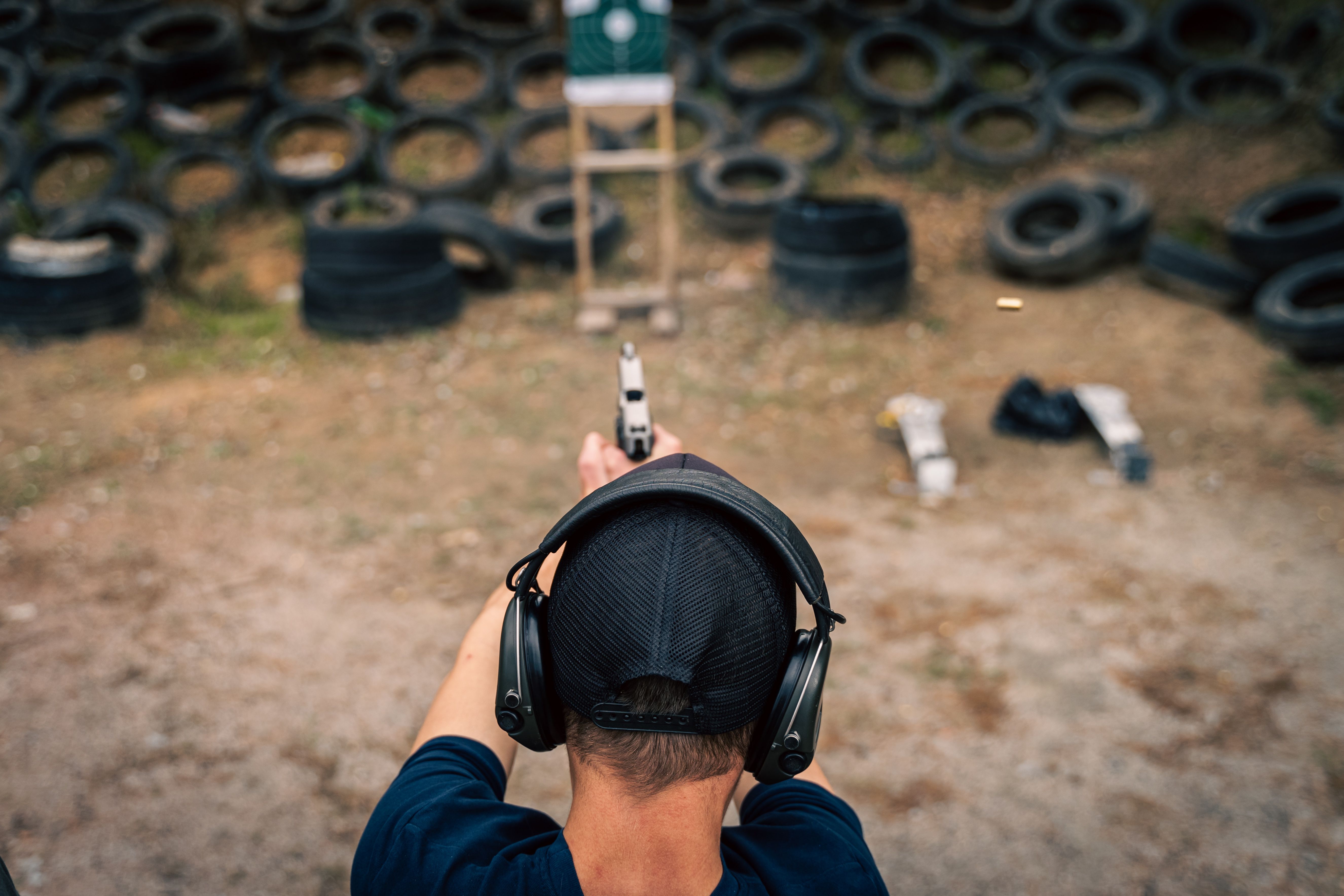
Preparedness is not a solo movie. In many homes, the practical rifle caliber is the one that multiple adults can shoot confidently, reload quickly, and carry for extended periods. That immediately shifts the conversation away from macho energy and toward usability, because the strongest plan is the one the entire household can execute.
This is where 5.56 keeps showing up as the smart default. Newer shooters generally learn faster with lighter recoil, and practice sessions are less punishing physically and financially. Better training leads to better manipulations, fewer flinches, and higher confidence, which matters more than squeezing out extra energy on a ballistics chart.
A 2024 study on defensive firearms training would likely tell the same story many instructors already know from the range: people perform best with manageable equipment they train with often. Under stress, simplicity wins. A familiar rifle with affordable ammo usually beats a heavier, louder setup that only comes out a few times a year.
Even the psychological side matters. If one family member avoids the rifle because it is unpleasant to shoot, then your preparedness plan has already failed part of the test. Gear should expand capability, not narrow it. A caliber that encourages repetition and competence is almost always the wiser stockpiling decision.
What most preppers should actually stockpile instead?
For the average civilian prepper, the strongest default choice is still 5.56 NATO or .223 Remington in a reliable, common rifle platform. Not because it is perfect, but because it balances the things that matter most: availability, controllability, weight, cost, parts support, and broad user compatibility. That balance is what keeps systems running in bad times.
A smart stockpile is also more than ammo cans stacked in a closet. It includes magazines that have been tested, replacement springs and small parts, a practical optic, a white light, a sling, cleaning supplies, and actual training time. The caliber choice only works if the full package is dependable and familiar.
For households with different needs, exceptions are reasonable. Someone in bear country, someone primarily hunting large game, or someone already invested in another ecosystem may choose differently. But exceptions should be built from real constraints, not from online status games or romantic ideas about what preparedness is supposed to look like.
The hardest truth in prepping is that useful gear is often boring gear. The wrong caliber is usually the one chosen to impress, intimidate, or prepare for a cinematic scenario. The right caliber is the one that helps ordinary people stay capable, mobile, and supplied when ordinary systems start breaking down.