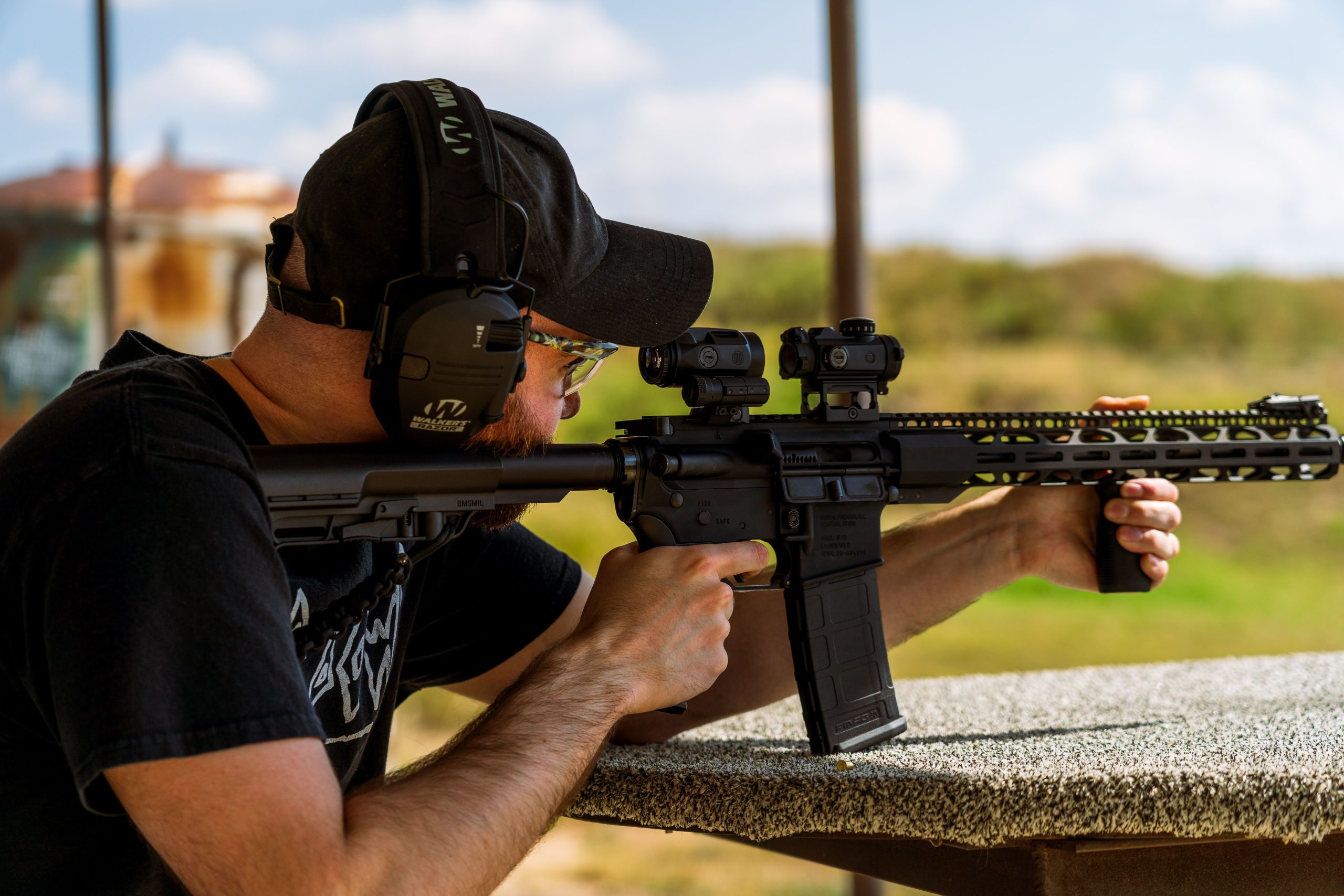
A reliability test should ask more than whether a firearm fires five clean groups from a bench. A useful field trial exposes the working parts to the annoyances that happen outside a range session. Military small arms test procedures, for example, include sand, dust, mud, immersion, rain, humidity, drops, and sustained firing. A serious reviewer can adapt that thinking without pretending a backyard test is a formal certification. The goal is simple: reveal stoppages, difficult controls, damage, and maintenance demands before calling a gun dependable.
1. The 200-Round Baseline Test
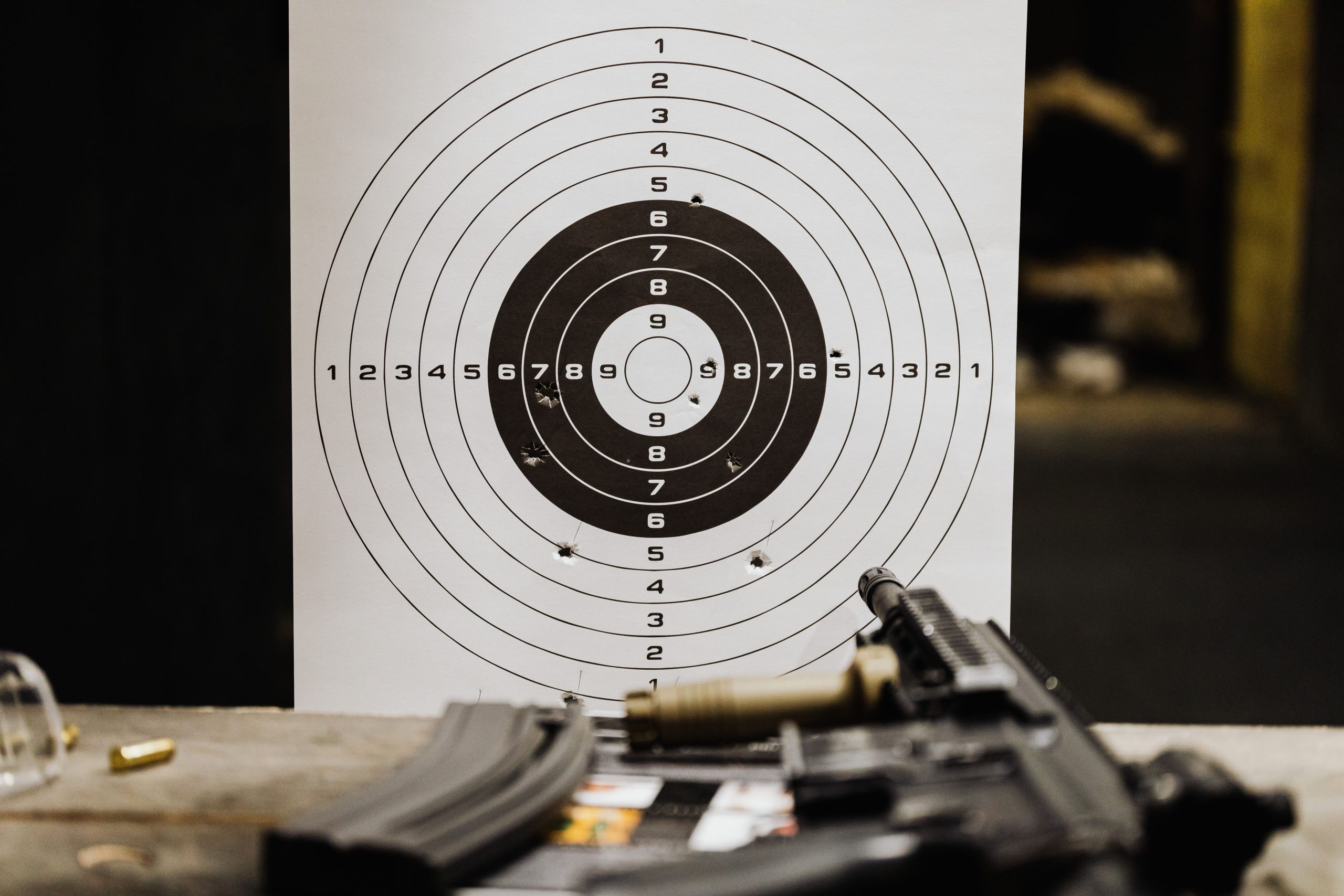
Start with a controlled dry-firing session using the same ammunition, magazines, and shooting pace throughout the test. Record every stoppage instead of remembering only the impressive moments. A useful baseline might be 200 rounds, split into 4 blocks of 50, with the magazine and ammunition lot documented. Note failures to feed, fire, extract, or eject, then record how they were cleared. Military procedures likewise emphasize counting rounds, malfunctions, clearance time, and maintenance actions. This creates evidence rather than impressions. Consistency matters.
2. The Dust Exposure Test
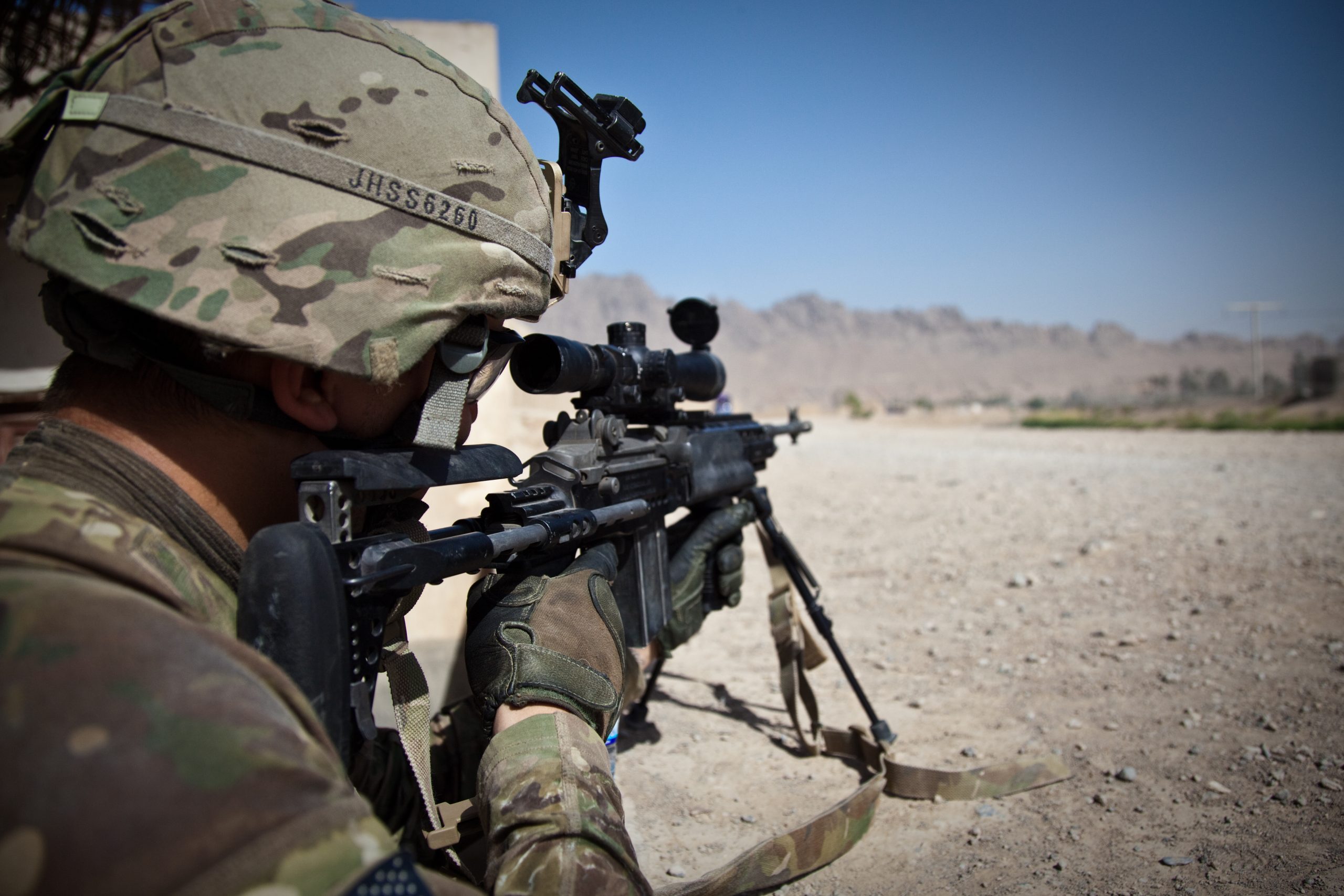
Dust can turn a smooth action into a frustrating one, especially when fine particles reach contact surfaces and recesses. A meaningful field check should focus on realistic exposure, never by contaminating a loaded firearm. Keep the firearm unloaded during contamination, follow the manufacturer’s cleaning instructions, and inspect controls afterward. Then conduct the firing portion only when the firearm is safely prepared. Formal test methods distinguish fine dust from larger blowing sand because particle size changes how contamination enters, abrades, or blocks moving parts.
3. The Water Exposure Test
Water exposure deserves more attention than a quick splash on the exterior. It can affect lubrication, corrosion protection, controls, and ammunition handling. A safe reviewer can separate the environmental observation from the firing test: keep ammunition away during wet handling, drain and inspect the firearm as directed by the manufacturer, and stop if water may remain in the bore or action. Formal small arms procedures have evaluated fresh-water immersion around 1 meter for 30 minutes, but that is a controlled test, not a casual home challenge.
4. The Mud Contamination Test
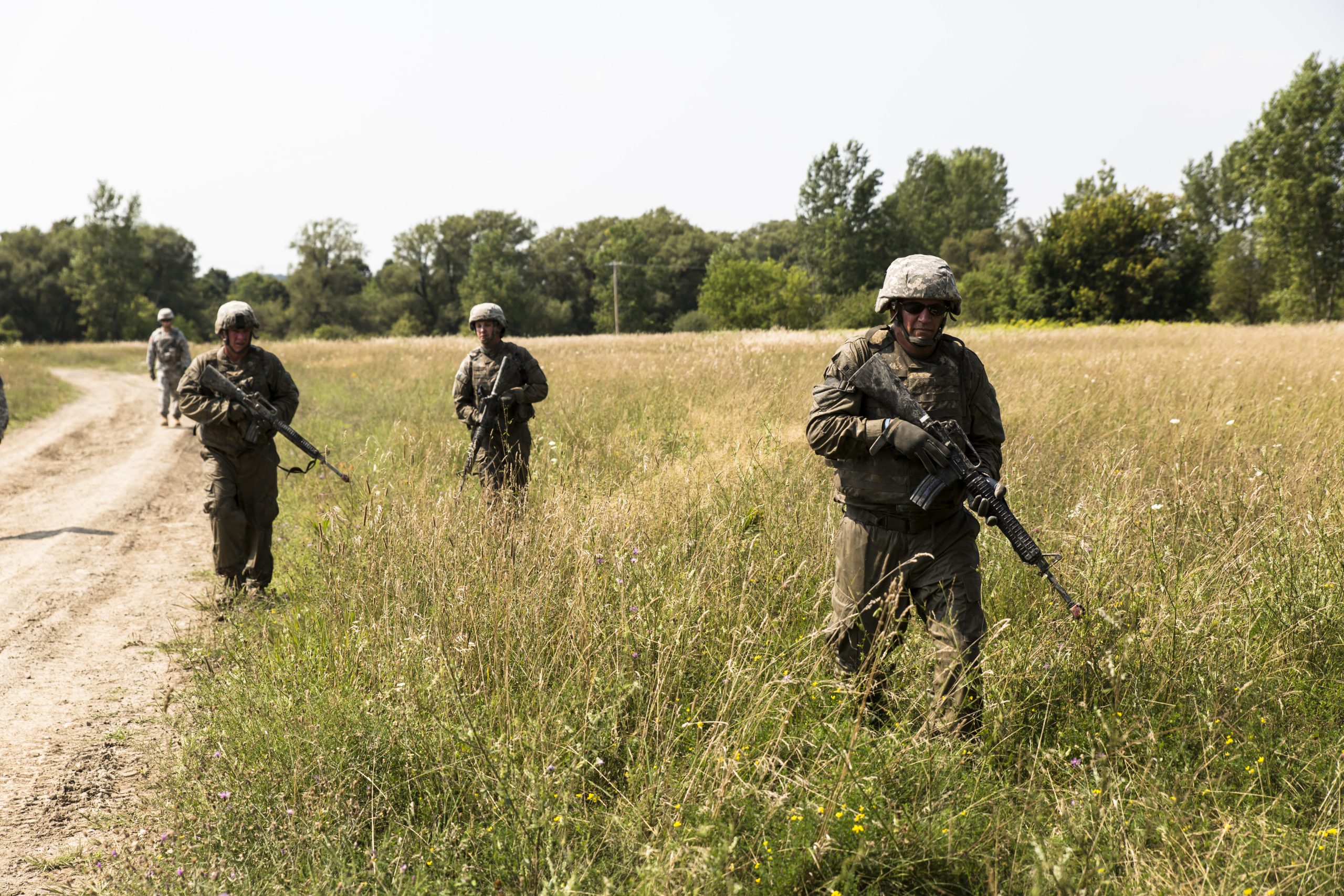
Mud is especially revealing because it can interfere with movement, controls, and magazine changes. However, this is one test where improvisation can create a dangerous obstruction, so reviewers should not copy military procedures blindly. Instead, examine how easily mud reaches exposed controls and how difficult normal field cleaning becomes, only with the firearm unloaded. Official testing has used both wet and dried mud conditions and recorded malfunctions, clearance attempts, and maintenance actions. A useful report therefore measures recovery effort, not just whether the gun works.
5. The Heat and Sustained-Fire Test

Heat can reveal problems a short-range session hides. Repeated firing can change lubricant behavior, increase fouling, alter handling, and expose weak components. Follow the firearm maker’s limits and record temperature, round count, stoppages, and cooling periods. A simple 4-block log can show whether problems cluster after 50, 100, 150, or 200 rounds. Formal operational tests also examine sustained fire, rate of fire, barrel condition, and maintenance. Those measurements are more useful than simply saying a gun “got hot.”
6. The Cold-Condition Test
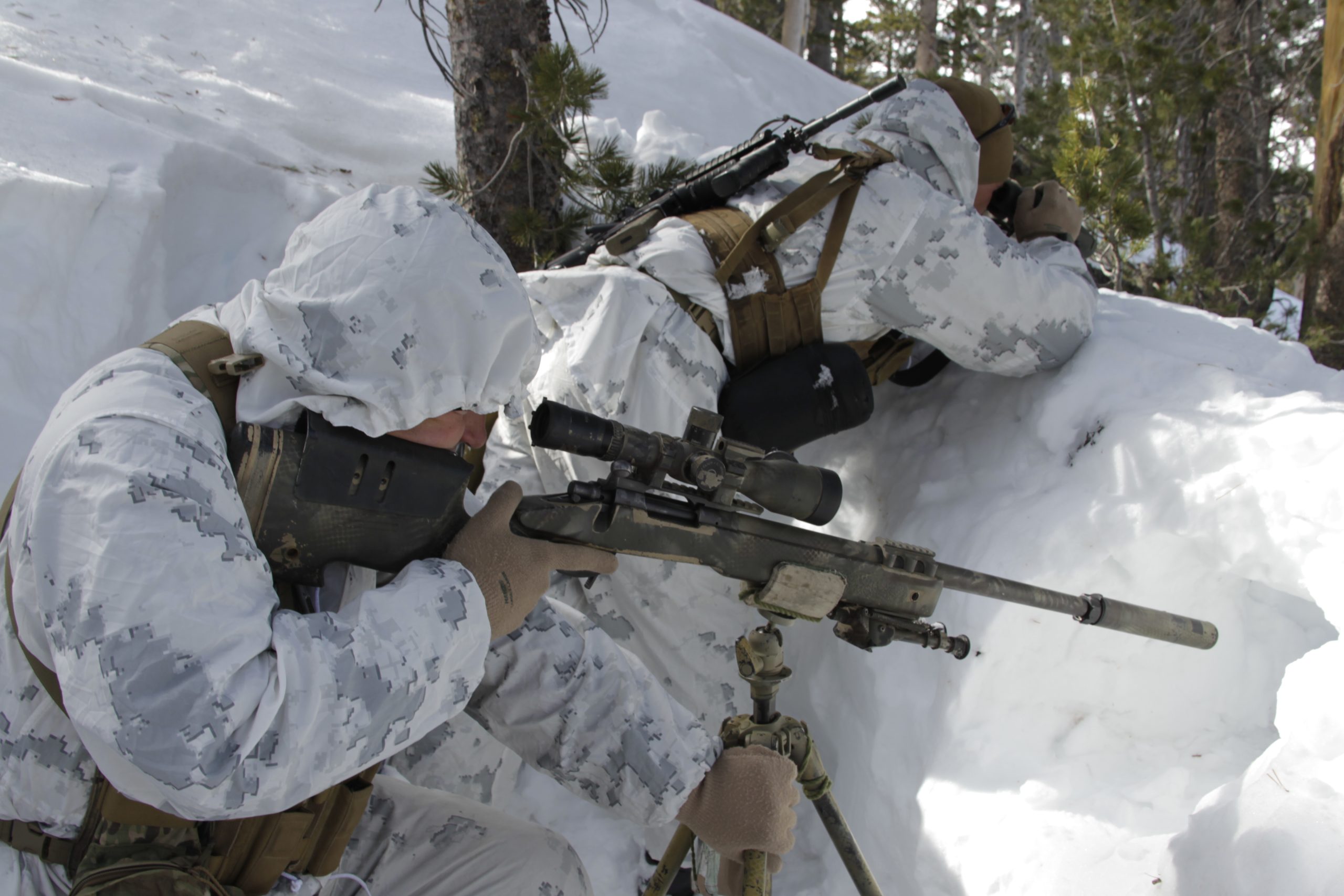
Cold can expose sluggish controls, stiff lubricants, battery issues in optics, and changes in handling that warm-weather reviews never mention. Use a documented temperature and conditioning period rather than a few minutes outdoors. Keep ammunition and the firearm within the manufacturer’s approved conditions, and do not fire if condensation or ice creates a bore or action hazard. Standards separate cold, heat, humidity, and temperature cycling because each stresses materials differently. A simple 2-cycle observation can reveal whether controls remain predictable.
7. The Controlled Impact Test
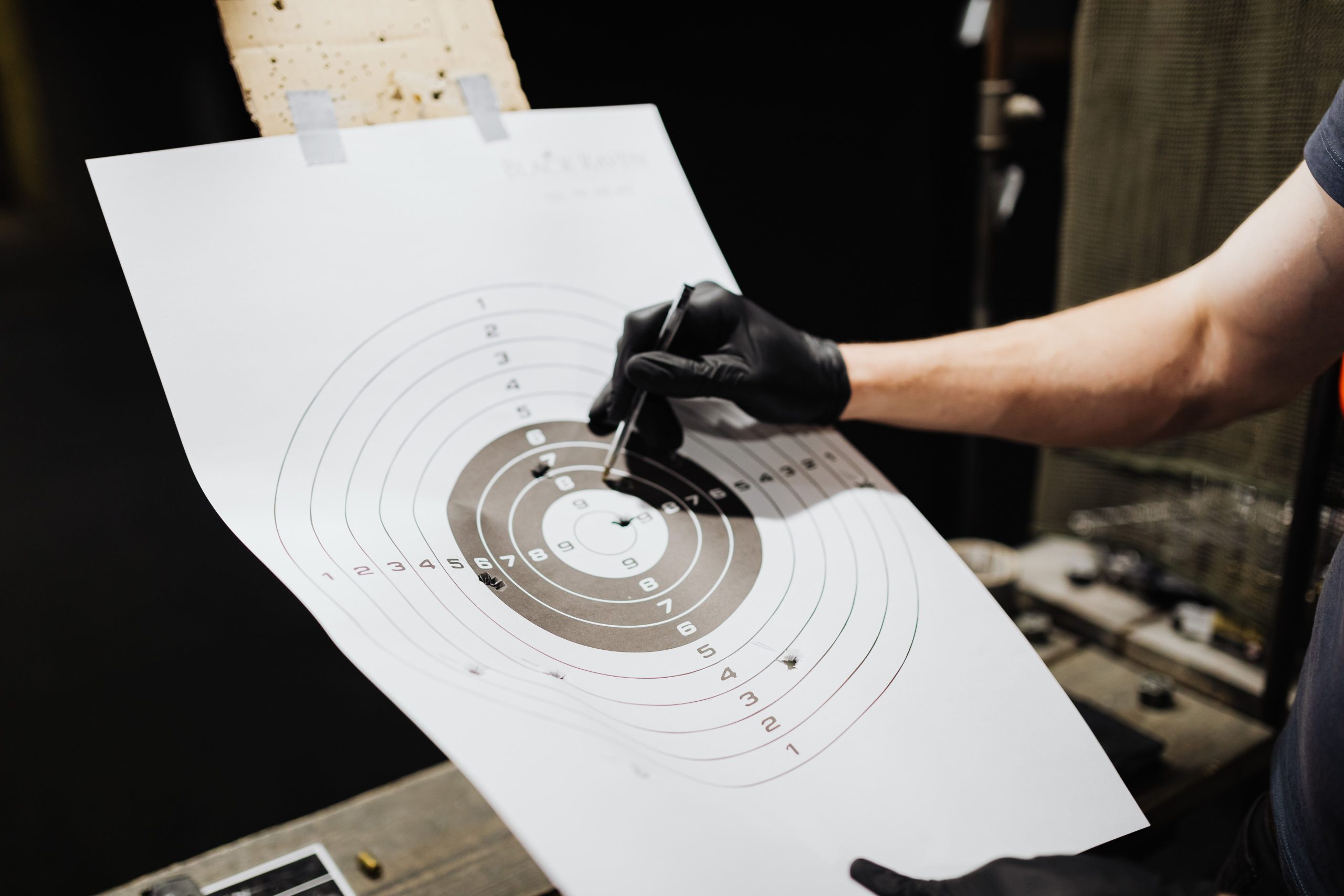
A drop test is valuable only when it is controlled and safe. Never drop a loaded firearm, and do not invent a dramatic height or surface challenge for entertainment. Follow the manufacturer’s guidance and use qualified testing for structural impact resistance. Document the firearm’s condition before and after any authorized test, including sights, stock, controls, magazines, and visible damage. Military programs use defined surfaces, configurations, and follow-up checks. A review should not equate that with casual abuse. Record whether the sights shift or controls move.
8. The Three-Magazine Reliability Test
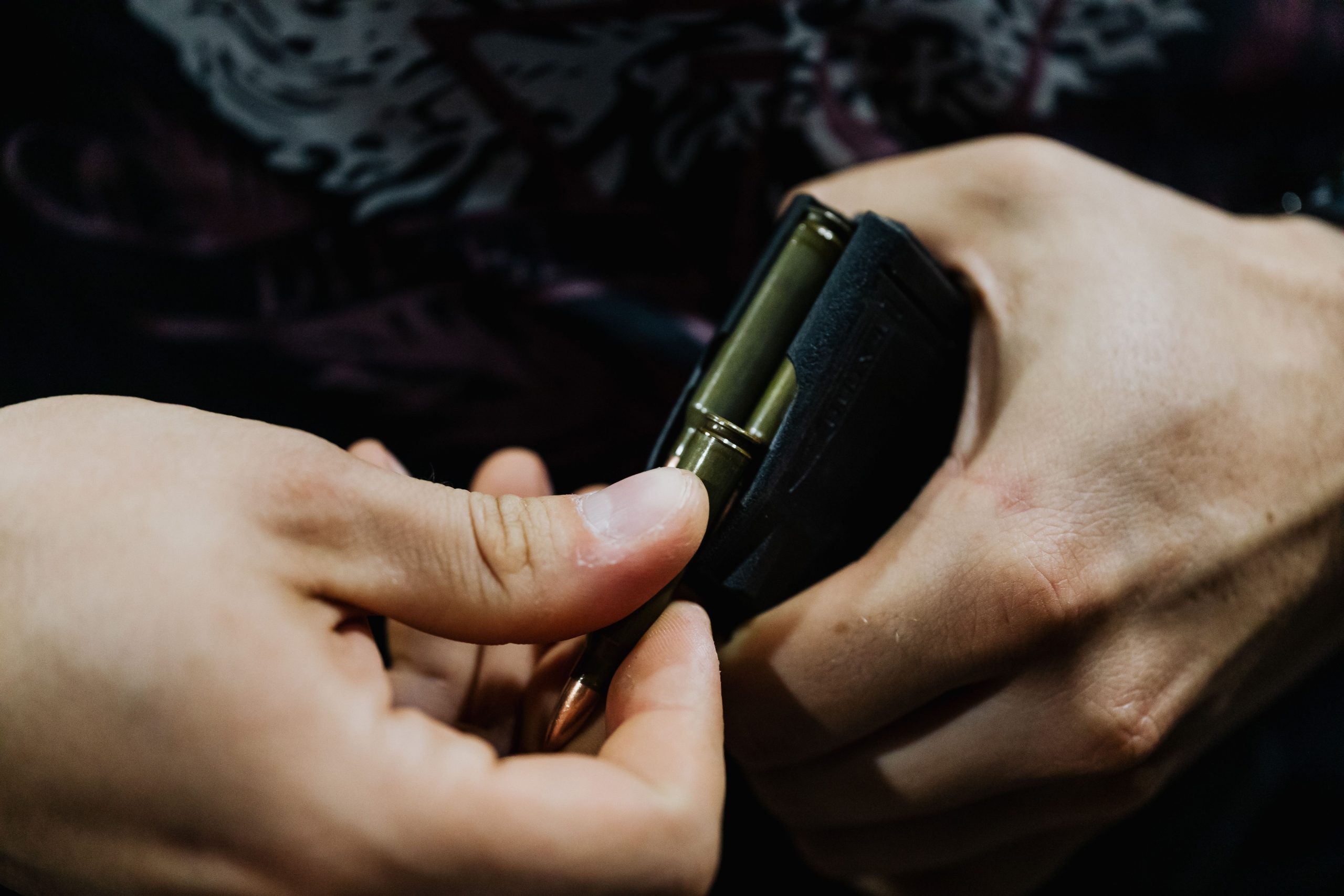
Reviewers often overlook magazine reliability. A sound firearm can still have feeding problems if a magazine is damaged or inconsistent. Test multiple magazines separately and label them, then record the round count and any magazine-specific stoppages. For example, compare 3 magazines over 150 rounds under the same conditions. Formal weapon evaluations also examine magazine insertion, removal, ammunition loading, capacity, and robustness. Identifying the magazine turns a vague problem into useful evidence.
9. The Maintenance-Recovery Test
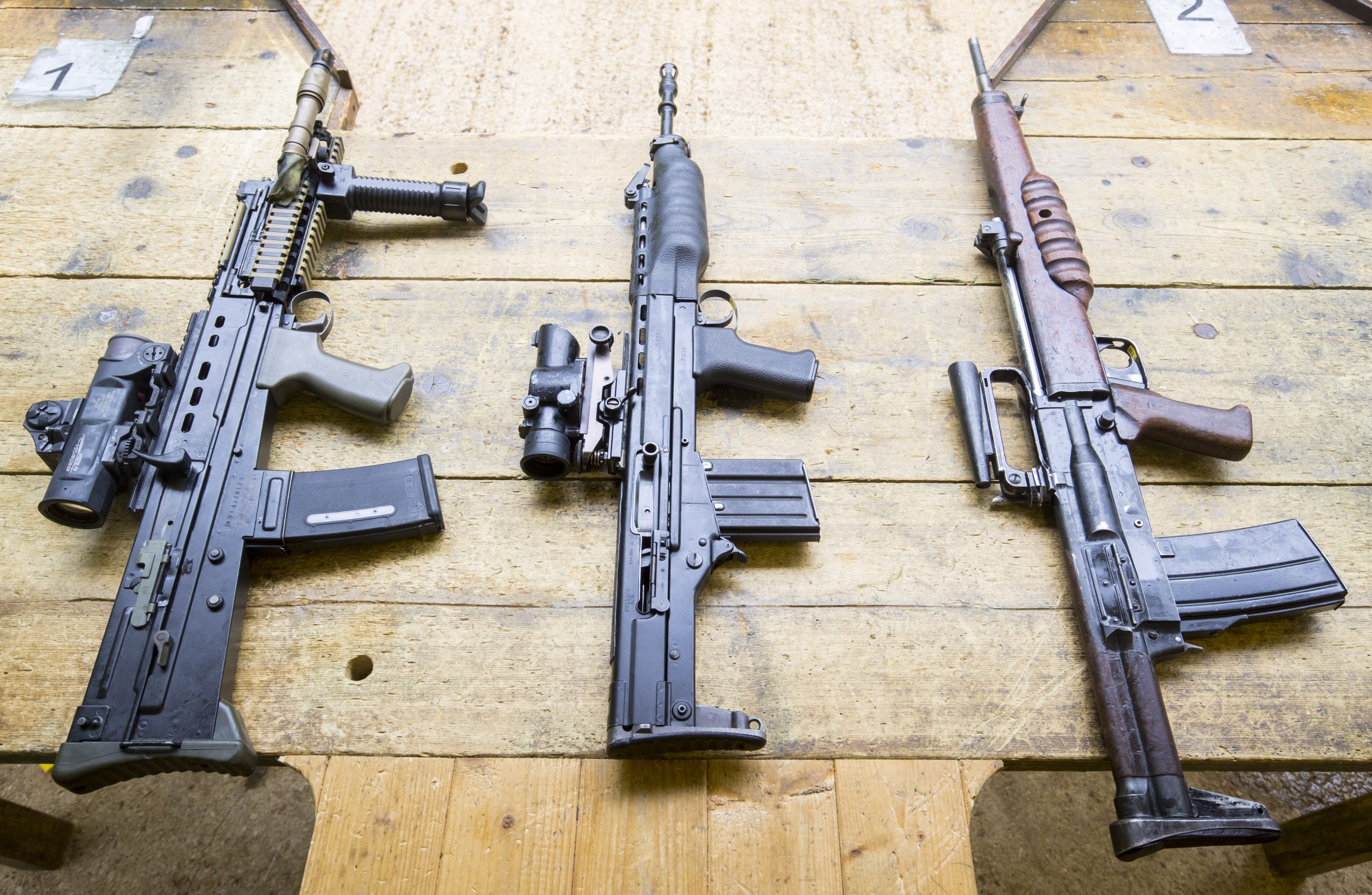
The final test is maintenance recovery, because field reliability includes what happens after a problem. Record cleaning time, required tools, access to fouling, and control function afterward. A practical review could log 3 maintenance cycles after 100, 200, and 300 rounds, within the manufacturer’s instructions. Military test documents specifically track maintenance actions alongside malfunctions and firing data. Two firearms can have the same stoppage yet require very different recovery effort. Note parts that loosen, wear, or become harder to operate.
10. The Complete Field-Condition Test
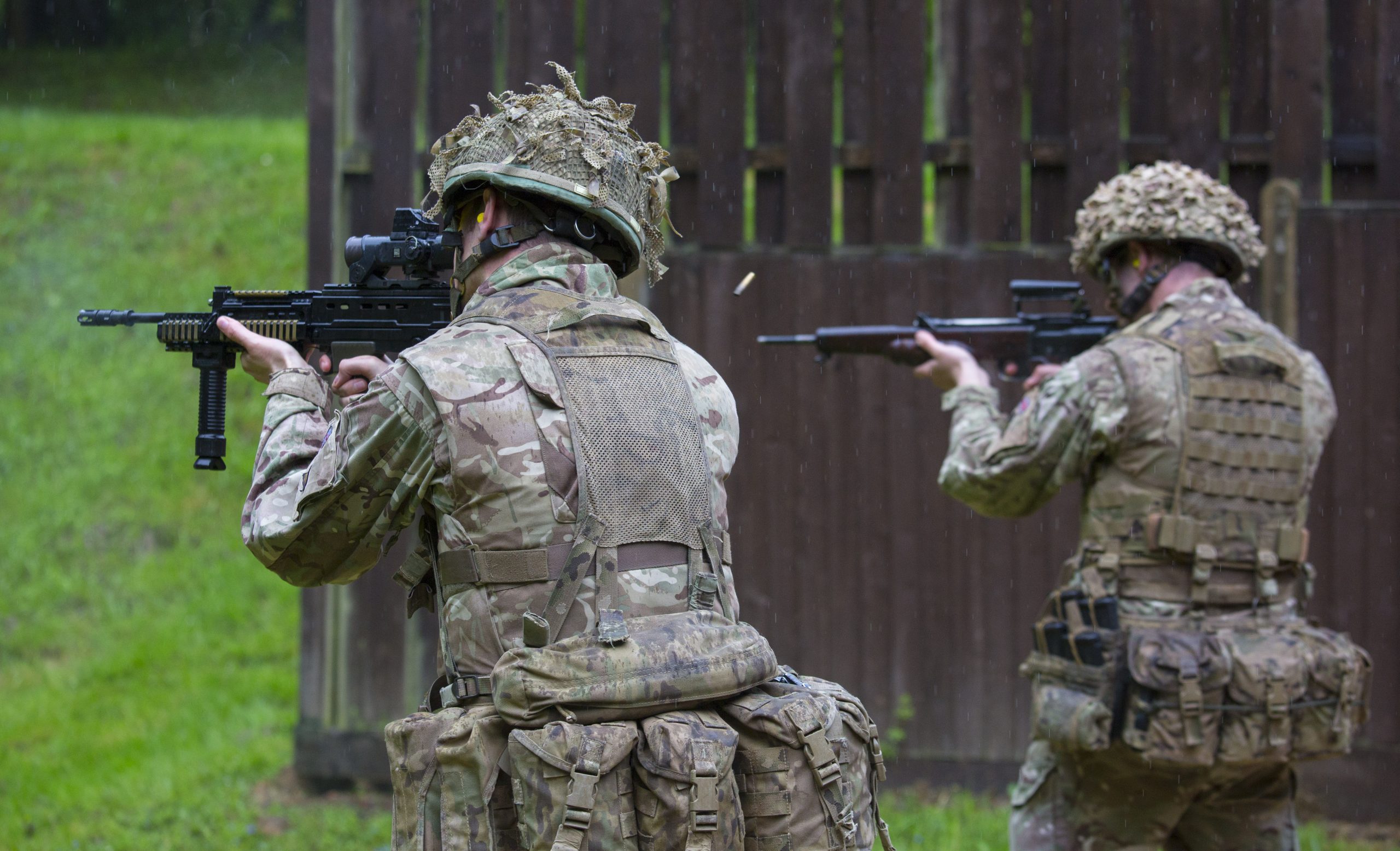
The most revealing evaluation combines observations instead of relying on one dramatic stunt. Track the firearm across several controlled conditions, such as 200 baseline rounds, dust exposure, water exposure, temperature changes, and multiple maintenance cycles. Record every stoppage, damaged component, difficult control, cleaning action, and ammunition change. Formal testing programs use multiple environmental stresses because reliability can change dramatically with conditions. A review that publishes this data gives readers a clearer picture than a few flawless range groups ever can.