Predator hunting has always attracted strong opinions. Right now, few topics split hunters faster than the argument over electronic calls and traditional mouth calls.
This Argument Is Really About More Than Sound
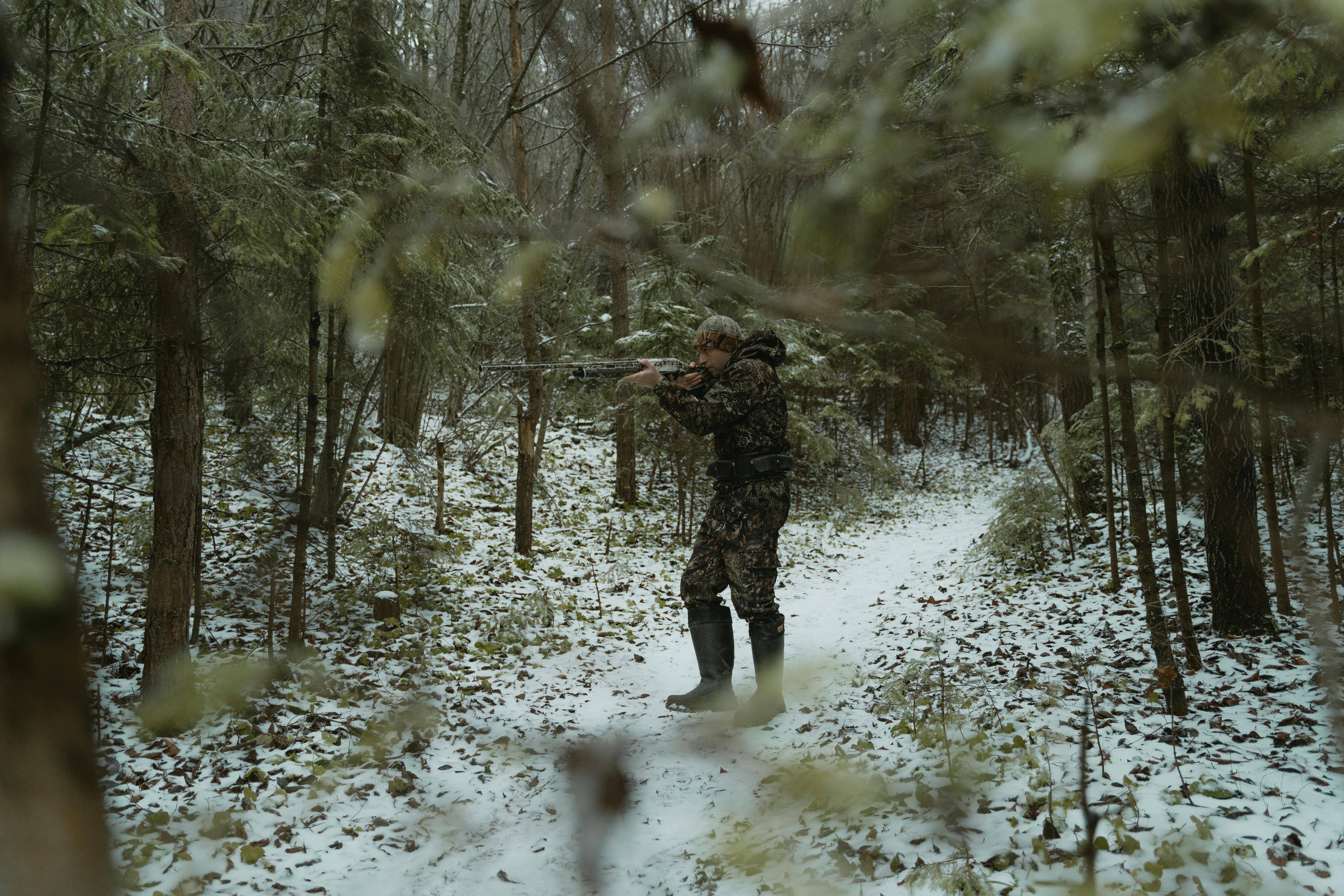
On the surface, the debate sounds simple. One side prefers electronic callers that can project rabbit distress, pup screams, or coyote vocals with the push of a button. The other side sticks with hand calls, from open reeds to closed reeds, arguing that skill still matters most. But if you spend time around experienced predator hunters, it becomes clear that the disagreement is not really just about volume, realism, or convenience.
What hunters are actually arguing about is what kind of hunt they value. Many mouth-call hunters see calling as a craft, something learned through repetition, failure, and small adjustments in tone and cadence. To them, producing the sound yourself is part of the challenge, much like fly anglers who tie their own flies or archers who obsess over instinctive shooting. The sound is not just a tool. It is proof of ability.
Electronic-call users often see the issue differently. Their view is that predator hunting is about reading terrain, understanding wind, choosing stand locations, and making clean shots under pressure. If technology helps deliver better sound placement and keeps an incoming coyote focused away from the shooter, they consider that smart hunting, not shortcut hunting. That difference in values is why the argument gets emotional so quickly.
Why Electronic Calls Gained So Much Ground

Electronic callers surged because they solve real field problems. A remote caller can be placed 30 to 80 yards away from the shooter, which often pulls a coyote’s eyes off the hunter and toward the sound source. In heavily hunted country, that separation can be the difference between a hard-charging response and a hang-up at 200 yards. Hunters in open Western terrain especially embraced e-callers for that reason.
The sound libraries also became far more sophisticated. Modern units from well-known brands can hold dozens or even hundreds of prey distress sounds, coyote vocalizations, bird sounds, and even regional variations that hunters believe match local conditions more closely. According to longtime predator calling competitors and outfitters, that variety matters most when animals have already heard the same common sounds over and over again. More options can mean more ways to trigger curiosity or territorial aggression.
Then there is consistency. A hand caller gets winded, cold, or sloppy after a long morning of stands. An electronic call does not. It can loop sound, shift volume precisely, and keep running while the hunter stays motionless. For newcomers, that reliability shortens the learning curve dramatically, which helps explain why so many newer predator hunters enter the sport through electronic systems first.
Why Mouth Calls Still Command Fierce Loyalty

Traditional mouth calls remain deeply respected because they offer something electronics never can. They create a direct connection between hunter and response, where every note, pause, squeal, and bark is made in real time. Skilled callers can react instantly if a coyote hangs up, circles, or starts to lose interest. That improvisation is hard to duplicate with preset sound files and remote buttons, even on advanced units.
There is also the matter of portability and simplicity. A mouth call rides in a pocket, works without batteries, and keeps functioning in brutal cold, wet snow, or dead-still silence where a hunter wants total control. Plenty of veterans tell stories about electronic remotes failing, speakers icing up, or batteries dying just when the morning finally gets good. A lanyard full of hand calls may look old-school, but it rarely quits.
Cost helps preserve that loyalty too. A quality mouth call may cost a fraction of a premium electronic setup, which can run into the hundreds. For younger hunters, rural families, or anyone trying to keep gear simple, hand calling remains one of the most accessible ways into predator hunting. That affordability also reinforces the belief that success should come from woodsmanship and practice, not from a bigger equipment budget.
The Pressure Problem Is Fueling the Split
One of the biggest reasons this divide has hardened is hunting pressure. In many parts of the country, coyotes, foxes, and bobcats are hearing more calls than ever before. Social media, online tutorials, televised hunting content, and easier access to equipment have all expanded participation. That means predators in some regions are becoming more cautious, more educated, and far less likely to commit to the first distress sound they hear.
Electronic-call supporters argue that pressured predators demand more strategy, not less technology. They point to quieter approaches, smarter decoy placement, and sound source separation as major advantages in areas where coyotes circle downwind or stop short. In places with wide visibility, an e-caller paired with a decoy can hold an animal’s attention just long enough to create a shot that might never happen with a hand call aimed from the shooter’s exact location.
Mouth-call advocates counter that pressured animals have often learned the predictable rhythm of popular sound files. They believe irregular, imperfect, hand-produced sound can feel more natural because real prey does not scream in neat digital loops. Some veteran callers deliberately vary volume, add long pauses, or mix distress with subtle whimpers to sound less scripted. In that view, pressure has not made hand calls obsolete. It has made them more valuable.
Skill, Identity, and the Ego Nobody Admits
This debate also cuts into identity, which is why it can become personal so fast. For many traditionalists, mastering a mouth call is a badge of honor. It takes breath control, timing, emotional discipline, and the confidence to run a stand without leaning on preloaded audio. When those hunters hear someone dismiss hand calling as outdated, they often hear something deeper: that years of earned skill are being treated as unnecessary.
Electronic-call users have their own frustrations. Many resent the implication that using modern gear makes them less authentic or less capable. They know that even the best sound library cannot fix bad wind, poor camouflage, a noisy setup, or weak marksmanship. Anyone who has watched coyotes swing downwind and vanish without offering a shot understands that technology does not erase the sport’s difficulty.
There is also a generational element. Older hunters often came up when hand calls were the only realistic option, so self-produced sound became central to the tradition. Younger hunters, by contrast, entered a world of remotes, decoys, rechargeable batteries, and app-based controls, where using technology feels normal rather than suspect. The split is not purely old versus young, but the culture around each camp often reflects that history.
What Actually Works Best in the Field
In real hunting situations, the answer is usually less dramatic than the argument suggests. Many successful predator hunters use both systems depending on terrain, season, partner setup, and target species. In tight cover, a mouth call may offer cleaner control and faster adjustments. In open country, an e-caller placed away from the shooter can create better shot angles and reduce the chance of being spotted.
There are countless examples of hybrid strategies working well. A hunter might begin a stand with low-volume hand calling, then switch to an electronic caller for sustained distress, and finish with kiyi sounds or challenge barks by mouth if a coyote appears hesitant. Competitive callers and outfitters often describe this layered approach as practical rather than ideological. They are focused on response rates, not purity tests.
Weather, regulation, and local conditions matter too. Some states restrict certain electronic features, and some public-land hunters prefer lighter kits for long walks between stands. Windy days may favor amplification, while calm mornings may reward subtle hand calling. The best hunters usually adapt instead of preaching one absolute system, because predator behavior changes faster than any debate does.
The Real Divide Comes Down to Philosophy
So what is the real reason predator hunters are dividing into two camps? It is not simply because one tool is newer and one is older. The split exists because each method symbolizes a different idea of what success should mean. One camp tends to prize efficiency, flexibility, and using every legal advantage available. The other places more weight on personal skill, simplicity, and the satisfaction of making the sound by hand.
Neither side is entirely wrong. Predator hunting has always mixed craft with adaptation, and every generation redraws that balance with the tools it trusts. A mouth call can represent discipline and intimacy with the hunt. An electronic call can represent strategy and smart problem-solving. The friction comes when hunters stop treating those as different styles and start treating them as moral categories.
In the end, coyotes do not care about the argument. They care about wind, movement, hunger, territory, and opportunity. The smartest hunters usually understand that the real edge comes from reading those factors better than the next person, whether the sound comes from a reed between your lips or a speaker in the sage.