A few stamped letters can tell a bigger story than most owners realize. On an imported firearm, the so-called code is often less of a secret cipher and more of a compressed biography written in steel.
Why import stamps matter more than most buyers think

Many shooters notice an import mark only when it hurts collector appeal or interrupts a clean receiver line. That misses the real value. An import stamp is often the fastest way to separate a true bring-back myth from a documented commercial import, and that difference can change both price and provenance dramatically.
Under federal marking rules enforced by the ATF, licensed importers must identify imported firearms with information that includes the importer’s name, city, and state, plus model, caliber or gauge, foreign manufacturer, country of manufacture, and a serial number or other required identifying information on the frame or receiver. ATF’s tracing guidance says these markings are central to identifying a firearm correctly, not just for regulation but for history.
That means the mark is a trailhead. If a rifle says CAI GEORGIA VT, PW ARMS REDMOND WA, or KBI HBG PA, you are looking at a specific importer and place of business, not decoration. According to ATF regulations, importer identity is a required part of the gun’s legal entry into the U.S. market.
For collectors, that matters because import marks usually place the gun in a known wave of surplus or commercial importation. A Soviet-bloc SKS, a Mauser, or a Browning-pattern pistol can often be narrowed to a particular era of U.S. demand once the importer stamp is decoded and matched to known business activity.
What the law actually requires on an imported firearm

A lot of people talk about import codes as if they were assigned by a master international registry. In practice, the mark usually reflects compliance language, not a romantic factory secret. The legal baseline comes from 27 CFR § 478.92, which requires licensed importers and manufacturers to mark firearms legibly and conspicuously on the frame or receiver.
For imported guns, ATF regulations specify that the firearm must bear the importer’s name or recognized abbreviation and the city and state where that importer maintains its place of business. The regulation also requires model, caliber or gauge, foreign manufacturer, and country of manufacture information. ATF guidance for tracing repeats those same core elements.
That is why many imports carry abbreviations instead of full corporate names. A short form such as CAI for Century Arms International or CDI for another importer may be acceptable if it is a recognized abbreviation. It is not a hidden collector code. It is a compliance-friendly shorthand that still points back to a legally identifiable company.
ATF’s importation guidebook also notes physical marking standards, including depth requirements for impressed markings. So if the stamp looks crude, tiny, or placed in an awkward location, that often reflects the reality of meeting federal import rules on a firearm that was never originally designed with American marking space in mind.
How to decode the usual pieces of the stamp

Once you stop expecting a single magical code, the stamp becomes easier to read. Start by breaking it into parts. Most import marks include three practical clues: who imported it, where that importer was located, and what the gun is claimed to be in terms of origin or chambering.
Take an example like “PW ARMS REDMOND WA.” The first part identifies the importer. The second part identifies the city and state. If the same rifle also says “MADE IN CHINA” or bears a foreign arsenal mark elsewhere, you now have both the original manufacturing origin and the American company that brought it in.
Then look at the rest of the gun. The serial number, model designation, caliber marking, factory crest, proof marks, and stock cartouches can either support the import mark or raise questions. ATF’s tracing page makes clear that proper identification relies on the full set of markings, not one stamp in isolation.
This is where experienced collectors earn their keep. If the importer mark suggests a 1990s surplus batch but the configuration matches an earlier military pattern only rarely seen in that stream, you may have a parts mix, a refurb, or a variant with better-than-average collector interest. The stamp does not answer everything, but it tells you where to start asking smarter questions.
What can an importer’s name reveal about the era and route?
Importer names are useful because companies tend to cluster around specific import eras. Century Arms, Interarms, Blue Sky, KSI, Samco, and PW Arms each became associated with certain categories of military surplus or foreign commercial arms in different periods of the American market. Recognizing those names helps date the gun’s U.S. life even when factory records are thin.
A Blue Sky marked M1 Carbine is the classic example. The rifle may be U.S. made, but the Blue Sky stamp points to a reimported carbine that returned from overseas service stocks, especially from Korea-linked channels discussed for decades in collector circles. The mark does not tell the whole chain of custody, but it immediately tells you the rifle was not sitting untouched in an American attic since 1945.
The same logic applies to Cold War surplus. A Romanian, Yugoslav, or Chinese rifle imported by a major 1980s or 1990s firm likely entered during a broader surplus wave rather than as a one-off specimen. ATF rules requiring importer identification make those commercial pathways visible in a way many original military markings do not.
In plain terms, the importer is often the date stamp for the gun’s American chapter. Even if the mark does not list a year, it narrows the probable window enough that catalogs, old ads, trade publications, and serial range discussions can do the rest.
The difference between original military marks and U.S. import marks

This is the mistake that trips up beginners. Factory and military marks usually describe where the gun was born. Import marks describe when and through whom it entered the U.S. civilian market. Those are separate layers of history, and mixing them up leads to bad assumptions.
An original arsenal crest, proof house symbol, inspector cartouche, or acceptance stamp was applied in the gun’s country of manufacture or service life. A U.S. import mark was typically added later by the licensed importer to satisfy federal law. According to ATF, the importer must ensure required identification appears on each firearm, including importer and foreign manufacturer information when applicable.
Because of that, the cleanest collector examples are often those imported before modern marking practices became more conspicuous, or those marked in less obtrusive places. Some surplus buyers pay premiums for small barrel marks over large billboard-style receiver stamps, even when both are perfectly legitimate.
That preference is aesthetic, not historical. A large import mark may be ugly, but it can also be incredibly informative. In some cases, it confirms that a gun was part of a known import batch, which can help authenticate a configuration that might otherwise be dismissed as too unusual to trust.
What import marks can and cannot prove
Import marks are powerful, but they are not magic. They can usually prove that a firearm entered the United States through a licensed importer and identify that importer’s business location. They can often suggest an era of importation and connect the gun to a broader surplus pipeline documented by collectors and dealers.
They usually cannot prove battlefield use, elite military issue, or a dramatic wartime capture story. If a seller says a stamped Tokarev or Mauser was “definitely a vet bring-back,” an import mark is often the first reason to doubt that claim. A commercial import stamp points toward postwar importation, not private wartime souvenir return.
ATF recordkeeping rules require licensed importers to record the manufacturer, model, caliber or gauge, country of manufacture, serial number, and date of importation or acquisition in their acquisition records. That means documentation exists in principle, but ordinary buyers usually will not get a neat public dossier from the stamp alone.
So think of the mark as strong evidence, not a full case file. It can narrow possibilities, eliminate fairy tales, and anchor a timeline. It cannot replace factory letters, capture papers, military records, or expert examination of finish, parts, and wear patterns.
How smart collectors use stamps before they buy
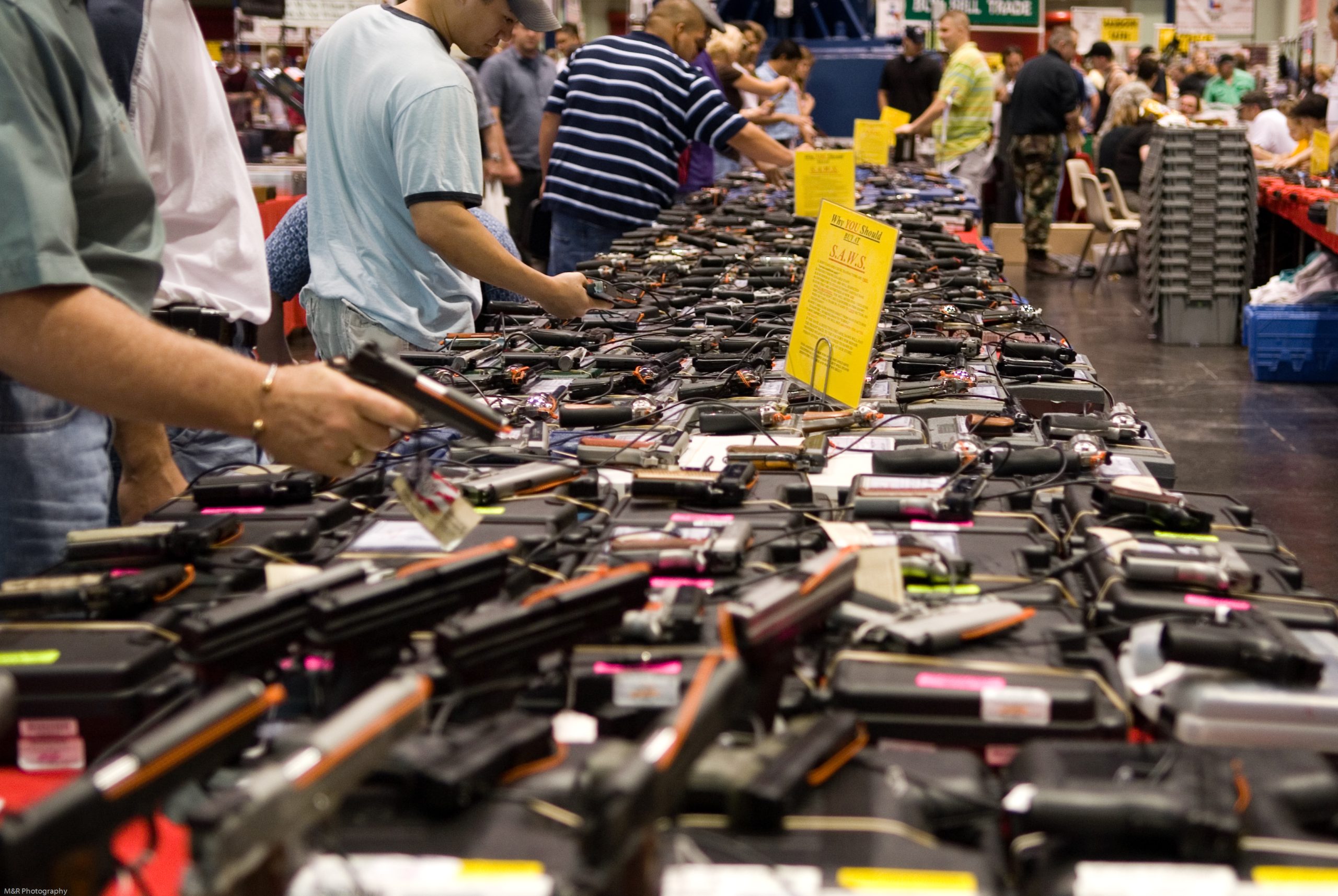
The best time to read an import mark is before money changes hands. On a table at a gun show or in a shop rack, that little line of text can warn you that a supposed all-original collectible is actually a reimport, a refurbishment, or a far more common import-wave example than the tag suggests.
Start with a flashlight and read every line on the receiver and barrel. Note the importer abbreviation, city, and state exactly. Then compare that with the gun’s manufacturer markings, serial format, and overall configuration. If the parts tell one story and the import stamp tells another, slow down and investigate.
Collectors also use import marks to judge desirability, not just authenticity. Some buyers specifically seek examples tied to famous surplus eras, while others avoid heavy billboard marks altogether. Neither approach is wrong, but both depend on recognizing what the stamp is saying.
In the end, import marks reward patient reading. They are not glamorous, and they rarely flatter a gun’s looks. But if you know how to decode importer, location, origin, and context, those tiny letters stop being clutter and start reading like a travel log stamped into steel.