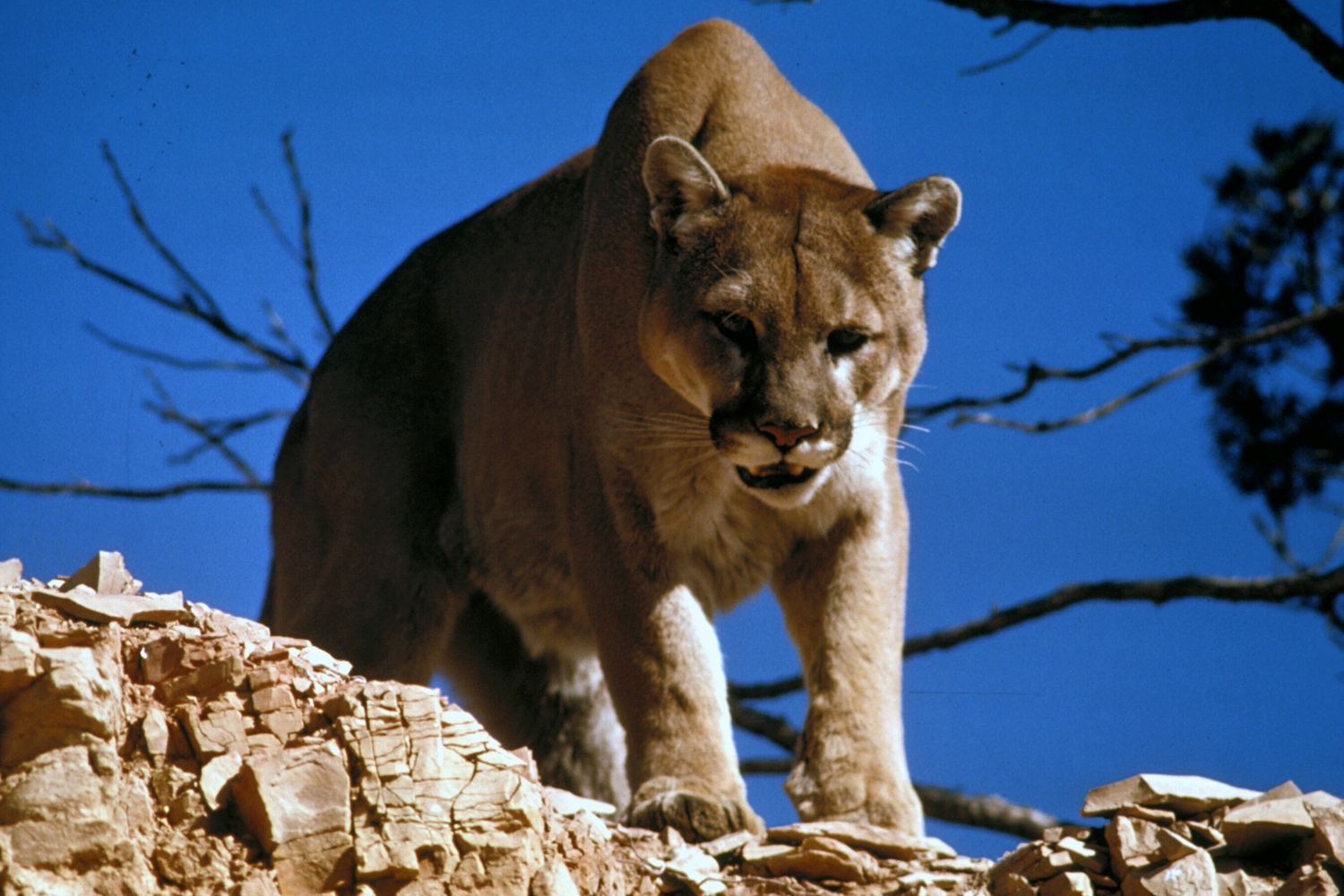
Mountain lion hunting presents challenges that differ from pursuing many other North American game animals. These large, elusive cats inhabit varied terrain, move across extensive home ranges, and can leave tracks that are difficult to interpret. Hunters must understand animal behavior, recognize subtle signs, use suitable equipment, and follow local wildlife regulations. Weather, terrain, and the presence of other wildlife can further complicate an outing. Specialized knowledge is essential not only for identifying a mountain lion’s movements but also for making responsible decisions in remote country where mistakes can have serious consequences.
1. Recognizing Mountain Lion Tracks
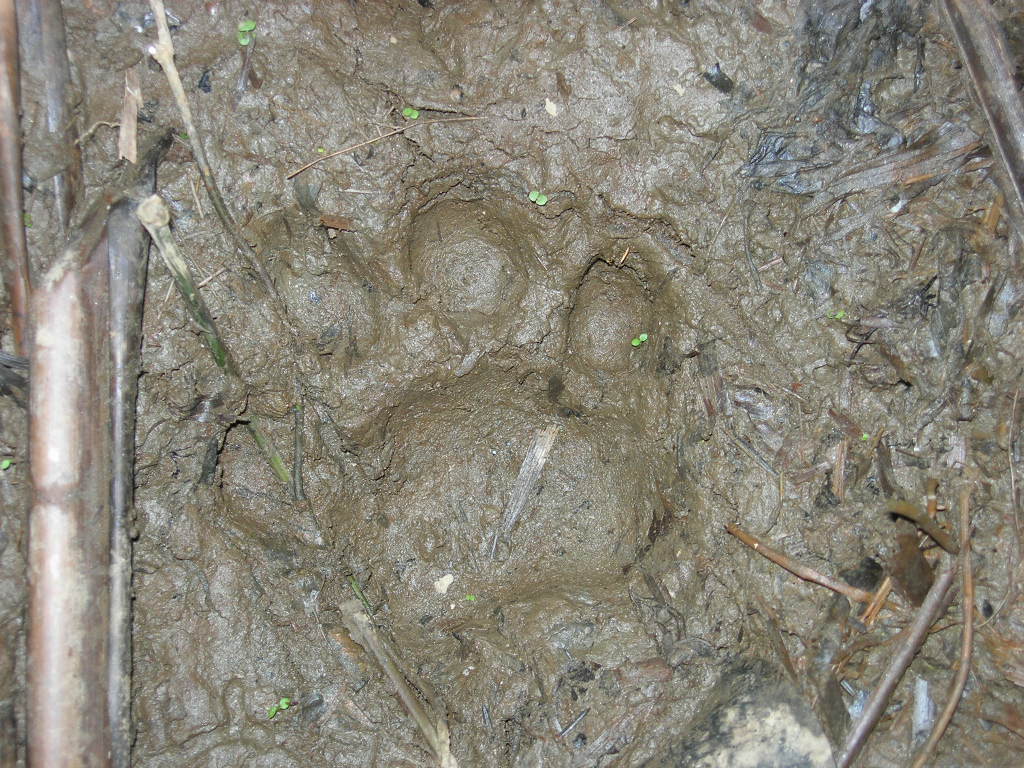
Mountain lion tracks can resemble those of other large animals when mud, loose soil, or melting snow distorts their outlines. A typical adult print measures approximately 3 to 4 inches across, although age, sex, and ground conditions affect its size. Four toe impressions and a broad heel pad are useful clues, but claws usually leave little or no visible mark because the cat’s claws remain retracted while walking. Hunters must examine several prints and the surrounding surface before reaching a conclusion. Mistaking a dog track for a mountain lion track can lead to an entirely incorrect assessment of animal activity.
2. Understanding Large Home Ranges
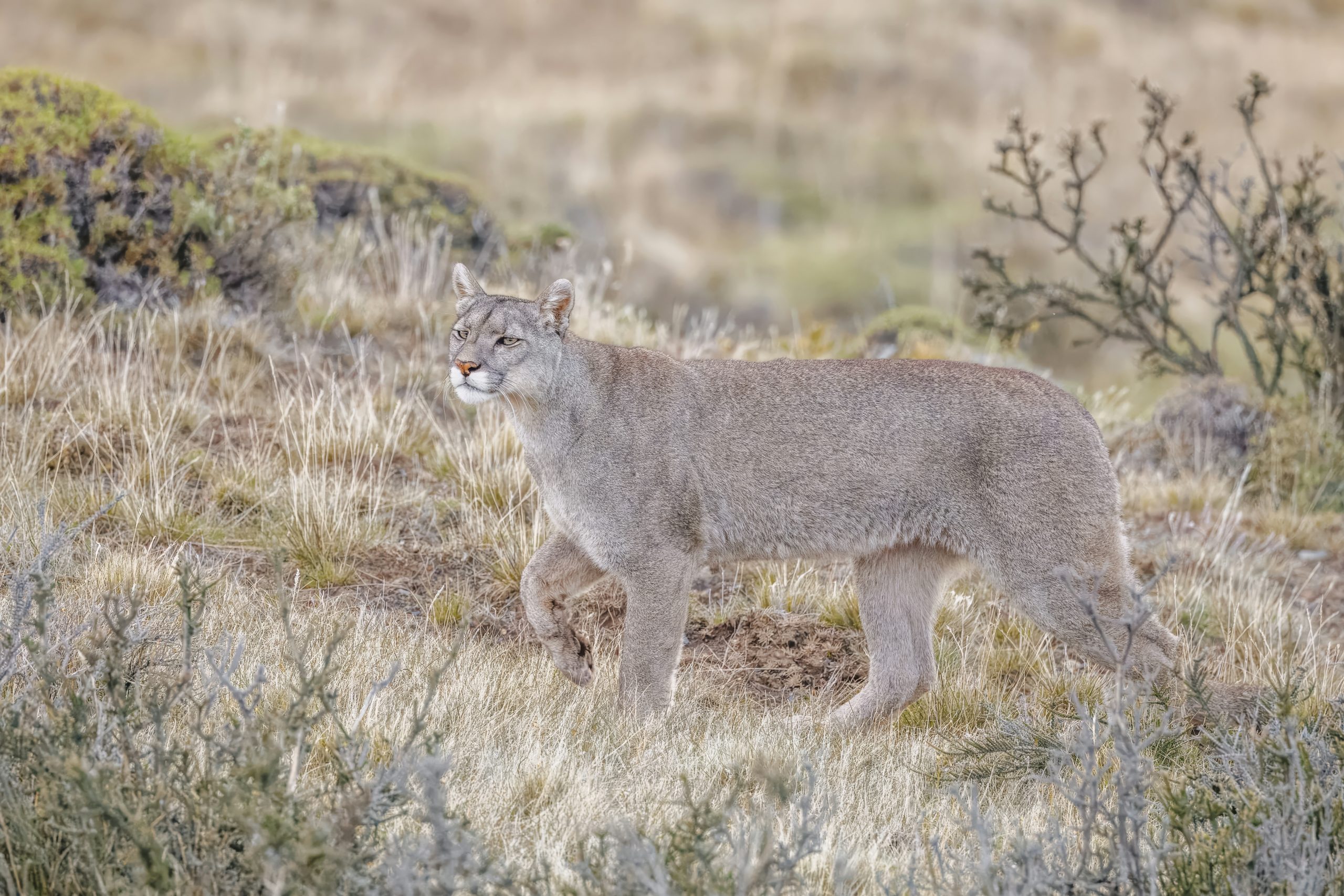
Mountain lions travel across substantial areas, making their movements difficult to predict from a single observation. Depending on prey availability, sex, habitat, and population density, an adult’s home range may cover dozens or even hundreds of square miles. Males generally occupy larger ranges than females, and their movements can overlap with those of several females. A track found in one drainage does not guarantee the animal will remain there the following day. Understanding this spatial behavior helps explain why sightings are uncommon and why a small patch of promising habitat may provide only limited information about a cat’s current location.
3. Reading Difficult Mountain Terrain
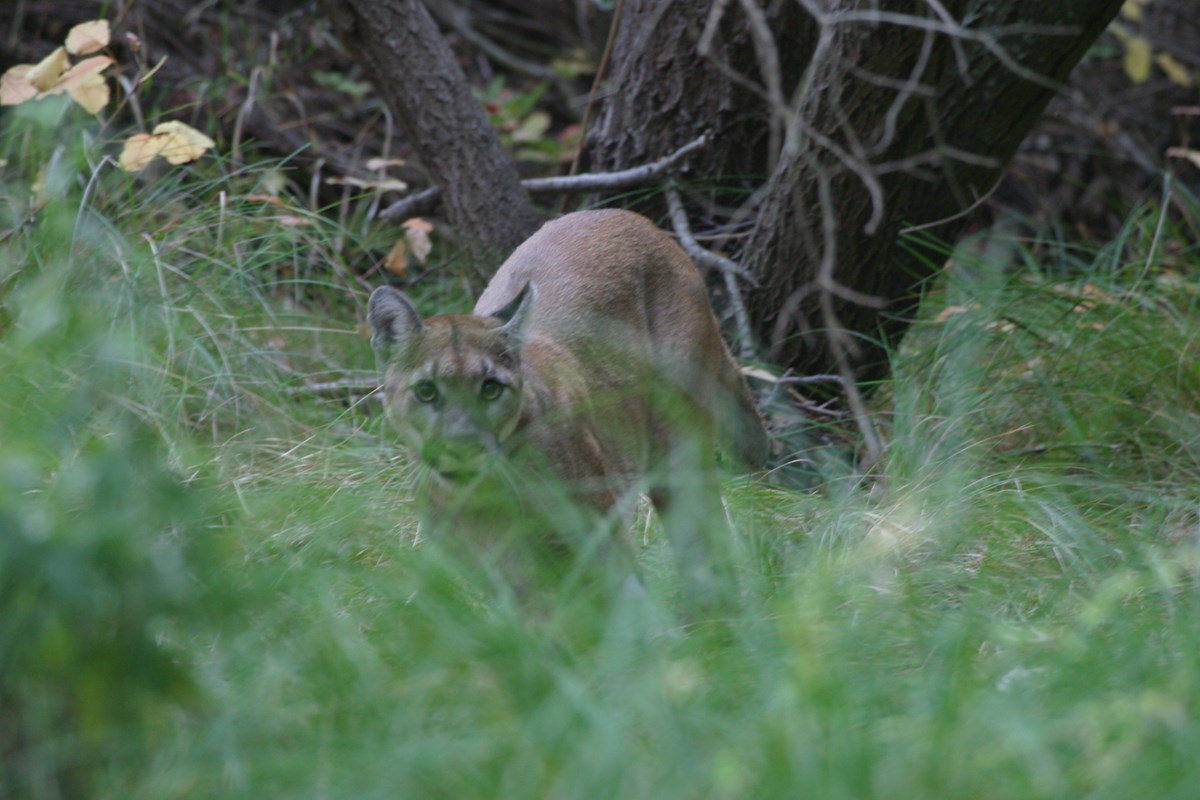
Steep slopes, rocky ridges, narrow canyons, and thick vegetation can make mountain lion country challenging to navigate. A route that appears short on a map may involve substantial elevation gain, loose footing, or dangerous cliff edges. For example, climbing 1,000 feet over a short horizontal distance can demand far more effort than walking the same distance across level ground. Hunters need sound map-reading skills, reliable navigation tools, and an understanding of their physical limits. Terrain awareness also matters when identifying tracks, because exposed rock and hard-packed ground may preserve almost no useful impressions.
4. Interpreting Prey Animal Activity
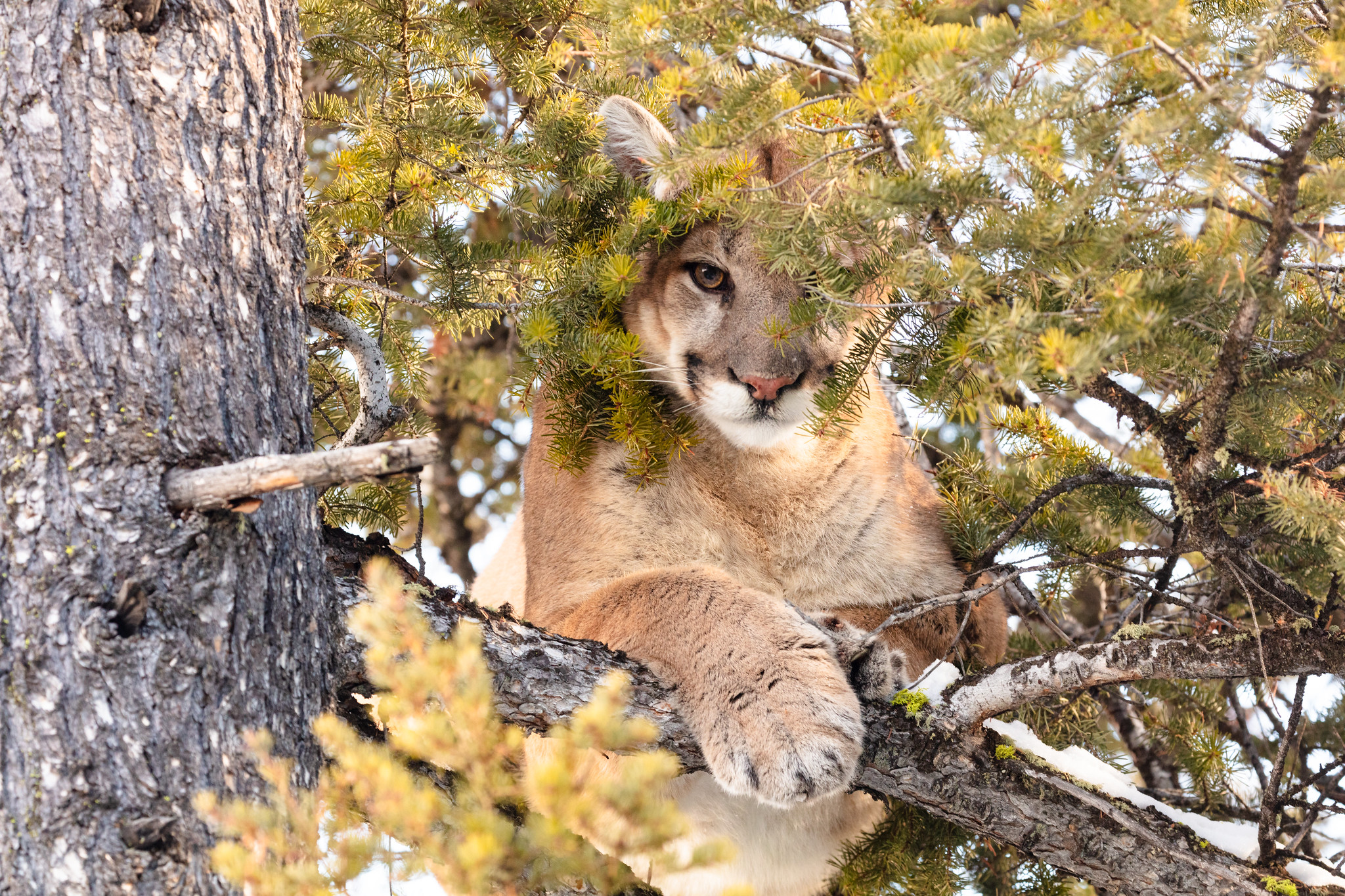
Mountain lions depend heavily on prey such as deer and elk, so understanding the local prey population helps explain where cats may occur. However, seeing several deer does not establish that a mountain lion is nearby. Prey animals change their movements with seasonal food supplies, snow depth, hunting pressure, and temperature. Deer tracks, for instance, may become concentrated near limited winter feeding areas when deep snow restricts movement. Recognizing these ecological relationships requires more than counting tracks or sightings. Hunters must distinguish general habitat suitability from reliable evidence of recent mountain lion activity.
5. Distinguishing Fresh Sign From Old Sign
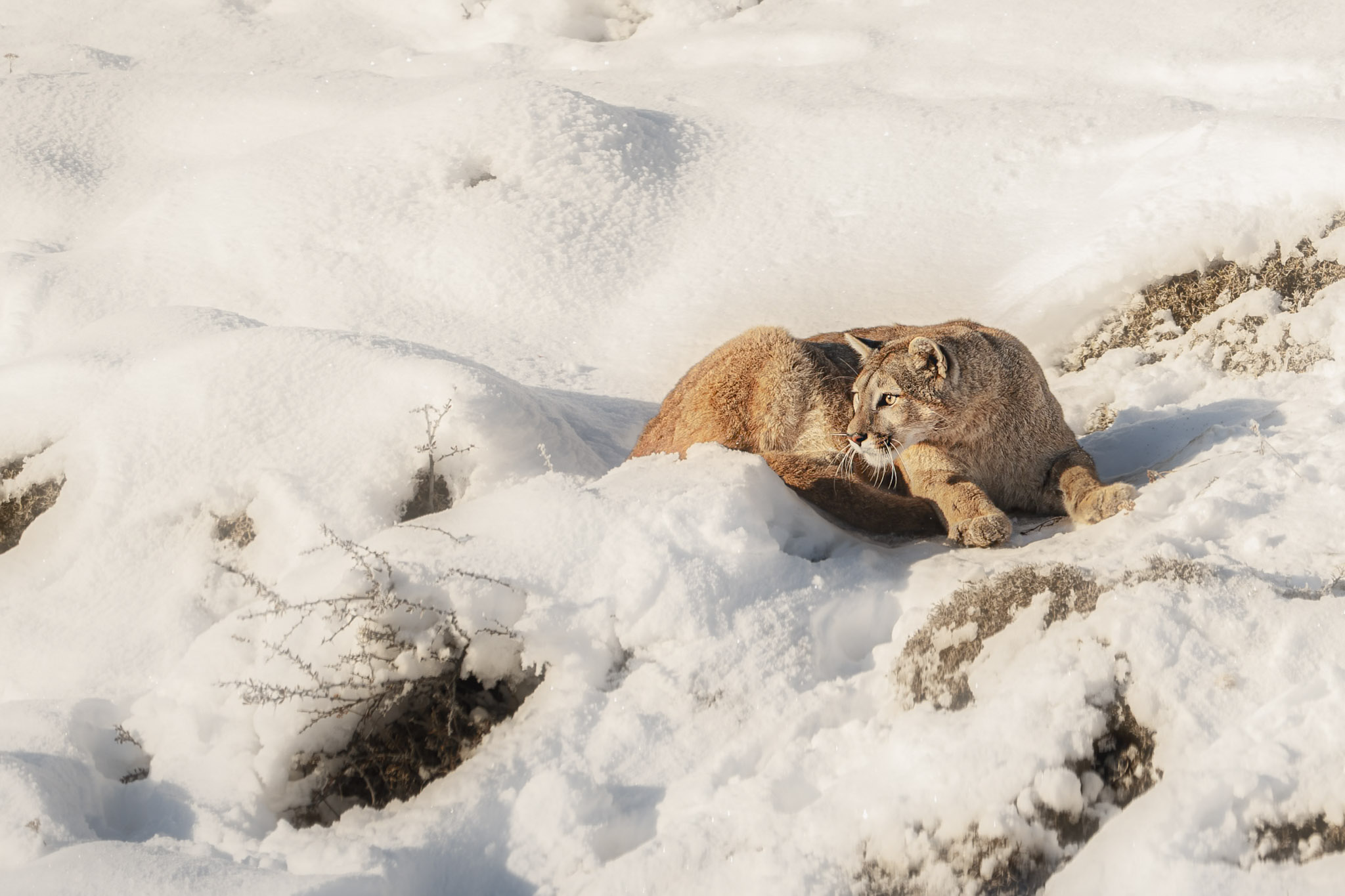
Mountain lion tracks and other signs can remain visible for different lengths of time depending on the weather and ground surface. Rain may soften a track within hours, while dry soil can preserve its shape much longer. Snowfall can cover earlier impressions, and melting conditions can make old tracks appear deceptively recent. A print measuring around 3 inches across does not reveal when the cat passed through the area. Hunters must assess edge sharpness, sediment displacement, weather history, and nearby disturbances together. Even then, estimating a track’s age precisely is difficult, so uncertainty should remain part of the interpretation.
6. Using Specialized Tracking Dogs
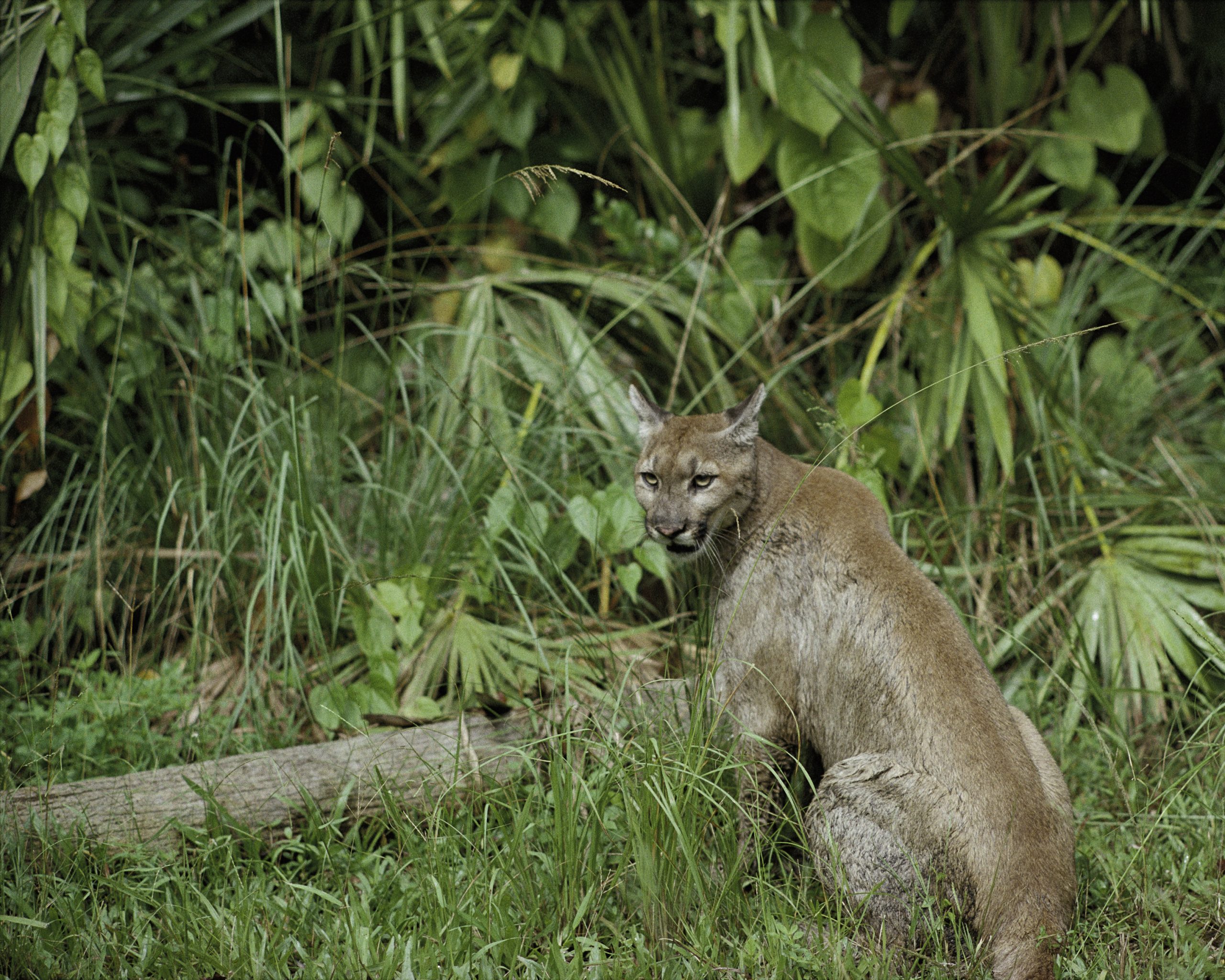
In jurisdictions where permitted, trained hounds may help locate and follow mountain lion scent trails. This work requires suitable dog handling, knowledge of canine behavior, and careful attention to terrain and weather. Wind, rain, competing animal scents, and long periods between a cat’s passage and the search can complicate scent detection. A dog’s behavior alone does not confirm the identity of an animal or establish that a pursuit is safe. Hunters must also understand local rules governing dogs, pursuit, and harvest. For example, regulations may specify seasonal restrictions or limits on the number of dogs that can be used.
7. Understanding Laws and Identification Rules
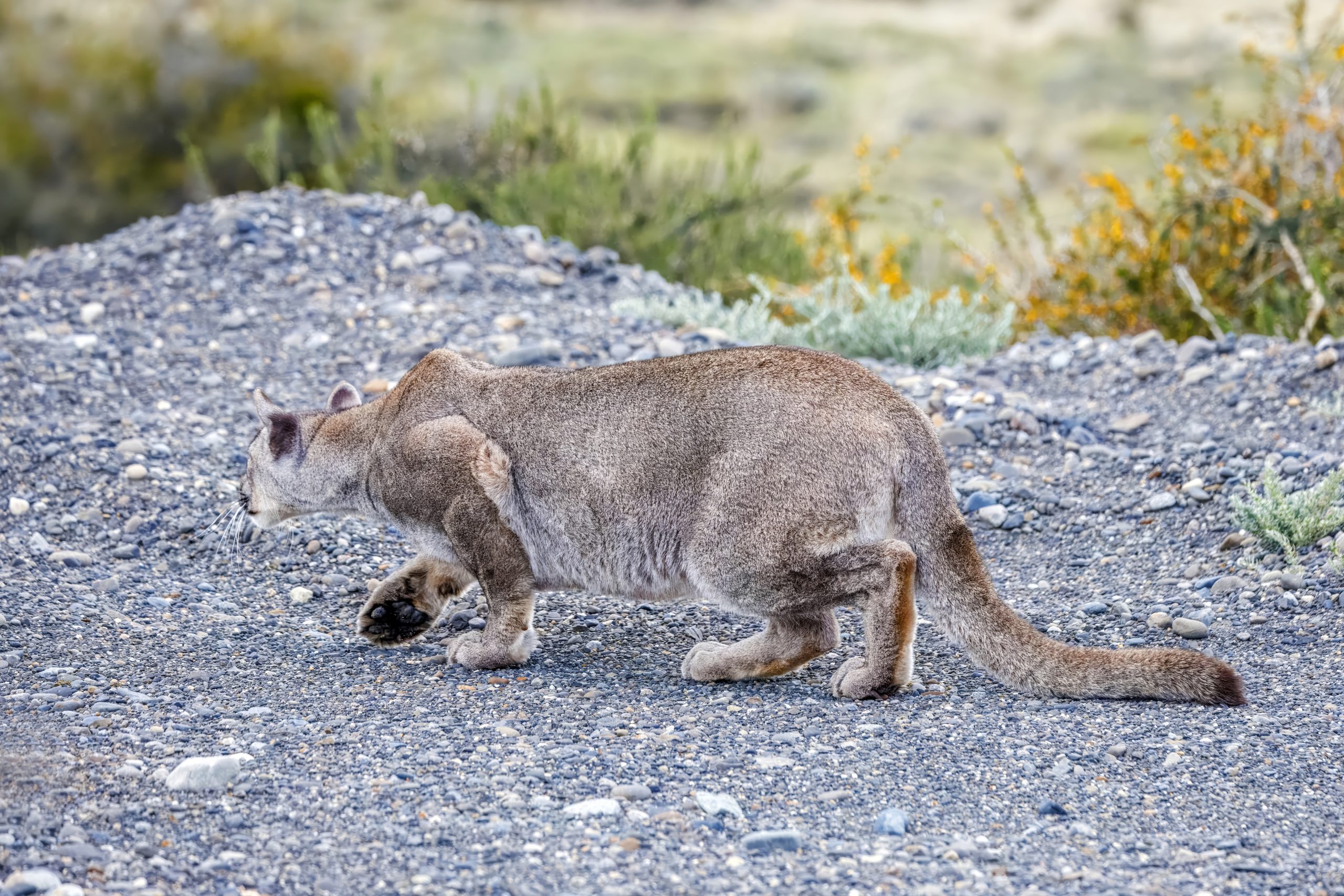
Mountain lion hunting regulations vary significantly among states, provinces, and other jurisdictions. Rules may address open seasons, license requirements, harvest quotas, sex restrictions, reporting deadlines, and the use of dogs. Some areas prohibit hunting entirely or restrict it to specific management zones. A season lasting 30 days in one jurisdiction may differ considerably from the rules next door, so general information is never enough. Hunters should consult the relevant wildlife agency before planning a trip and verify current requirements for identification, tagging, and mandatory harvest reporting. Legal knowledge is essential because an incorrectly identified animal can result in serious penalties.
8. Prioritizing Safety and Ethical Decisions
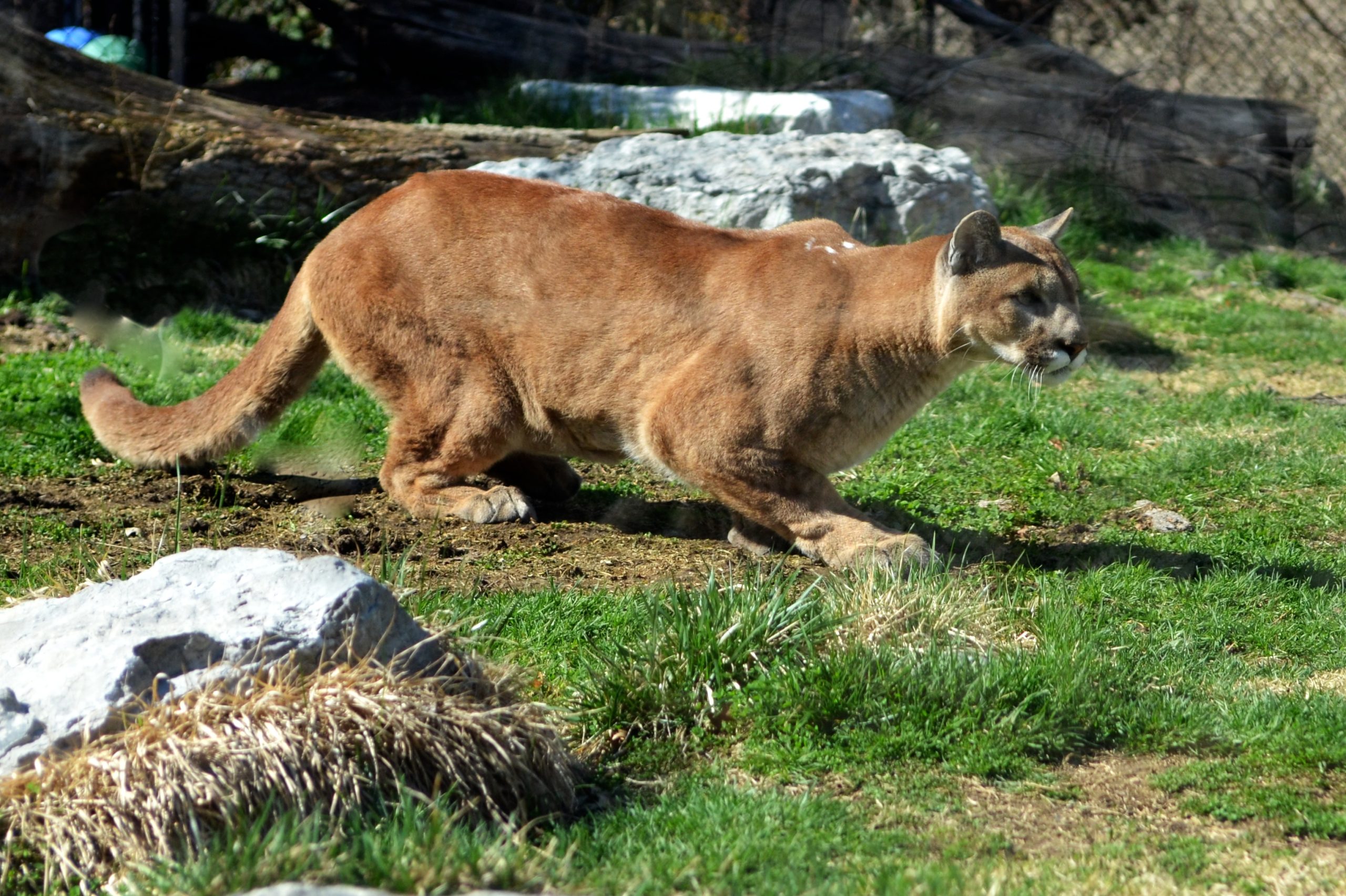
Mountain lion country can be remote, steep, and difficult to leave quickly if an injury or sudden weather change occurs. Hunters should carry navigation equipment, communication devices, suitable clothing, water, and a first-aid kit, with preparations matched to the trip’s length and conditions. A group traveling several miles from a trailhead may face hours of difficult return travel if visibility deteriorates or someone is injured. Ethical judgment is equally important: positive species identification, a clear and lawful shot, and a safe background must come before any attempt to harvest an animal. If identification or conditions are uncertain, stopping is the responsible choice.