
When you’re deep in the backcountry or scaling rugged alpine terrain, clean drinking water isn’t a luxury; it’s a lifeline. Backpackers and hunters know that staying hydrated while avoiding waterborne illness is critical for performance and safety. Two popular solutions dominate the conversation: purification tablets and water filters. Both promise safety and portability, but each has distinct advantages and drawbacks. Here’s a look at which one truly holds up when it counts.
Understanding the Need for Purification

Even the clearest mountain stream can conceal harmful microorganisms like Giardia, E. coli, and Cryptosporidium. These pathogens can turn an adventurous trip into a miserable ordeal within hours. Treating your water before drinking isn’t optional; it’s essential. Whether you rely on chemical tablets or physical filters, purification ensures your hydration source won’t sabotage your health. Knowing how each system handles threats helps you decide what best fits your journey’s demands.
How Water Purification Tablets Work
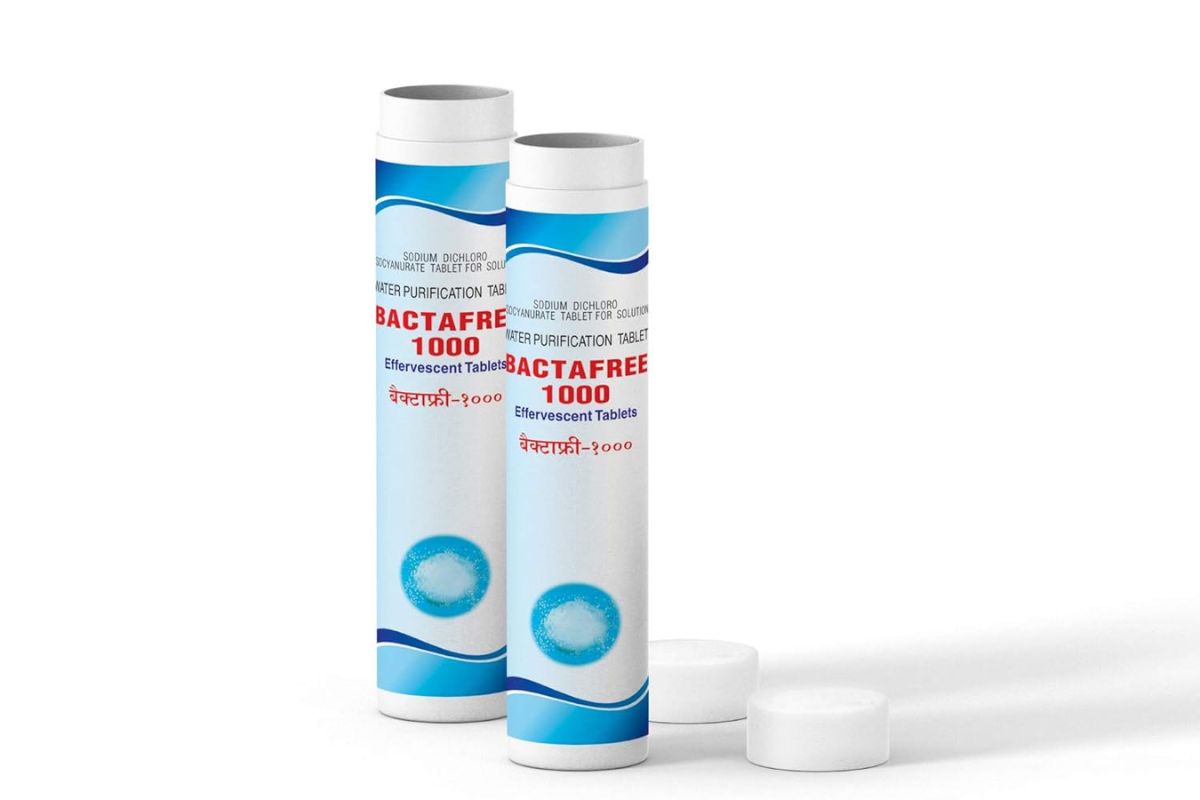
Purification tablets use chemicals such as chlorine dioxide or iodine to destroy bacteria, viruses, and protozoa. They’re extremely lightweight and require minimal effort. Simply drop one into your water container, wait around 30 minutes, and drink. Their biggest advantage is simplicity and portability, making them ideal for ultralight backpackers. However, they don’t remove silt, bad taste, or chemical pollutants, leaving the water safe but not always pleasant to drink.
How Water Filters Function
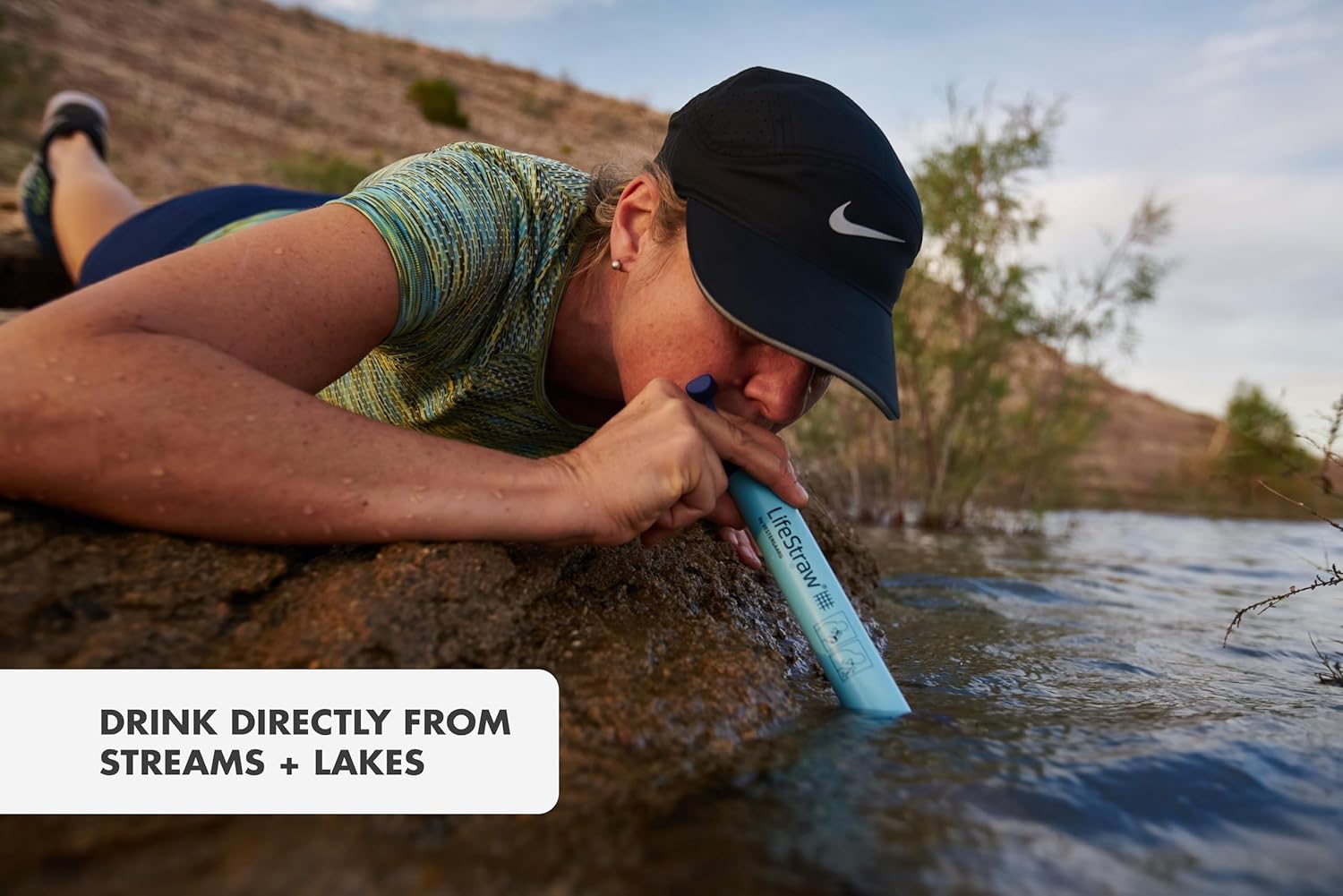
Filters rely on mechanical filtration to physically trap contaminants as water passes through fine membranes. Modern backpacking filters often use hollow fiber or ceramic technology, effectively removing bacteria and protozoa. Many systems, like pumps or squeeze filters, produce clean water quickly and improve taste and clarity. However, filters don’t eliminate viruses, can clog with sediment, and need regular maintenance. Still, for many hikers, the immediate drinkability they offer is a major advantage.
Weight and Packability Considerations
When ounces matter, tablets have a clear edge. A small pack of purification tablets can treat several gallons of water while weighing almost nothing. Filters, though bulkier, can still be compact depending on the model. Pump filters and gravity systems add weight but offer more convenience for groups. For solo hunts or long-distance treks, tablets are the ultralight choice; for extended stays where you’ll purify large volumes, a filter is worth the space.
Speed and Convenience in the Field
When thirst strikes, waiting can feel unbearable. Filters shine here; they produce clean water instantly, letting you fill bottles and keep moving. Tablets, on the other hand, require a waiting period for chemicals to work, usually 30 minutes to an hour. That delay can be frustrating in hot or dry environments. However, tablets are hands-free once dropped in, while filters require pumping or squeezing, which can be tiring after long days on the trail.
Effectiveness Against Pathogens
Both methods are effective, but in different ways. Filters remove bacteria and protozoa extremely well, making them ideal for North American backcountry sources. Tablets, however, can neutralize viruses that slip through most filters, providing an edge in regions where viral contamination is more common. For mountain hunts within the U.S., filters are usually sufficient. But for international expeditions or uncertain water sources, combining both methods ensures maximum protection.
Taste and Water Quality

No one enjoys drinking murky or chemically tasting water. Filters generally improve taste and clarity by removing sediment and organic matter. Tablets, though effective, often leave behind a mild chlorine or iodine flavor, which can be off-putting after several days. Some modern chlorine dioxide tablets minimize this issue, but not entirely. For hunters and backpackers who value crisp, fresh-tasting water, a filter’s mechanical cleansing process makes a noticeable difference.
Maintenance and Reliability
Filters require periodic backflushing, cleaning, and careful handling to prevent clogging or freezing damage. Tablets, by contrast, demand almost no upkeep and can sit in your pack for years without issue. However, tablets have expiration dates, and exposure to moisture can degrade their potency. Filters are reusable and long-lasting when cared for properly, but they’re prone to mechanical failure if neglected. Choosing between them depends on whether you value simplicity or durability more.
Environmental and Health Considerations
Chemical tablets can slightly alter the taste of water and may cause mild stomach irritation for sensitive users, especially iodine-based ones. Filters produce cleaner-tasting water without added chemicals, making them more eco-friendly over time. Yet, disposable filter cartridges and plastic tablet wrappers both create waste. Using a combination of filters for primary use, tablets as backup minimizes your footprint while ensuring safe hydration throughout your backcountry journey.
Choosing What’s Right for You
For lightweight travelers and emergency kits, tablets win with convenience and minimal weight. For frequent hunters, groups, or long expeditions, filters offer speed, flavor, and volume efficiency. In truth, the best solution may be both a filter for daily use and tablets as a backup. Your choice should reflect your trip’s length, terrain, and risk tolerance. After all, reliable water purification isn’t just a preference, it’s survival made practical and smart.