Teaching your kids bushcraft skills opens a whole new world of adventure, creativity, and self reliance. It’s about learning how to live harmoniously with nature, understanding it, respecting it, and thriving in it. These lessons build confidence, patience, and practical thinking, giving children the tools to face challenges calmly. From lighting fires to reading animal tracks, these bushcraft basics help kids grow into capable and mindful explorers who appreciate the wilderness beyond screens and comfort zones.
1. Fire Building and Safety
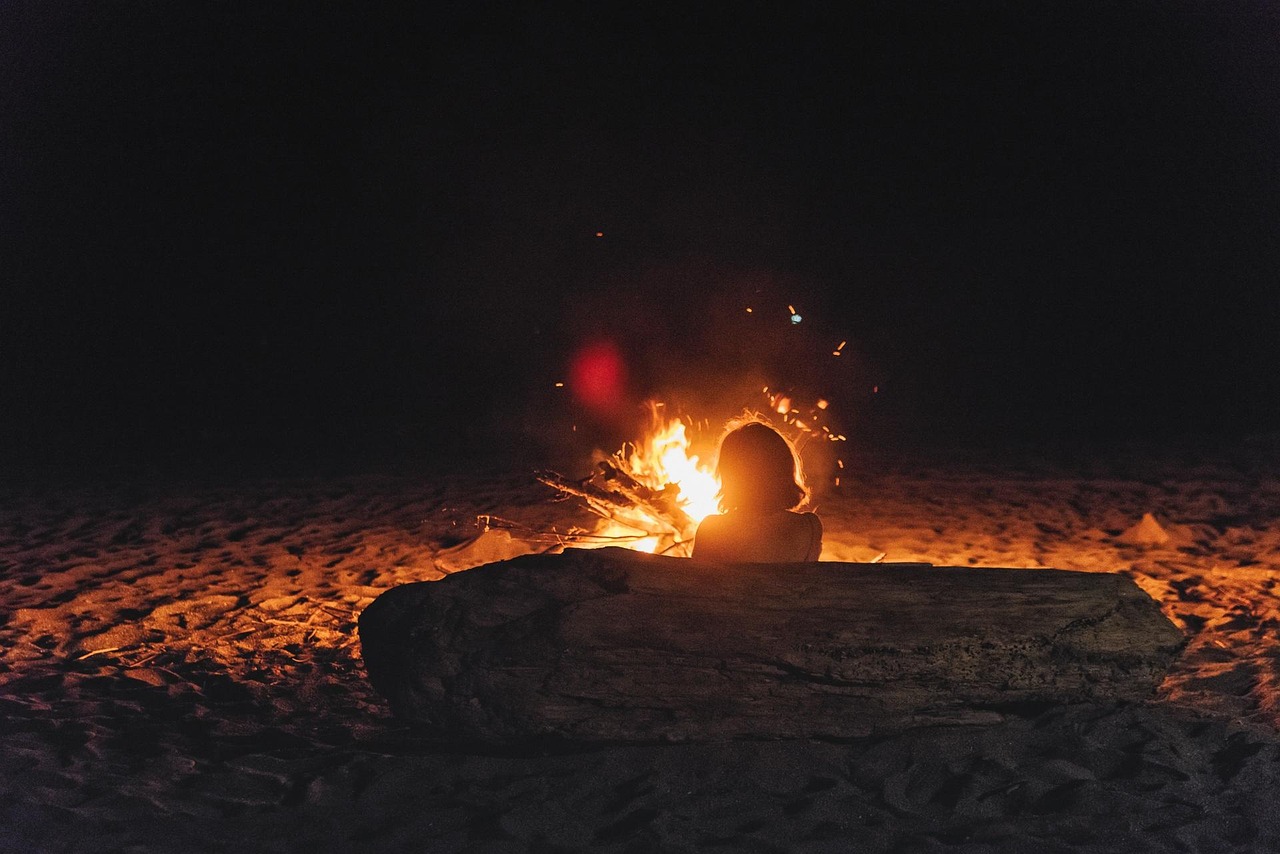
Building a fire is both fascinating and empowering for kids. Start by teaching the difference between tinder, kindling, and fuel wood, and how airflow keeps a flame alive. Show how to use matches or fire starters safely, always with adult supervision. Emphasize creating a fire ring, maintaining a safe distance, and fully extinguishing it afterward. This lesson teaches patience, responsibility, and respect for one of nature’s most powerful elements: fire as warmth, light, and a survival tool.
2. Shelter Building
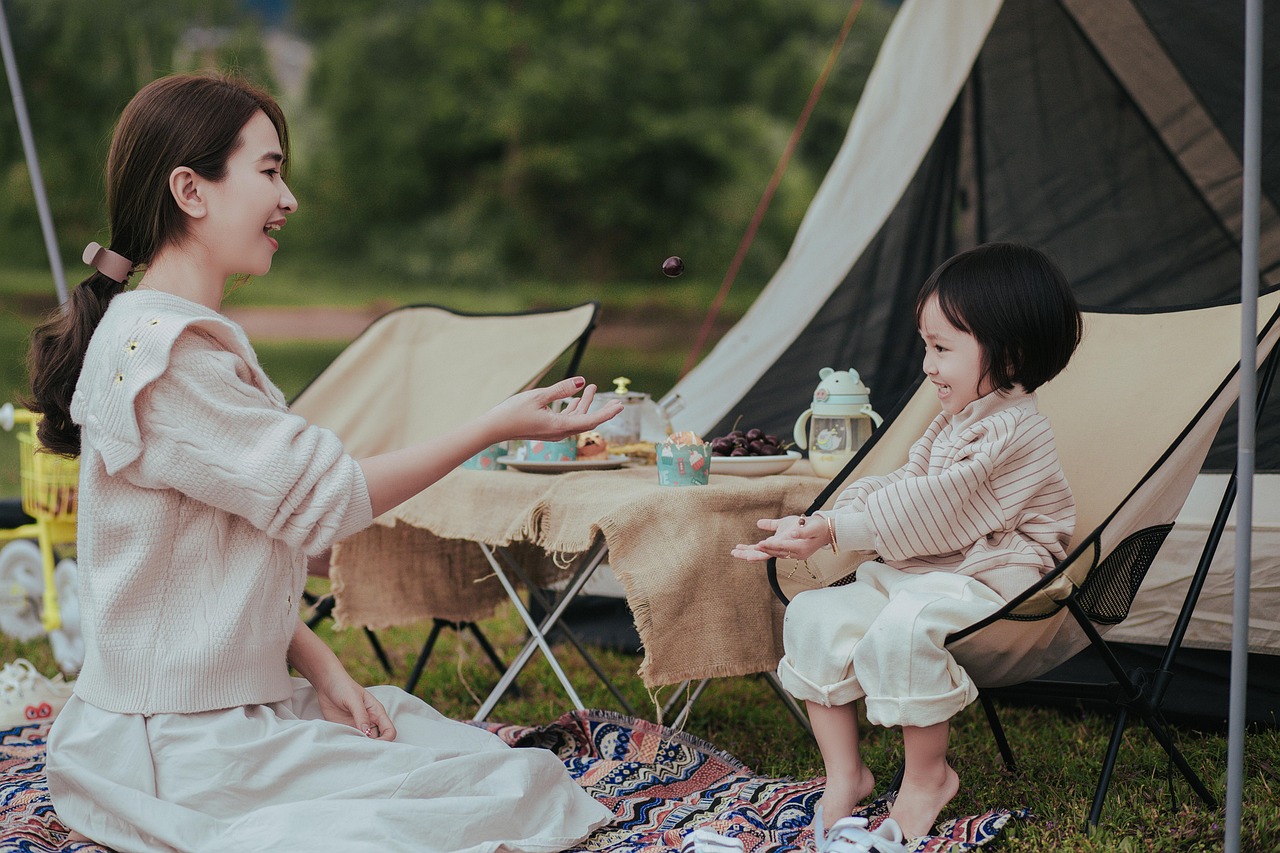
Learning to build a shelter encourages creativity and teamwork. Teach your kids to choose a safe, dry location and use natural materials like branches, leaves, and bark. Start simple with a lean-to or debris hut, explaining how insulation keeps out wind and moisture. Let them experiment with designs and problem-solving as they go. Building shelters fosters resilience, spatial thinking, and a sense of accomplishment when they see how resourcefulness turns raw nature into protection.
3. Knife Safety and Wood Carving
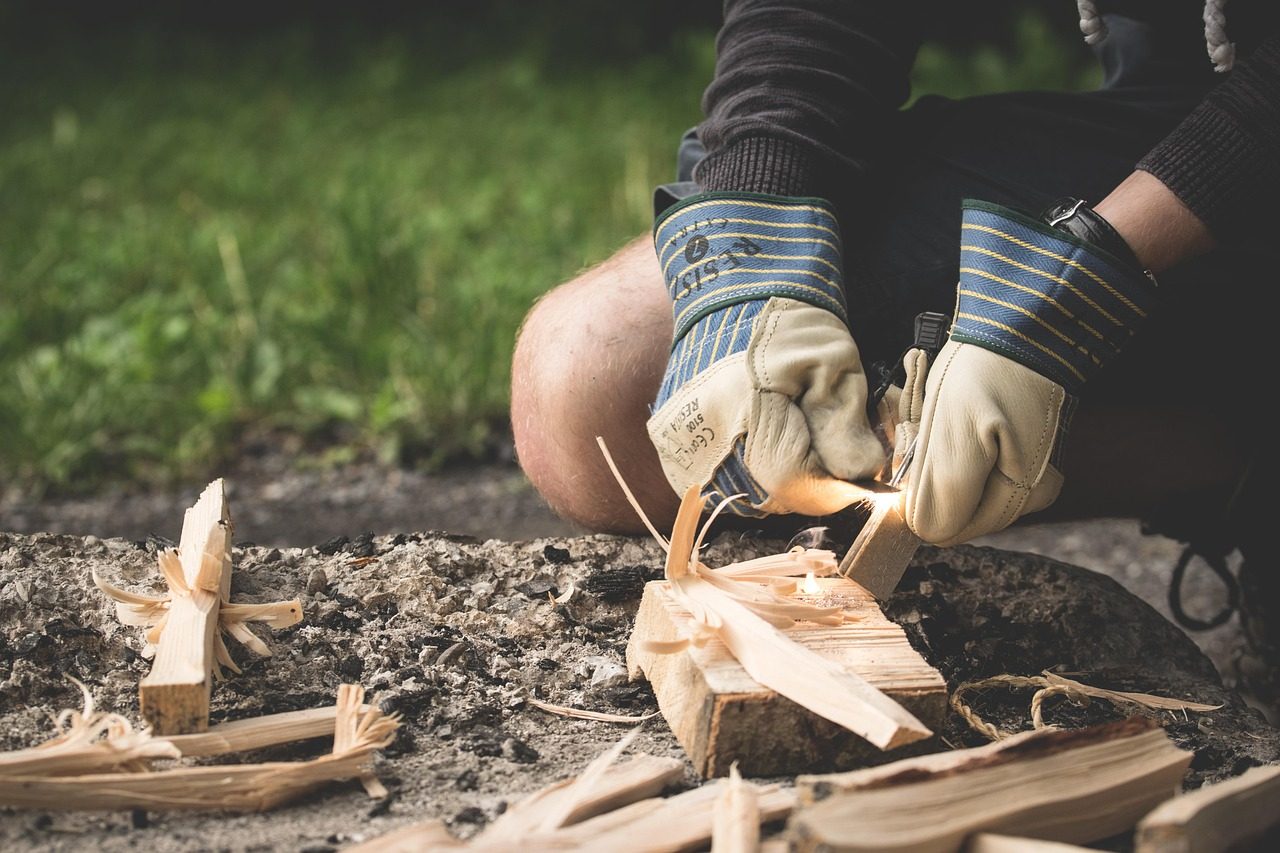
Introducing knives requires patience and respect. Begin by teaching how to hold, pass, and store them safely, cutting away from the body and keeping fingers clear. Start with simple tasks like sharpening sticks or whittling tent pegs using a child-safe knife. Reinforce focus and slow, careful movements. Beyond the practicality, knife skills teach control, precision, and responsibility, helping kids understand that tools demand attention and care, not fear or recklessness.
4. Water Collection and Purification
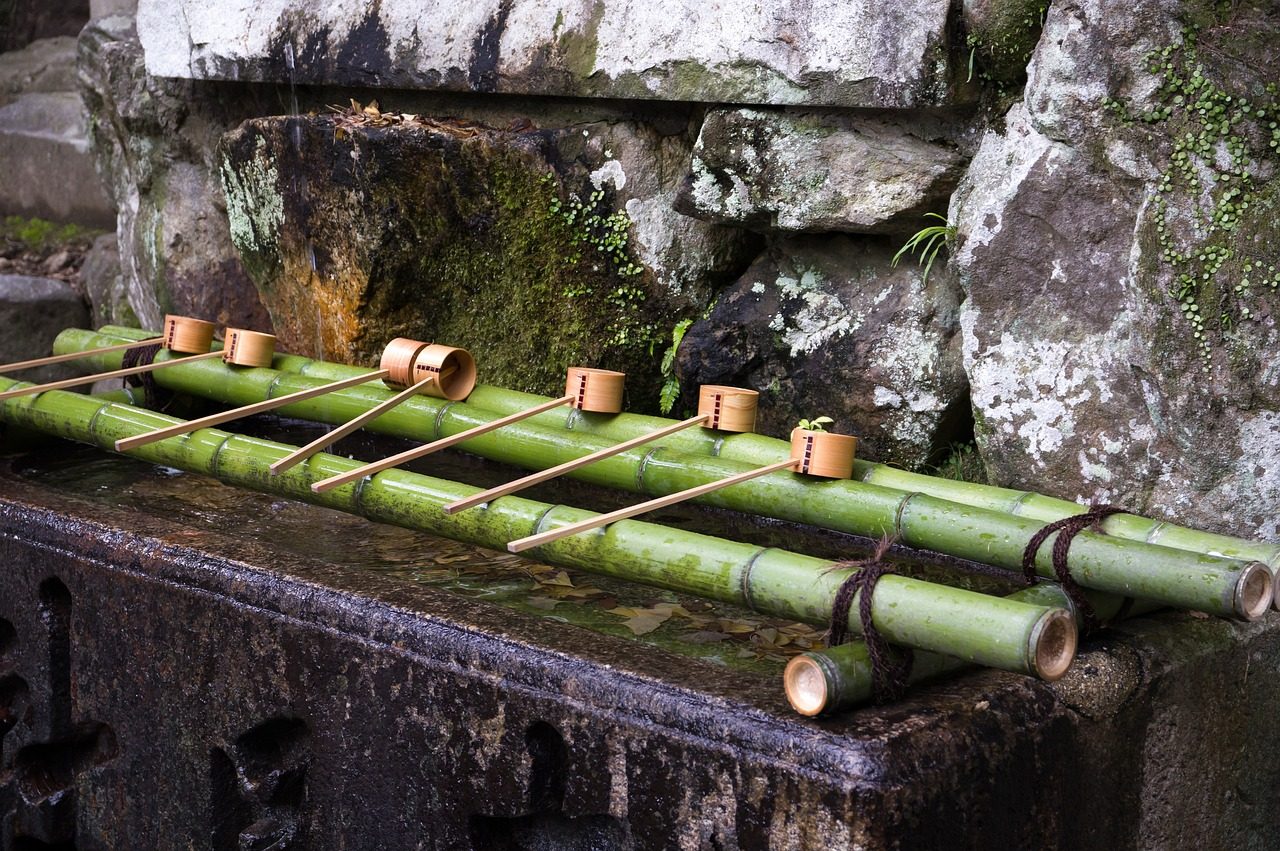
Finding clean water is vital for any outdoor situation. Teach your kids to locate fresh sources like streams or rainwater and explain the risks of stagnant water. Show simple purification methods such as boiling, filtering through cloth, or using purification tablets. Help them understand that even clear water can contain harmful bacteria. This skill instills awareness of nature’s limits while reinforcing problem-solving and self-sufficiency in real survival situations.
5. Foraging and Identifying Edible Plants

Foraging connects kids directly to the landscape around them. Teach them to recognize a few safe, edible plants and berries, emphasizing that they should never eat anything they can’t identify confidently. Use guidebooks or apps to make it interactive and safe. Explain how to avoid poisonous lookalikes and respect local ecosystems by taking only what’s needed. Foraging builds curiosity, patience, and an appreciation for the natural resources our environment provides.
6. Knot Tying and Rope Skills
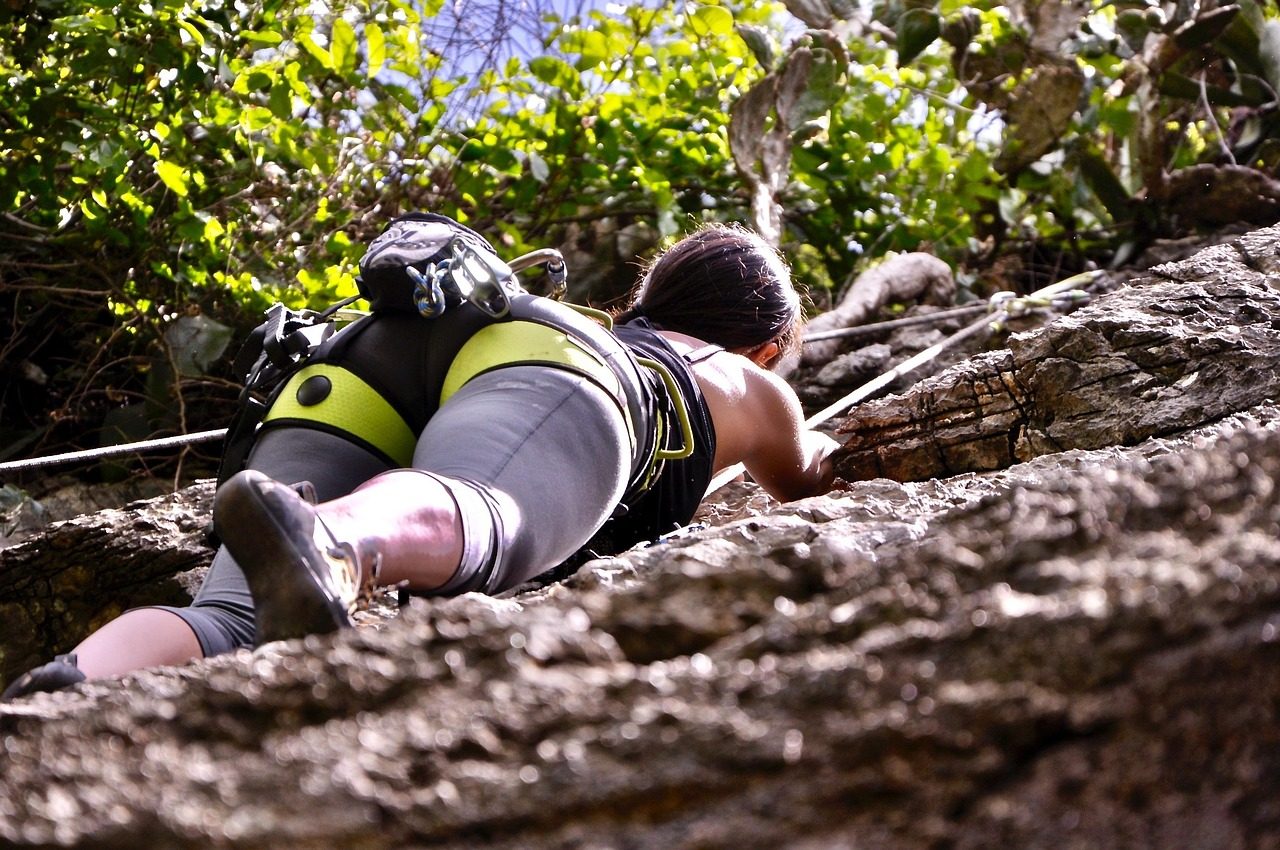
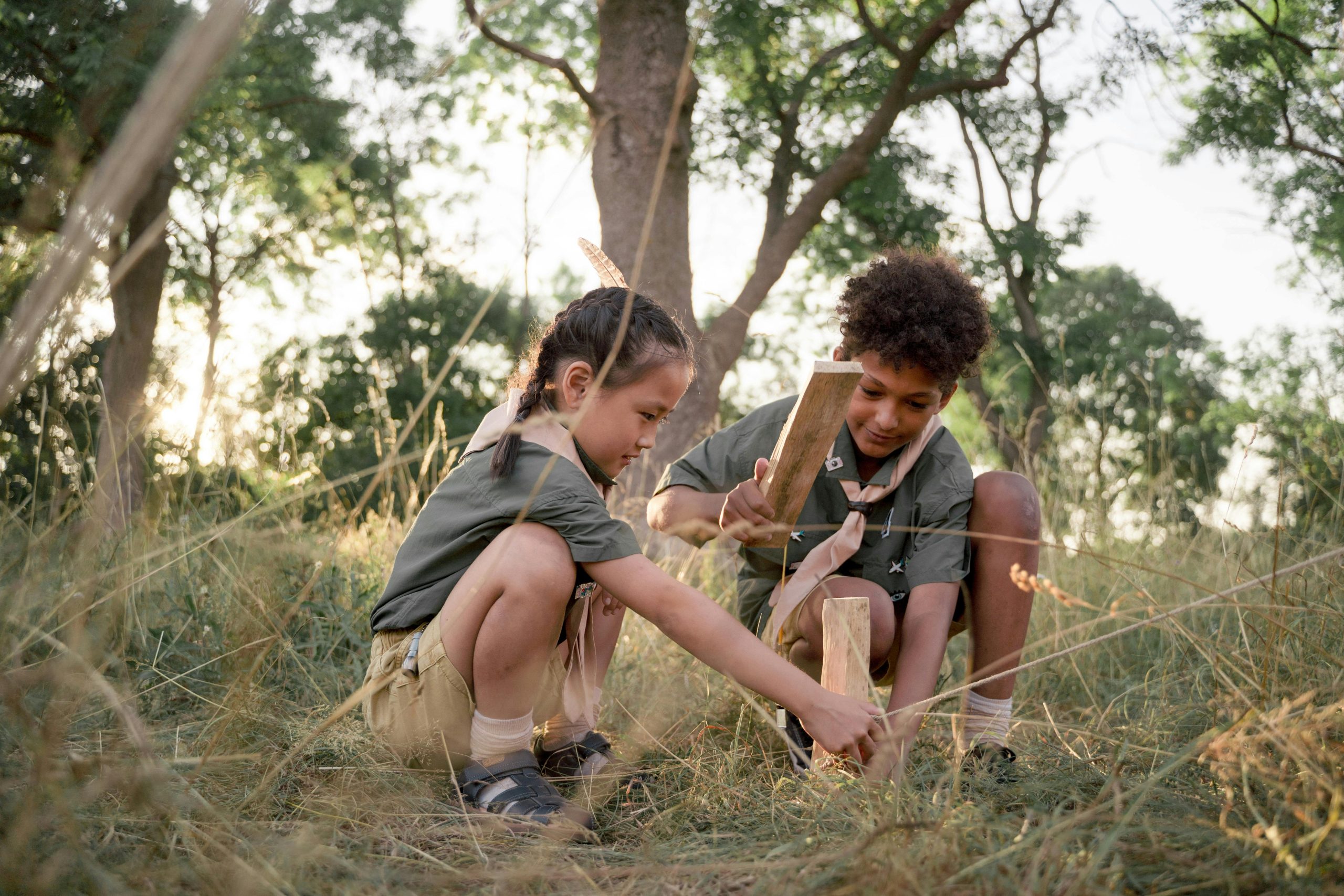
Rope work is one of the most practical bushcraft skills. Teach basic knots like the square knot, bowline, and clove hitch, each serving unique purposes in camping and survival. Practice tying and untying together until it feels second nature. Encourage fun challenges like setting up a swing or hanging gear from trees. Knot tying improves coordination and logical thinking while empowering kids with knowledge they can use in countless outdoor tasks.
7. Map Reading and Compass Use
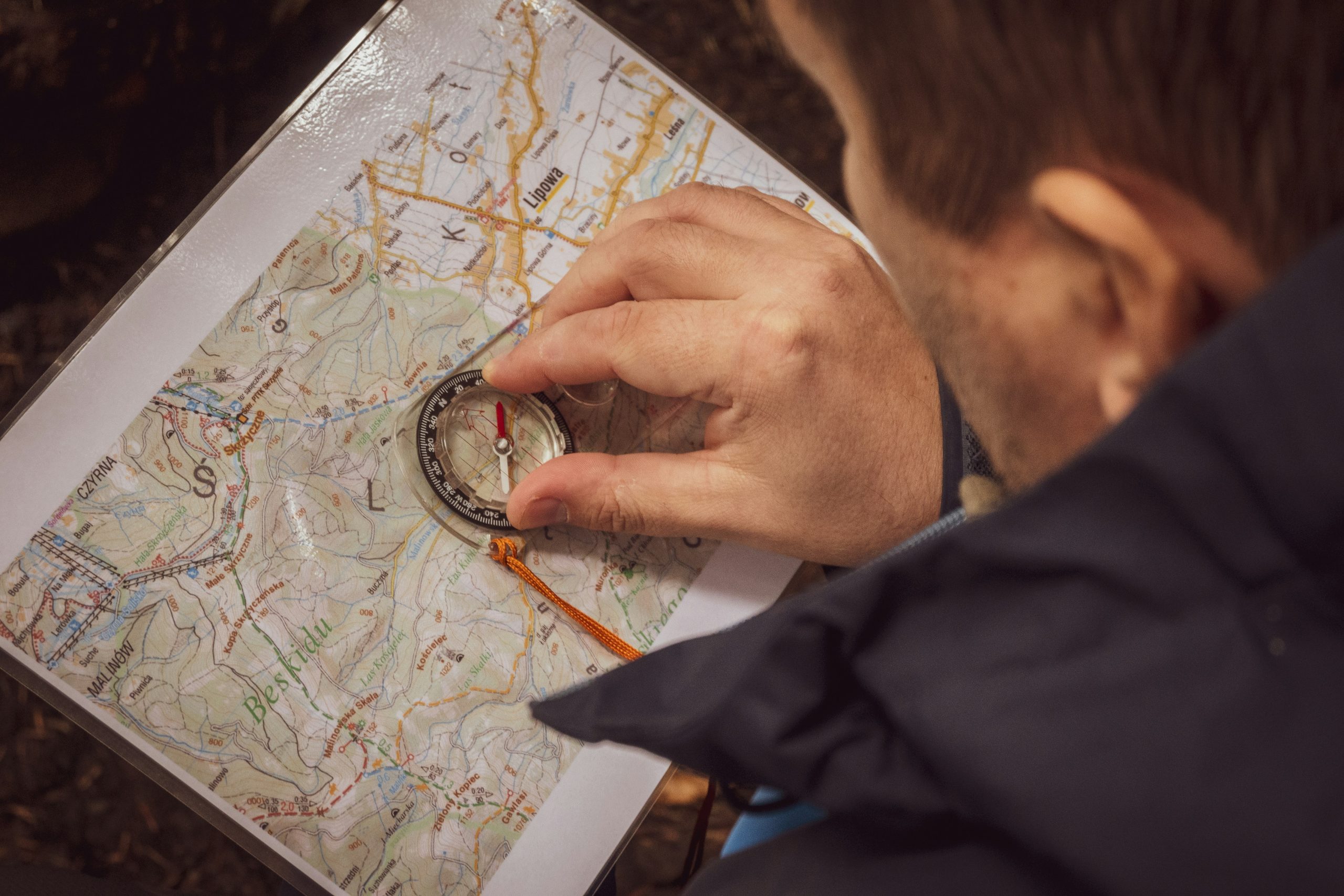
Navigation gives kids a sense of independence and confidence. Start with understanding maps, landmarks, and compass basics. Show how to find north, read contour lines, and estimate distances. Make it fun with scavenger hunts or mini “missions.” Teach them how the sun and stars can also serve as guides. These lessons develop spatial awareness, patience, and problem-solving while showing kids how exploration doesn’t require GPS, just observation and skill.
8. Animal Tracking and Observation
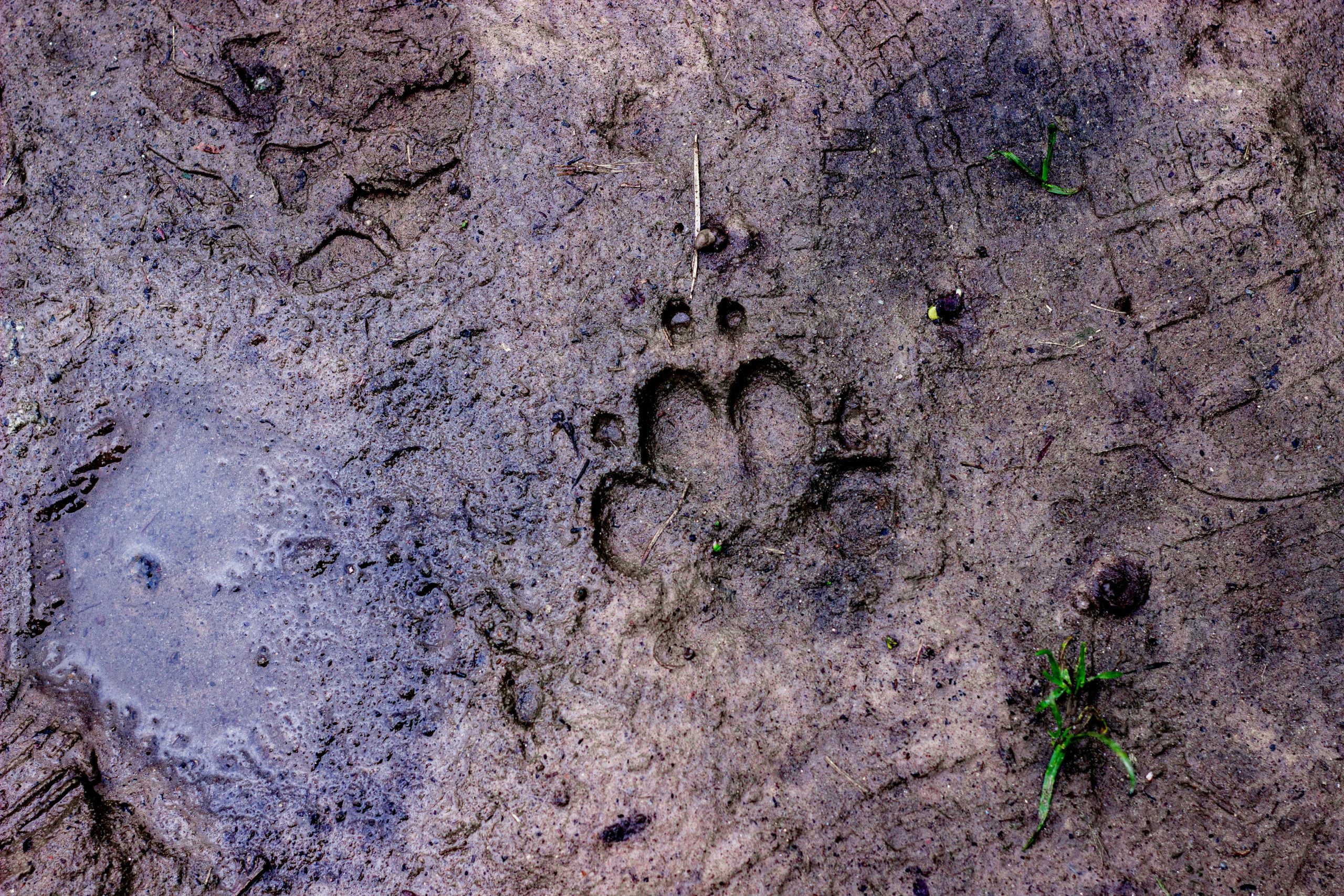
Tracking turns a walk in the woods into a mystery to solve. Show your kids how to identify animal footprints, broken branches, nests, or scat to determine who passed by. Encourage silence, stillness, and close observation. Use guides or illustrations to compare tracks. It’s not just about survival, it’s about storytelling and curiosity. Tracking builds patience, attention to detail, and respect for the delicate balance of wildlife around us.
9. Basic First Aid Awareness
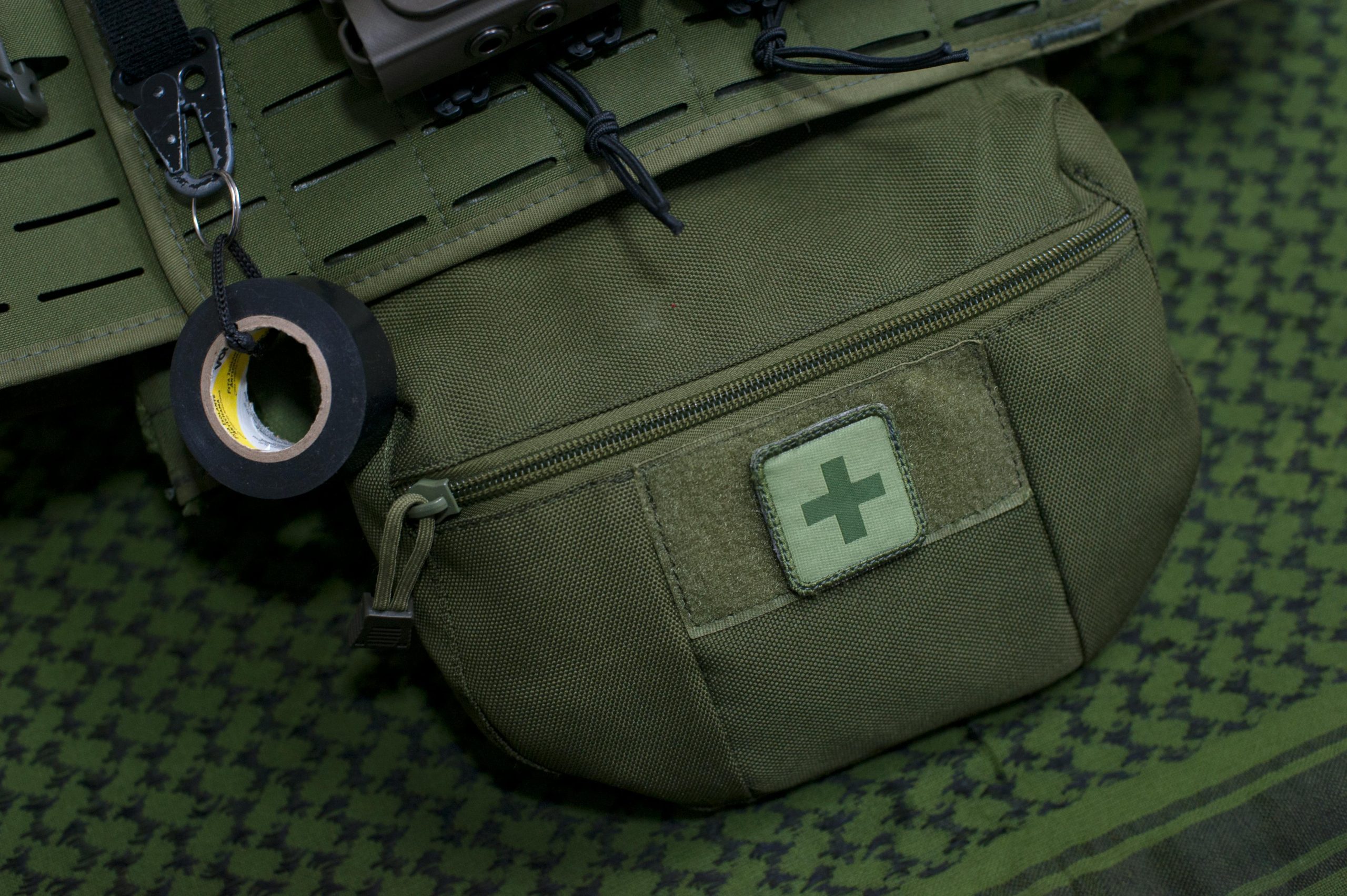
First aid is a crucial part of bushcraft education. Teach your kids how to clean minor cuts, apply a bandage, and recognize signs of dehydration, bites, or heat exhaustion. Make it hands-on by using a small outdoor first aid kit. Explain the importance of staying calm and seeking help when needed. These lessons give kids confidence, safety awareness, and the ability to act responsibly during small emergencies in the wild or at home.
10. Cooking Over a Fire
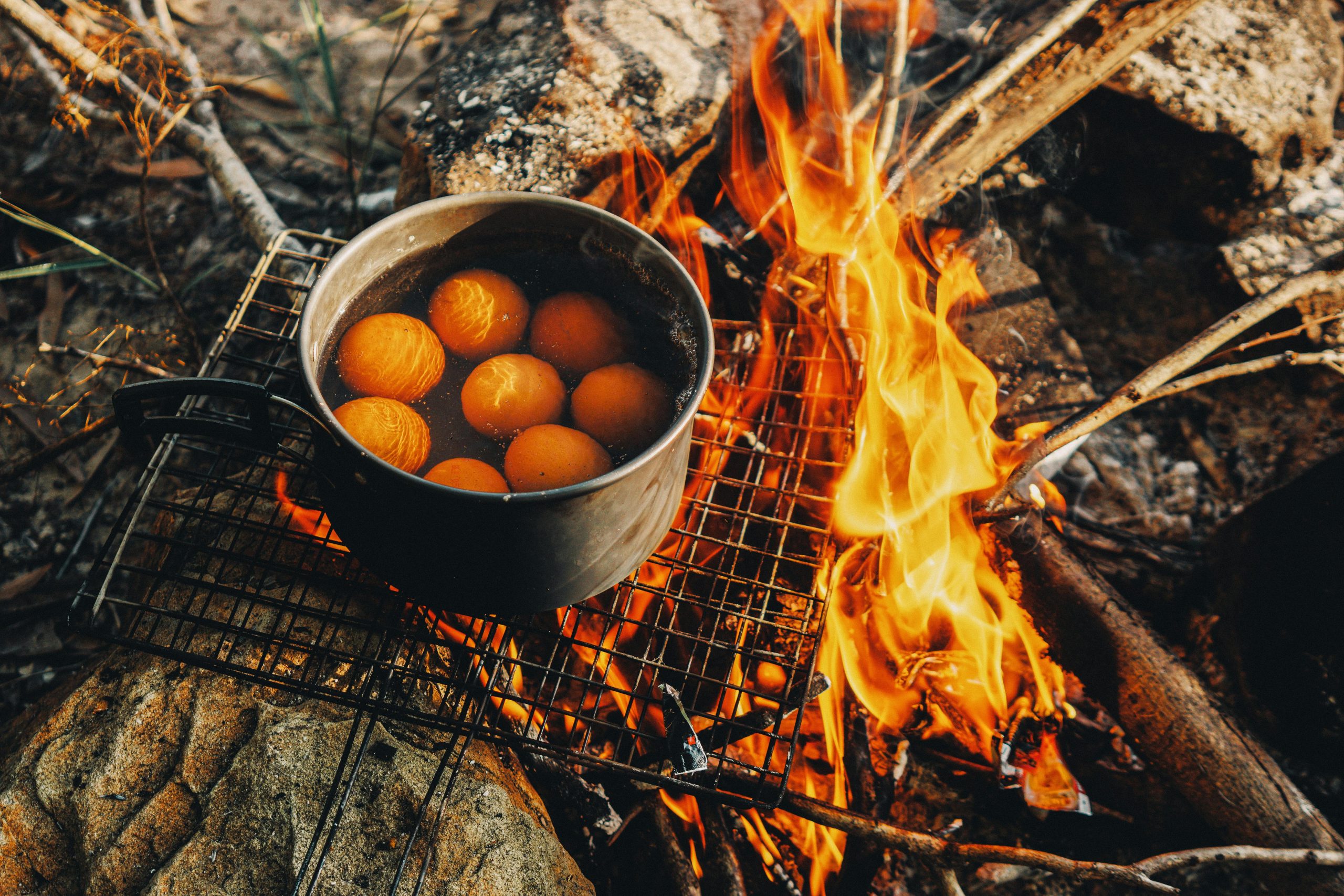
Outdoor cooking is an exciting way to combine creativity and survival. Teach your kids how to cook safely over a campfire, starting with simple meals like roasted marshmallows, foil pack vegetables, or skewered hot dogs. Show how to manage flame height and keep food from burning. Encourage cleanup and fire safety afterward. Cooking outside builds patience, teamwork, and a sense of accomplishment, making the wilderness feel like a second home.
11. Natural Navigation and Weather Reading
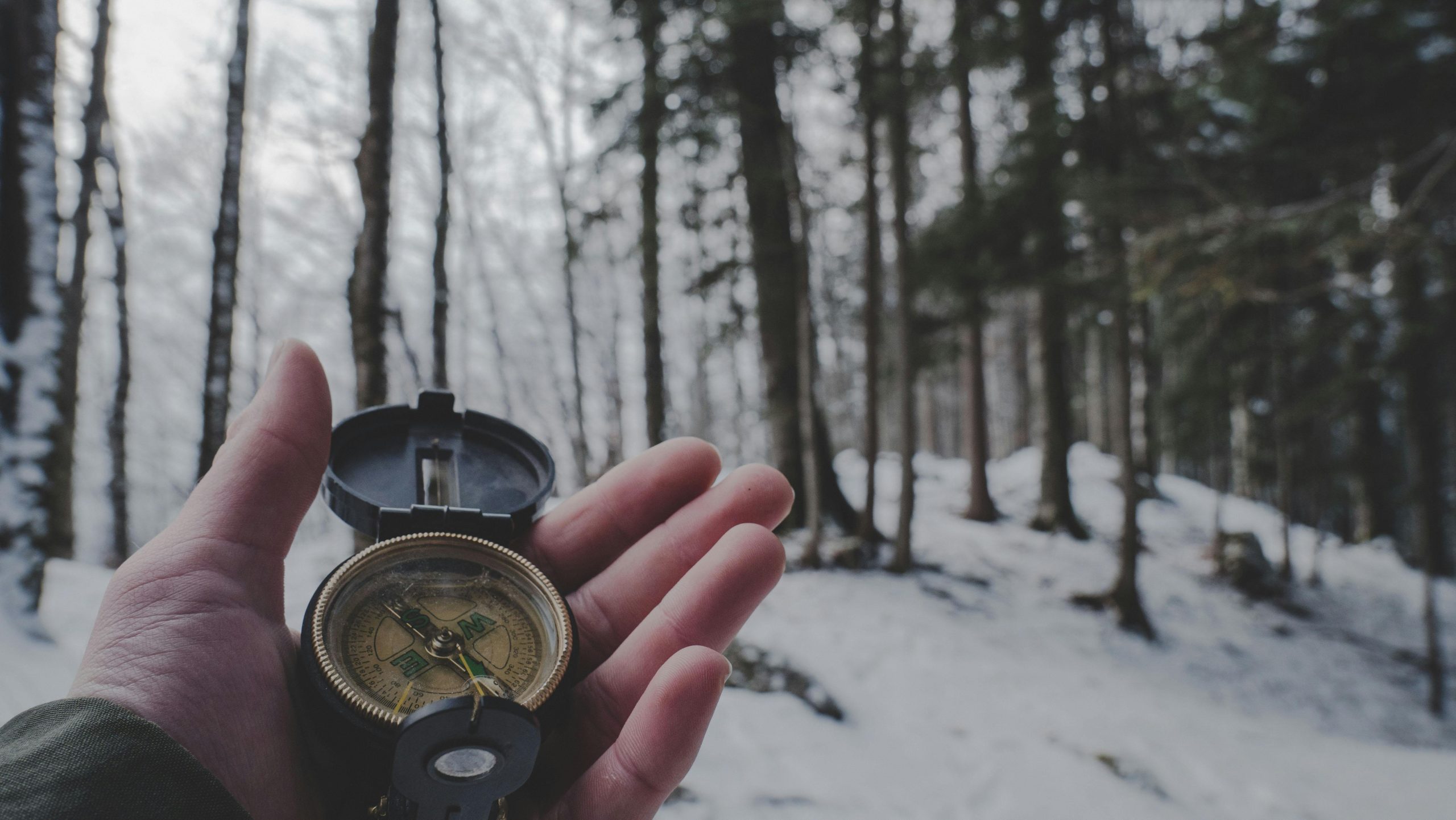
Nature itself provides endless clues for direction and weather. Teach your kids how to use the position of the sun, shadow sticks, or moss growth to find their bearings. Show them how to read clouds, wind, and animal behavior to predict weather changes. This skill encourages observation and self-reliance, helping kids feel more attuned to their environment. It’s part science, part instinct, and entirely about understanding nature’s subtle language.
12. Leave No Trace and Outdoor
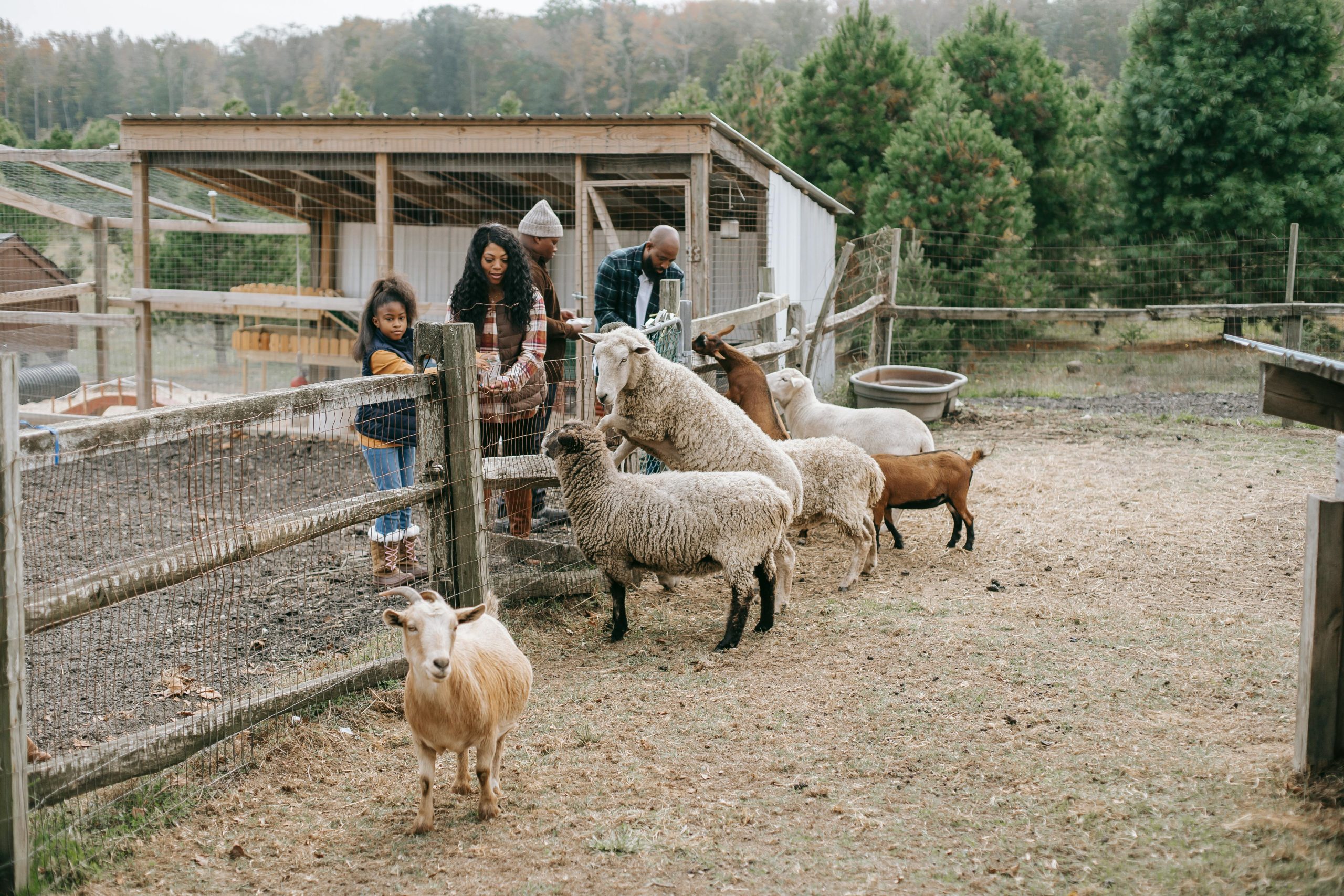
Perhaps the most important lesson is environmental responsibility. Teach your kids to leave no trace by packing out all trash, minimizing campfire impact, and respecting wildlife habitats. Explain how small acts like trampling plants or feeding animals can disturb ecosystems. Encourage them to always leave a campsite cleaner than they found it. This value-based skill nurtures stewardship, kindness, and a lifelong sense of accountability toward protecting our planet.