
The Ruger 10/22 has a reputation as one of the most approachable rifles on the market, but the real ownership experience comes with a few surprises. Before you buy, it helps to know what longtime owners learn after the honeymoon period ends. This gallery walks through the details that rarely make it into the sales pitch, so you can decide whether the 10/22 truly fits your needs.
It Often Costs More Than the Sticker Price Suggests

At first glance, a Ruger 10/22 can look like a straightforward budget buy. Then the extras start adding up. A case, magazines, optic, rings, sling, cleaning gear, and a few bricks of .22 LR can push the final number well beyond what you expected when you saw the rifle on the shelf.
That does not mean it is overpriced. It means the rifle is often the beginning of the purchase, not the whole purchase. Many first-time buyers discover the 10/22 is affordable in theory, but in practice it invites a full starter setup almost immediately.
The Factory Trigger Is Usually Just Fine, Not Amazing

A lot of new buyers hear so much praise about the 10/22 that they expect a crisp, competition-like trigger right out of the box. In reality, the standard trigger is typically serviceable and safe, but not especially refined. For casual plinking, that may be perfectly acceptable. For tighter groups, some owners notice its limits quickly.
This is one reason the aftermarket is so active. Trigger upgrades are among the most common changes people make, and they can noticeably alter how the rifle feels. The surprise is not that the stock trigger is bad. It is that the rifle’s reputation sometimes makes people expect more than Ruger intended to deliver at the base level.
Ammo Choice Matters More Than You Might Expect

One of the biggest surprises with any .22 LR rifle is how much performance can change from one brand or load to another. A Ruger 10/22 may run flawlessly with one bulk pack and become fussy with another. Accuracy can also shift more than beginners expect, even at modest distances.
That is not unusual for rimfire rifles, but it catches new owners off guard. The smart move is to test a few loads before buying in volume. Many experienced shooters treat ammo selection as part of the setup process, because the rifle often reveals clear preferences once you spend time at the range.
The Cheapest Magazines Are Not Always Worth It

The 10/22 is famous for reliability, but that reputation often assumes quality magazines. Factory rotary magazines are widely respected for a reason. They tend to fit well, feed consistently, and preserve the rifle’s neat, compact profile. New buyers sometimes assume any magazine that fits the platform will perform the same way.
That is where frustration can begin. Bargain aftermarket magazines can introduce feeding issues, awkward fit, or inconsistent function that people mistakenly blame on the rifle itself. Many longtime owners eventually circle back to Ruger magazines, especially if their goal is dependable range time instead of troubleshooting every few rounds.
It Is Easy to Start Modifying Everything

The 10/22 has one of the most expansive aftermarket ecosystems in the firearms world. That sounds like a benefit, and it is, but it also means the rifle can become a project faster than many buyers anticipate. Stocks, barrels, triggers, bolts, optics rails, charging handles, and internals are all part of the temptation.
For some owners, customization is the whole appeal. For others, it becomes a slow drift away from the simple, affordable rimfire they intended to buy. The surprise is how quickly a practical rifle can turn into a hobby platform, with costs and decisions multiplying every time you browse parts.
Cleaning Is Simple, Reassembly Can Be Less Intuitive
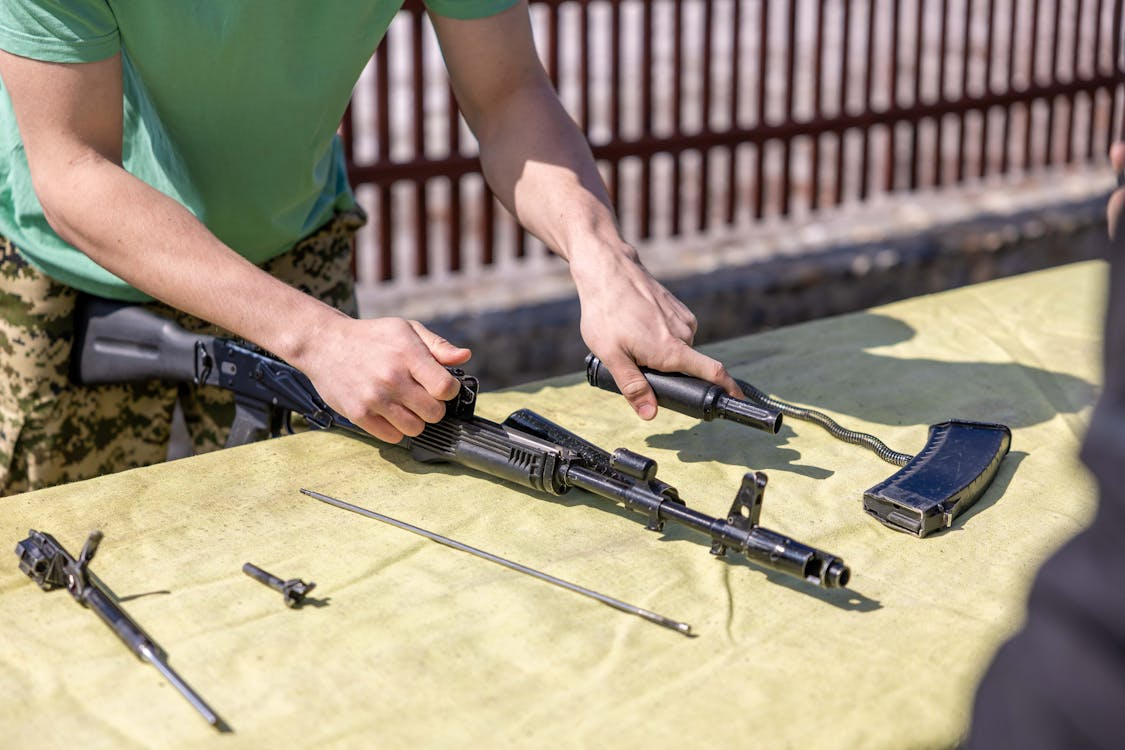
The 10/22 is generally easy to maintain, which is one reason it remains so popular. Basic cleaning is straightforward, and routine care does not require unusual tools or advanced skill. Still, some new owners are surprised that taking things apart and putting them back together can be less obvious than they expected the first time around.
Small pins, the trigger group, and the way components seat back into the receiver can create a brief learning curve. Once you understand the sequence, it becomes much less intimidating. But that first disassembly often teaches buyers that simple ownership and simple reassembly are not always exactly the same thing.
Accuracy Depends on Your Expectations

The Ruger 10/22 is widely regarded as accurate enough for fun, training, and small-game use, but the word accurate means different things to different people. Some buyers hear years of praise and expect tiny groups with basic ammo and a factory barrel. In real use, the rifle is often good, sometimes very good, but not magically precision-built in stock form.
That distinction matters. If your goal is casual target work and dependable plinking, the 10/22 usually delivers. If you are chasing match-style performance, you may need better ammo, a better optic, and possibly upgraded parts. The hidden lesson is that expectations often shape satisfaction more than the rifle itself.
The Standard Sights May Not Be Your Favorite

Many buyers assume they will be perfectly happy with the factory sights, especially on a rifle with such a strong reputation. For some people, that is true. For others, the sight picture feels basic, the front bead is not ideal in certain lighting, or the setup simply does not match aging eyes or more precision-oriented shooting.
That is why optics show up on so many 10/22s. Even a modest red dot or low-power scope can dramatically change the experience. The surprise is not that the factory sights work. It is that a rifle praised for versatility often feels more comfortable once you tailor the aiming system to your own style.
Light Recoil Does Not Mean Zero Learning Curve

Because the 10/22 is chambered in .22 LR, people often describe it as beginner-friendly, and that is fair. Recoil is light, noise is manageable compared with larger calibers, and the platform is approachable for new shooters. But easy recoil does not automatically remove the need for sound fundamentals.
Sight alignment, trigger control, follow-through, loading habits, and safe gun handling still matter every single time. In fact, a rifle this friendly can mask mistakes because it feels forgiving. Many owners later realize the 10/22 is best understood as an excellent learning tool, not a shortcut that makes technique irrelevant from day one.
You May End Up Wanting More Than One

This may be the most honest surprise of all. Plenty of owners buy one 10/22 as a practical rimfire, then start imagining a second setup for a different purpose. One stays classic with iron sights, another gets a scope and heavier barrel, and suddenly the platform’s flexibility starts to feel like a collection waiting to happen.
That pattern speaks to the rifle’s real strength. It can be many things to many people without becoming intimidating. The hidden truth before buying is that the Ruger 10/22 is rarely just a single purchase decision. For many enthusiasts, it becomes a long-term category of interest all by itself.