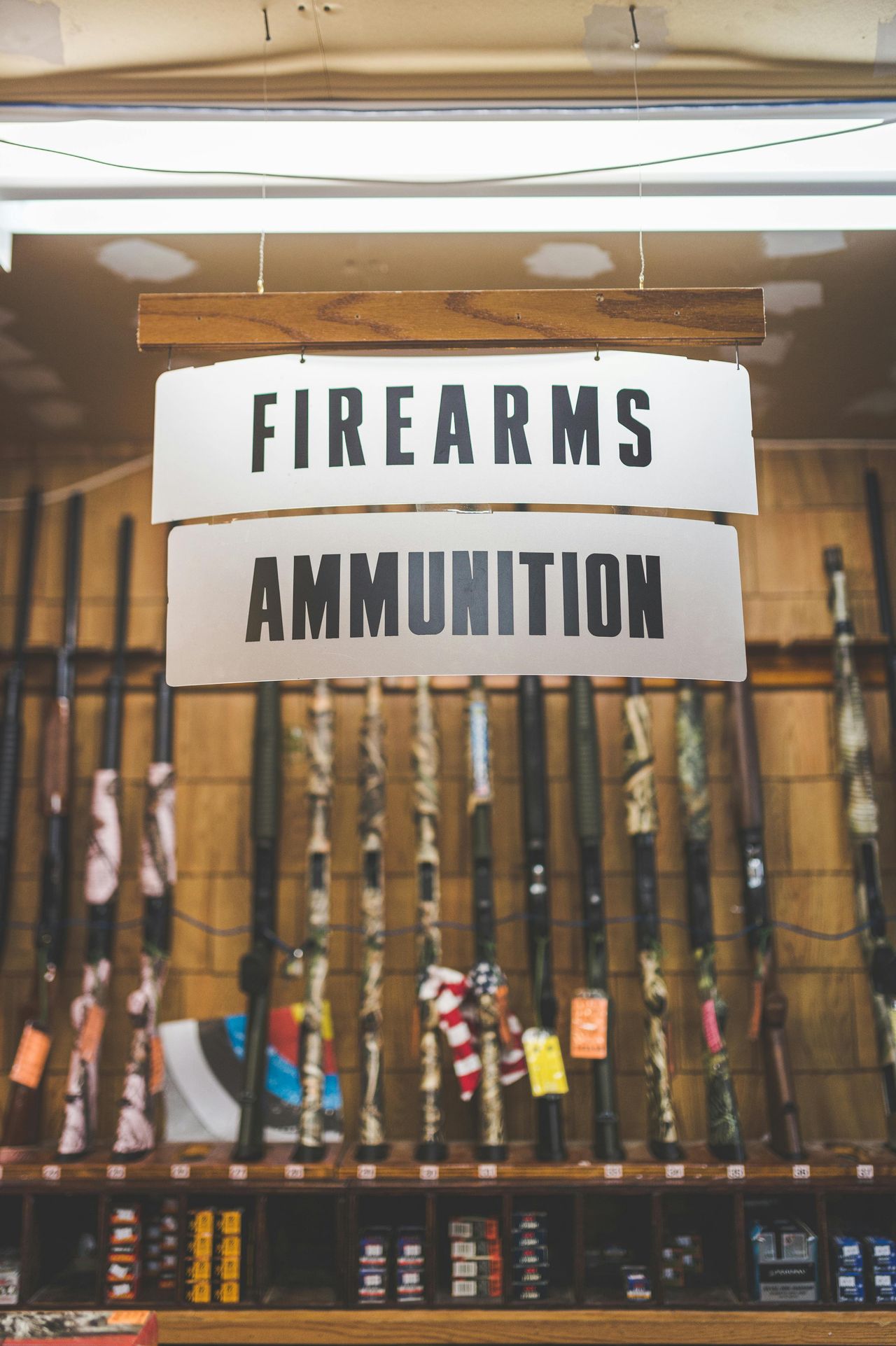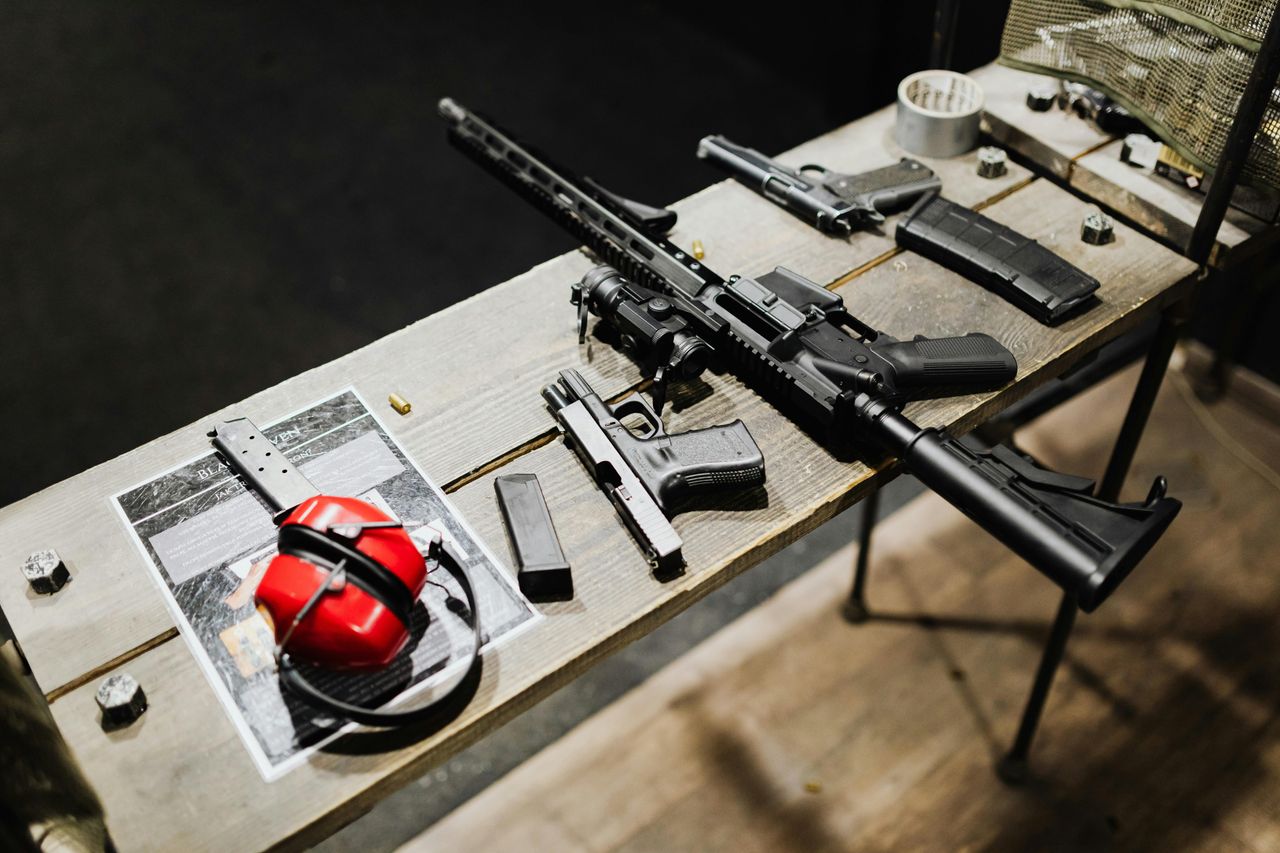
Trends come and go, but some cartridges stay popular because they solve real problems for real shooters. The 5.56 NATO remains the default choice for many Americans thanks to its balance of recoil, cost, availability, and versatility. This gallery breaks down the practical reasons it still earns that spot, whether the conversation is about training, home defense, ranch use, or weekend range time.
Low recoil makes it easier to shoot well
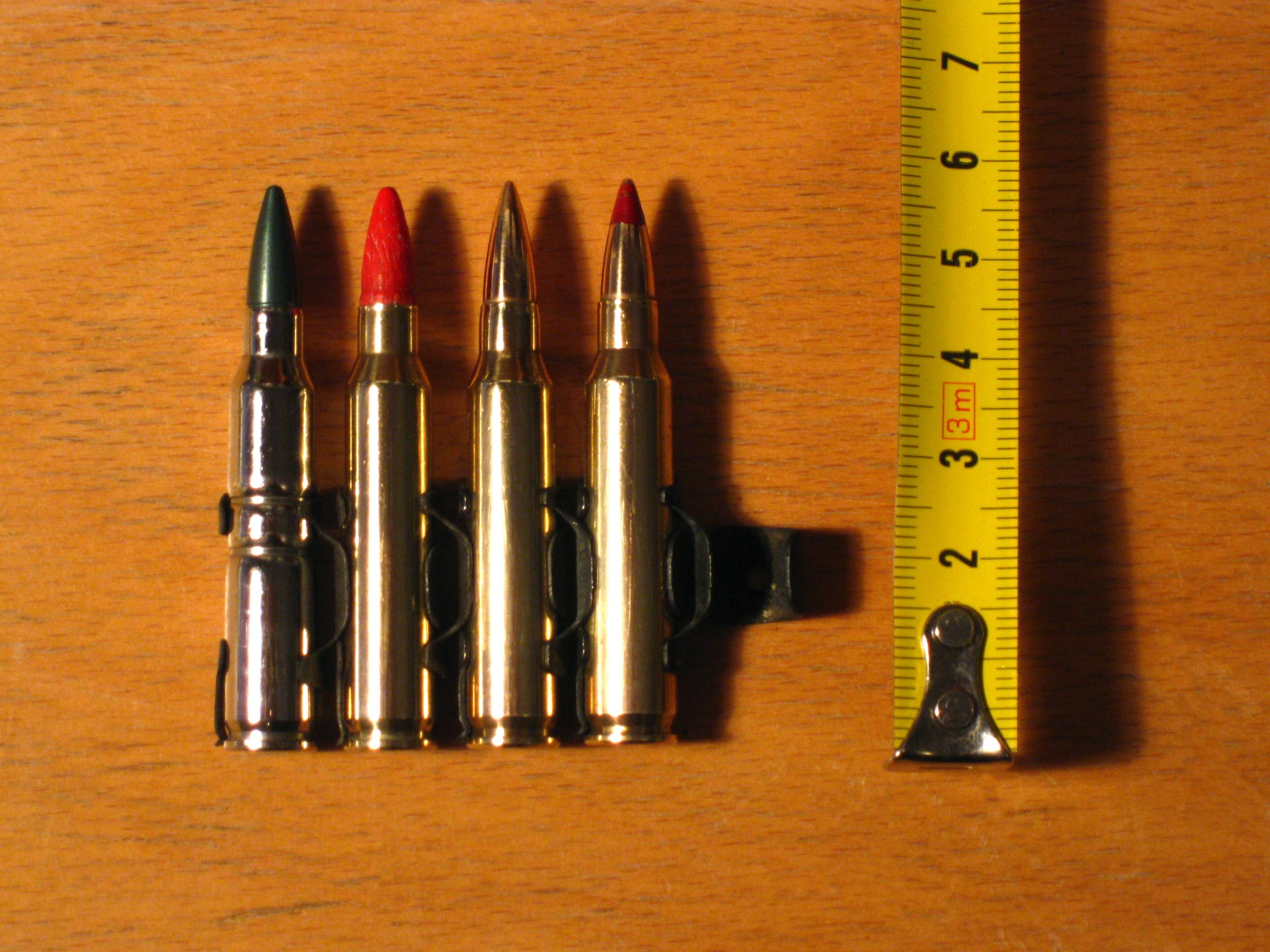
One of the biggest reasons 5.56 NATO remains so practical is simple: it is easy to control. Compared with larger rifle cartridges, recoil is light, which helps new shooters build confidence and lets experienced shooters stay fast and accurate when the pace picks up.
That matters more than people sometimes admit. A rifle that is comfortable to shoot tends to get used more, trained with more, and mastered more quickly. Whether someone is practicing offhand at the range or running drills from different positions, lighter recoil usually means better follow-up shots and less fatigue by the end of the day.
Ammunition is widely available across the country

Practicality is not just about ballistics on paper. It is also about what people can actually find on store shelves, online inventories, and in bulk packs at local shops. In America, 5.56 NATO and compatible .223 Remington loads are still among the easiest rifle rounds to locate.
That broad availability makes a real difference for ordinary owners. If you shoot often, travel with your rifle, or simply want to keep a reasonable supply on hand, common ammunition is a major advantage. When a caliber is supported almost everywhere, it becomes easier to train consistently instead of treating every range trip like a scavenger hunt.
It remains relatively affordable for regular practice
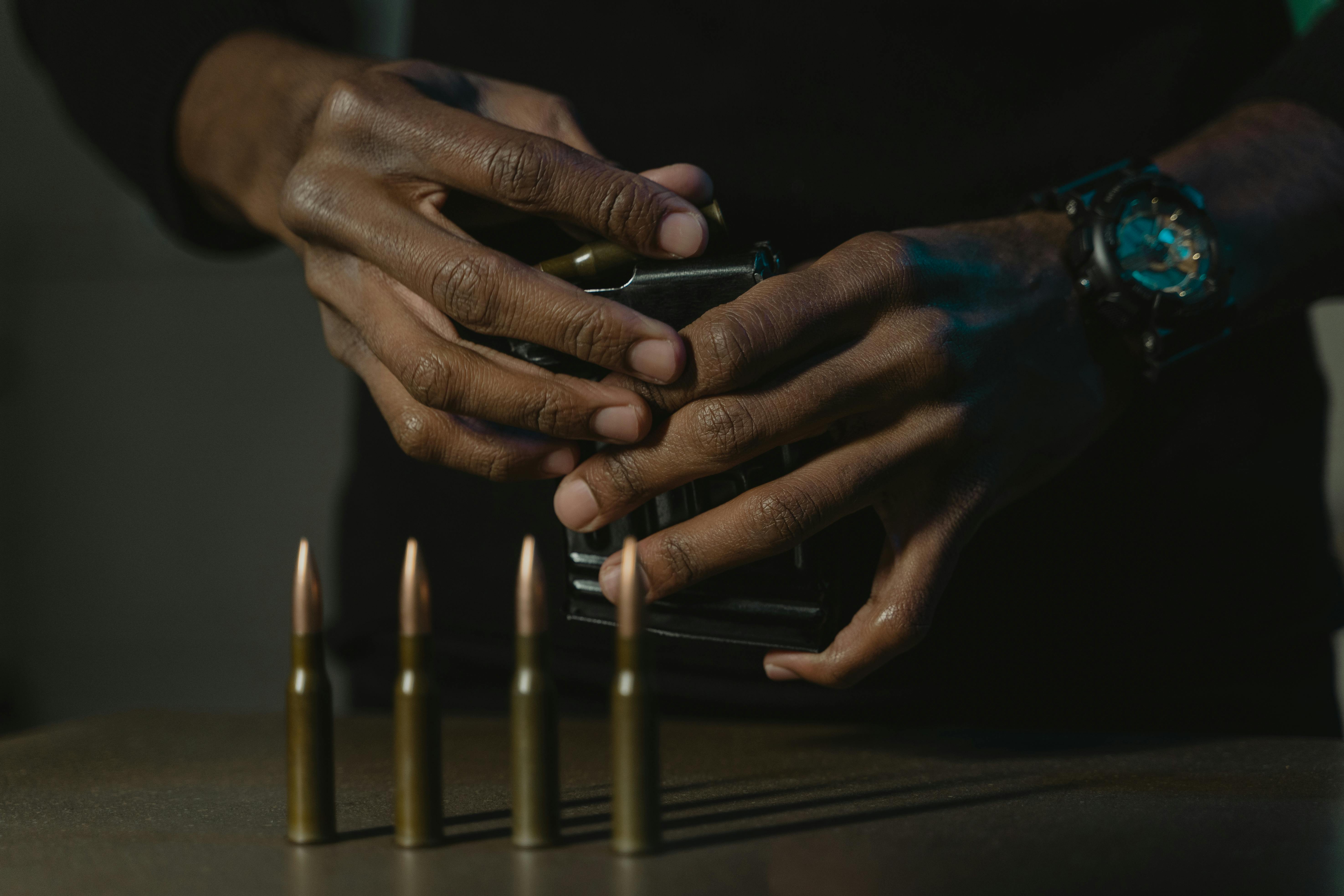
Most shooters do not need a caliber that looks impressive in a forum debate. They need one they can afford to shoot often. That is where 5.56 NATO continues to shine, because it is generally less expensive than many larger centerfire rifle options.
Affordable ammunition encourages repetition, and repetition builds skill. A shooter who can buy a few hundred rounds without flinching is more likely to practice zeroing, transitions, positional shooting, and basic marksmanship. Over time, that matters far more than tiny theoretical advantages from cartridges that cost substantially more per trigger press and often spend more time being admired than actually fired.
The AR-15 platform gives it unmatched support

The 5.56 NATO benefits enormously from the rifle platform most associated with it. In the United States, the AR-15 ecosystem is vast, mature, and well understood. Parts, magazines, optics, accessories, and qualified armorers are everywhere, which makes ownership simpler and less intimidating.
That support turns into practicality very quickly. If something breaks, replacements are easy to source. If a shooter wants to change barrel length, stock setup, or optic style, options are endless. The result is a rifle caliber backed by an infrastructure that makes maintenance, customization, and long-term use easier than with many more specialized or less common chamberings.
It is versatile enough for many common roles

No single rifle caliber does everything perfectly, but 5.56 NATO does a surprising number of things well enough for the average American shooter. It can serve as a training round, a home-defense option in the right setup, a ranch rifle cartridge, a competition choice, and a reliable companion for recreational shooting.
That broad usefulness is the heart of its appeal. Many people do not want a safe full of highly specialized rifles for narrow tasks. They want one practical setup that covers most of what they actually do. For those shooters, 5.56 NATO hits a sweet spot between portability, controllability, and real-world capability without demanding many compromises.
Modern loads have improved real-world performance

Some of the old criticism aimed at 5.56 NATO comes from outdated assumptions or from comparisons that ignore advances in bullet design. Today there are far better defensive, duty, and hunting loads than many shooters had access to years ago, and that has expanded the cartridge’s practical usefulness.
A caliber does not stand still when manufacturers keep refining projectiles, powders, and consistency. Better barrier performance, more dependable expansion in certain loads, and stronger accuracy from quality ammunition have all helped 5.56 stay relevant. For many realistic distances and common use cases, modern ammunition makes the cartridge more capable than its reputation sometimes suggests.
Light weight helps shooters carry more with less strain
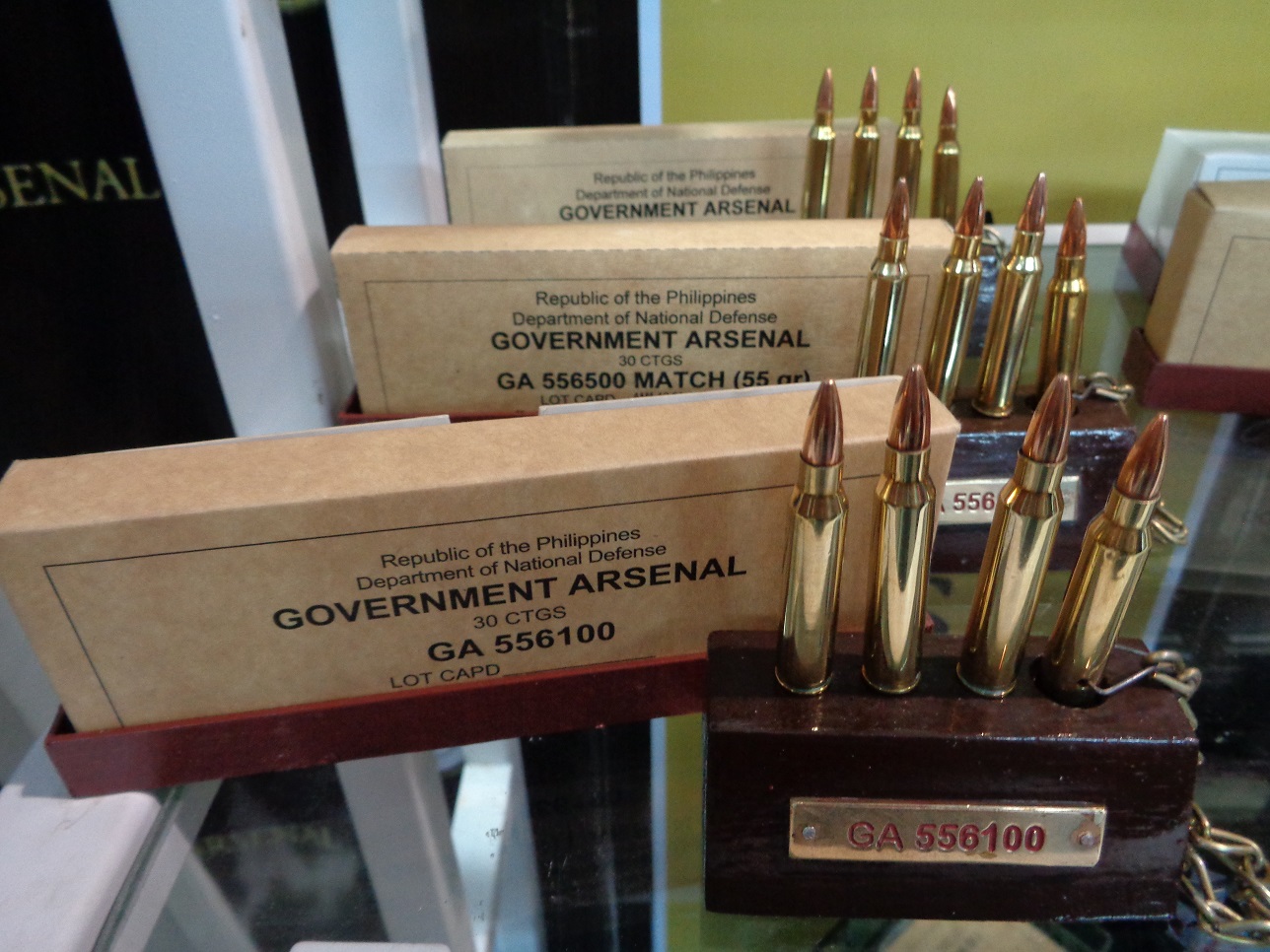
Another practical edge is weight. Rifles chambered in 5.56 NATO are often lighter and handier than larger-caliber alternatives, and the ammunition itself is lighter too. That means easier movement on the range, in the field, or during training classes where gear weight becomes noticeable fast.
Lighter ammunition also allows people to carry more rounds with less bulk. That may matter to competitors, ranchers, or anyone spending long hours outdoors. Even for casual range use, less weight makes gear easier to organize and transport. Practical equipment is not just effective when fired. It is also comfortable to carry, store, and live with day to day.
For most Americans, it is enough rifle without excess
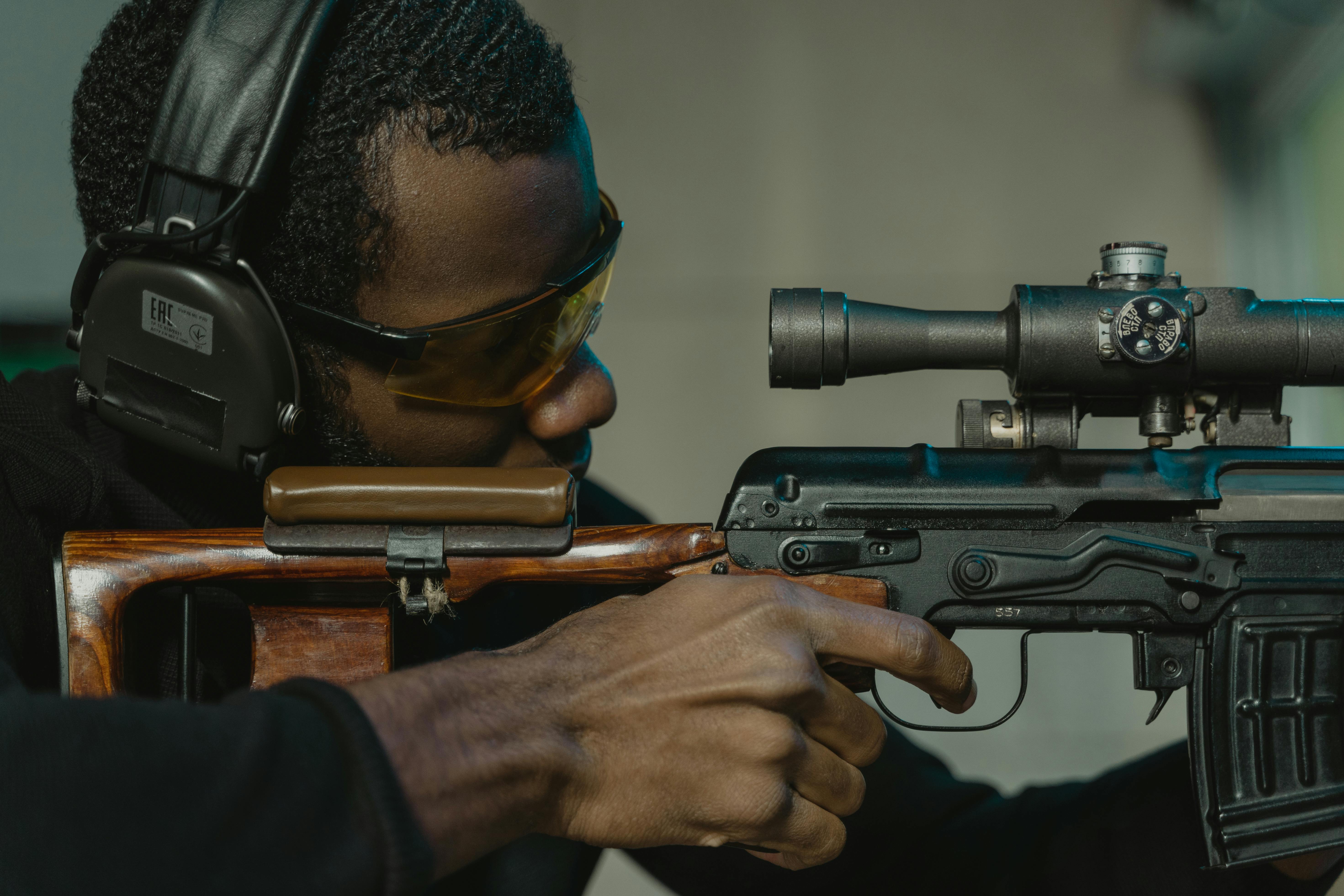
The strongest case for 5.56 NATO may be that it meets ordinary needs without piling on unnecessary recoil, cost, or complexity. Most civilian rifle owners are not shooting at extreme distances or hunting large game with one rifle. They are training, target shooting, defending property, or enjoying a versatile carbine.
In that context, 5.56 remains the sensible middle ground. It is proven, common, manageable, and supported by a huge market. Flashier calibers will keep appearing, and some of them are excellent at specific jobs. But for the broadest slice of American shooters, 5.56 NATO still offers the most useful blend of accessibility and everyday practicality.