Plenty of cartridges have been billed as faster, flatter, lighter, or more modern than the 7.62×39. Yet this mid-century round keeps showing up in conflicts, hunting camps, and civilian collections across the globe. Its staying power is not about nostalgia alone. It comes from a mix of practicality, availability, and real-world performance that newer challengers have struggled to match.
It was built for rugged reliability

The 7.62×39 earned its reputation in rifles designed to run under ugly conditions. Mud, dust, cold, poor maintenance, and rough handling were not edge cases. They were part of the design brief. That pairing gave the cartridge an identity rooted in dependability rather than perfection on paper.
A lot of newer rounds promise better velocity or tighter groups, but reliability is what keeps a cartridge in service for decades. The 7.62×39 feeds well, extracts with authority, and performs consistently in simple actions. For armies, militias, and civilians alike, that kind of trust is hard to replace once it is established.
It delivers useful power without excessive recoil

Part of the round’s longevity comes from balance. The 7.62×39 hits harder than many small intermediate cartridges at close and moderate distances, yet it does not punish the shooter the way full-power battle rifle rounds can. That makes it approachable for a very wide range of users.
In practical shooting, comfort matters more than spec-sheet bragging rights. A cartridge that is easy to control tends to be trained with more, shot better, and trusted sooner. The 7.62×39 sits in a sweet spot where recoil is noticeable but manageable, which helps explain why so many shooters keep coming back to it.
It performs where most real shooting actually happens

For all the discussion about long-range ballistics, many real-world uses happen inside distances where the 7.62×39 is perfectly at home. In thick woods, rural property, short engagement zones, and practical range work, it offers more than enough effectiveness for the task.
That matters because cartridges survive by solving common problems, not rare ones. The 7.62×39 may not be the king of flat trajectories, but it is deeply competent in the distances where many hunters, security forces, and recreational shooters spend their time. Relevance in the real world has helped it outlast many rounds designed to impress in narrower roles.
It became one of the most available rounds on earth

A cartridge is hard to kill once it achieves global saturation. The 7.62×39 spread through state arsenals, export programs, military aid packages, and commercial channels on a scale few rounds can match. That huge installed base created a cycle where rifles, magazines, spare parts, and ammunition kept reinforcing one another.
Availability shapes loyalty more than enthusiasts sometimes admit. People stick with what they can find, afford, and support. Because the 7.62×39 has been produced in enormous quantities for generations, it built a worldwide ecosystem that newer replacements often lacked. Momentum matters, and this round has had a lot of it.
It thrives in affordable rifles and ammunition
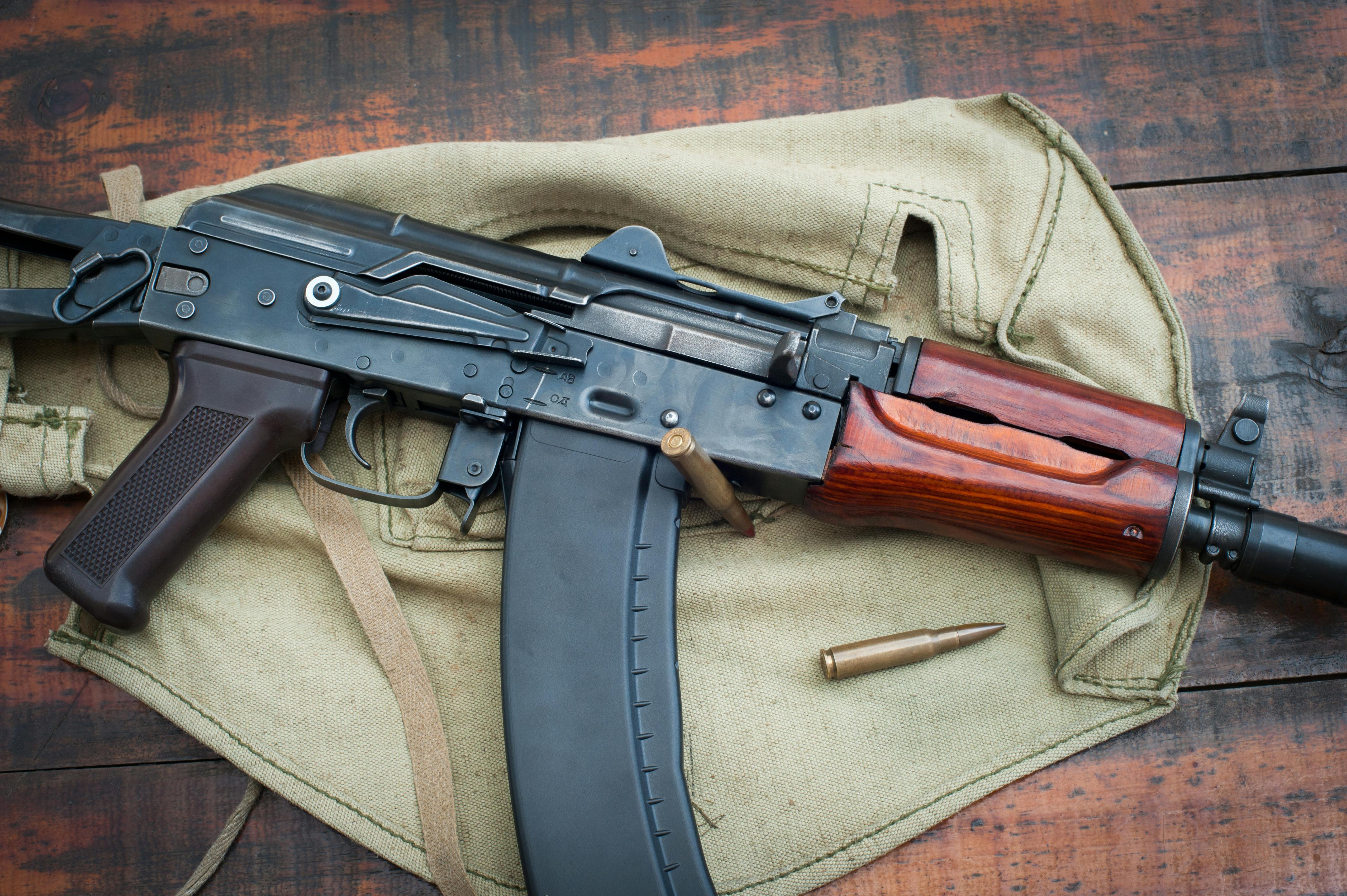
The 7.62×39 has long benefited from a simple truth: cost keeps calibers alive. When rifles chambered for it are widely available and ammunition is historically offered at approachable prices, more people buy in. Once they do, the cartridge gains another layer of staying power through sheer user numbers.
Budget friendliness also widens the audience. A first-time buyer, a practical hunter, and a collector can all find a path into the caliber without feeling priced out. Newer cartridges often arrive with premium branding and premium costs. The 7.62×39, by contrast, built its legacy in part by being useful enough for many people and expensive enough for very few.
It works for both defense and hunting

Some cartridges remain niche because they do one thing well and very little else. The 7.62×39 stayed relevant by covering multiple jobs competently. It has seen military and defensive use for decades, while also proving effective for hogs, deer-sized game in many regions, and general field carry.
Versatility is a powerful form of insurance. Shooters are more likely to keep supporting a caliber when the same rifle can fill more than one role. It may not be the perfect specialist in every category, but the 7.62×39 has spent years being practical enough across several of them. That broad usefulness has made replacement a lot harder than critics expected.
Its bullet design offers dependable terminal effect

The 7.62×39 keeps its place partly because it throws a relatively substantial bullet for an intermediate cartridge. At common distances, that combination of diameter, weight, and moderate velocity has given it a reputation for solid practical effect, especially with modern soft-point and expanding loads.
Not every shooter cares about ballistic charts the same way. Many care more about whether a round behaves predictably on target. In that respect, the 7.62×39 has a long, well-understood track record. Generations of military users, hunters, and civilian shooters know what to expect from it, and familiarity like that tends to outlive trendier alternatives.
It benefits from a massive parts and magazine ecosystem

Replacing a cartridge is never just about ballistics. It also means replacing the hardware around it, and the 7.62×39 has a huge head start there. Decades of production created mountains of magazines, bolts, barrels, pouches, load-bearing gear, and aftermarket support that continue to keep the round practical.
That ecosystem lowers friction for everyone involved. Repairing a rifle, sourcing magazines, or finding compatible accessories is easier when millions of examples already exist. New calibers often ask users to bet on a future support network. The 7.62×39 does not have to make that pitch. Its support structure has already been built over generations.
Combat history gave it credibility no marketing campaign could match

Many rounds arrive with polished claims about what they are supposed to become. The 7.62×39 earned its place through repeated use in actual wars, insurgencies, border conflicts, and decades of hard service. Whatever anyone thinks of the politics around those conflicts, the cartridge built a record in the most unforgiving proving ground possible.
That history matters because it creates confidence that is difficult to manufacture. A caliber with a long operational resume carries a kind of institutional trust. Armies, irregular forces, and civilian shooters alike tend to respect a round that has already answered the question of whether it works when conditions are at their worst.