Some cartridges make noise for a few years. The .357 Magnum has made a case for itself for generations.
It hit the sweet spot early and never really left it

When the .357 Magnum arrived in the 1930s, it was not just another revolver round. It was a meaningful jump in handgun performance at a time when people were demanding more penetration, more reach, and more authority than older service cartridges typically offered. That early reputation mattered, because once a cartridge proves itself in real use, it becomes more than a specification sheet. It becomes a benchmark that every newcomer has to answer.
Part of the .357 Magnum’s staying power comes from how complete the original formula was. It offered serious velocity from a sidearm, especially with 125-grain and 158-grain loads, while still fitting in handguns people could actually carry and shoot. It did not ask users to embrace a strange platform, a niche design, or a complicated manual of arms. It worked within the familiar revolver format and gave shooters a clear upgrade.
That matters more than many product launches admit. A lot of newer cartridges solve narrow problems or promise tiny gains under ideal conditions. The .357 Magnum solved a broad problem in a durable way. It gave law enforcement, outdoorsmen, home defenders, and recreational shooters a round that felt versatile from the start, and versatility is one of the hardest qualities for any newer release to beat.
Power is only part of the story, but it is still a big part

People often reduce the .357 Magnum to raw stopping power, but that shorthand misses what made it impressive. The cartridge developed a long reputation for combining strong terminal performance with relatively flat trajectory, especially compared with many traditional handgun rounds. In practical shooting terms, that meant more confidence at varied distances and better odds of clean hits when conditions were less than perfect.
The famous 125-grain jacketed hollow point loads helped cement that image. For years, they were widely discussed in law enforcement circles because they delivered fast expansion and strong real-world effect from duty revolvers. Heavier 158-grain loads, meanwhile, kept the cartridge attractive for barrier penetration, field carry, and defense against tougher threats. That range of credible options gave the .357 Magnum more than one identity, and that helped it stay current.
Even today, when high-capacity semiautomatic pistols dominate the conversation, the .357 Magnum still offers performance that commands respect. From a 4-inch or 6-inch revolver, it can produce energy figures that make people pay attention, and from a lever-action carbine it becomes even more impressive. That cross-platform boost is a major reason it refuses to fade. Few handgun cartridges gain as much practical utility when paired with a longer barrel.
Its flexibility is the real reason shooters keep coming back
If the .357 Magnum only did one thing well, it probably would have become a historical footnote. Instead, it occupies a rare middle ground where one chambering can serve several roles without feeling badly compromised. A person can carry it for personal defense, keep it in the woods, shoot steel targets on the weekend, or use it in a compact carbine for ranch and farm work. That kind of overlap is hard to replace.
Then there is the .38 Special factor, which may be the single biggest practical advantage in the cartridge’s favor. A .357 Magnum revolver can also fire .38 Special, giving owners an easy way to train with softer recoil and lower cost. That means one gun can cover beginner practice, defensive readiness, and field use without requiring multiple platforms. For ordinary shooters, convenience like that matters far more than enthusiasts sometimes admit.
This dual-ammunition flexibility also keeps the platform approachable. Someone can start with mild wadcutters, move up to standard-pressure .38 loads, then eventually work into full-power magnum ammunition. That built-in progression is one reason so many instructors still appreciate .357 revolvers as teaching tools. The cartridge grows with the shooter instead of demanding immediate mastery.
The revolvers chambered for it are part of the legend

The .357 Magnum is not surviving on ballistics alone. It is tied to some of the most respected revolvers ever built, from classic Smith & Wesson models to Ruger workhorses and Colt icons. Those guns earned reputations for durability, mechanical simplicity, and practical accuracy. When a cartridge becomes associated with dependable firearms, its relevance gets reinforced every time one of those guns changes hands and keeps running.
There is also a human factor here that should not be ignored. Revolvers chambered in .357 Magnum are easy to understand at a glance, easy to verify as loaded or unloaded, and generally less intimidating to new or occasional shooters than many modern pistols. For people who value straightforward operation, especially in home defense or trail carry roles, that simplicity still has appeal.
The used market keeps the cartridge alive too. Older .357 revolvers remain desirable, serviceable, and often heirloom-quality. A lot of newer cartridges depend heavily on current marketing cycles and fresh handgun releases. The .357 Magnum benefits from decades of existing guns already in safes, on hips, in nightstands, and at ranges. Relevance is much easier to maintain when the installed base is massive and loyal.
It thrives because it works in the real world, not just in ads
A cartridge can look amazing in launch materials and still disappear once people actually live with it. The .357 Magnum has endured because it performs outside the brochure. Hunters have used it effectively on deer-sized game within sensible ranges. Hikers and anglers still carry it in bear country where a reliable sidearm is valued. Homeowners keep it loaded because they trust what it does and trust the gun holding it.
Lever-action rifles add another layer to that practical reputation. In a handy carbine, the .357 Magnum becomes easier to shoot accurately and gains meaningful velocity, making it useful for small-property pest control, short-range hunting, and general outdoors carry. That pairing gives owners a revolver and rifle combination sharing the same chambering, which remains one of the most practical arrangements in the shooting world.
That utility keeps the cartridge from becoming a nostalgia piece. Plenty of old calibers survive because collectors love them. The .357 Magnum survives because people still buy ammunition for current use and still select it for serious purposes. New releases may offer incremental benefits, but few deliver such a broad record of practical success across self-defense, sport, and field work.
New cartridges keep arriving, but most do not replace what it does
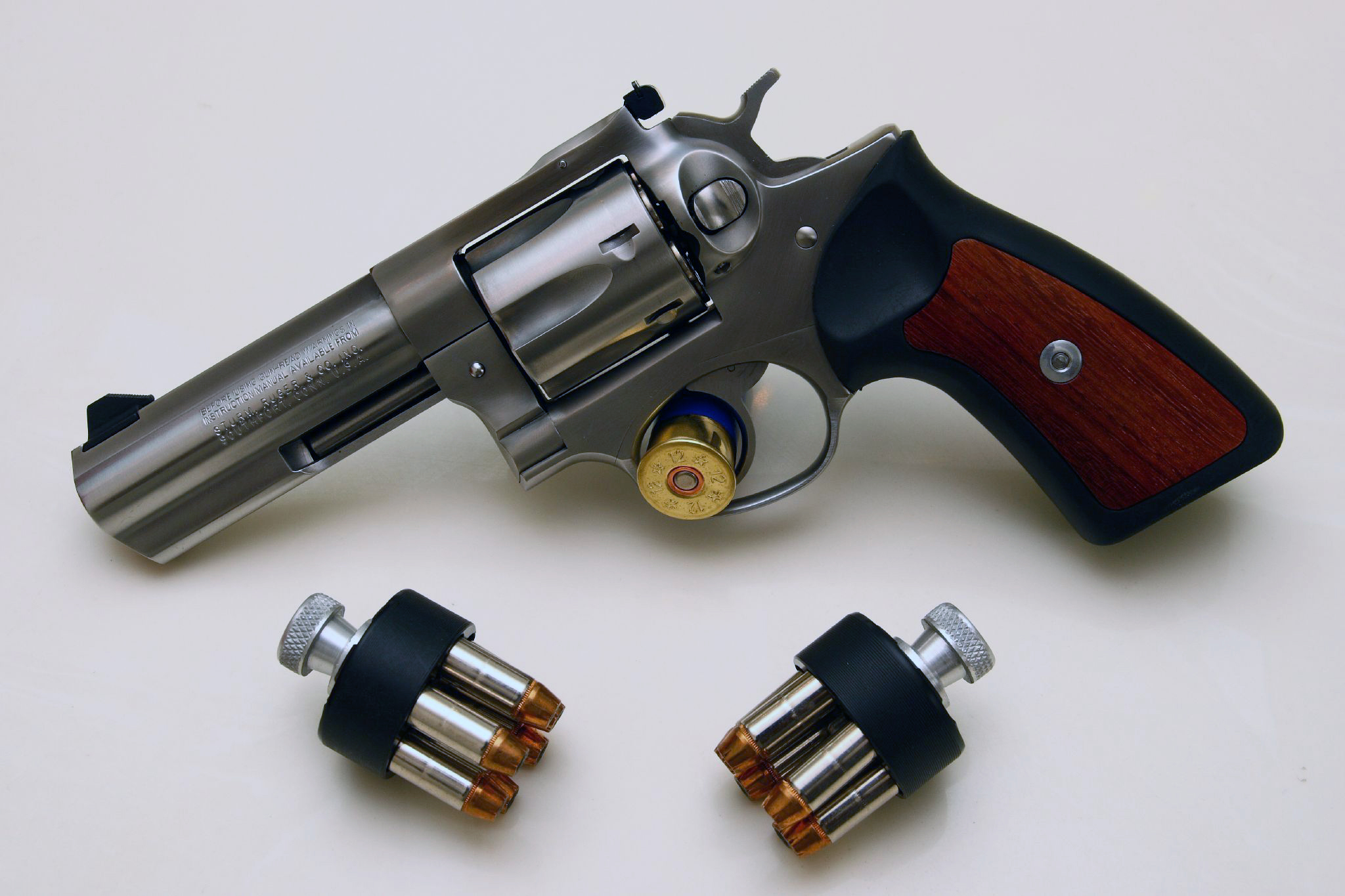
Every few years, the firearms industry introduces a new round that promises better efficiency, better expansion, better capacity, or better barrel-length performance. Sometimes those claims are legitimate. Sometimes they are mostly packaging. Either way, the .357 Magnum keeps its footing because replacement is harder than comparison. A new cartridge does not just have to outperform it in one category. It has to match its whole ecosystem.
That ecosystem includes revolvers, carbines, ammunition variety, holsters, speedloaders, reloading knowledge, and decades of user familiarity. It also includes broad cultural recognition. Even people who are not deeply involved in shooting know the name .357 Magnum. That kind of brand strength is not superficial. Familiarity builds confidence, and confidence influences buying decisions more than technical enthusiasts sometimes realize.
The newer rounds that challenge it often excel in narrower lanes. Some are optimized for compact semiautomatics. Some shine in personal defense but have little field appeal. Some perform best with carefully selected loads from specific barrel lengths. The .357 Magnum remains relevant because it is not a specialist pretending to be universal. It is one of the rare cartridges that is genuinely broad in capability.
Relevance lasts when trust outlives trends
At the end of the day, the .357 Magnum stays relevant because trust compounds over time. Shooters trust the cartridge because parents, trainers, officers, hunters, and experienced gun owners trusted it before them. That does not make it magical, and it does not mean it is always the best answer for every person or purpose. It means it has passed the hardest test in the firearms world: long-term, repeated, practical validation.
Its limitations are real. Full-power loads can be loud, sharp in recoil, and unpleasant in lightweight revolvers. Capacity is lower than most modern semiautomatic pistols, and reload speed is slower under pressure. But relevance does not require perfection. It requires a set of strengths that remain useful enough to outweigh the compromises for a large number of people.
That is exactly what the .357 Magnum still offers. It is powerful without being obscure, flexible without being flimsy, and familiar without being outdated. New rounds will keep launching, and some will absolutely be excellent. But the .357 Magnum refuses to lose relevance because it never depended on novelty in the first place.