A survival knife can look perfect on a product page and still let you down when you need it most. That gap between marketing and reality is where most bad knife decisions get made.
The one test that matters is simple.
In a real emergency, the only test that truly matters is whether the knife keeps working safely through ugly, repetitive, high-stress tasks. Not whether it shaves hair out of the box. Not whether the blade steel sounds impressive in a forum argument. Not whether the handle has a tactical name and a firestarter tucked into it.
Real survival use is brutally ordinary. You may need to cut wet cordage, carve dry kindling, baton through knots, trim shelter poles, strike sparks, prepare food, or make feather sticks with numb fingers in cold rain. A knife that chips, twists, loosens, or becomes painful after 10 minutes is failing the real test, even if it looked spectacular in a review video.
That is why so many knives sold online disappoint. They are optimized for the moment of purchase, not the moment of dependence. The photos are dramatic, the specs are stacked, and the language promises “ultimate readiness,” but very little of that tells you how the tool behaves after repeated hard use by a tired person under pressure.
Experienced field users tend to judge differently. They look for control, durability, comfort, and predictable behavior. Those traits are less glamorous than exotic finishes and giant blades, but they are what matter when a knife stops being gear and becomes a lifeline.
Online listings reward features that don’t save you. u
Most online knife listings are built to win clicks, not to communicate field performance. A seller can highlight premium steel, aggressive styling, and a thick spine because those details are easy to photograph and easy to compare. What’s harder to sell is edge geometry, handle ergonomics over time, or sheath retention after weeks of dirt, moisture, and movement.
This creates a distorted market. Buyers start shopping by visible specifications rather than functional priorities. They compare blade length, coating color, spine thickness, and whether the pommel can break glass, even though none of those details guarantees the knife will process wood efficiently or stay comfortable while doing it.
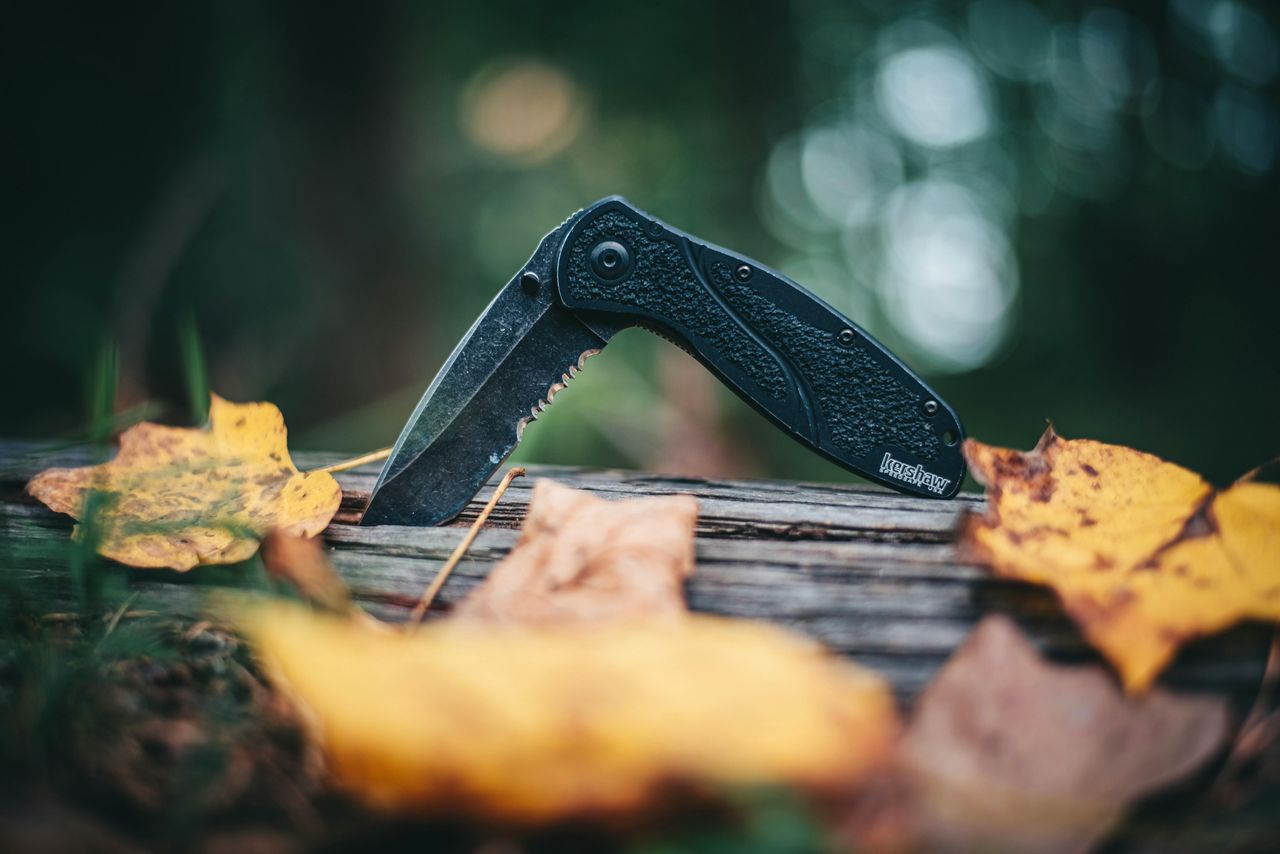
A lot of “survival” knives also borrow their identity from military aesthetics. Black coatings, sawback spines, oversized guards, and skull-crusher pommels suggest toughness, but often add weight, reduce comfort, or make common camp tasks clumsier. The result is a knife that looks serious while performing like a compromise.
Consumer reviews often make the problem worse. Many five-star ratings come from buyers who just unboxed the knife, sliced paper, and admired the fit and finish. That is not malicious; it is simply not a meaningful survival test. A knife’s real weaknesses usually appear after sustained carving, twisting, batonning, moisture exposure, and hours of carry.
The biggest failure is usually control, not sharpness
People often assume knife failure means a snapped blade. That can happen, especially with poor heat treatment or weak construction, but more often the knife fails because the user loses control. In survival situations, control is everything. A blade that is hard to guide, hard to grip, or painful to hold becomes dangerous long before it actually breaks.
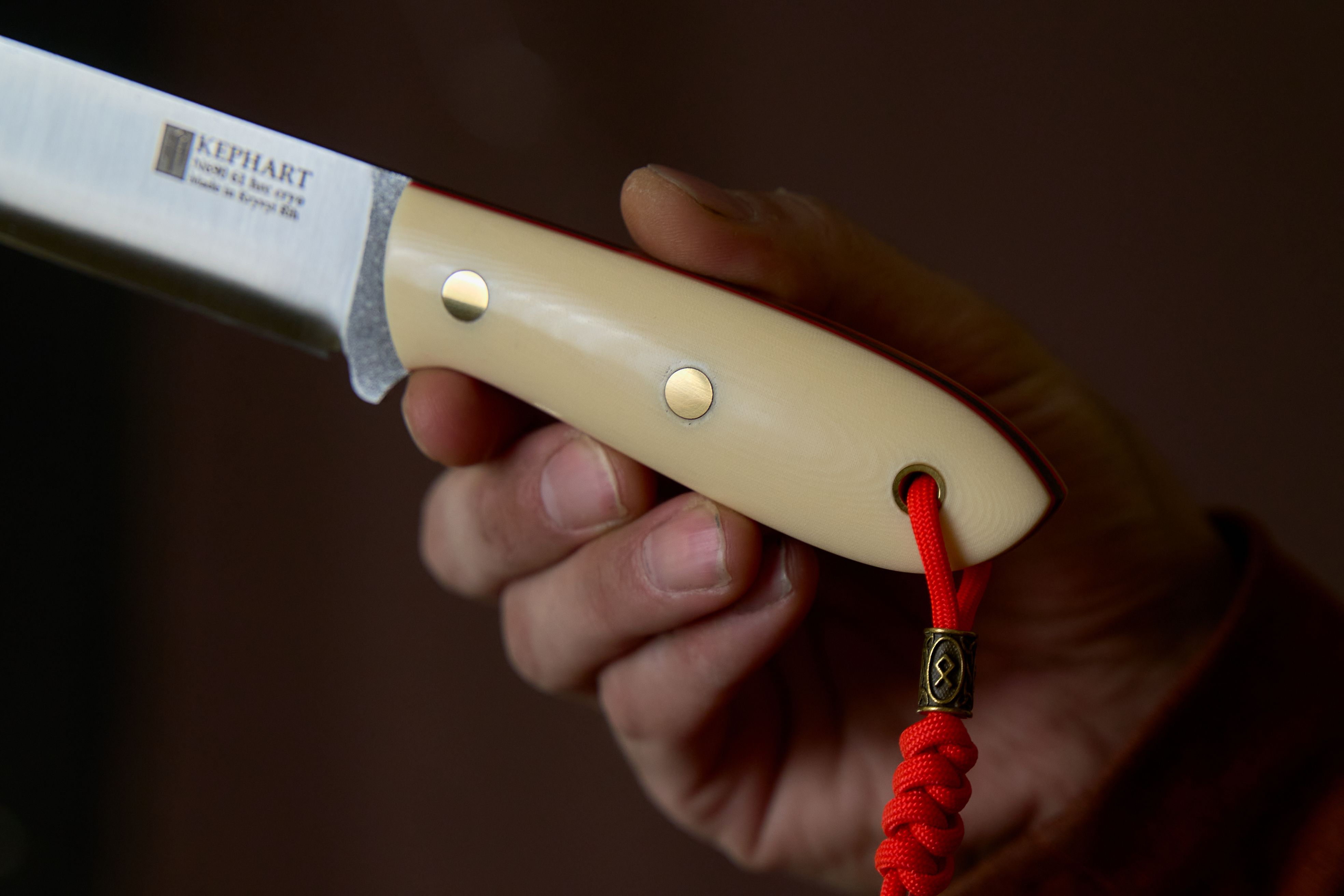
Handle design is the usual culprit. Many online bestsellers have blocky scales, sharp edges, slick finishes, or finger grooves that only fit one hand size. They feel solid during a 30-second inspection, then create hot spots and fatigue during longer work. Once your hand is wet, cold, muddy, or gloved, those small ergonomic flaws become major problems.
Blade shape matters too. A thick, wedge-like edge may survive abuse, but it can split wood poorly, bind during carving, and make precise cuts frustrating. A knife can be technically durable and still be functionally inefficient. In the field, wasted effort costs time, calories, and sometimes skin.
Search-and-rescue instructors and bushcraft trainers often make the same point: the best knife is the one you can use accurately when tired and distracted. Fine motor control deteriorates under stress. If the knife demands perfect grip and ideal conditions, it is already telling you it was designed for display more than survival.
Steel matters, but much less than people think
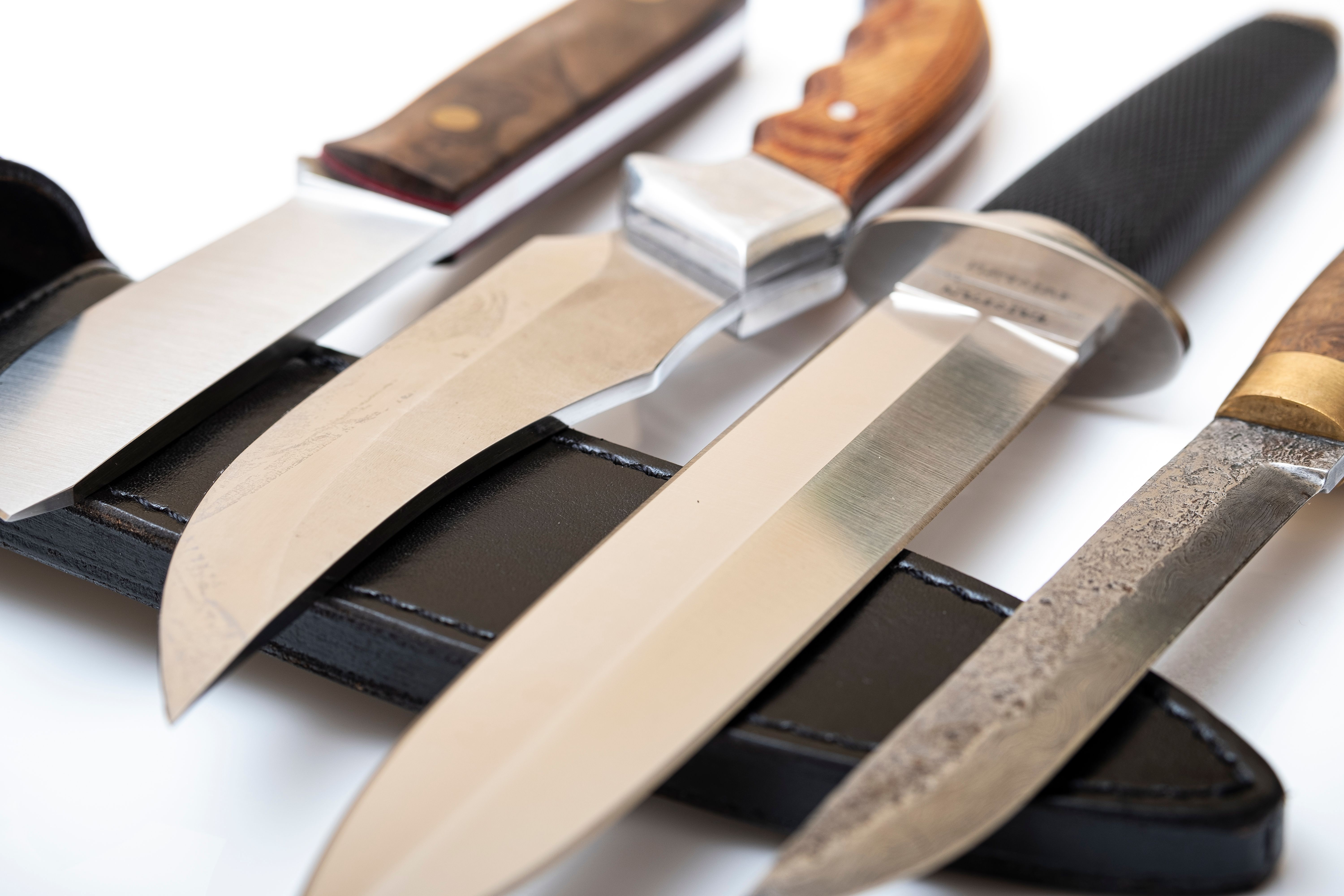
Steel is probably the most over-marketed part of the survival knife world. Buyers are taught to chase steel names as if they alone determine reliability. In reality, steel choice matters, but not nearly as much as heat treatment, edge geometry, grind, and the kind of maintenance a user can realistically perform in the field.
A super-hard steel may hold an edge longer, but it can also be more brittle or much harder to sharpen with simple equipment. In a genuine emergency, a knife that dulls gradually and sharpens easily can be more useful than one that boasts elite edge retention but chips or resists touch-ups. Dependability is not the same as prestige.
That is one reason many experienced outdoors people still favor simpler steels in practical working knives. They know that a blade is part of a system that includes weather, user skill, available sharpening tools, and task type. A steel chart cannot tell you whether the knife bites into seasoned wood cleanly or rolls awkwardly in the hand after 20 minutes of carving.
Online sales language tends to flatten all of this nuance. Premium becomes synonymous with better, and better becomes synonymous with safer. It is a comforting story, but it is incomplete. A balanced, well-ground knife in a modest steel will usually outperform a badly designed knife made from a celebrated alloy.
Construction shortcuts hide behind tough brandi.ng
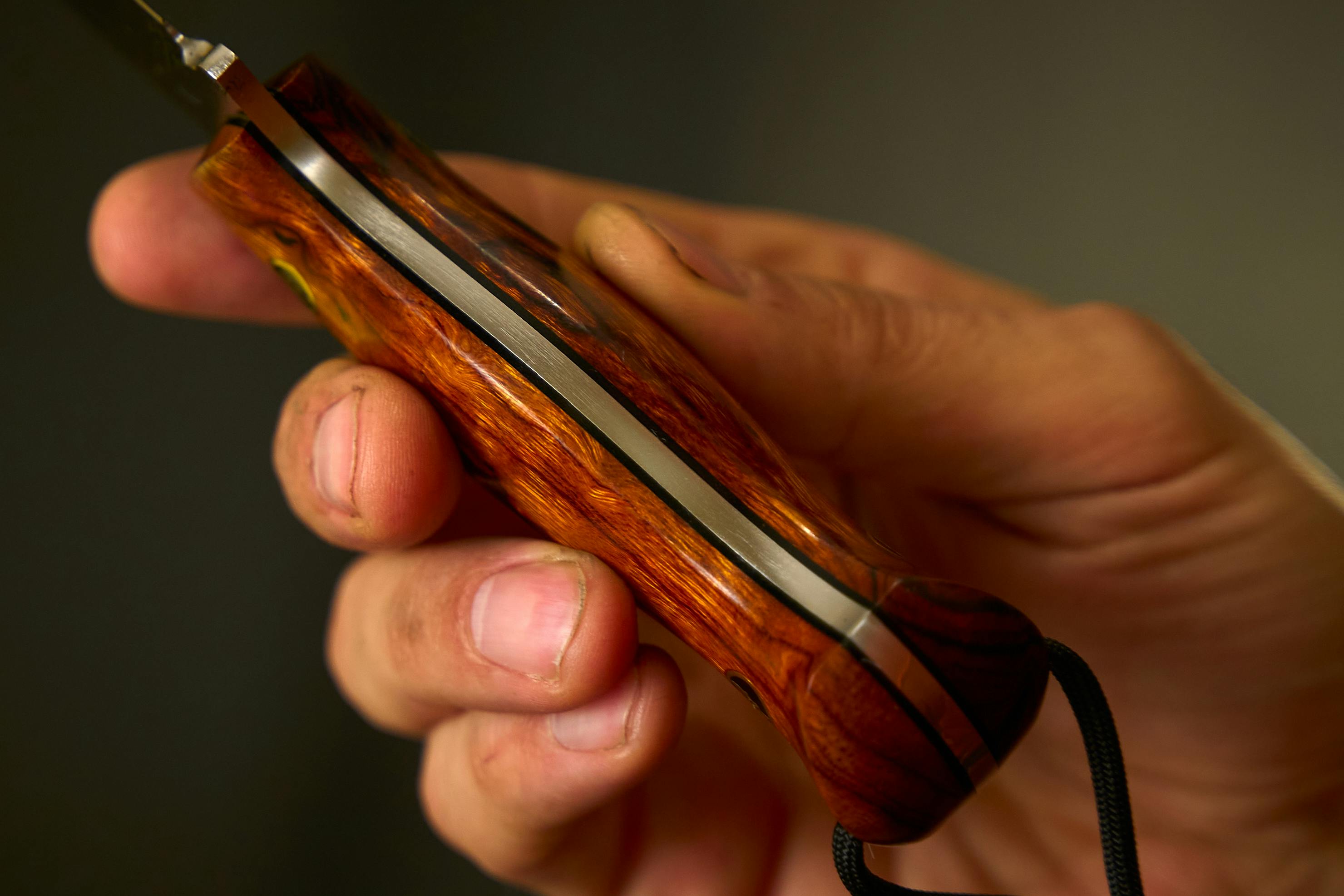
A surprising number of survival knives look overbuilt while hiding basic weaknesses. Rat-tail tangs inside bulky handles, poor-quality fasteners, uneven heat treatment, soft hardware, and fragile sheaths are all common complaints in budget and midrange online purchases. None of these flaws is obvious in polished product images.
Even “full tang” can be misleading. The term sounds reassuring, but tang shape, thickness transitions, handle attachment, and overall design matter more than the label alone. A true full tang with poor ergonomics or weak scale screws is still a compromised tool. Strong construction is about execution, not buzzwords.
Sheaths are another neglected point of failure. A great knife in a bad sheath is a bad field system. If retention is weak, drainage is poor, mounting options are awkward, or re-sheathing requires two hands and perfect attention, the setup becomes unsafe and inconvenient. In an emergency, that inconvenience turns into hesitation or injury risk.
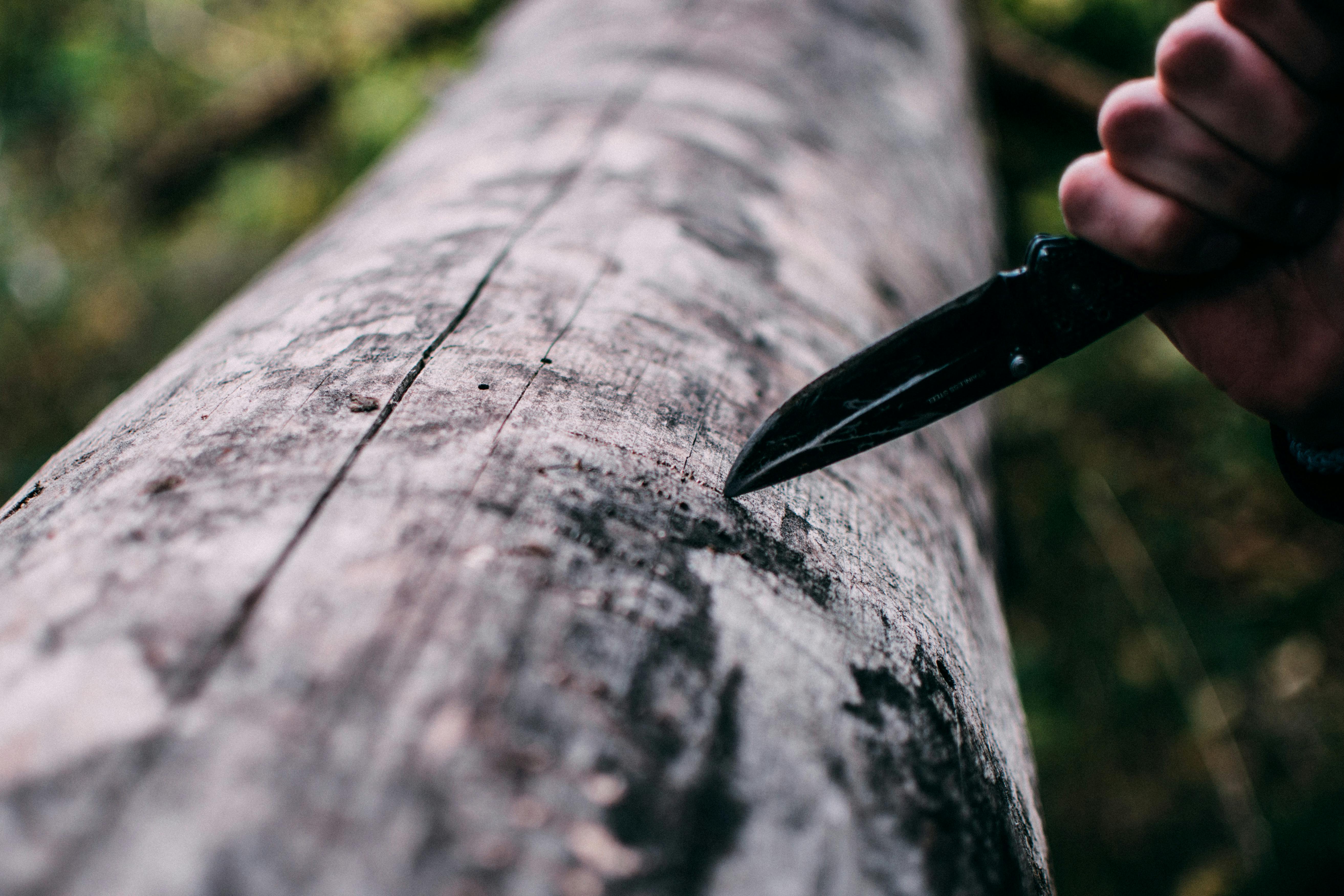
This is where reputable testing stands apart from sales copy. Good testers abuse the knife in boring, repetitive ways: carving hardwood, making traps, processing tinder, cutting synthetic rope, using the sheath in mud and rain, and carrying it for days. Those tests reveal far more than glamour shots of a blade stabbed into a log.
Size and design are often wrong for real field work
Many people imagine a survival knife should be huge, thick, and dramatic. That idea comes from movies, video games, and decades of “one-tool-for-everything” marketing. In practice, oversized knives are often worse at the tasks people actually perform most: carving, slicing, food prep, cordage work, and controlled wood processing.
A blade around the middle of the spectrum usually performs better because it balances reach, strength, and precision. Too large, and the knife becomes tiring and clumsy. Too small, and it struggles with shelter building and batoning. The sweet spot is not exciting, but survival tools are not supposed to be exciting; they are supposed to be dependable.
Design extras can also become liabilities. Hollow handles weaken the structure in many designs. Sawback spines interfere with comfortable thumb placement. Massive guards can get in the way during close carving. Extreme recurve edges complicate sharpening. Every extra feature should justify itself under real use, not just on a spec sheet.
That is the central problem with many online survival knives: they are designed to signal capability rather than deliver it. They communicate adventure, toughness, and self-reliance. But when you strip away the styling, a lot of them are simply awkward cutting tools with survival language wrapped around them.
What actually makes a survival knife trustworthy
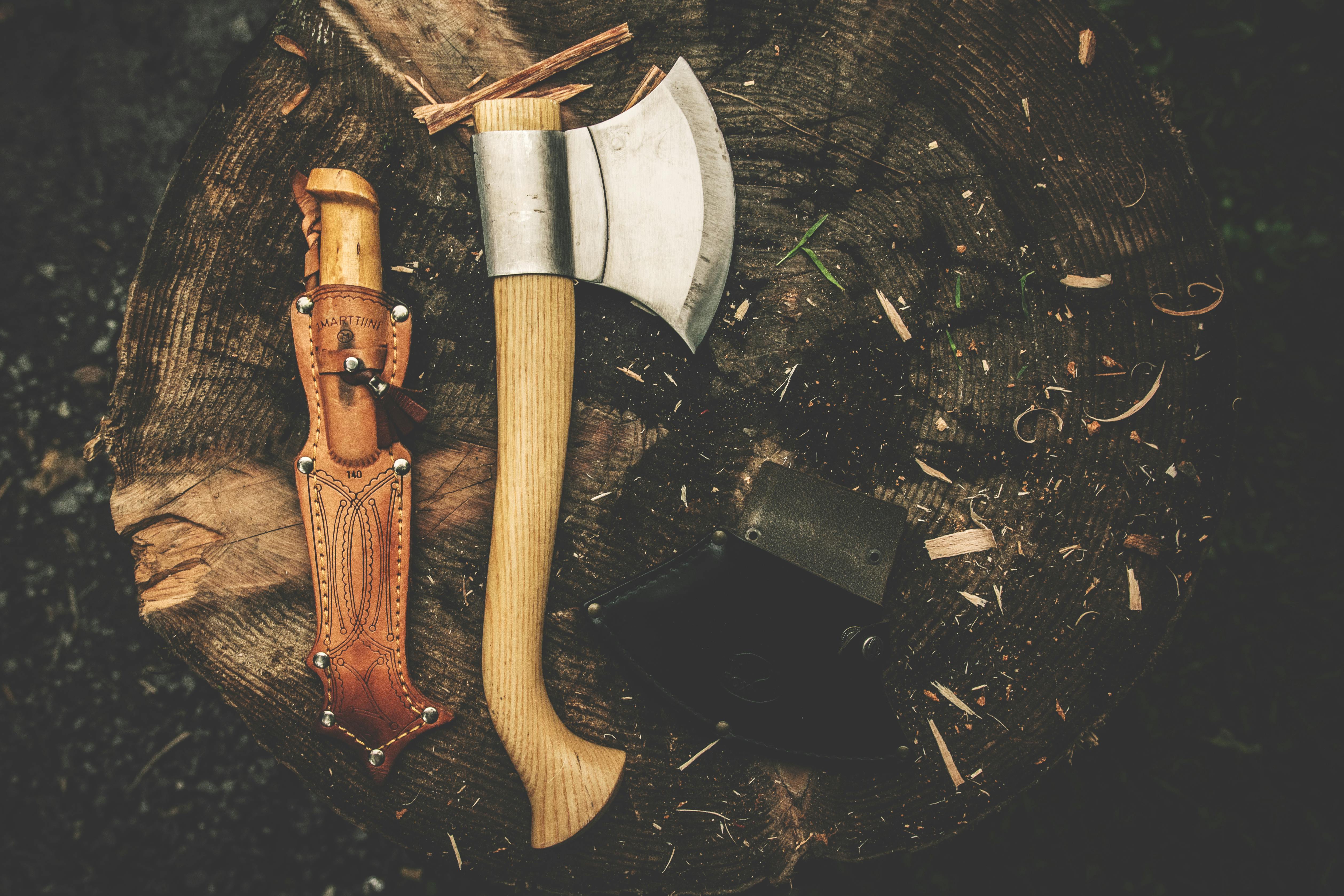
A trustworthy survival knife usually looks boring compared with the online bestsellers. It has a comfortable handle with good traction, a practical blade length, a sensible grind, solid construction, and a sheath that secures the knife without fuss. It is easy to control, easy to maintain, and honest about what it can do.
The best way to judge someone is by asking boring questions. Can you carve wood for 30 minutes without hand pain? Can you choke up safely for fine cuts? Can you sharpen it with simple tools? Does the sheath still work when wet and dirty? Can the edge survive knots, dry hardwood, and rough camp use without chipping unpredictably?
Those questions get you closer to the one test that matters: sustained reliability under stress. That is what survival really is. Not fantasy combat, not dramatic unboxing, and not steel-snob status. Just a tool that continues to perform while your hands are cold, your energy is low, and mistakes are expensive.
So if you are shopping online, ignore the hero shots for a moment. Look for long-term testing, uncomfortable truths in critical reviews, and designs with a track record among people who actually spend time outdoors. In a real emergency, your knife does not need to impress anybody. It needs to keep working.