Long before modern resorts and glossy gear catalogs, hunting camps were where wilderness skill, local tradition, and big personalities met. Some began as rough camps in remote cover, while others evolved into famous lodges that drew presidents, writers, and sportsmen with stories to tell. These 12 places earned a lasting place in outdoor lore, not just for the game pursued nearby, but for the legends that grew around their fires.
Camp David

Before it became synonymous with diplomacy, the mountain retreat in Maryland began in 1942 as Shangri-La, a rustic presidential escape designed for Franklin D. Roosevelt. Its wooded setting and cabin-like architecture gave it the feel of an elevated hunting camp, the kind of place where politicians could trade formal shoes for boots.
Dwight D. Eisenhower renamed it Camp David, and over time its image shifted from sporting retreat to global stage. Still, the camp’s enduring mystique rests partly on that outdoorsman atmosphere, where log structures, quiet forests, and the idea of retreat into wild country made power feel almost campfire casual.
Mingo Lodge

Set in Mississippi’s Delta country, Mingo Lodge became one of the South’s most storied duck camps, a place where flooded timber, hard dawns, and polished storytelling all carried equal weight. It was a hunting camp, but also a social theater where business, politics, and regional tradition often sat at the same breakfast table.
Its reputation grew because it represented a particular Southern sporting world, one built on ritual as much as sport. Generations of hunters treated an invitation there as a badge of belonging, and that exclusivity helped turn an already respected duck camp into something closer to folklore.
Wigwam Club

The Wigwam Club in Canada built its fame around remote waterfowl hunting, polished hospitality, and a clientele that gave the camp unusual cultural reach. What might have been just another sporting outpost instead became a place associated with statesmen, industrialists, and devoted sportsmen who traveled north for birds and bragging rights.
Part of its lore came from contrast. The camp offered wilderness access without abandoning comfort, and that balance helped define the classic luxury hunting camp ideal. In stories retold over decades, the Wigwam Club stood for the moment when rugged field sport and gentlemanly ritual became inseparable.
Parker Lodge

On Virginia’s Eastern Shore, Parker Lodge became famous among waterfowl hunters who understood just how special the Atlantic flyway could be. It was never only about birds in the bag. The setting, the tradition, and the sense of continuity made it one of those places spoken of with a kind of regional reverence.
Its legend grew because Eastern Shore duck culture has always carried a little romance, equal parts weather, marsh mud, and inherited know-how. Parker Lodge fit that world perfectly, giving sportsmen a headquarters where the stories felt as important as the blinds and every season added another layer to the camp’s reputation.
The Northwoods Club

Hidden in New York’s Adirondacks, the Northwoods Club became a private retreat for some of America’s most powerful families during the Gilded Age and beyond. With its grand yet rustic design, it captured the era’s fascination with wilderness as both playground and proving ground.
Like many elite sporting camps, it blended rough-country imagery with carefully managed comfort. That formula helped it endure in memory. The Northwoods Club came to symbolize the classic private camp tradition, where trout streams, deer woods, and long evenings indoors formed a complete social world that outsiders could only imagine.
Pine Creek Sporting Club
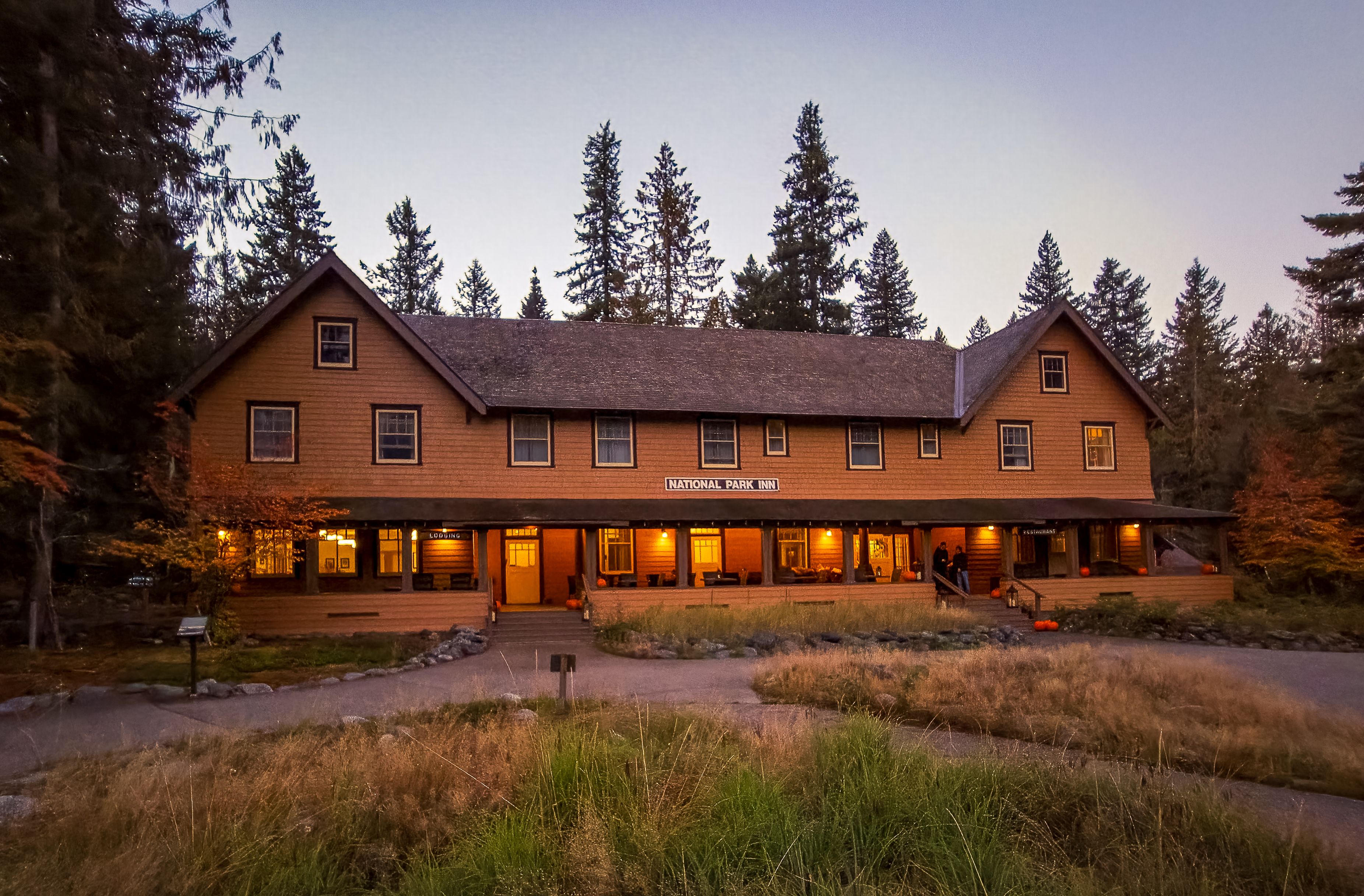
Pennsylvania’s sporting tradition has always carried a sturdy, practical streak, and camps around Pine Creek helped define it. These lodges and hunting camps were rooted in deer season, upland cover, and the kind of annual return that turns a place into family mythology.
The broader Pine Creek sporting camp culture became legendary because it reflected everyday outdoor life rather than elite exclusivity. Hunters came back year after year, building rituals around opening days, cast-iron meals, and familiar ridgelines. In that way, Pine Creek earned its place in outdoor lore not through celebrity, but through repetition, loyalty, and local identity.
The American Club at Kohler

The American Club in Wisconsin is better known today as a luxury destination, but its roots include a strong sporting tradition shaped by the Kohler family’s enthusiasm for hunting and outdoor recreation. It became part of a broader Midwest culture where elegant hospitality and serious field sport comfortably overlapped.
That connection matters because many legendary camps were not isolated shacks in the woods. Some were refined gathering places linked to private clubs, guided hunts, and carefully managed landscapes. The American Club’s lore comes from showing how sporting culture could be formal without losing its attachment to marshes, fields, and seasonal ritual.
Nemacolin
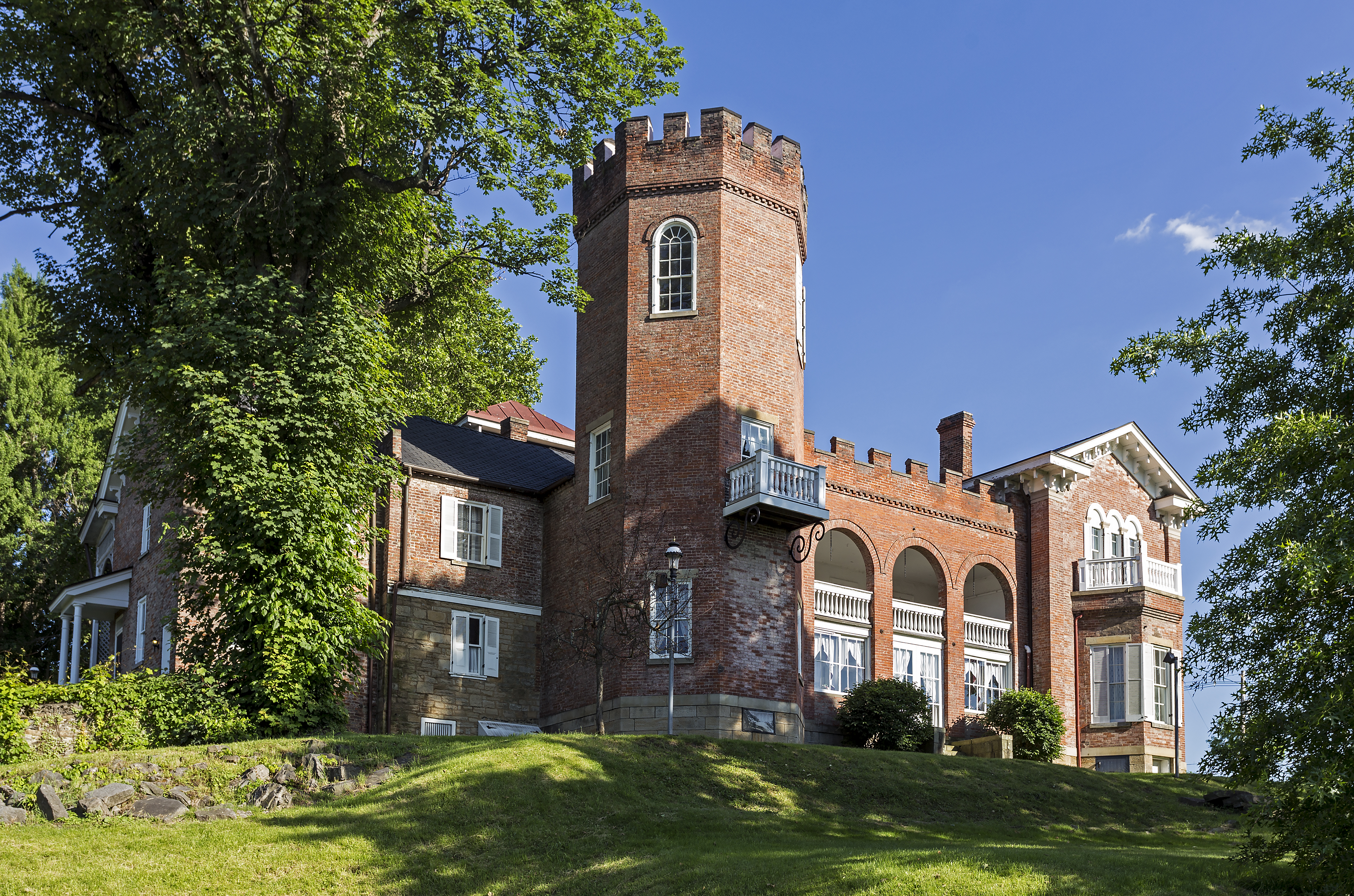
Long before it became a sprawling Pennsylvania resort, Nemacolin was closely tied to private sporting culture, with hunting and outdoor recreation shaping its identity. The estate’s wooded terrain and club-like atmosphere fit squarely into the old tradition of destination camps where guests came to test skill, enjoy company, and disappear briefly into managed wildness.
Its legend comes from reinvention as much as origin. Places like Nemacolin show how historic hunting camps could evolve without shedding their mystique. Even as amenities multiplied, the core appeal remained familiar: timbered hills, seasonal pursuit, and the promise that the outdoors still set the schedule.
The Adirondack Great Camps

The Adirondack Great Camps were not a single lodge but a whole architectural and cultural tradition, and they changed the image of the American hunting camp forever. Built by wealthy families in the late 19th and early 20th centuries, they combined hand-hewn rusticity with remarkable craftsmanship and wilderness setting.
Their influence spread far beyond New York. These camps helped define the look and feeling of elite outdoor retreat, where boathouses, guide cabins, and main lodges formed a self-contained world. They entered outdoor lore because they made roughing it look grand, while still preserving the dream of escape into deep northern woods.
Tall Timbers Plantation
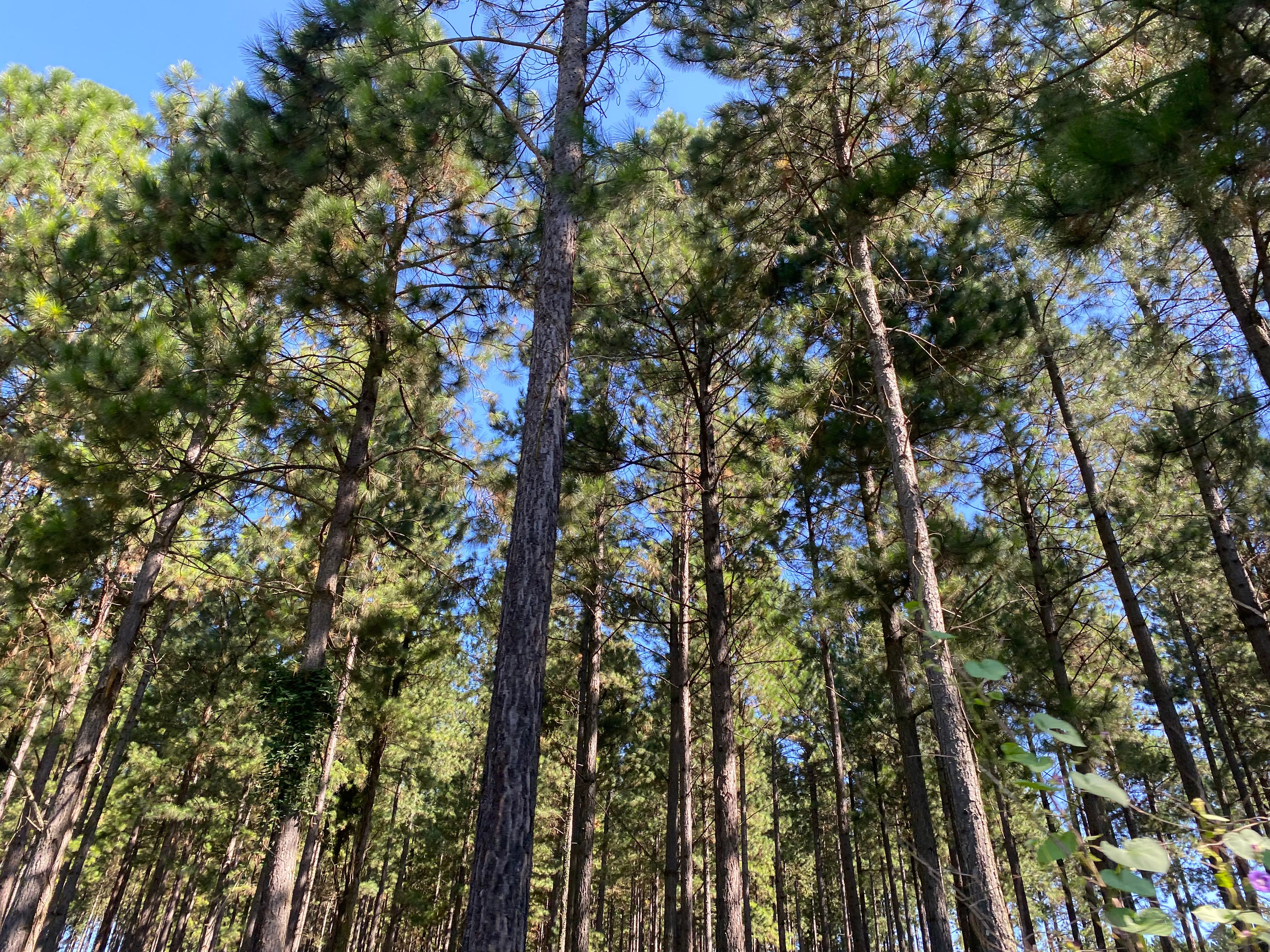
In the Red Hills region of Florida and Georgia, quail hunting plantations became a genre all their own, and Tall Timbers stands among the names that carry real weight. Its longleaf pine landscape, bird-dog culture, and deep ties to Southern field sport made it more than a property. It became a symbol of a whole way of hunting.
What lifts Tall Timbers into lore is the mix of tradition and stewardship. It has long been associated with habitat, land management, and the preservation of bobwhite country. That gives the camp’s story extra depth, tying sporting memory to the larger fate of a distinctive Southern landscape.
Nilo Farms

Founded by Winchester’s John Olin in Illinois, Nilo Farms became one of the most influential shooting and hunting properties in America. It was a place for wingshooting, dog work, conservation-minded management, and firearms development, all under the umbrella of a private sporting estate with outsized impact.
Its reputation rests on more than exclusivity. Nilo Farms became legendary because it helped shape how modern sportsmen thought about land, equipment, and training. In outdoor circles, the name came to mean a complete sporting environment, where polished tradition met practical innovation and where a day afield carried the aura of institution.
The Old Maine Sporting Camps

Across Maine’s lake country and North Woods, the classic sporting camp became a regional institution unlike almost any other. Built for anglers, deer hunters, and traveling sportsmen, these camps were practical, welcoming, and deeply tied to the guide tradition that shaped the state’s outdoor identity.
Their lore survives because they offered something elemental. Remote cabins, wood smoke, boats pulled up at the dock, and guides who knew every carry and alder run gave visitors entry into a world that felt both tough and generous. In aggregate, Maine’s old sporting camps became one of the strongest archetypes in American outdoor storytelling.