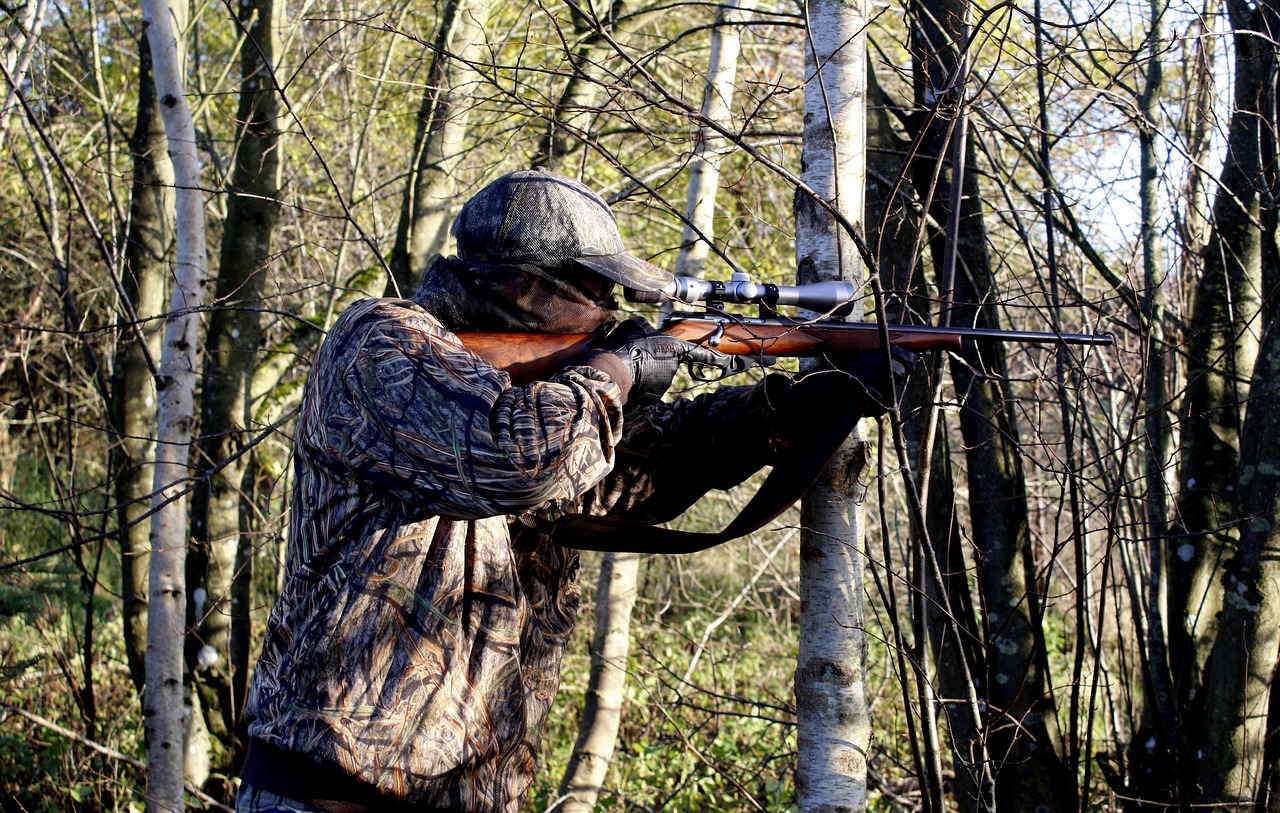
Left-handed hunters have heard the same promise for years: more options are coming. Yet many still say the market treats left-handed shooting gear like a niche afterthought, from rifle controls to bow accessories and everyday field setup. This gallery breaks down the most common complaints and why they keep mattering in real hunting situations.
True left-handed rifle actions are still too scarce

Many left-handed hunters say the biggest frustration starts with the rifle itself. A true left-handed action is still harder to find, often limited to a few models, a few calibers, or a few premium price points. For hunters who want a specific cartridge or stock style, the options can shrink fast.
That leaves plenty of people adapting to right-handed bolt guns, even when the fit feels awkward in the field. Cycling the action across the receiver may be manageable on a bench, but in cold weather, steep terrain, or a quick follow-up moment, hunters say the compromise becomes very real.
The complaint is not about preference alone. It is about having standard, practical access to equipment that works naturally for the shooter.
Safety placement still favors right-handed shooters

A safety should be intuitive, especially when adrenaline is high. Left-handed hunters often point out that many rifles and shotguns still place safeties where right-handed thumbs reach them naturally, while left-handed shooters must shift grip or break position to use them smoothly.
That small movement matters more than manufacturers sometimes admit. In a tree stand, a blind, or thick brush, awkward safety manipulation can slow a shot opportunity or create an uncomfortable extra step during loading and unloading.
Hunters are not asking for novelty features here. They want controls that feel as immediate and confidence-building for the left hand as they already do for the right.
Ejection patterns remain a real comfort and safety issue

One common response left-handed shooters hear is that they can simply learn to use a right-handed gun. But brass ejecting across the face line, escaping gases, and the general distraction of cases moving on the wrong side make that advice feel dismissive to many hunters.
For some shooters, it is mostly annoying. For others, especially those using certain semi-automatic platforms or shooting from unconventional positions, it can be genuinely uncomfortable. In wet weather or heavy clothing, even minor disruptions become more noticeable.
Hunters say this is one of those problems that sounds small until you live with it repeatedly. Then it starts to affect confidence, focus, and enjoyment over an entire season.
Stock design and cheek weld are often overlooked

Left-handed hunters say stock geometry is where hidden compromises show up fast. Palm swells, cheek pieces, cast, and even subtle comb shapes are frequently optimized for right-handed use, which can make a rifle feel merely acceptable instead of truly well-fitted.
A poor cheek weld is not just a comfort complaint. It can affect eye alignment, consistency, and recoil management, especially during long practice sessions or repeated shots from field positions. The shooter may adapt, but adaptation is not the same as proper design.
This is why many hunters keep asking for more mirror-image stocks rather than vague claims of ambidextrous fit. Close enough rarely feels good after a full day outside.
Shotguns still lag in left-handed fit and controls

Shotgun hunters often feel overlooked in a slightly different way. Cast, drop, palm swell, and tang or cross-bolt safety layout all influence how naturally a shotgun mounts, and left-handed shooters say too many models still assume a right-handed user from the start.
Because shotgun shooting is so dependent on instinctive mount and swing, poor fit shows up immediately. A bird flushes, the gun comes up, and something feels just off. That is a hard problem to fix in the moment, and harder still when left-handed stock options are limited.
Many hunters say this part of the market has improved slowly, but not nearly enough to make selection feel equal across price ranges and action types.
Bow accessories are not always as left-friendly as they seem

Archery brands often market equipment as highly customizable, but left-handed bowhunters say some accessories still feel like afterthoughts. Certain rests, quivers, sights, and release setups technically work, yet adjustment range, clearance, or overall ergonomics can be better on right-handed configurations.
That can turn a simple build into a puzzle of substitutions and workarounds. Instead of picking the best accessory for performance, some left-handed shooters feel pushed toward whatever version is actually available or compatible.
The frustration grows when packaging says ambidextrous but real-world use says otherwise. Bowhunters tend to notice quickly when a setup looks flexible in the shop and feels compromised in the field.
Holsters, slings, and carry gear get less attention

Not every gear complaint is about the shot itself. Left-handed hunters also talk about the supporting equipment that shapes a full day outdoors, especially holsters, slings, bino harness layouts, and packs with access points designed around right-hand draw patterns.
These details can seem minor until they are repeated all season. Reaching across the body for a sidearm, adjusting a sling that twists awkwardly, or opening a pouch from the less natural side adds friction to routine movement in the field.
The bigger issue is cumulative. Hunters say the industry often focuses on flagship weapons while forgetting that left-handed usability should extend to every piece of equipment that supports safe, efficient carry.
Retail inventory rarely matches online promises
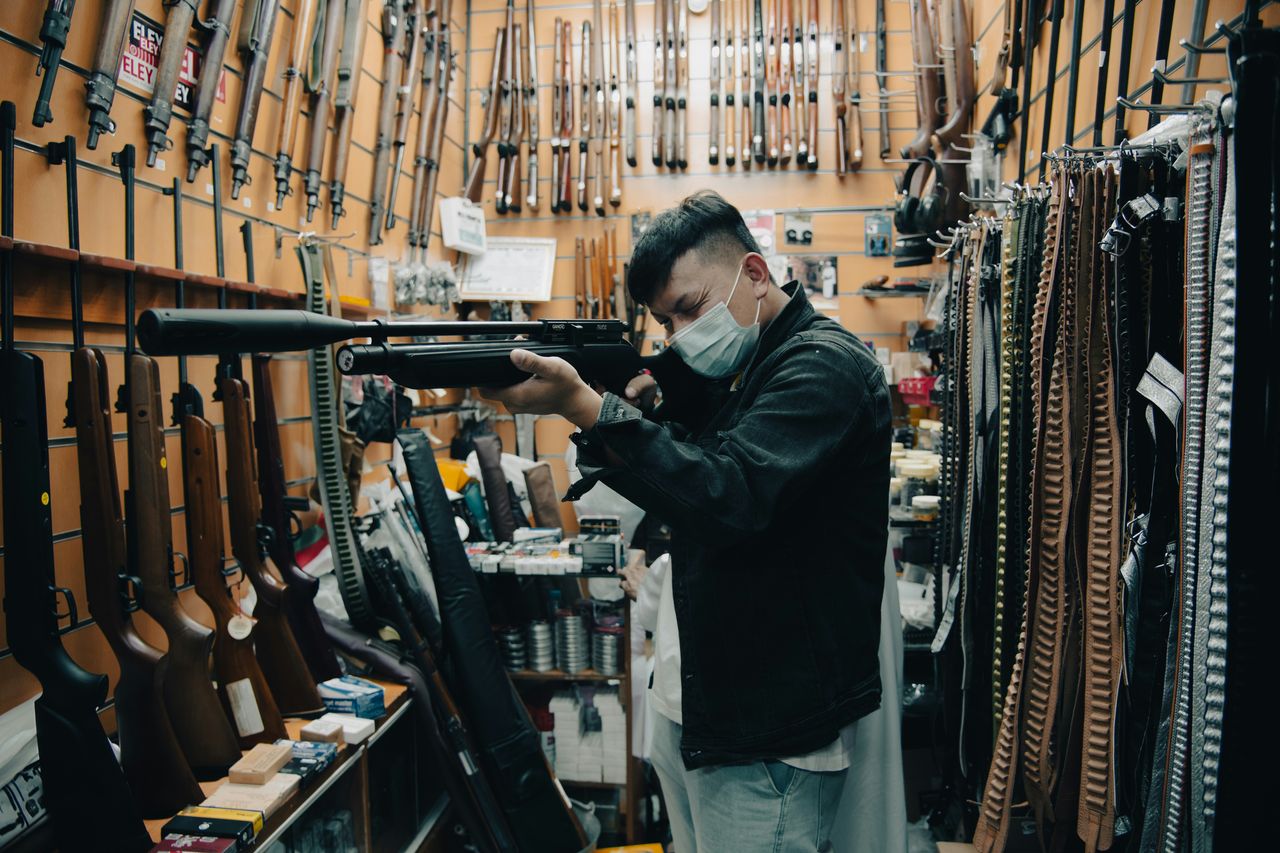
Even when manufacturers do offer left-handed models, hunters say actually finding them is another story. Product pages may list a left-handed variant, but local shelves often do not carry it, and special orders can mean long waits with no chance to shoulder the firearm first.
That shopping gap matters because fit is personal. A rifle or shotgun that looks right on paper may feel wrong immediately in hand. Right-handed shoppers usually have more chances to compare models side by side, while left-handed buyers often have to commit with less information.
This is one of the quieter complaints in the market, but it shapes buying confidence. Availability is part of access, and many hunters say the industry still underestimates that.
Price premiums make left-handed gear feel penalized
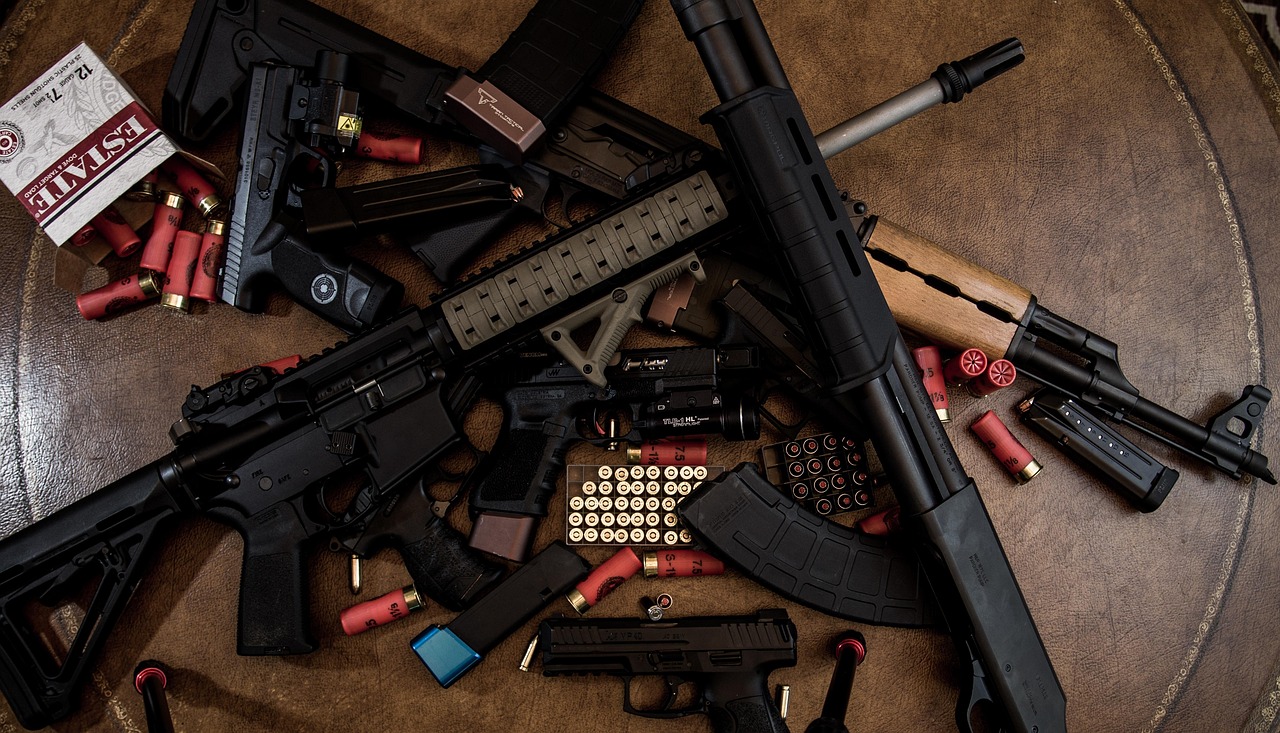
Left-handed hunters often notice that limited-run models can cost more, whether the difference is large or modest. Over time, that creates a familiar feeling: the gear designed for their natural shooting side is treated like a specialty upgrade rather than a standard option.
The cost issue gets sharper when it stacks with accessories, shipping delays, or fewer used-market choices. A right-handed shooter may have dozens of affordable alternatives, while a left-handed buyer narrows in on a smaller pool and pays more for the privilege.
Hunters say the message this sends is hard to ignore. If the industry truly wants broader participation, equal usability should not regularly come with an extra charge attached.
Ambidextrous labels do not always solve left-handed needs

Many companies now lean on the word ambidextrous, and sometimes that does help. Reversible controls, neutral stocks, and modular platforms can offer useful flexibility. But left-handed hunters say a design that technically accommodates both sides does not always deliver the same comfort, speed, or confidence as a true left-handed version.
That distinction is at the heart of the larger conversation. Accommodation is not identical to optimization, especially in hunting where fast, instinctive handling matters. What works adequately on the range may still feel second-best during a real encounter.
The industry has clearly made progress, but left-handed hunters keep making the same point: being included on paper is not the same as being fully considered in design.