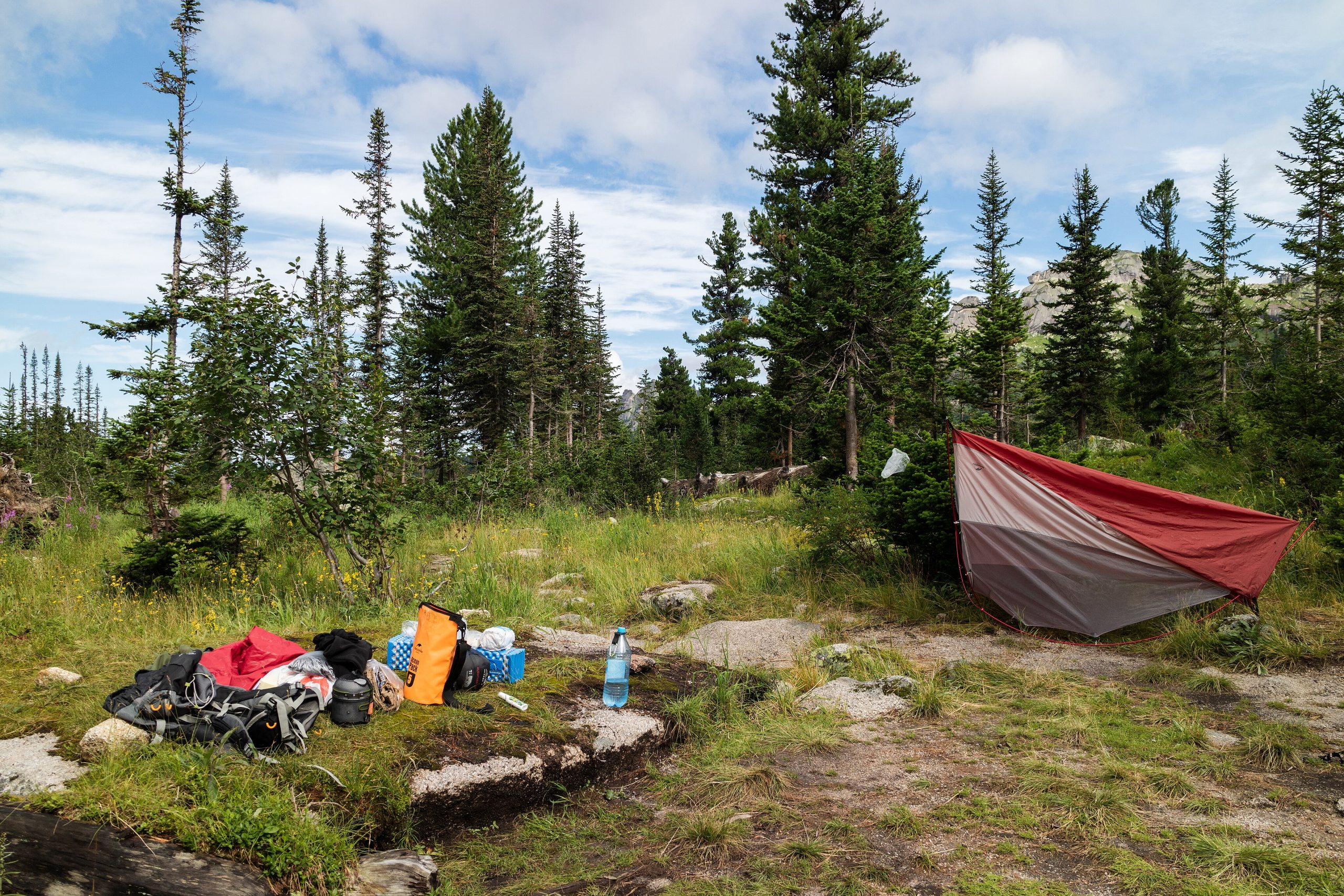
This could turn into one of the biggest public-lands access fights in years. For hunters and recreational shooters, the practical impact may be felt far beyond Washington.
What the New Order Actually Says
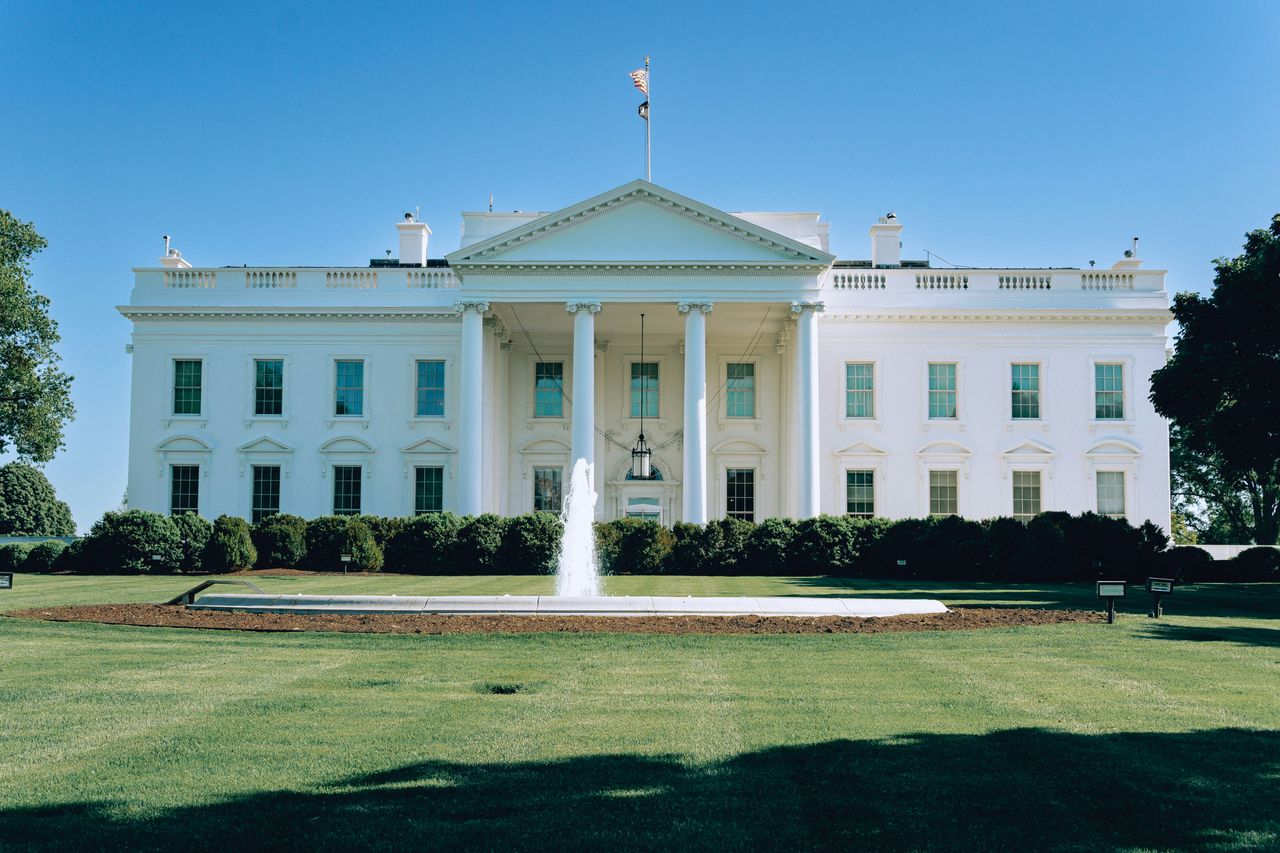
President Donald Trump signed Executive Order 14429 on September 17, 2026, titled Reinvigorating America’s Hunting Heritage. The order says federal policy should protect and expand hunting access and treat it as a core part of outdoor recreation on public lands.
The most important line is its direction to federal agencies to propose changes within 180 days. Those changes are supposed to reduce policies or regulations that restrict access to lands under their control, with notable exceptions for national parks and most national monuments.
The order specifically calls for expanding hunting, fishing, shooting, and other recreation. It also says hunting should generally be allowed unless a specific closure is justified by local resource conditions, a standard that could shift the burden onto agencies to explain why land should stay closed.
Why Hunters and Shooters Are Paying Attention

For many Americans, access matters more than gear, tags, or even game numbers. Large parts of the West depend on federal lands managed by the Bureau of Land Management, the Forest Service, and the Fish and Wildlife Service, so even a procedural change can alter real-world opportunity.
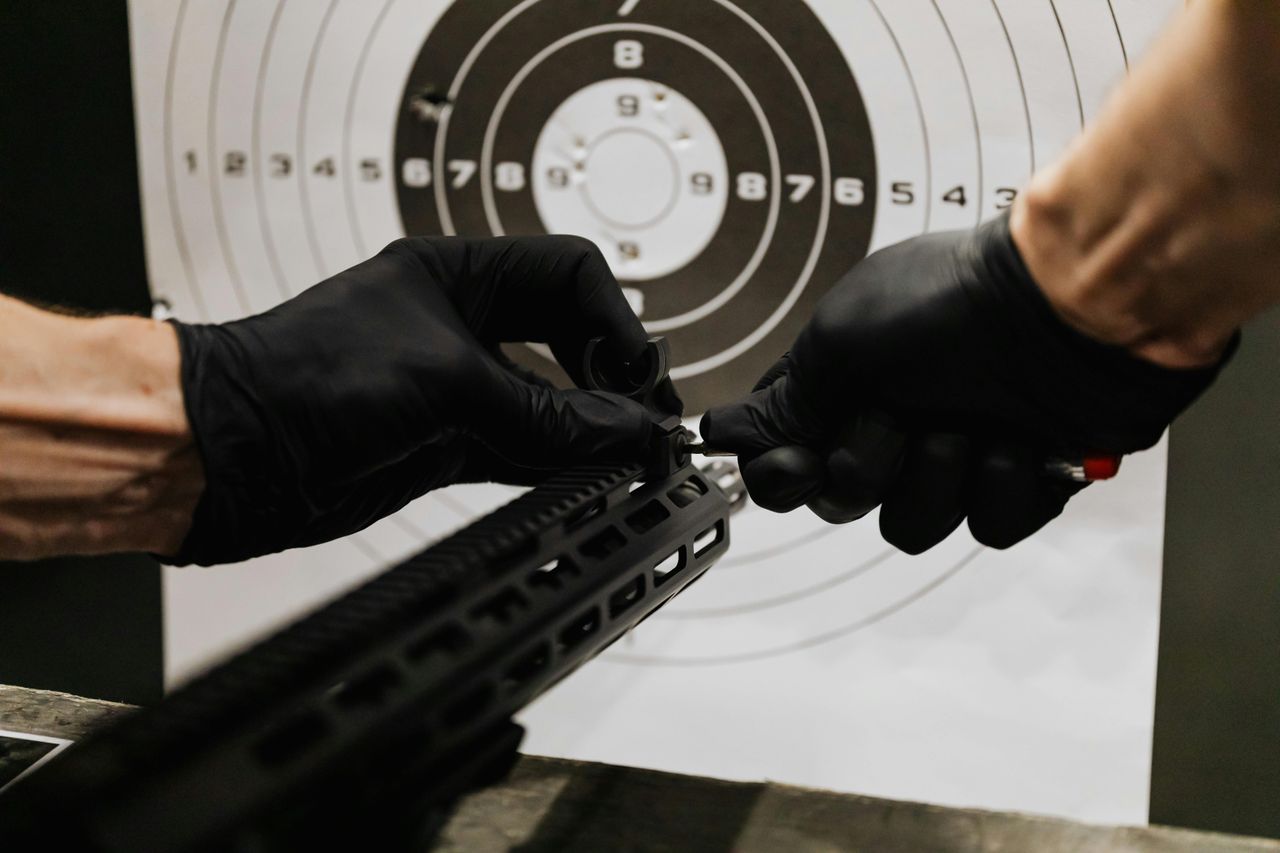
Target shooters are watching closely too. The Bureau of Land Management says target shooting is generally allowed on most BLM-administered land, and one agency notice said more than 99 percent of BLM lands nationwide are open to shooting, hunting, and other recreation when safety rules are followed.
That means the biggest changes may come not from opening land that was obviously off-limits, but from reviewing patchwork closures, seasonal restrictions, access bottlenecks, and agency rules that sportsmen’s groups have long argued are too broad or too slow to revisit.
Where the Biggest Changes Could Happen
The clearest potential changes are on lands managed by Interior, Agriculture, Commerce, and, unusually, the Secretary of War as named in the order. In practice, that points mainly to BLM lands, national forests, certain wildlife refuges, and some federally controlled waters or coastal zones.
National parks remain largely excluded, and the order also carves out national monuments except as otherwise addressed. So anyone imagining a sudden free-for-all in Yellowstone or heavily protected monument landscapes should dial that back right away.
More realistic flashpoints include road access, easements into landlocked public parcels, shooting closures near growing communities, and rules around difficult-to-access tracts. The order explicitly tells agencies to prioritize practical access tools like voluntary easements, land exchanges, and agreements with states and local governments.
The Legal Limits Agencies Still Face
Even a strong executive order cannot erase existing law. The Dingell Act already requires the BLM to use a public notice-and-comment process before closing federal land to hunting, fishing, or recreational shooting, except in emergency situations.
That law also reflects a broader congressional push to keep access from disappearing quietly. Separate federal provisions say agencies should try to ensure that an equivalent public shooting range is available before closing BLM or Forest Service lands to recreational shooting, again with emergency exceptions.
So the order is powerful as a policy signal, but it is not magic. Agencies still have to comply with wildlife laws, fire restrictions, land-use plans, tribal concerns, environmental review, and public safety obligations that can support targeted closures.
Who Supports It and Who May Push Back

Sportsmen’s organizations and firearm-industry groups are likely to cheer the order because it aligns with years of advocacy for more access and fewer blanket closures. The National Shooting Sports Foundation and allied groups have repeatedly backed federal action to preserve target shooting and expand public-land opportunities.
Supporters will argue this is common-sense multiple use. They will point to rural economies, hunter-funded conservation, and the reality that millions of Americans rely on public land because private access is limited or expensive.
Opposition is likely to come from conservation groups, some local communities, and advocates worried about habitat pressure, wildfire risk, noise, and conflicts with hikers or nearby residents. In fast-growing Western counties, access fights are rarely abstract; they often become neighborhood-level disputes over roads, backstops, and safety zones.
What It Means for Your Next Season

In the short term, probably not much changes at the trailhead tomorrow. This order starts a review and rulemaking process, not an instant reopening of every closed basin, refuge edge, or target shooting spot.
Over the next several months, though, hunters and shooters should watch agency proposals closely. The 180-day timeline means the first meaningful policy revisions could emerge by mid-March 2027, and those details will determine whether this becomes symbolic politics or a real access expansion.
The smartest takeaway is simple: more opportunity may be coming, but maps, seasonal orders, fire restrictions, and local closures will still matter. If the administration follows through, Americans could see more places to hunt and shoot, but the final shape will be decided in the slow grind of federal rulemaking.