
Hunting rifles are changing in ways that would have seemed unusual only a few years ago. Lightweight carbon construction, straight-pull actions, suppressor-ready barrels, digital optics, thermal imaging, and new ammunition designs are increasingly appearing alongside traditional hunting features. Current 2026 releases already show several of these trends becoming mainstream. By 2030, the biggest change may not be one revolutionary firearm, but the gradual blending of technologies that makes a familiar hunting rifle look completely different.
1. Suppressor-Ready Bolt Actions

The classic bolt-action hunting rifle may increasingly arrive with a threaded muzzle, slimmer profile, and factory provisions for a suppressor. That shift is already visible in 2026 models, where threaded barrels are becoming routine rather than exotic. By 2030, a hunter may see the suppressor as part of the rifle’s normal configuration, not an accessory added later. A 20-inch barrel, adjustable stock, and lighter mounting hardware could make the setup quieter without turning it into a specialized platform. The biggest change may be how familiar this once-unusual silhouette feels.
2. Carbon-Fiber Mountain Rifles

Lightweight rifles are likely to become even more recognizable in mountain country. Carbon-fiber barrels and stocks are already helping manufacturers push hunting rifles toward the 6-pound range, with some 2026 examples listed at about 5.7 pounds. By 2030, hunters could routinely carry rifles that combine carbon construction, stainless actions, compact optics, and durable coatings. The visual difference will be obvious: less bulky wood or laminate, more skeletal lines, and a deliberate focus on reducing every unnecessary ounce while retaining field strength.
3. Straight-Pull Hunting Rifles

The straight-pull action could move from a European curiosity toward a familiar hunting option. Instead of lifting and rotating a bolt, the shooter cycles it directly rearward and forward, shortening the movement needed for a follow-up shot. Current rifles such as the Savage Impulse show how this format can be paired with adjustable stocks and hunting cartridges. By 2030, more hunters may recognize the straight-pull profile at once. Expect compact receivers, ambidextrous controls, threaded barrels, and modular stocks to make these rifles look increasingly unlike traditional turn-bolts.
4. Lead-Free Hunting Rifles

A rifle built around lead-free ammunition may look ordinary at first, but its barrel, twist rate, and chamber choices could increasingly reflect modern projectile design. Copper and other nonlead bullets can differ in length and weight from conventional lead-core bullets, encouraging manufacturers to optimize rifles around specific loads. By 2030, hunters in regions with nonlead rules may see more factory rifles advertised with compatible twist rates and ammunition recommendations. The change is not futuristic. It is a rifle increasingly designed as part of a complete ammunition system.
5. Digital-Optic Hunting Rifles
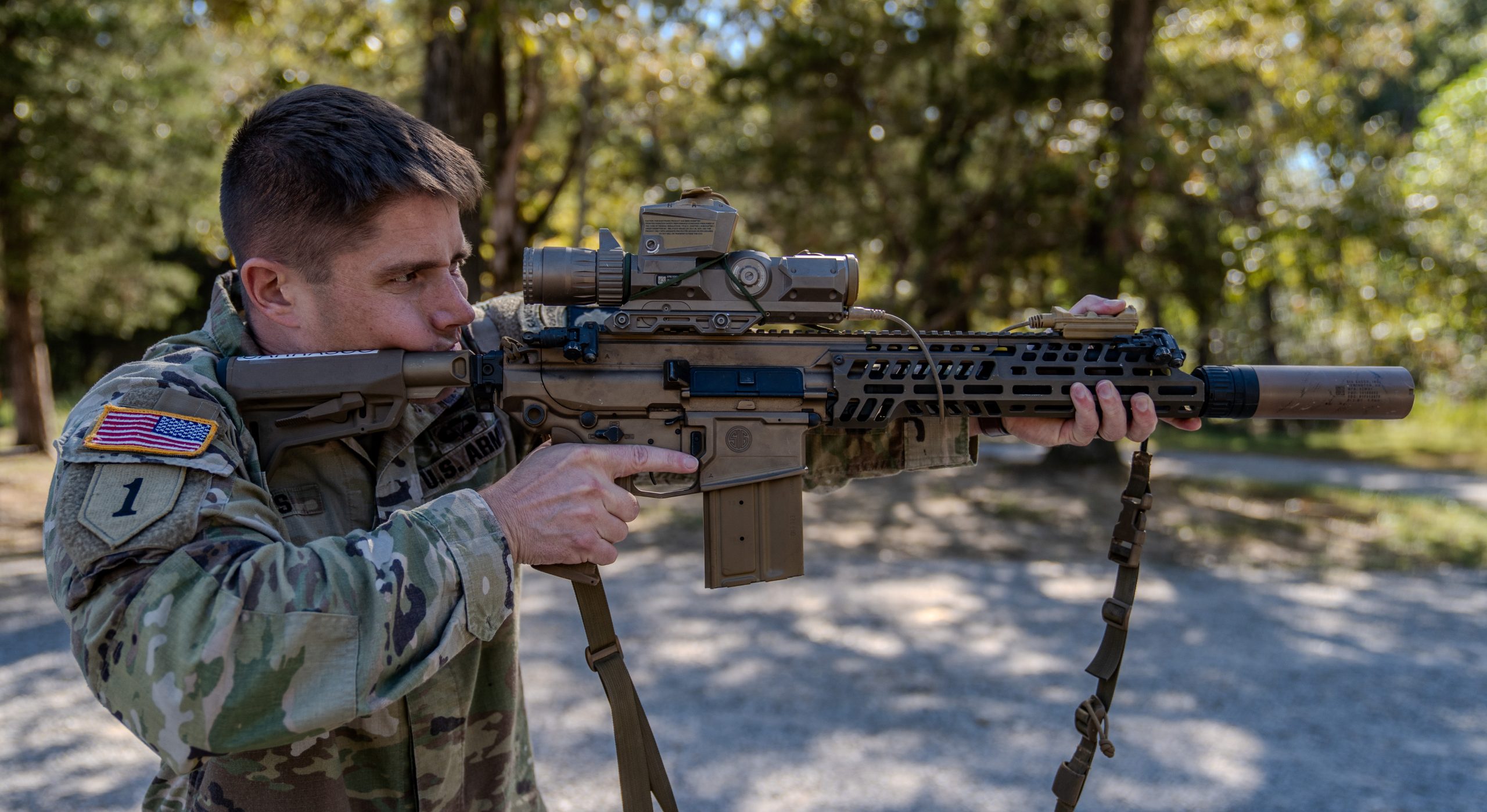
The rifle itself may not change much, but the scope sitting on top could transform its appearance. Digital optics already combine electronic imaging, recording, rangefinding, and ballistic features, with some models offering 3-24x magnification and integrated laser rangefinders. By 2030, hunters could see more rifles topped by compact electronic sights instead of conventional glass. That means batteries, displays, controls, and connectivity becoming visible parts of the setup. The traditional rifle silhouette may remain, while the optic makes the whole package look distinctly modern.
6. Thermal-Equipped Predator Rifles

Thermal optics are becoming more capable, and that trend could reshape predator and hog rifles by 2030. A typical setup may pair a lightweight rifle with a compact thermal scope, rangefinder, and recording tools. The result will look less like a classic deer rifle and more like a technology platform, even when the action underneath remains conventional. The shift is noticeable in nighttime applications, where thermal imaging detects heat rather than visible light. Local laws and hunting hours will still determine where such equipment is permitted.
7. Ultra-Adjustable Hunting Rifles
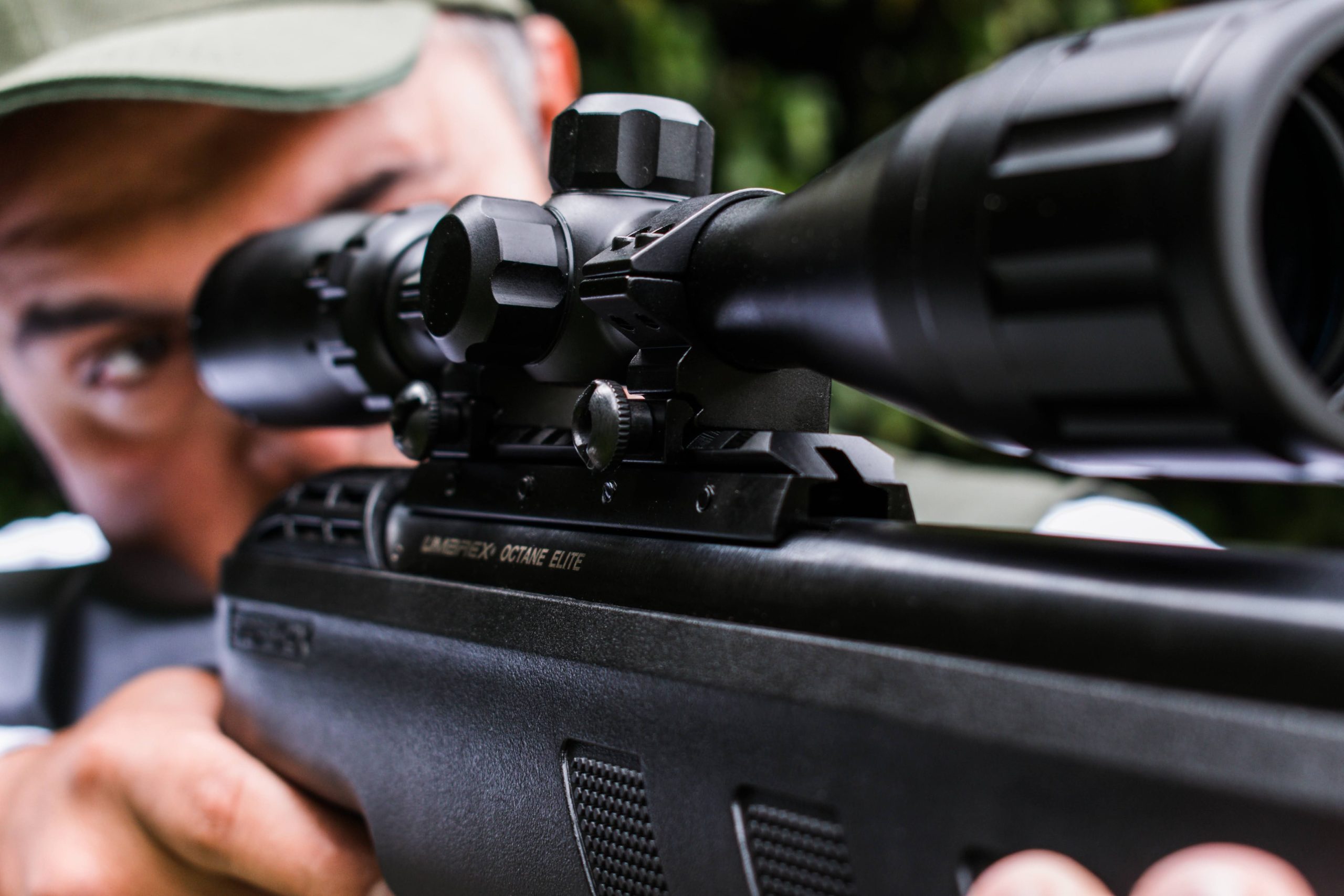
The one-stock-fits-most hunting rifle may give way to rifles that can be tuned quickly for different hunters, clothing layers, and shooting positions. Modern examples already offer tool-free adjustment of comb height and length of pull, plus interchangeable grip modules. By 2030, that concept could become common across mainstream hunting rifles. A rifle may arrive with several fit settings rather than one fixed stock dimension. The visual result will be obvious: more adjustment points, modular panels, and engineering details where traditional rifles once had simple wood or molded polymer.
8. New-Cartridge Hunting Rifles

Hunters may also encounter rifles chambered for cartridges that barely existed on today’s shelves. Recent launches show manufacturers continuing to experiment with cartridges such as .22 Creedmoor, .25 Creedmoor, 6.8 Western, 7mm Backcountry, and .338 ARC. By 2030, some of these rounds could become established while others disappear into niche status. That uncertainty may change rifle design too, with modular bolt heads, barrels, and magazines making it easier to adapt one platform. The future hunting rifle could therefore look less tied to a single cartridge than today’s traditional designs.
9. Hybrid Classic Hunting Rifles
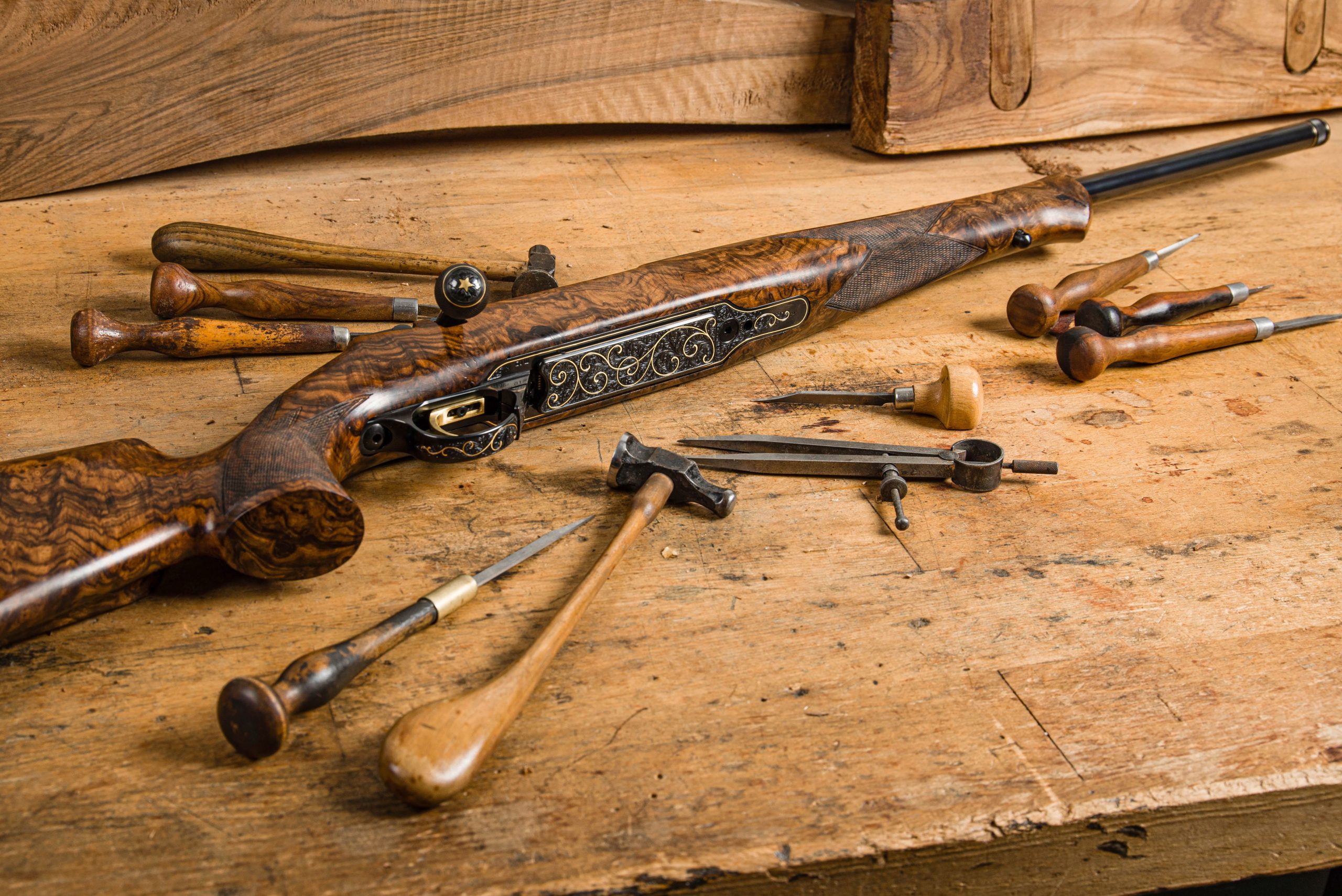
Perhaps the most interesting future rifle will not look futuristic at all. Manufacturers are increasingly mixing classic hunting ideas with modern materials, magazines, optics rails, threaded barrels, and improved triggers. Henry’s 2026 SPD Predator, for example, combines a lever-action format with an 18-inch carbon-fiber barrel and modern optic mounting. By 2030, more rifles could follow that formula, preserving familiar actions while adding contemporary features. From a distance, it may look traditional, yet up close it could reveal a thoroughly modern engineering package.