Plenty of hunters treat trap and skeet as offseason fun, but many serious wingshooters say the games do much more than keep them occupied. Time on the range can sharpen mechanics, improve judgment, and expose bad habits before opening day. Here are nine lessons hunters say carried straight from the clay field into better shooting on wild birds.
A More Reliable Gun Mount

Ask experienced bird hunters what trap and skeet improved first, and many will mention the gun mount. Repeating the same move over and over builds a mount that comes to the shoulder smoothly, with less fidgeting and less searching for the target down the rib.
That matters in the field because birds rarely wait for a second adjustment. When a flushed pheasant or crossing dove appears, a practiced mount helps the gun meet the eye in one motion. Hunters often say that once the mount became automatic on clays, real birds started feeling less rushed and far more shootable.
Better Eyes on the Target

Trap and skeet reward shooters who look at the target, not the bead, and hunters say that lesson transfers beautifully. On the range, staring at the barrel usually leads to a hesitation or a miss, while staying locked on the clay keeps the swing connected and alive.
In hunting season, that visual discipline can be a game changer. Instead of checking the muzzle or over-aiming like a rifle shooter, better wingshooters learn to trust their hands and keep their eyes on the bird’s head and line of flight. Many say this one habit alone made them quicker, calmer, and more effective when birds flushed unexpectedly.
A Smoother Swing Through the Shot

Clay games teach motion, and that is a huge reason hunters keep coming back to them. Trap and skeet punish poking at a target or stopping the gun at the trigger pull. Shooters learn that the barrel has to keep moving if they want a consistent break.
That same feel pays off on ducks, doves, and late-season roosters that seem to juke through the air. Hunters often say they became better wingshooters when they stopped trying to snatch a shot and started swinging with purpose. The range gives them a place to groove that motion until following through becomes second nature under pressure.
A Clearer Sense of Lead

Lead is one of those things that sounds technical until a bird streaks past and demands an instant decision. Trap and skeet give hunters a repeatable way to see target speed, angle, and separation, which helps them build a more intuitive feel for where the muzzle needs to be.
No clay game perfectly copies a wild flushing bird, of course, but serious hunters say the practice teaches useful visual math. Over time, they stop measuring lead in inches and start feeling it in movement. That shift can make field shots look less mysterious and much more manageable when everything happens fast.
Quicker Recovery After the First Shot

Trap and skeet do not just teach the first move. They also reveal what happens after recoil, when many shooters lift their head, freeze the gun, or lose the target. Hunters who shoot a lot of clays say they become more aware of staying in the gun and getting ready for a clean second shot.
That awareness carries directly into the field, especially on doubles or birds that absorb the first pattern and keep going. A shooter who recovers smoothly can stay connected to the target instead of restarting from scratch. Many hunters say this made them more efficient and more humane when follow-up shots were needed.
More Comfort Under Pressure

Even recreational trap and skeet add a little tension. Other shooters are watching, your turn comes quickly, and a miss is obvious. That mild pressure can be surprisingly useful for hunters who want to perform better when birds flush wild and the moment feels bigger than it really is.
Range repetition teaches a shooter to settle into a routine instead of rushing because of excitement. Hunters often say that once they had missed enough clays in front of friends, a rooster busting from cover felt less overwhelming. They still get the adrenaline, but they handle it with more composure and a cleaner move to the shot.
Stronger Shot Selection

One underrated lesson from trap and skeet is learning which targets are worth taking and which ones are not. The games create clear windows where a target is easier, cleaner, and more breakable, and that teaches hunters to think in terms of quality opportunities rather than desperate attempts.
In the field, that can mean passing on a bad angle, waiting an extra beat, or choosing the bird that presents best. Serious hunters often say this improved not just their percentages, but their judgment. Better shot selection leads to cleaner kills, fewer wasted shells, and a more disciplined approach when the action gets chaotic.
More Familiarity With Choke and Load Performance

Hunters who spend time in trap and skeet quickly notice how equipment choices affect results. Different chokes, target presentations, and shell loads change breaks in visible ways, and that gives shooters practical feedback they do not always get from a single morning in the marsh or upland field.
That familiarity can build confidence when season arrives. A hunter who has seen how a favorite gun patterns and reacts with specific loads is less likely to blame every miss on luck. Many say clay practice helped them simplify their setup, trust it more, and make smarter gear choices for the birds they actually chase.
Safer and More Deliberate Gun Handling
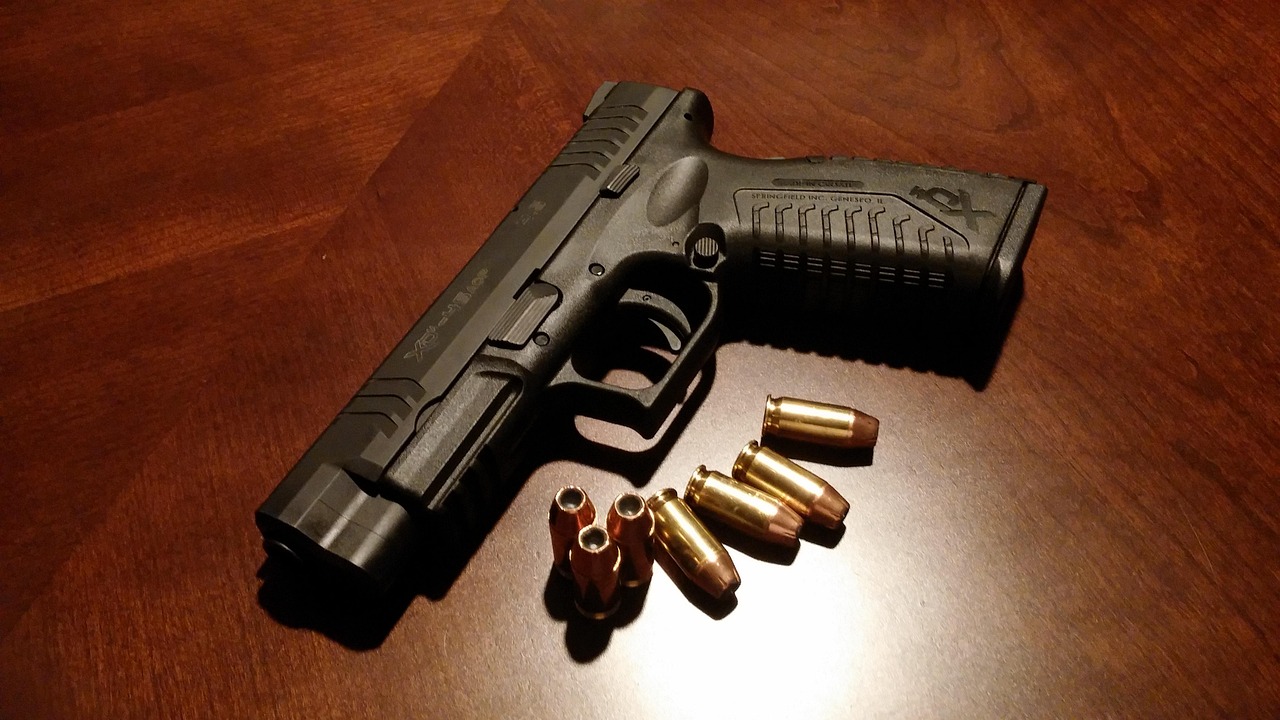
Trap and skeet fields run on routine, and that routine reinforces safe gun handling every round. Muzzles stay controlled, actions are opened at the right times, and shooters learn to move with awareness around other people. Hunters often say those habits become deeply ingrained through repetition.
That kind of discipline matters in blinds, boats, and upland groups where excitement can make people sloppy. Better wingshooting is not only about hitting birds. It is also about carrying, loading, and swinging a shotgun responsibly in fast-moving situations. Many serious hunters see clay practice as a place where clean mechanics and safe habits are built together.
Consistent Practice Between Seasons
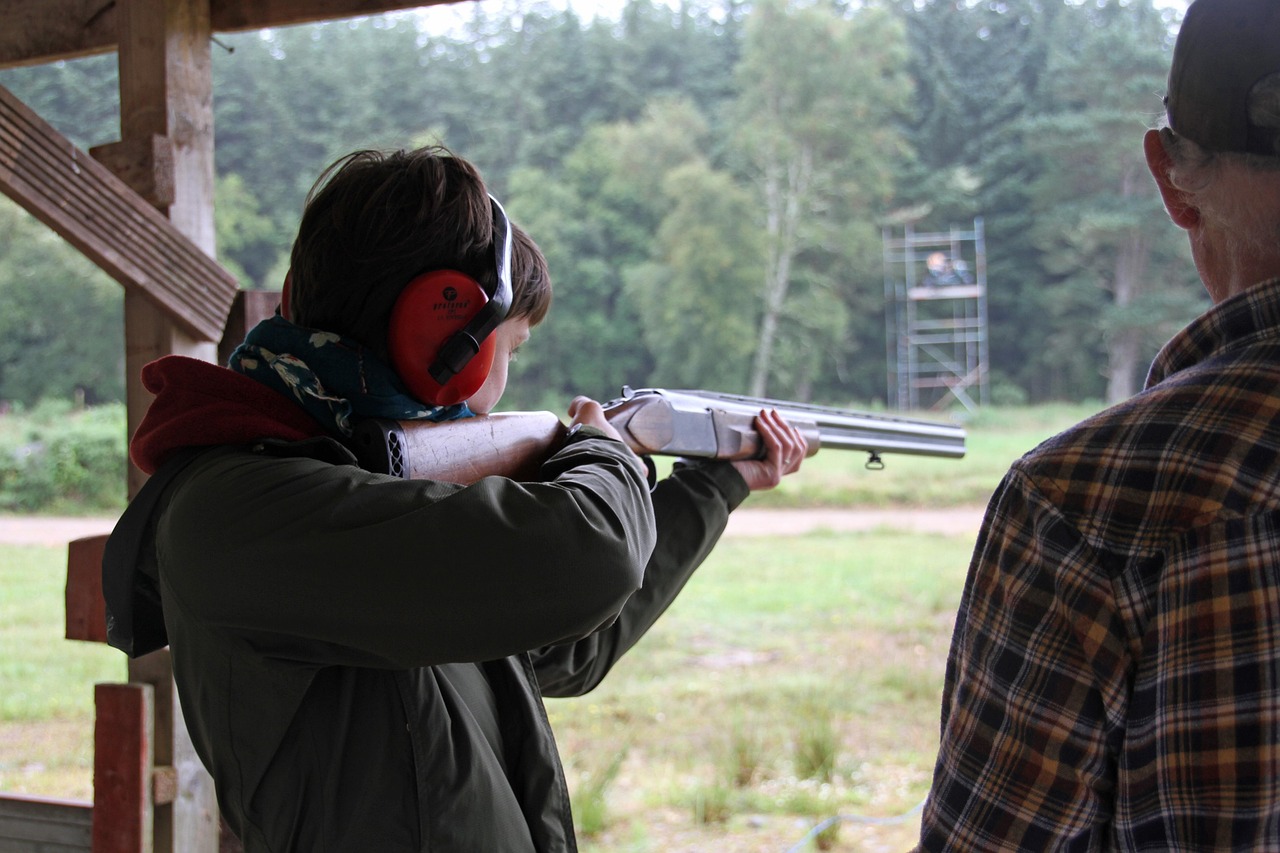
The biggest advantage may be the simplest one: trap and skeet keep hunters shooting. Wild bird seasons are short, but clay targets offer regular reps through summer, winter, and every slow stretch in between. That continuity keeps timing, vision, and confidence from going stale.
Serious hunters often say they shoot better in the field when opening day is not their first real trigger pull in months. Clays provide structure, measurable progress, and a reason to stay sharp. In the end, trap and skeet make better wingshooters because they turn improvement into a habit instead of something left to chance once the dogs are released.