A rifle can tell you a lot about an army. The Dragunov SVD told NATO even more than most.
It Was More Than A Sniper Rifle
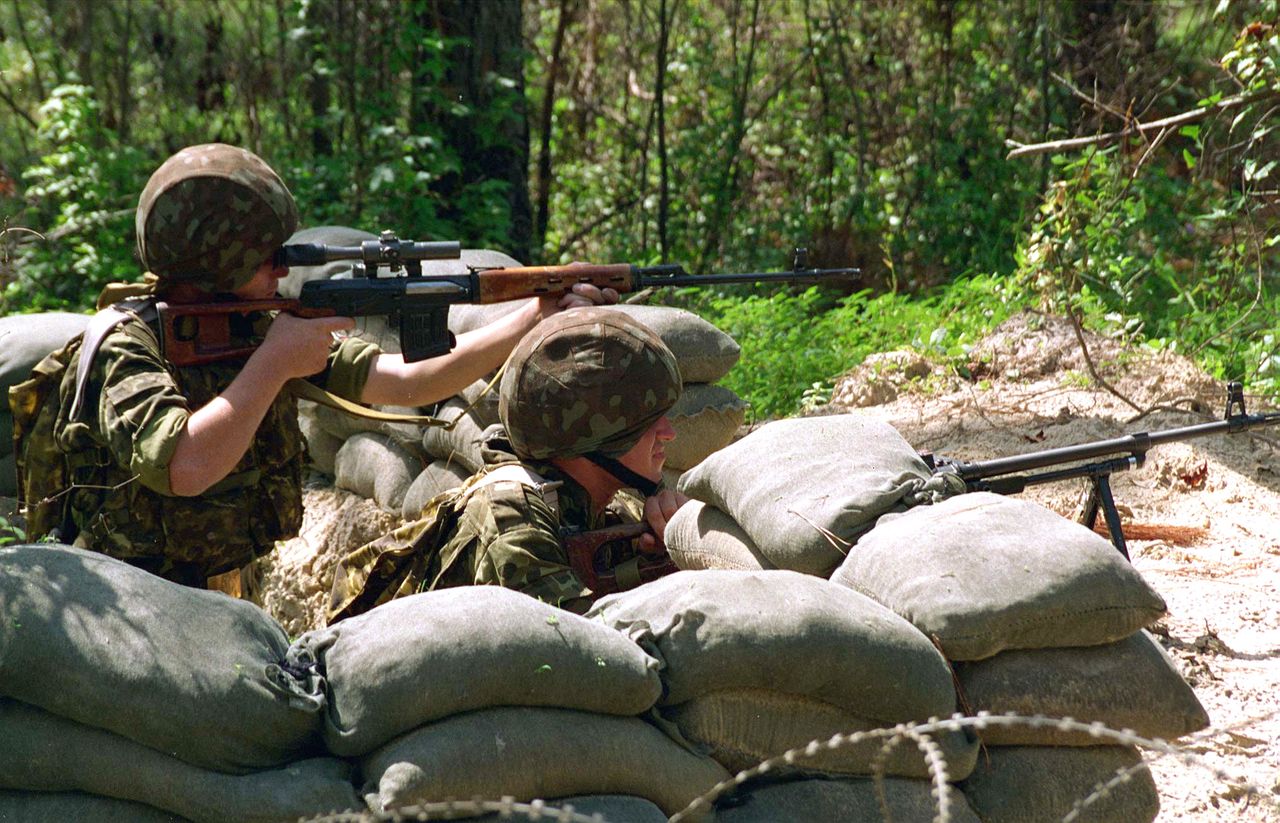
The first reason NATO kept studying the Dragunov SVD is simple: the rifle filled a role Western armies did not always define the same way. The Soviet Union called it a sniper rifle, but in practice it was closer to what many modern militaries now call a designated marksman rifle. According to U.S. Army foreign weapons and infantry materials, the SVD was built to extend a squad’s reach beyond standard assault rifle range rather than serve as a pure precision sniper system.
That made it strategically important. NATO analysts were not just looking at steel, wood, and optics. They were looking at a Soviet answer to a battlefield problem: how to hit enemy leaders, machine gun crews, missile teams, and exposed specialists from roughly 300 to 800 meters.
The SVD showed that Soviet doctrine expected regular infantry formations to need precision fire at the small-unit level. That idea became more influential over time, especially as Western forces later leaned harder into designated marksman programs of their own.
The Rifle Matched Soviet Battlefield Doctrine
NATO also studied the SVD because it fit neatly into the broader Soviet way of war. Soviet infantry doctrine relied heavily on massed fire, maneuver, and supporting weapons, but it still recognized a dangerous middle zone where ordinary riflemen with assault rifles could struggle. U.S. Army assessments noted that the Kalashnikov family was optimized for closer combat and suppressive fire, leaving a gap at longer distances.
The Dragunov was designed to close that gap without turning every squad into a sniper section. It gave formations a semi-automatic, magazine-fed rifle chambered in 7.62x54R, a full-power cartridge with reach and punch. That mattered to NATO planners because it suggested Soviet units could pressure targets that felt relatively safe from standard infantry fire.
In practical terms, the SVD hinted that Warsaw Pact troops might place accurate, fast follow-up fire on officers, radio operators, anti-tank crews, and machine gun teams. NATO had to account for that in training, camouflage, movement, and squad tactics.
Its Design Was Smart, Practical, And Hard To Ignore
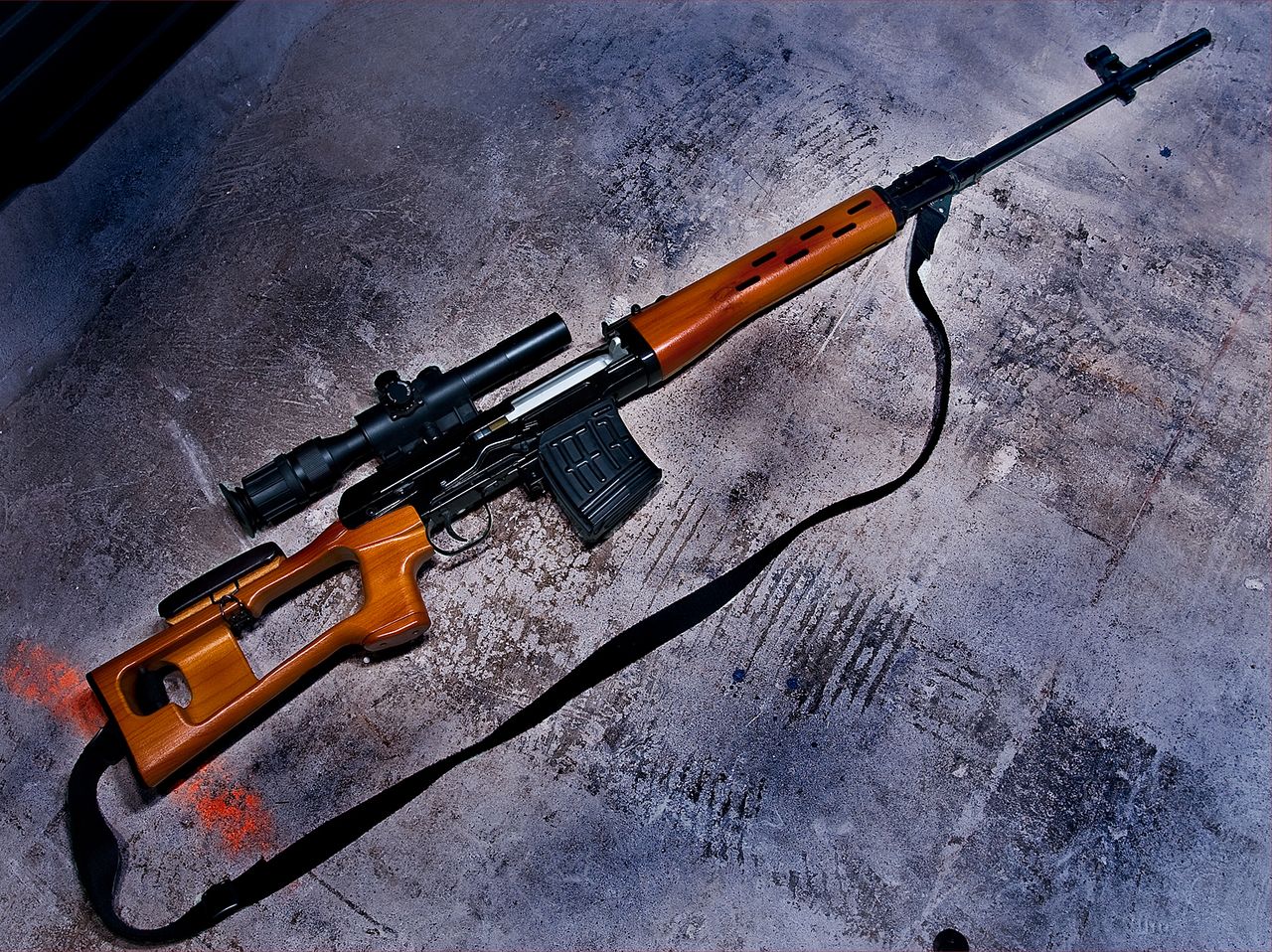
Another reason the SVD drew so much attention was that it was a distinctly practical design. Official U.S. Army foreign weapons data identifies it as a semi-automatic rifle developed from 1957 to 1963 and accepted into Soviet service in 1963 after extensive testing. It used a 10-round magazine, a relatively light profile for its class, and a side-mounted optic system that still allowed use of iron sights.
That combination mattered. The SVD was not as accurate as a purpose-built Western bolt-action sniper rifle, but it was faster, handier, and easier to integrate into ordinary infantry formations. Its PSO-1 4x optic, range-finding reticle, and simple field utility made it a serious military tool rather than a niche specialist arm.
NATO studies tend to focus on systems that are good enough in large numbers. The Dragunov fit that description perfectly. It was not exquisite, but it was useful, repeatable, and tailored to real combat conditions.
NATO Needed To Understand The Threat In Real Combat
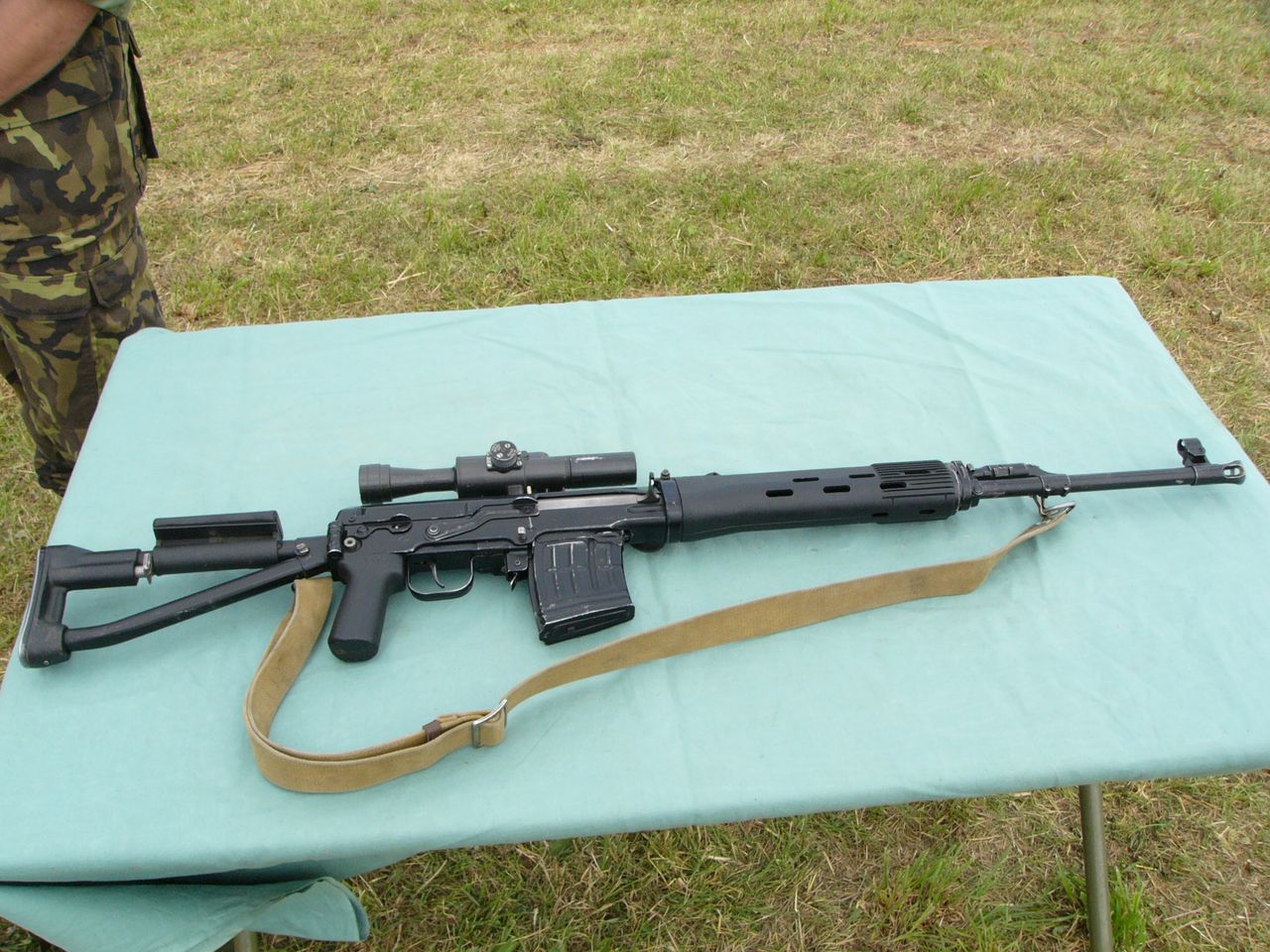
The SVD was not just a parade-ground rifle. It appeared across Soviet-aligned forces and later spread widely through export, conflict capture, and regional production. That gave NATO and Western armies repeated opportunities to evaluate it in real-world conditions, especially through Cold War intelligence work and later through battlefield encounters in places such as Iraq and Afghanistan.
U.S. Army reporting over the years treated the SVD as one of the foreign weapons engineers and soldiers needed to understand. That was not academic curiosity. If an opposing force fields a weapon in meaningful numbers, troops need to know its effective range, rate of fire, likely optics, ammunition, and practical limitations.
The SVD kept earning attention because it represented a realistic battlefield threat rather than an exotic one. It was common enough to matter, distinct enough to study, and effective enough that ignoring it would have been careless.
It Revealed Soviet Priorities In Training And Targeting
NATO’s long interest in the Dragunov also came from what it revealed about Soviet training culture. U.S. Army infantry publications discussing Soviet and former Soviet sniper instruction describe expected target sets that included officers, observers, anti-tank teams, machine gunners, and even low-flying helicopters in certain situations. Whether every conscript could execute those tasks well is a separate question. The point is that the doctrine existed.
That matters because weapons are never studied in isolation. NATO analysts wanted to know not just what the SVD could do on paper, but how Soviet and allied forces intended to use it under pressure. A rifle tied to target discrimination, range estimation, and unit-level precision fire says something about command philosophy.
The SVD therefore became a window into enemy habits. It helped NATO think through concealment, movement discipline, command exposure, and how vulnerable specialists might be during a fight.
It Helped Shape Western Marksman Thinking
One of the most interesting parts of the SVD story is that NATO did not study it only to defend against it. Over time, the rifle also reinforced the value of giving infantry squads a weapon that could dominate the space between standard rifles and dedicated sniper systems. That idea eventually became familiar in the West through designated marksman rifles and squad marksman programs.
The U.S. Army’s later move toward systems such as the Squad Designated Marksman Rifle reflects the same operational logic, even if the equipment and doctrine differ. A unit needs someone who can engage harder targets farther out without waiting for a specialized sniper team.
In that sense, the SVD was studied for decades because it was ahead of a curve Western armies eventually rode themselves. NATO did not copy the rifle outright, but it paid attention to the battlefield function the rifle served so effectively.
The Dragunov Endured Because The Concept Worked
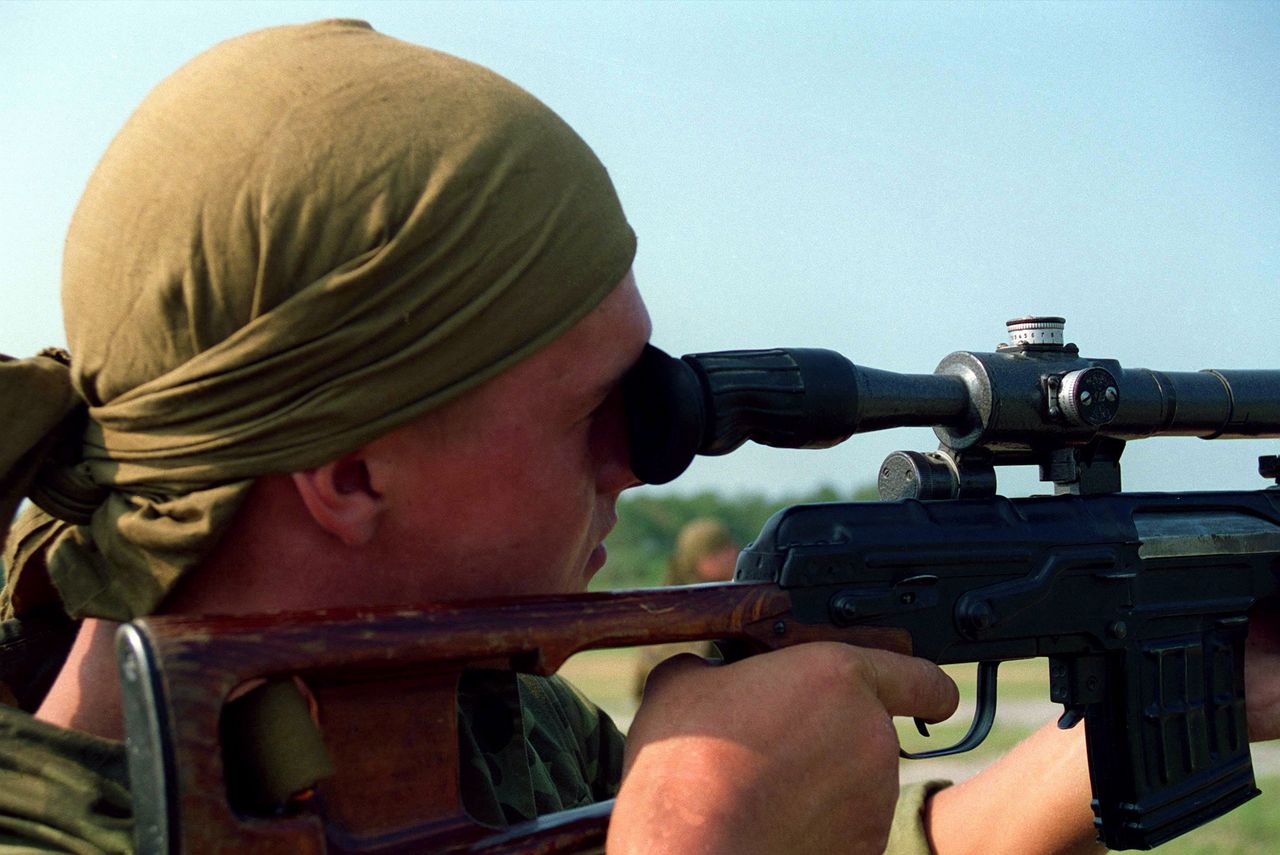
The final reason NATO kept studying the Dragunov SVD is the strongest one: it lasted. Weapons fade quickly when they solve the wrong problem. The SVD stayed relevant because the problem it addressed never disappeared. Infantry formations still need accurate, portable, fast-firing weapons that can reach beyond ordinary carbines.
Even modern Russian reporting on updated SVD variants has emphasized the same core role. The rifle may have changed in furniture, optics, and accessories, but the mission remains familiar: support maneuver troops with accurate fire at extended ranges. That continuity helps explain why NATO never lost interest.
The Dragunov mattered because it was a military idea made visible in wood, steel, and glass. NATO studied it for decades not out of fascination with Soviet hardware, but because the SVD captured a durable truth about infantry combat.