Walking into a gun show for the first time can be overwhelming. Rows of tables, unfamiliar terminology, collectors, dealers, and busy crowds can make it difficult to know what deserves attention. The biggest mistakes usually happen when newcomers rush, assume every seller follows the same process, or overlook local requirements. A little preparation can make the experience much safer and more manageable. These 8 common mistakes are worth understanding before attending your first event.
1. Arriving Without Checking the Rules

A gun show is not governed by one universal rulebook, and assuming otherwise is an easy first-timer mistake. Before attending, check the laws that apply in the state and locality, including rules on identification, private transfers, waiting periods, permits, and prohibited persons. Some shows also have venue policies that differ from ordinary stores. Spend 30 minutes reviewing official state guidance and the event’s posted rules. Knowing those details first helps you recognize what is normal, what requires extra paperwork, and when a seller’s answer should be verified.
2. Treating Every Table Like a Store

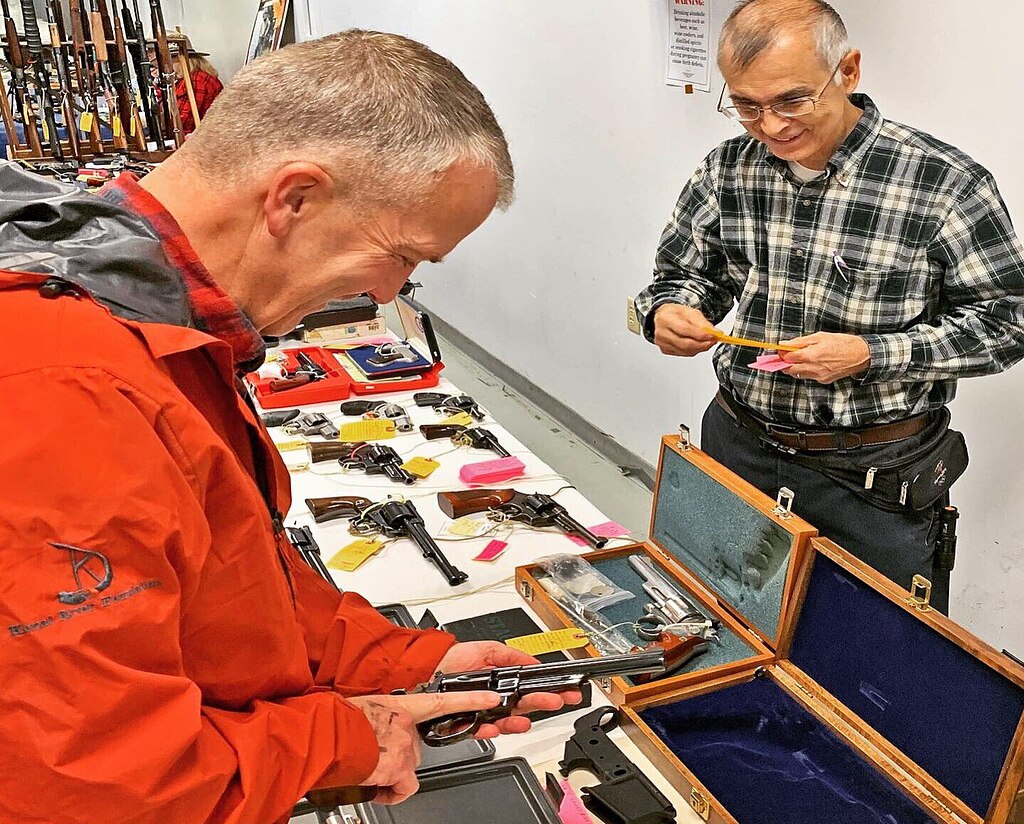
A show may bring together licensed dealers, private sellers, collectors, manufacturers, and accessory vendors, so the buying process can vary from table to table. A first-time visitor may assume every seller follows the same procedure, but that is not necessarily true. Take time to identify who is selling and what rules apply before discussing a transaction. A useful approach is to visit 3 or 4 tables simply to compare information, condition, and stated terms. If an answer about legality or paperwork sounds uncertain, pause and verify it through an official source.
3. Letting the Crowd Create Pressure

Gun shows can be busy, noisy, and full of people discussing equipment, which can make a newcomer feel that a decision must be made immediately. That pressure is a poor reason to buy anything. Give yourself at least 15 minutes to step away, review the price, and consider whether the item actually fits your lawful needs. Be especially cautious of claims about an item being the final one or disappearing within minutes. A genuine purchase should still make sense after the excitement fades. Walking away is always an option, even after a long conversation with a seller.
4. Forgetting to Inspect Safely
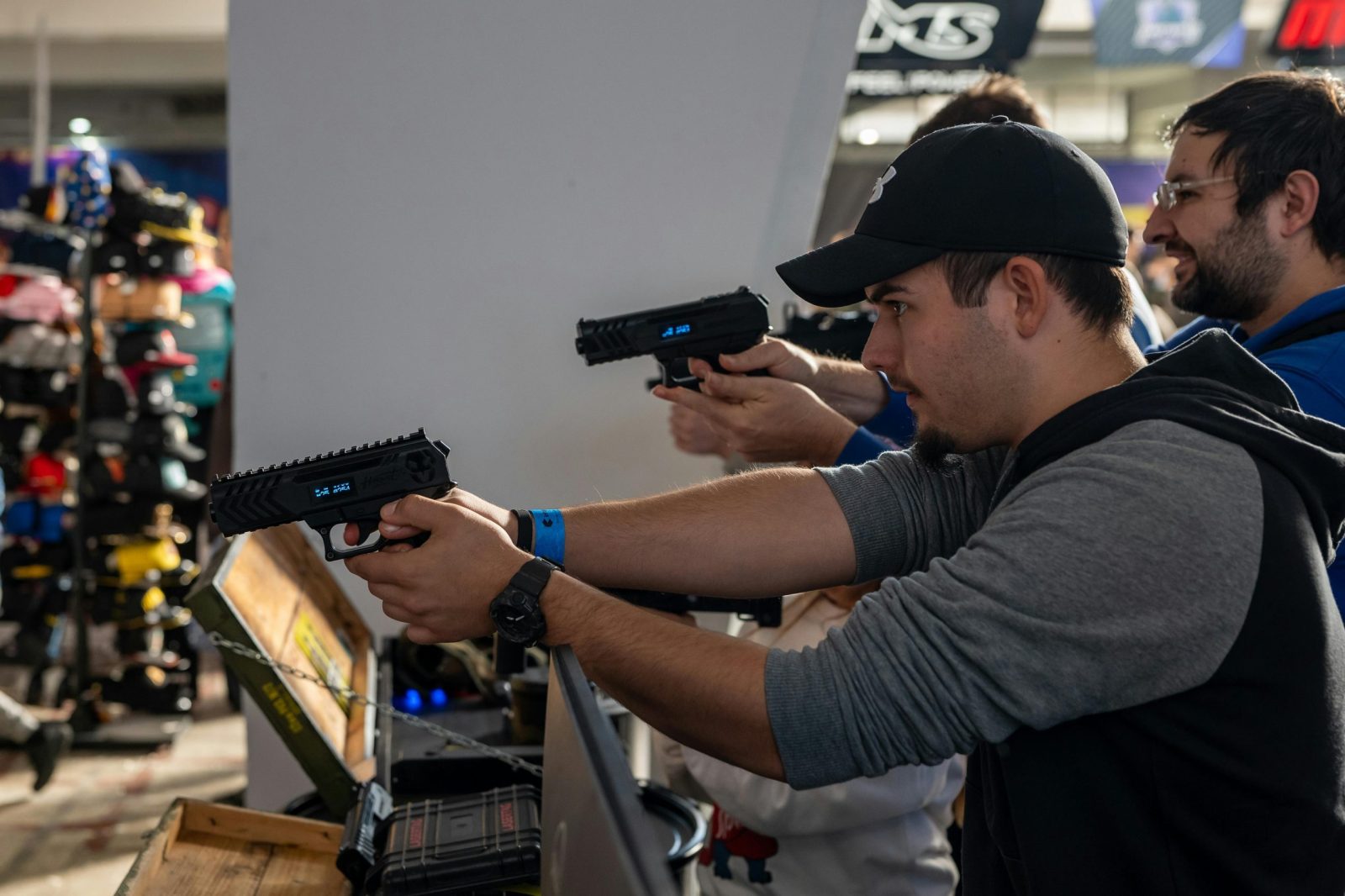
First-time visitors sometimes focus on appearance, finish, or price and forget the most important part of handling any firearm: safety. Follow the show’s handling rules exactly, keep the muzzle pointed in a safe direction, and keep your finger outside the trigger guard. Do not manipulate controls or attempt any function test unless the seller permits it and the firearm has been made safe. Ask the seller to demonstrate condition rather than improvising. If you are unsure about something, stop and ask. A few careful questions are far better than one unsafe movement in a crowded room.
5. Buying Without Comparing Total Cost
The number written on a price tag is not always the final amount a buyer should consider. Taxes, lawful transfer fees, background-check charges where applicable, travel costs, and required accessories can change the overall expense. Before deciding, write down the advertised price and 3 possible additional costs. Also compare the same model or a comparable item at reputable retailers, without assuming the show is automatically cheaper. A lower sticker price can lose its advantage quickly when other expenses are added. Knowing the complete cost makes the decision calmer and easier to evaluate.
6. Ignoring Condition and Provenance

A used firearm can look excellent on a crowded table while still deserving questions about its history. Ask whether it is new or used, whether the seller knows its ownership history, and whether any modifications or repairs are documented. Do not rely solely on a seller’s description or a quick visual inspection. If you are considering a used item, having a qualified professional inspect it before use can be valuable. Take 5 minutes to record the make, model, and identifying markings, then research the exact configuration later. Documentation and condition matter more than a shiny finish.
7. Assuming a Seller’s Advice Is Legal Advice
Salespeople and collectors can have useful experience, but their personal interpretation of a law is not a substitute for official guidance. Rules can differ by state, city, firearm type, and transaction method, and they can change over time. If someone says a transfer is always legal, ask where that information comes from and verify it independently. Keep relevant official information on your phone before attending. Spending 10 minutes checking a government source can prevent a much bigger problem later. When the legal answer is unclear, postpone the transaction rather than guessing.
8. Skipping the Safety and Training Plan
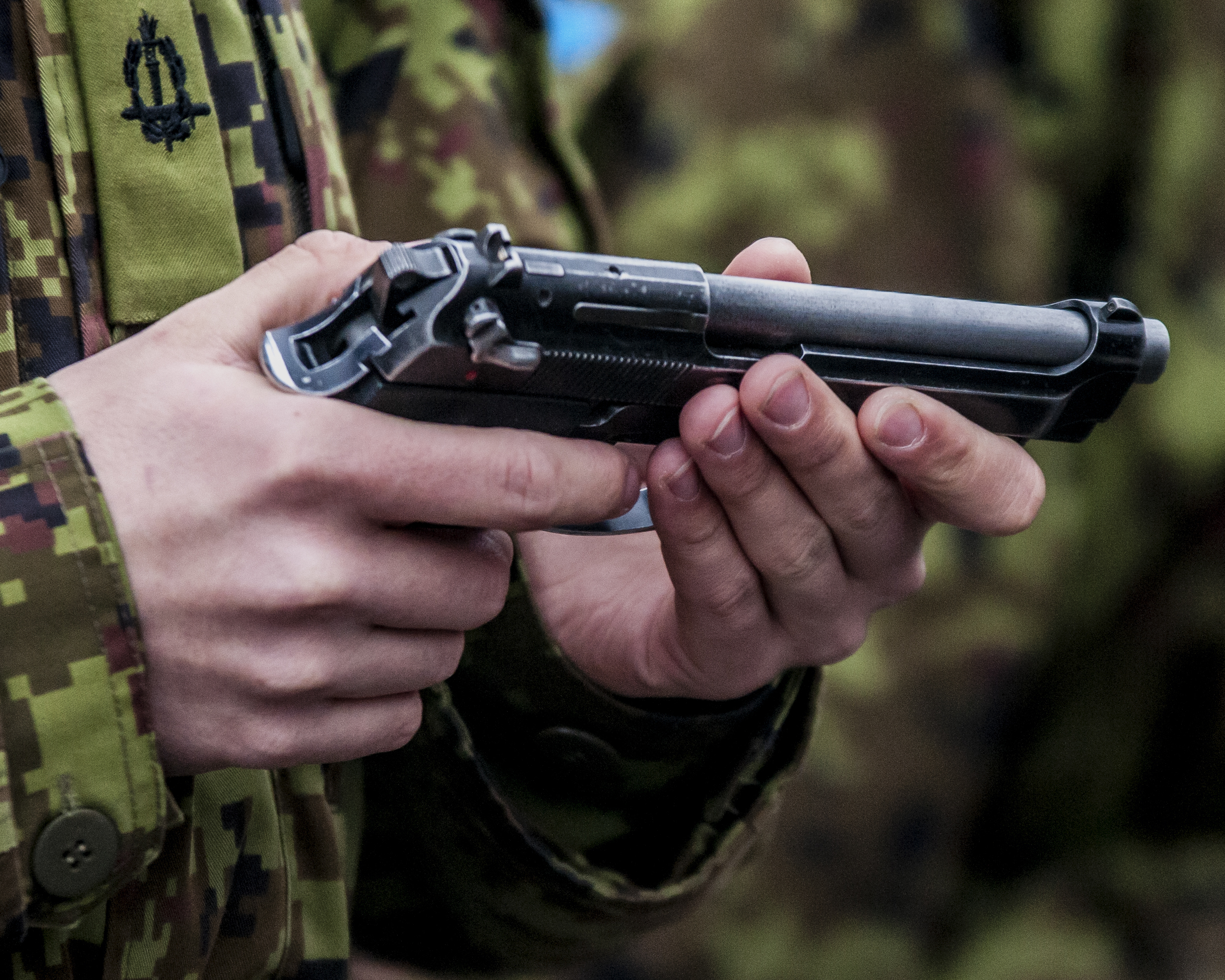
A first-time buyer should think beyond the moment of purchase. Safe ownership involves secure storage, responsible handling, transportation rules, maintenance, and training. Before bringing a firearm home, know where it will be stored and who can access it. A basic safety course can also help a new owner build good habits before independent handling. Set aside time for at least 1 formal training session and review the owner’s manual carefully. The goal is not to become an expert in one day. It is to establish a safety-first routine that remains consistent long after the gun show ends.