Choosing an outfitter is about more than comparing prices or admiring impressive trophy photos. A poorly managed operation can turn an expensive hunt into a frustrating experience through hidden fees, weak communication, vague promises, or unrealistic expectations. Before paying a deposit, look closely at how the outfitter handles details, questions, paperwork, and past-client references. These 7 red flags can help you recognize problems before they become costly.
1. The Price Keeps Changing After You Book

A serious outfitter should make the financial picture clear before you commit. If a quoted $4,000 hunt suddenly becomes $4,700 because of fuel, lodging, trophy care, tags, or guide fees, treat that as a warning. Ask for a written breakdown covering every expected charge and identify which costs can change. A professional operator should explain extras before the trip, not while you are standing at camp. Even a 10% to 15% unexplained increase can turn a carefully planned hunt into an expensive surprise. Ask for a final total before sending money.
2. The Itinerary Is Vague or Keeps Changing
Your hunt should have a workable plan, even though weather and wildlife can force adjustments. Be cautious when an outfitter cannot explain where you will hunt, how many days are included, what happens after a weather delay, or what the daily schedule looks like. If a 5-day package is repeatedly reduced to 4 or 3 days without a clear remedy, the value changes significantly. Good operators discuss realistic alternatives in advance and put important terms in writing instead of relying on promises made during a phone call. Get those terms before you travel.
3. Recent References Are Hard to Verify
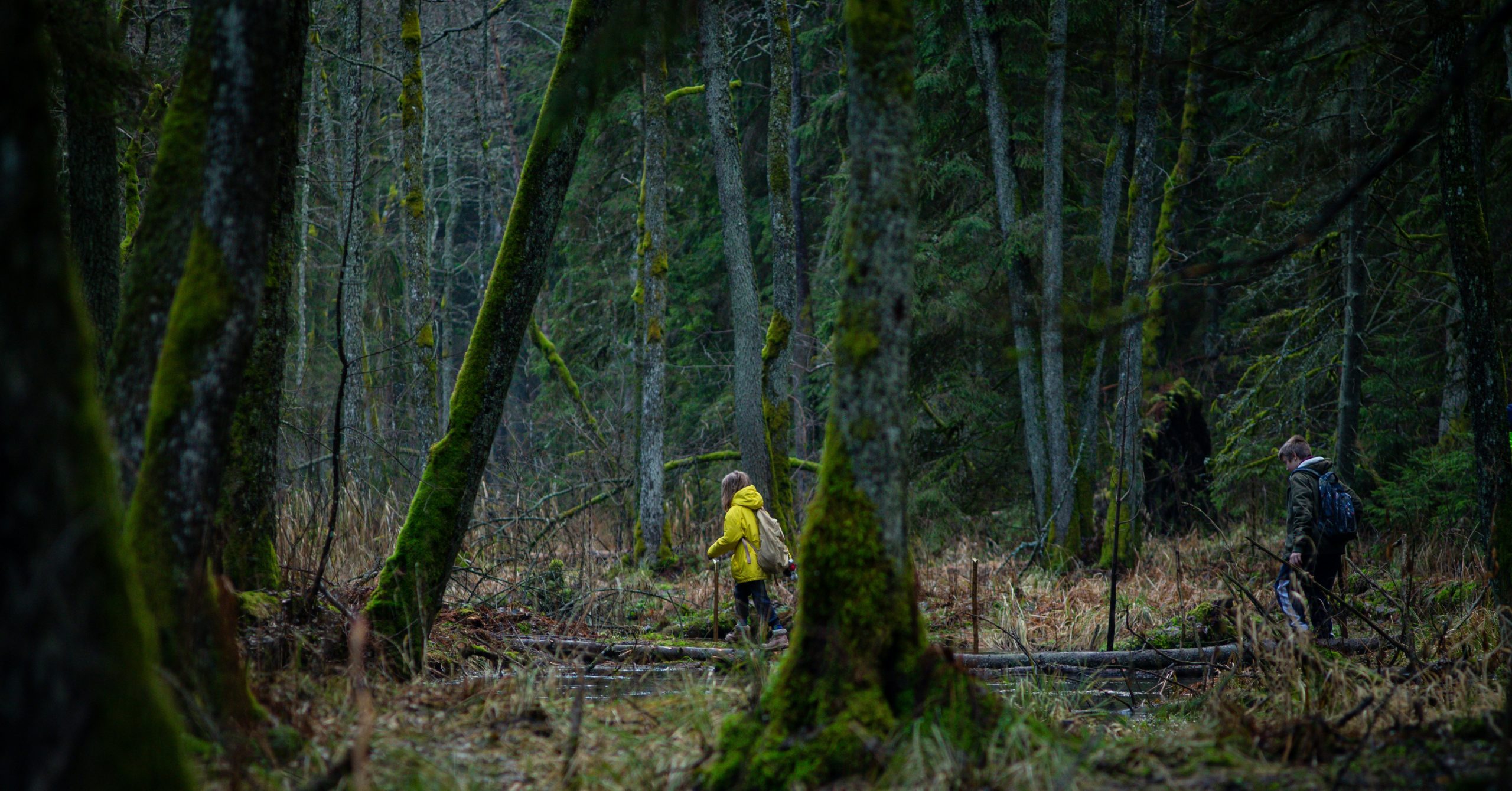
References should give you confidence, not create another mystery. Ask for 2 or 3 recent clients who booked a similar hunt and, where appropriate, permission to contact them. Pay attention if every reference is several years old or if the outfitter only offers one glowing testimonial with no useful details. Ask those hunters about the guide, lodging, communication, actual hunt time, and unexpected costs. A strong operation should not need to hide behind vague praise. Specific, recent feedback is far more useful than a perfect 5-star claim with no context.
4. The License and Insurance Details Are Unclear
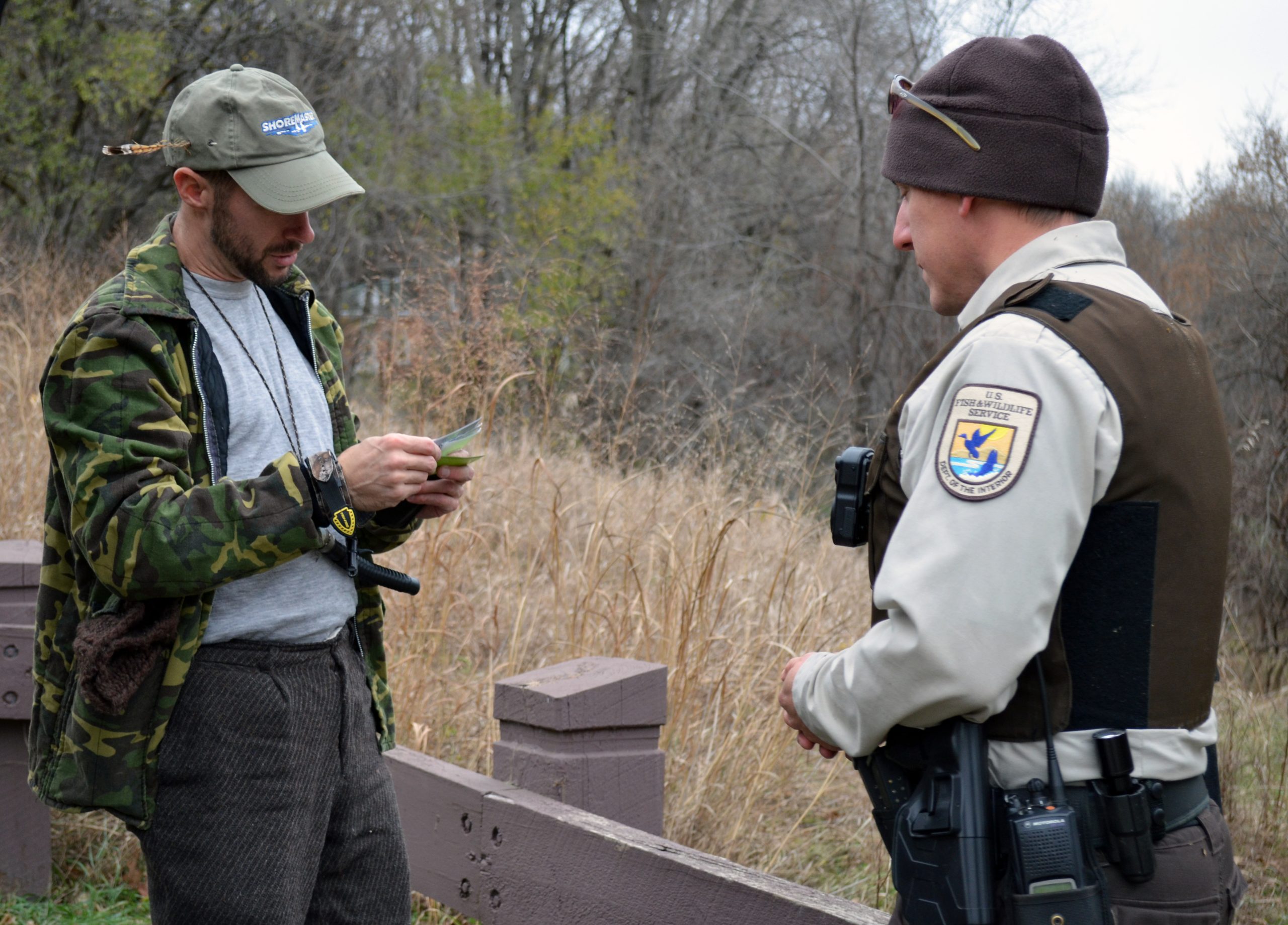
An outfitter should be comfortable explaining the legal and business requirements that apply to the hunt. Before paying, ask what licenses, permits, land permissions, or insurance coverage are required and who is responsible for obtaining each item. Rules differ by state, species, and season, so do not assume a verbal assurance is enough. If an operator cannot clearly identify basic requirements or becomes evasive when you ask for documentation, reconsider the booking. Spending $3,000 or $5,000 on a hunt is too much to gamble on unclear paperwork.
5. Communication Suddenly Gets Worse After Payment

Fast replies before a deposit can be a useful sales tactic, but dependable communication should continue afterward. Watch for missed calls, unanswered emails, or repeated promises to send details that never arrive. If you have paid a 30% deposit and still cannot get basic information about meeting points, equipment, lodging, or timing, that deserves attention. A busy outfitter may not answer instantly, but reasonable questions should receive a useful response within a practical timeframe. Poor communication before the trip often becomes more frustrating once travel has already begun.
6. The Gear and Lodging Promises Sound Too Good

Be careful with packages that promise luxury accommodation, premium equipment, private access, and unusually high success rates for one low price. Ask exactly what is included and what condition the provided gear is in. A $2,500 package may sound attractive until you discover that lodging is shared, meals cost extra, and equipment rental adds $300. Likewise, phrases such as “exclusive access” should be explained clearly rather than accepted at face value. A trustworthy outfitter describes the real experience honestly, including ordinary limitations and conditions.
7. The Success Rate Sounds Unrealistically Perfect
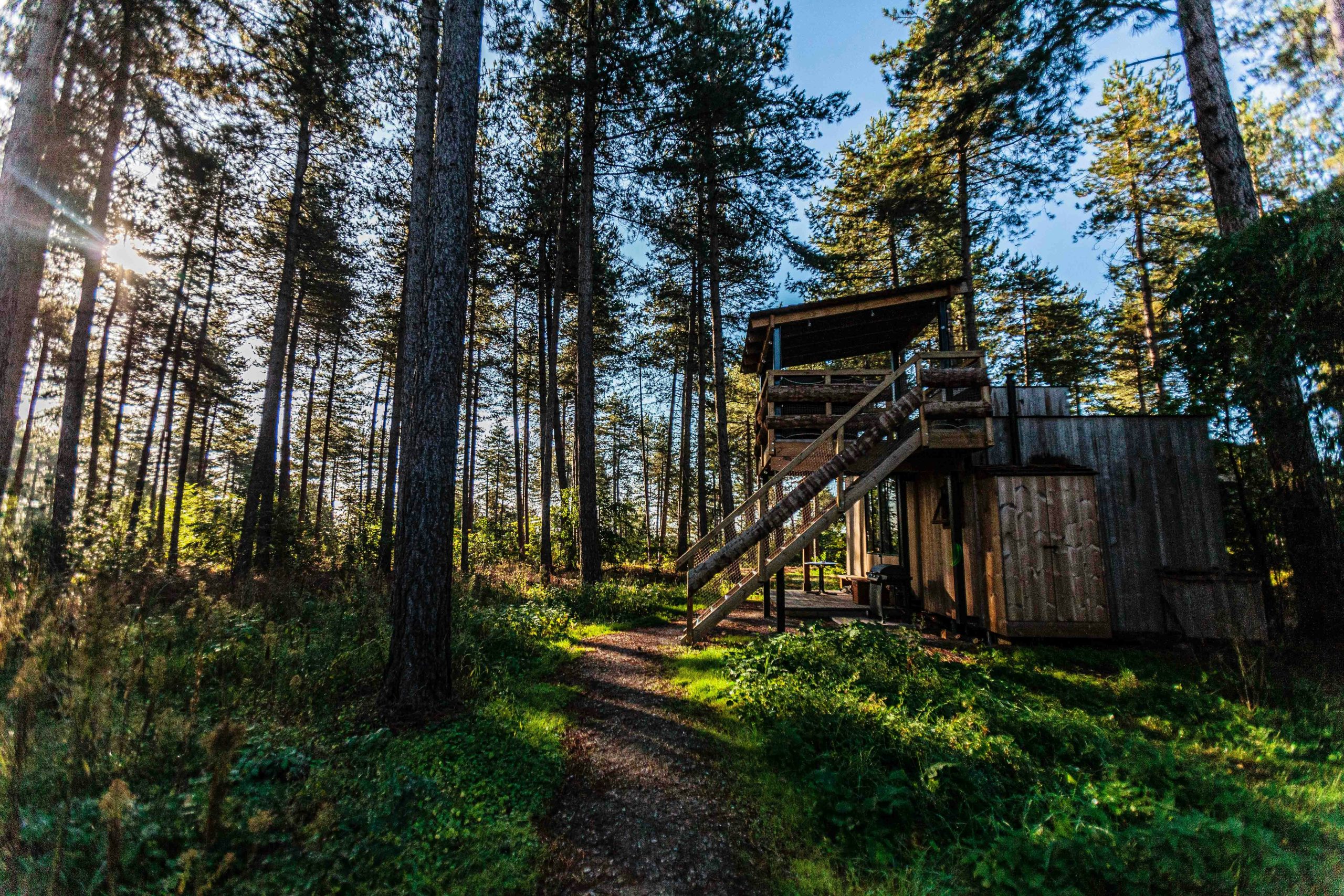
Hunting success depends on weather, animal movement, habitat, hunter ability, regulations, and simple luck, so absolute promises deserve skepticism. If an outfitter claims a 95% success rate, ask how that figure was calculated and over how many hunters and seasons. A percentage based on 20 clients is very different from one based on 200. Also ask whether the number means any legal opportunity, a filled tag, or a specific trophy standard. Honest operators can discuss past results without guaranteeing what will happen on your particular hunt. A realistic operator leaves room for uncertainty.