Owning a firearm involves more than buying it and keeping it in a safe. Legal responsibilities can arise when a gun is purchased, transported, stored, inherited, sold, or taken across state lines. The exact rules depend heavily on the state and situation, so assumptions can create expensive problems. These 7 often-overlooked steps are worth checking before a routine situation turns into a legal headache.
1. Check Your State’s Storage Requirements
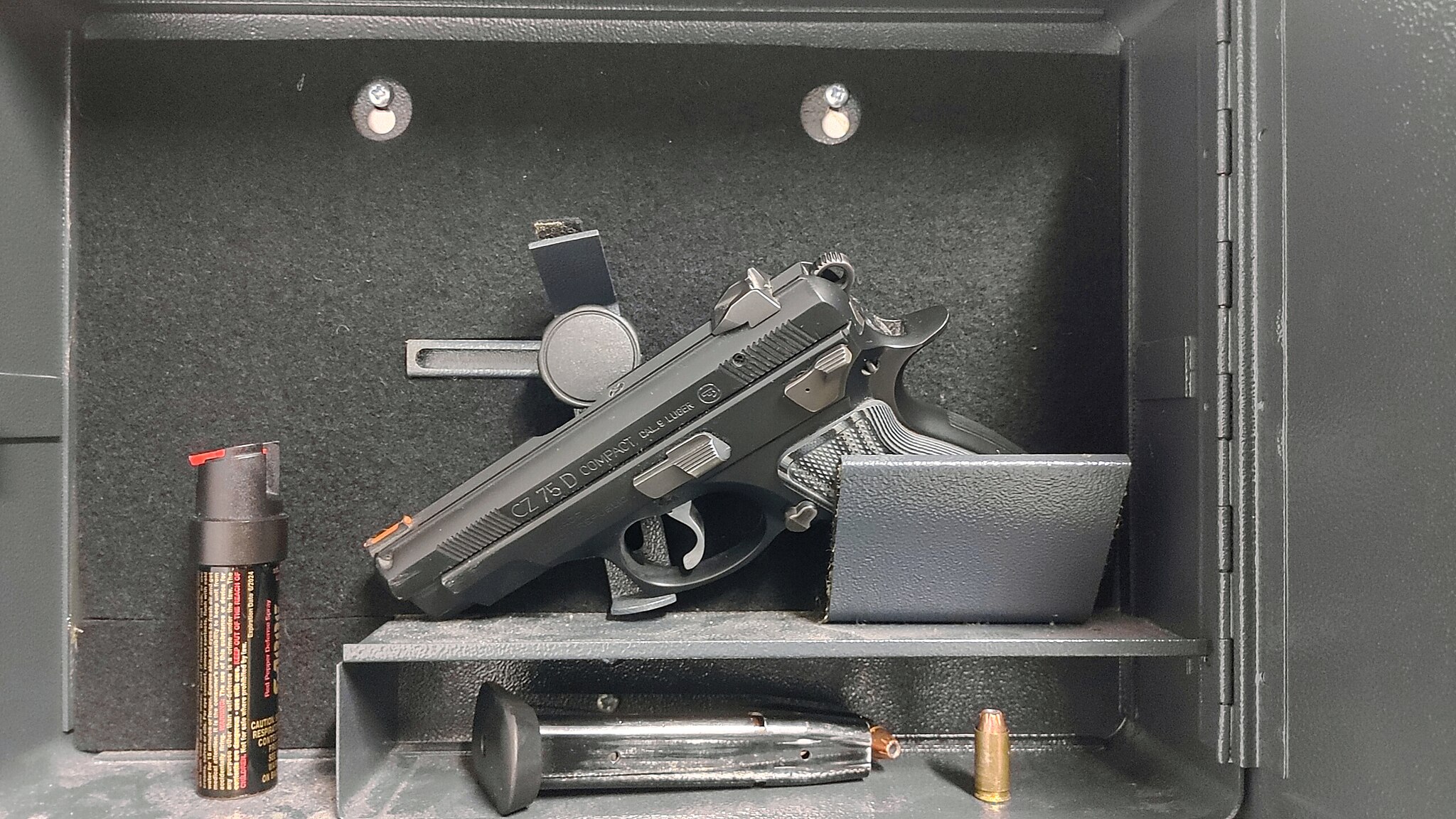
Safe storage is not governed by one nationwide rule. As of 2026, at least 26 states have some form of child-access prevention law, but the requirements differ considerably. Some laws focus on minors gaining unauthorized access, while others specify particular circumstances or storage methods. A locked case or safe may also matter when a firearm is left unattended. Owners should check their current state statute, especially after moving. Keeping the law bookmarked can take 10 minutes and prevent a costly misunderstanding later.
2. Verify the Rules Before Moving a Firearm
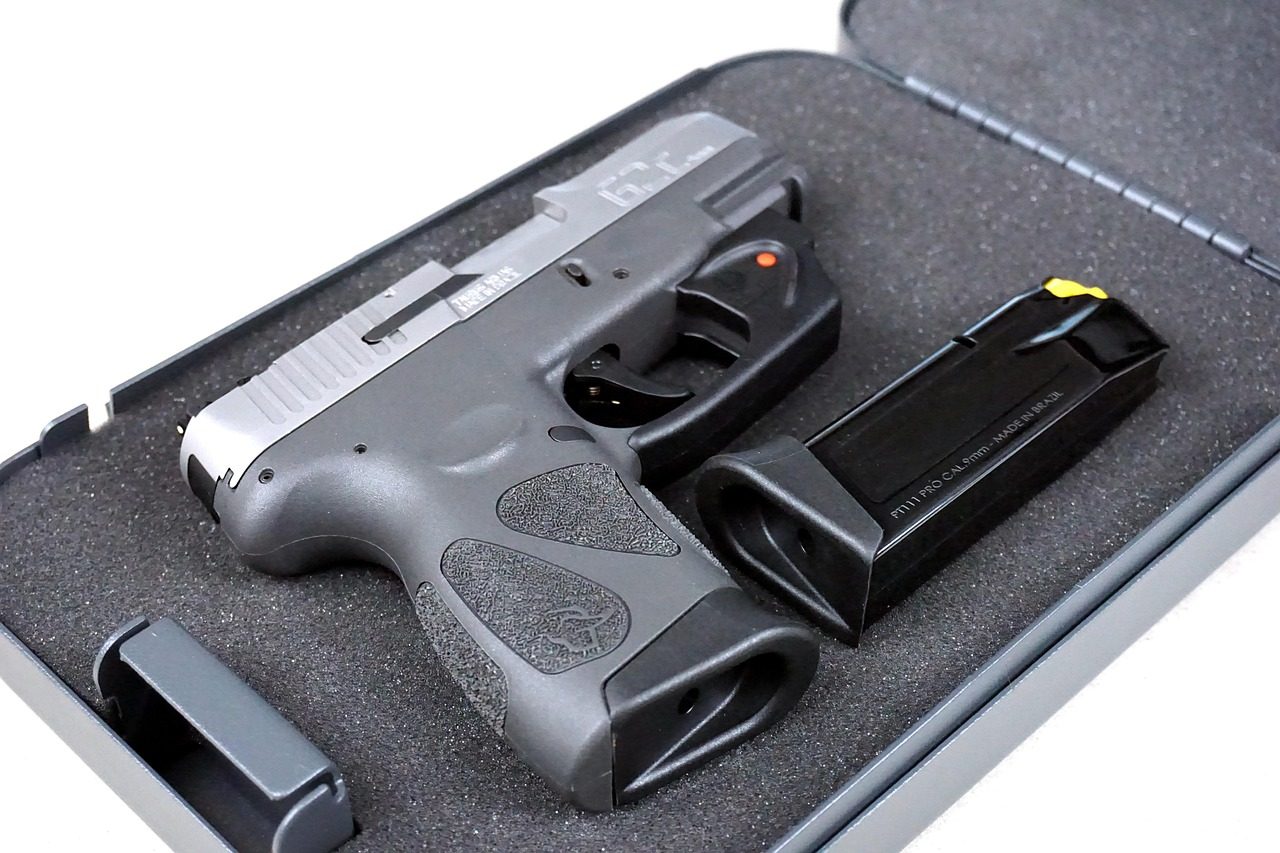
Transporting a firearm across state lines can create obligations that did not exist at home. Federal law provides protections for certain interstate transportation when specific conditions are met, but state and local restrictions can still complicate a trip. A locked container, unloaded firearm, and inaccessible storage may be important depending on the circumstances. Before a journey involving 2 or more states, check the laws of every state along the route. Never assume that a permit from one state automatically applies elsewhere.
3. Keep Purchase and Transfer Records Organized

A firearm transaction can become difficult to explain when basic paperwork is scattered or missing. Federal law does not require ordinary owners to maintain a universal personal firearm registry, but records connected with lawful purchases, transfers, and permits can still be valuable. Depending on state law, private transfers may require additional procedures, including a background check or dealer involvement. Keeping copies of receipts, applicable forms, and transfer information in one secure location can make future ownership questions much easier to resolve.
4. Recheck the Law Before Selling or Giving One Away
A transfer to a friend or relative may feel informal, but the law may treat it very differently. Federal law prohibits certain transfers based on the recipient’s status, and some states impose additional requirements on private transfers. In 2026, owners should not rely on statements such as “it’s only a family member” or “we are just lending it.” Before transferring a firearm, confirm the recipient is legally eligible and determine whether a licensed dealer, background check, permit, or other documentation is required where the transfer occurs.
5. Review the Rules After Moving to Another State

Changing addresses can quietly change your firearm responsibilities. A license, permit, registration requirement, magazine restriction, storage rule, or transportation rule that applied in one state may not follow you into another. Some states also impose deadlines for updating identification or permit information. If you move from State A to State B, spend time reviewing at least 4 areas: possession, transportation, storage, and transfers. Do this before assuming that your existing documents or firearm setup remain fully compliant.
6. Know What Happens When a Gun Is Inherited
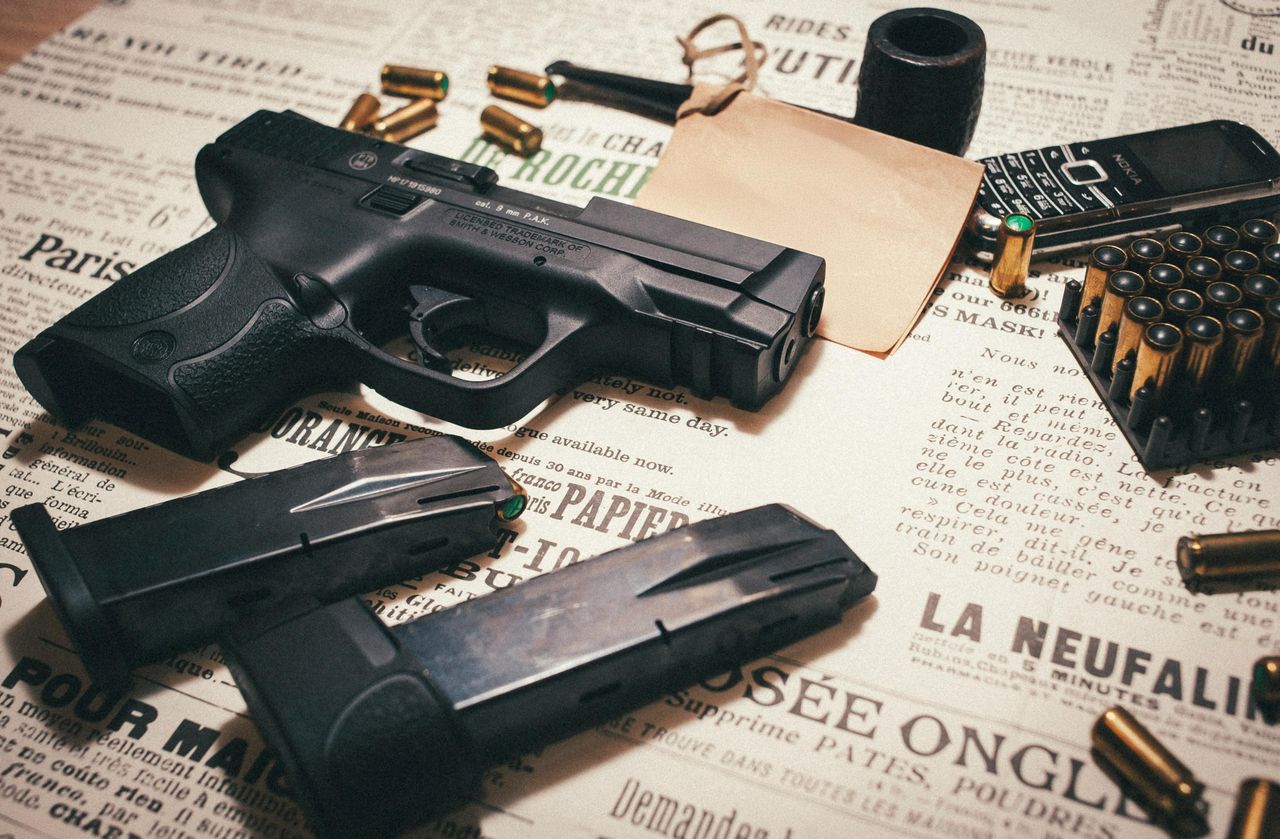
Inheritance can create unexpected legal questions, particularly when firearms cross state lines. Federal law contains restrictions involving prohibited persons, while state laws can add separate requirements for transfers, permits, or possession. Families should not simply place an inherited firearm in a vehicle and drive it home without checking the rules. If an estate involves 2 or more states, verify the laws governing the deceased owner’s location, the heir’s location, and transportation. An estate attorney or licensed dealer can help resolve complicated cases.
7. Check the Rules Before Carrying in New Places

A permit to carry does not necessarily mean a firearm can legally go everywhere. Restrictions may apply to schools, government buildings, courthouses, private property, posted locations, airports, and other designated areas. Reciprocity also varies, meaning a permit recognized in 1 state may not be recognized in another. Before carrying in an unfamiliar location, check both the destination state’s current law and any location-specific restrictions. A 5-minute review can prevent a routine outing from becoming a serious legal problem.