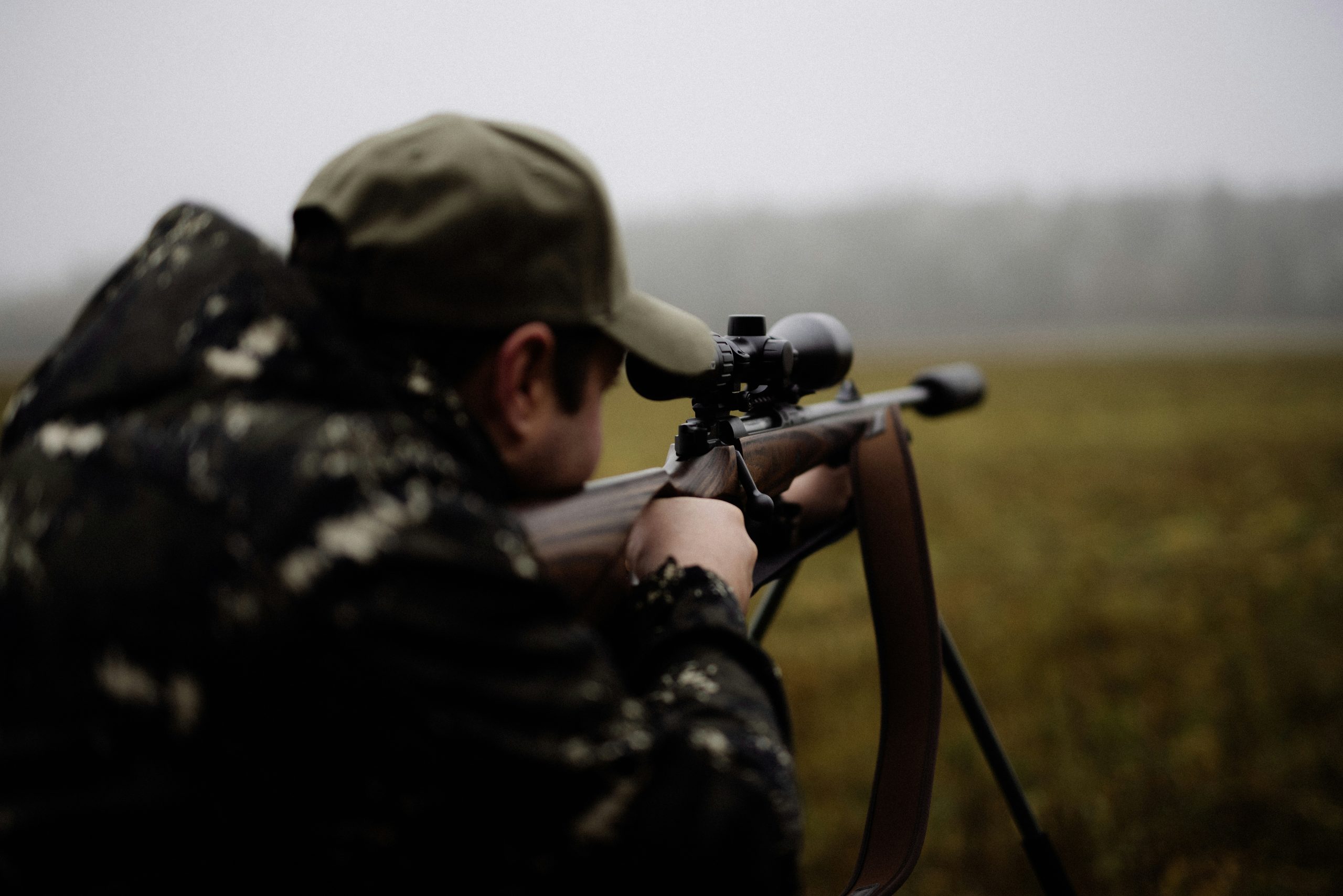
Firearms often develop a second life after leaving the role their designers originally intended. Military rifles become hunting companions, service pistols enter competitive shooting, and surplus arms find new audiences among collectors and sporting shooters. These unexpected uses can change how a firearm is viewed, sometimes making an old design relevant for generations after its original purpose has disappeared. The nine examples below show how shooters, competitors, and civilian owners helped create entirely new chapters in firearms history.
1. Colt Single Action Army
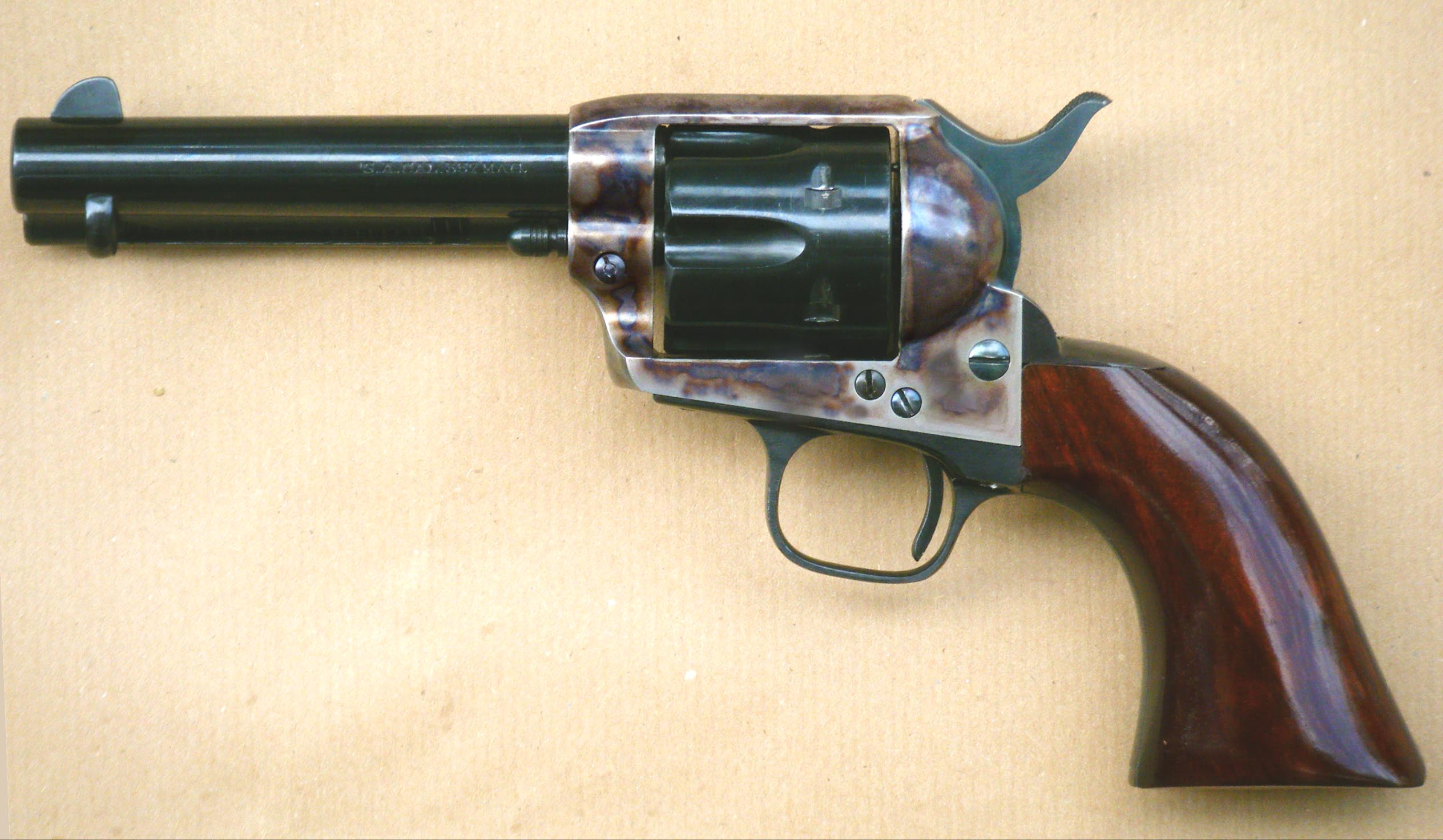
The Colt Single Action Army began as a military service revolver, but shooters later gave it a second career in sport and historical competition. Introduced in 1873, it became closely associated with Cowboy Action Shooting, where competitors use period-style firearms on Old West stages. Its six-shot cylinder and traditional hammer make it instantly recognizable. First-generation production ran from 1873 to 1941, with about 357,859 made. The surprising part is that a military sidearm became a competition icon long after its original battlefield role had ended.
2. Colt M1911
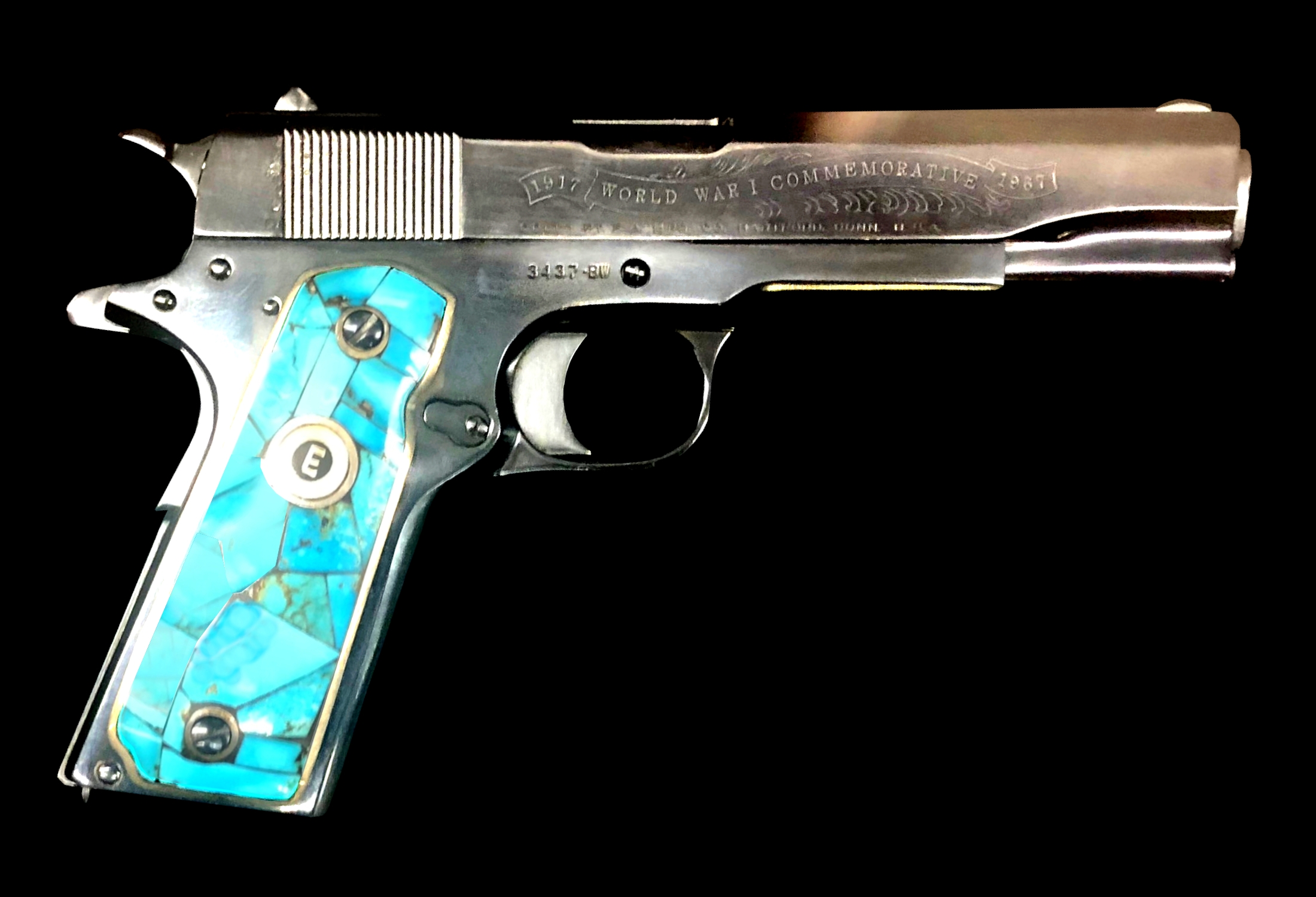
The 1911 was designed for military service, yet competitive shooters turned the basic pistol into a platform for precision match shooting. Its single-stack layout did not stop competitors from developing specialized versions with match-focused sights and triggers. The design entered U.S. service in 1911 and remained the standard American service pistol until the Beretta M9 era. Its second life grew through disciplines such as bullseye and practical competition, where accuracy and controllability matter. More than a century later, the 1911 remains a familiar competition firearm.
3. M1 Garand
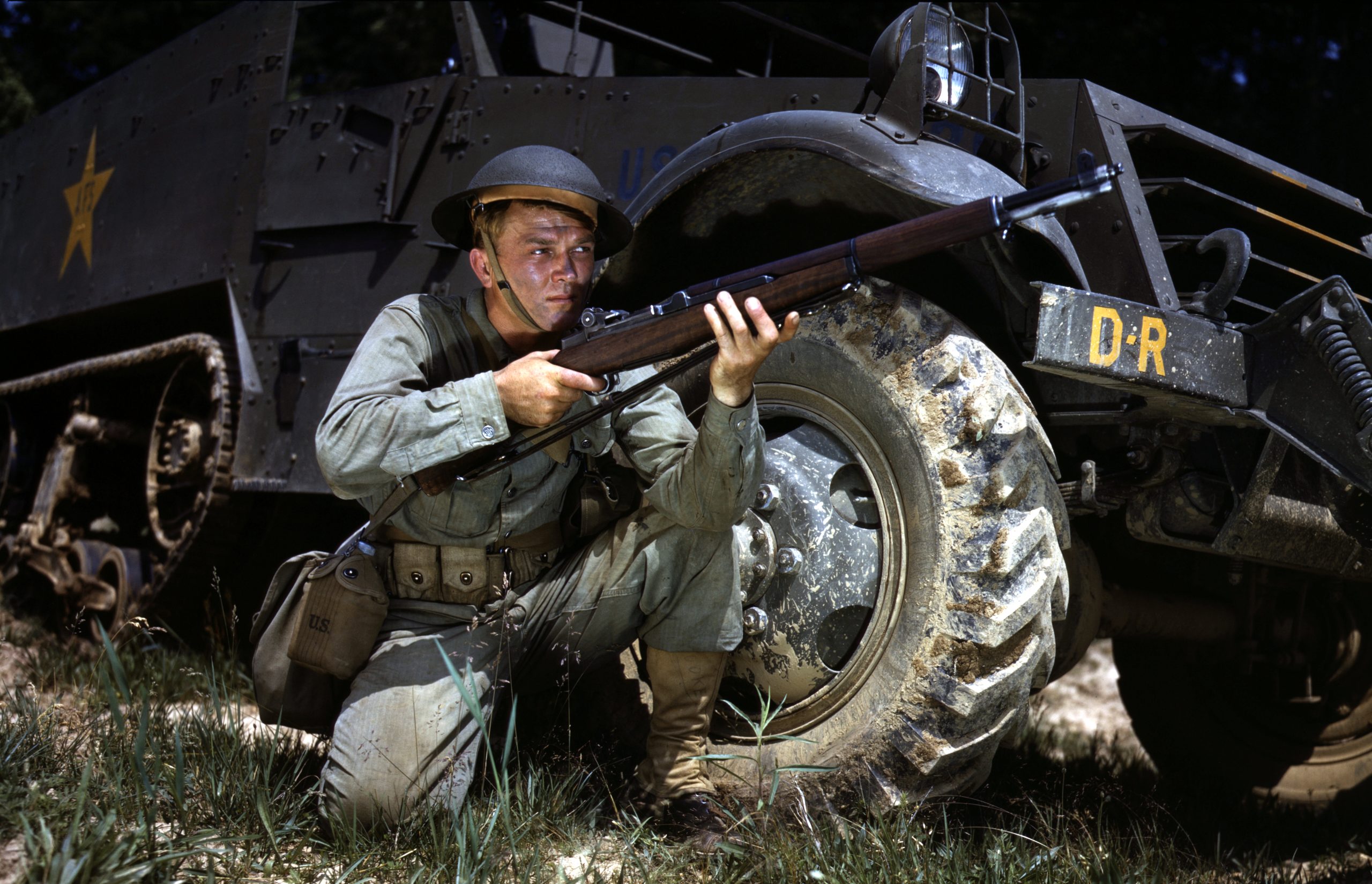
The M1 Garand is remembered mainly as an American World War II service rifle, but civilian marksmen found another purpose for it in organized high-power rifle competition. Its gas-operated action and eight-round en-bloc magazine were military features, yet the rifle could also be used for deliberate target stages after the war. The Civilian Marksmanship Program has supported Garand-focused matches, helping preserve its sporting role. The rifle was adopted by the U.S. Army in 1936 and produced in the millions. A weapon built for infantry service became part of competitive marksmanship.
4. Mosin-Nagant
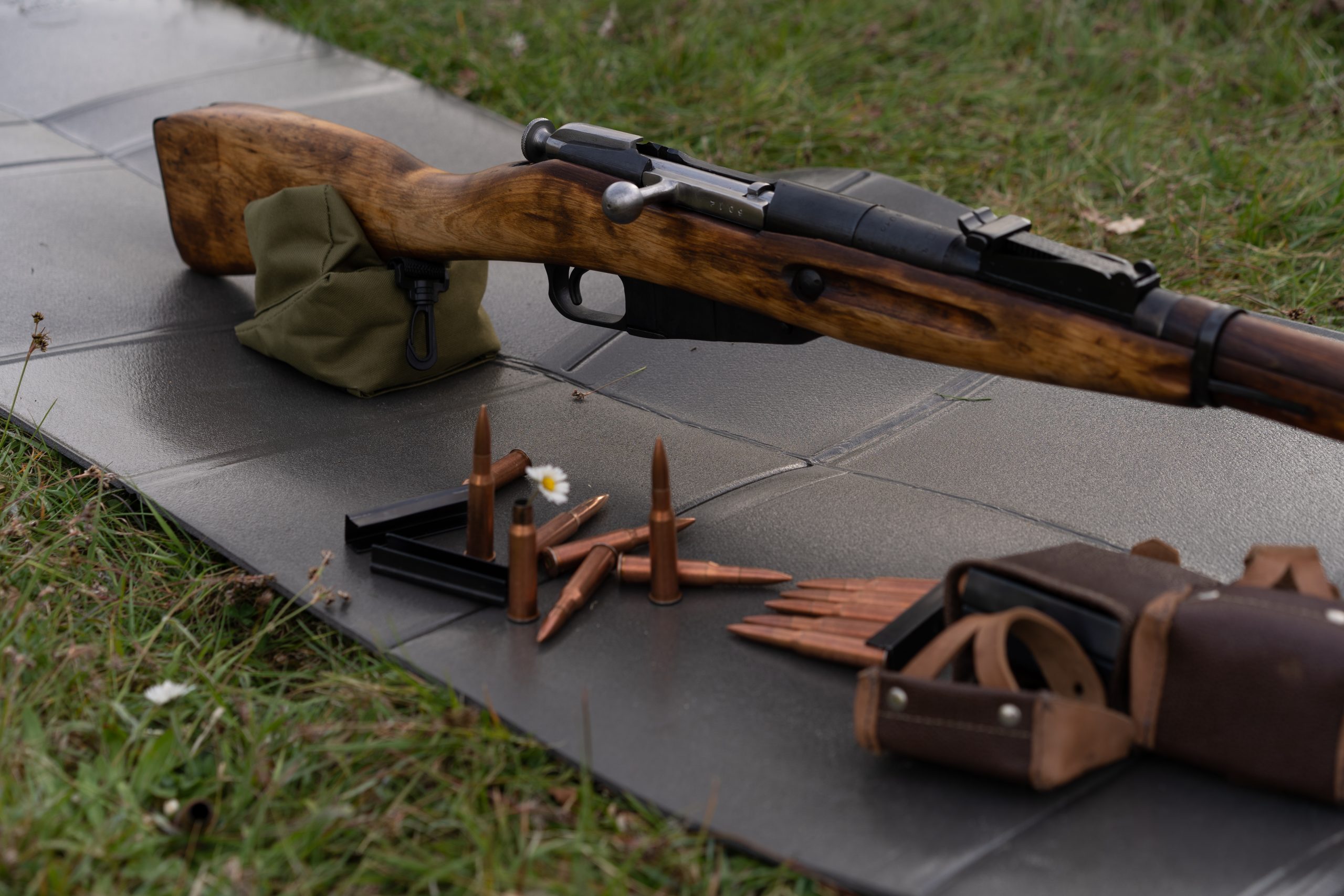
The Mosin-Nagant started as a military rifle, but surplus examples eventually found a new audience among hunters and recreational shooters. Its huge production numbers and surplus availability made the 7.62x54R rifle accessible to civilian owners. Hunters encountered sporterized examples altered for civilian use, while collectors continued shooting original versions. The design dates to 1891, and variants remained in service for decades across several countries. Its journey from imperial Russian service rifle to hunting companion shows how surplus markets can reshape a firearm’s identity.
5. Lee-Enfield
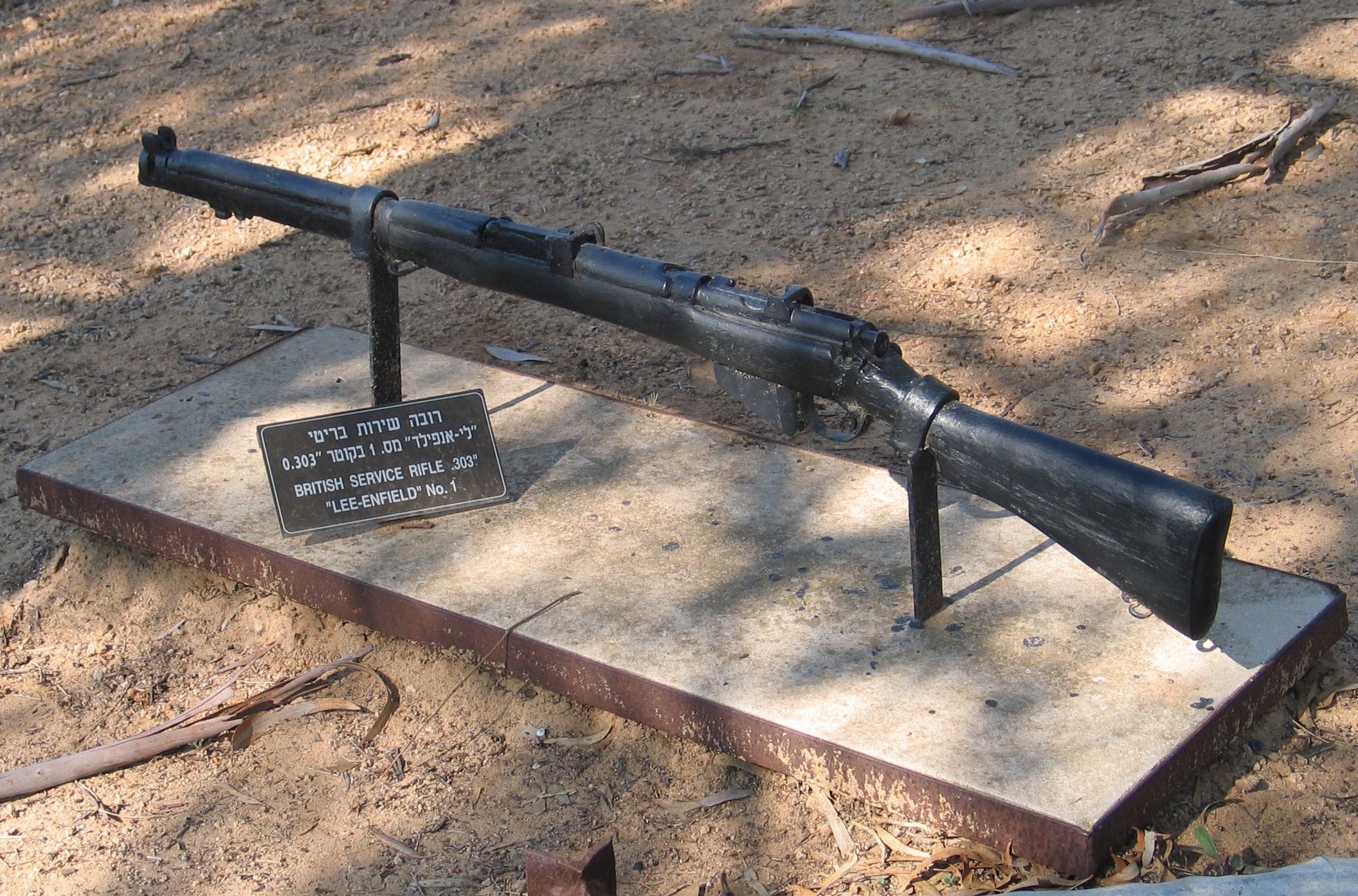
The Lee-Enfield was engineered for military service, yet its long afterlife included hunting, sporting use,e and civilian conversions across several countries. Its smooth, fast bolt action attracted shooters who valued quick follow-up shots, while surplus rifles were often converted into sporters after military service. The No. 4 Mk I entered British service in 1939, and the wider Lee-Enfield family served through much of the 20th century. In civilian hands, it became a practical hunting arm and a piece of sporting history, especially where surplus rifles were plentiful.
6. Mauser 98
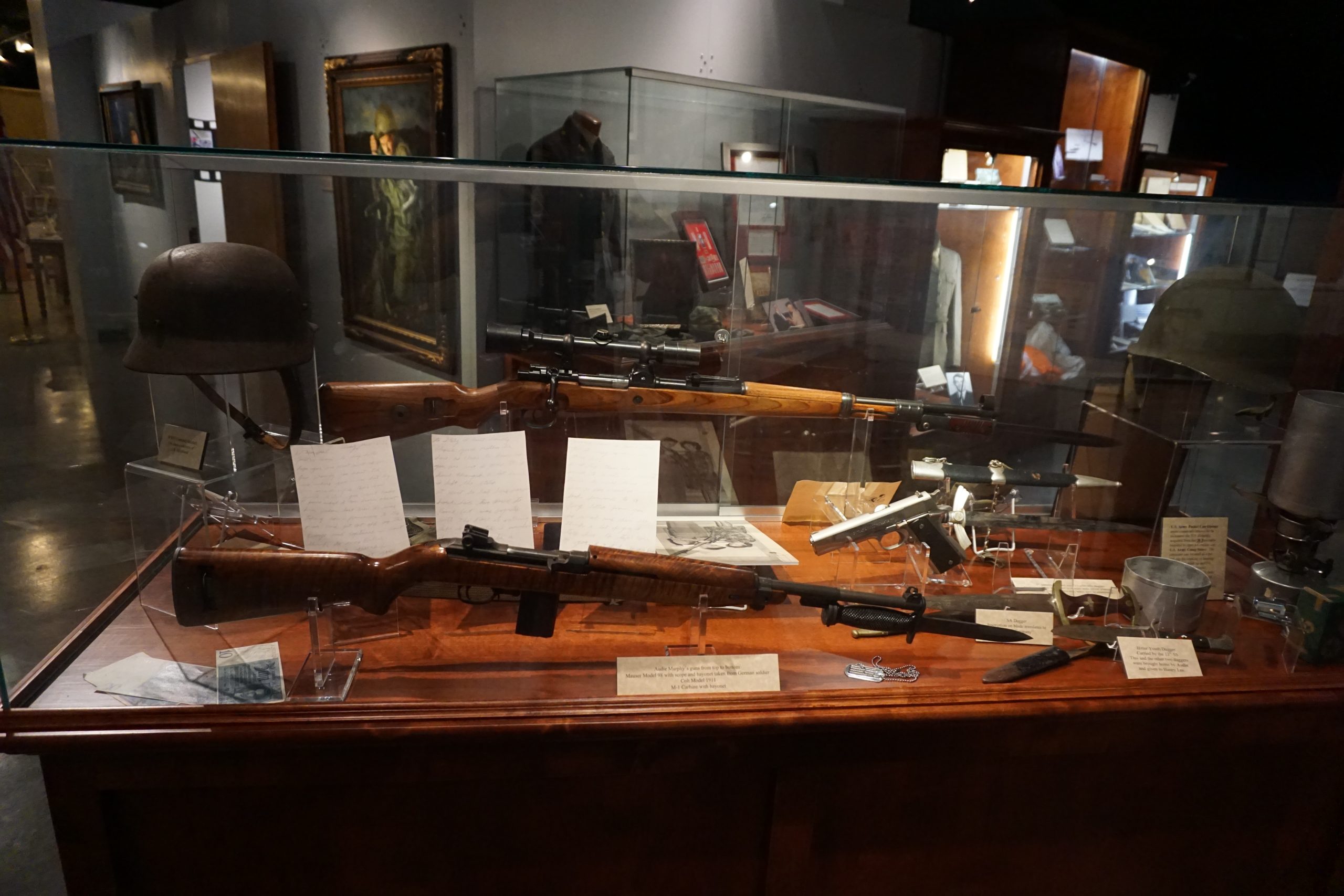
The Mauser 98 action became interesting because civilian gunsmiths and manufacturers turned a military action into the foundation for sporting rifles. Its controlled-feed bolt system and strong receiver made the action attractive for custom hunting rifles after surplus examples entered civilian markets. The original Gewehr 98 appeared in 1898, and the action influenced commercial sporting designs. Instead of remaining tied to military arsenals, the Mauser pattern became a building block for hunting rifles in many cartridges. Few service actions have had such a lasting second career.
7. AR-15
The AR-15 began as a lightweight military rifle, but civilian shooters eventually used its basic architecture for roles far removed from its original purpose. Competition, varmint shooting,ng and target work encouraged configurations emphasizing accuracy or specialized handling. The original AR-15 design dates to the late 1950s, while the U.S. military adopted the closely related M16 in 1964. Manufacturers later produced many variants. That flexibility made the platform notable: a military-derived design became a broad sporting platform rather than a firearm tied to one activity.
8. Thompson
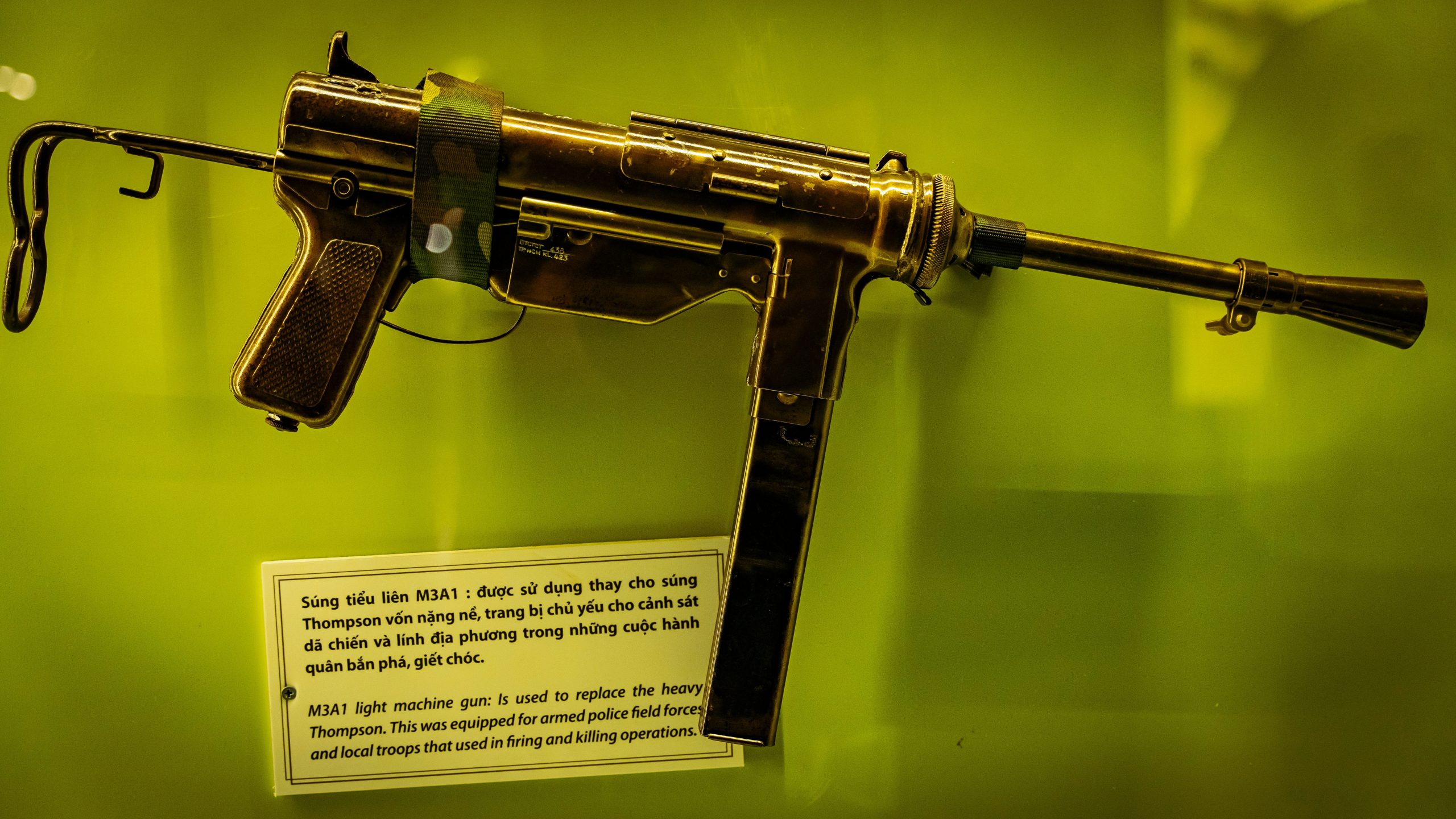
The Thompson submachine gun was created for military and law-enforcement roles, but shooters later turned its image and handling into part of historical shooting and collecting culture. The original Thompson appeared commercially in 1921, before wartime prominence in later variants. Today, legally owned examples and replicas can appear in historical shooting events centered on period equipment and presentation. Its heavy build and distinctive profile give it unusual appeal. The Thompson moved from a specialized service weapon to an object used to preserve 20th-century firearms history.
9. SKS
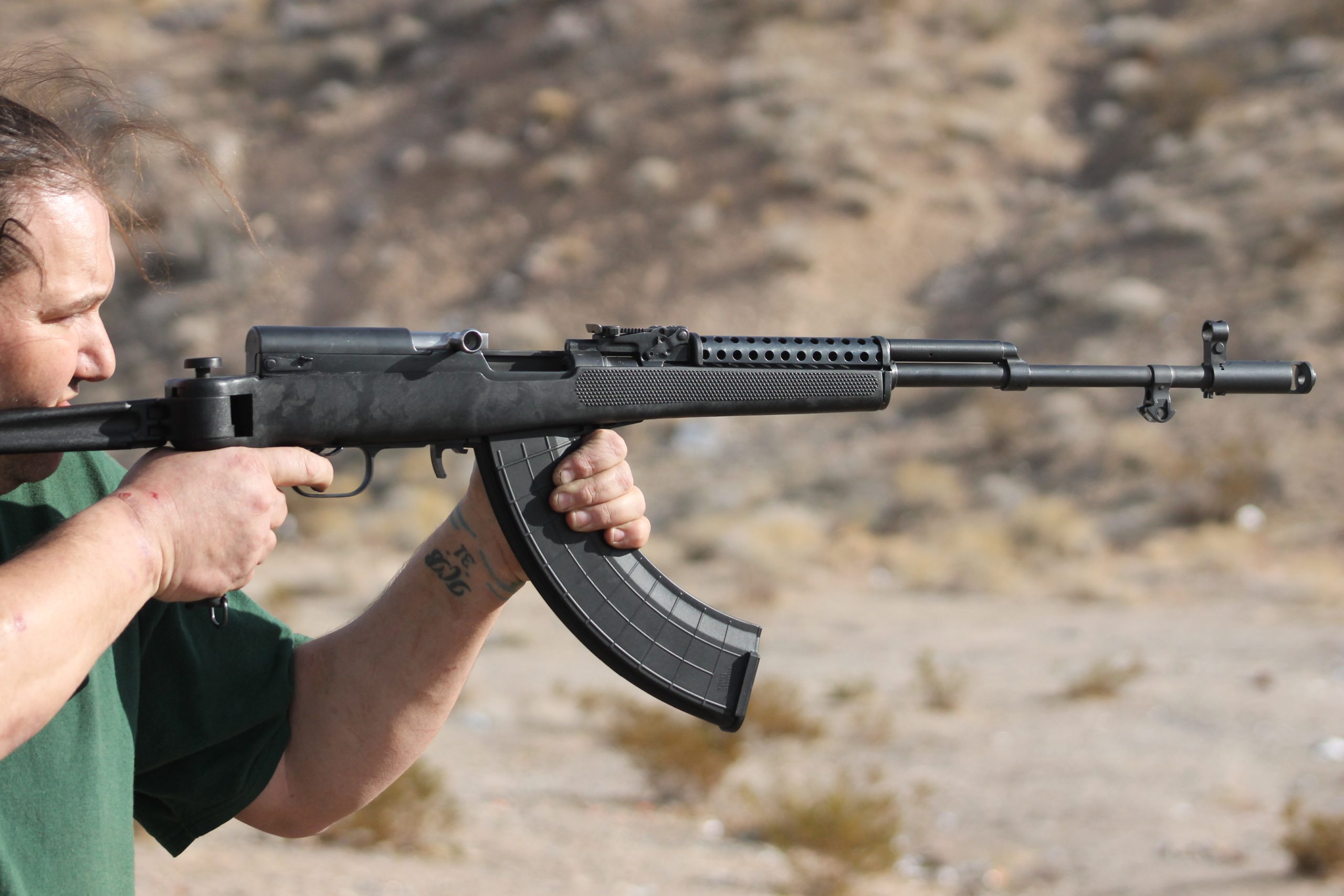
The SKS was designed as a Soviet military carbine, but surplus examples eventually became sporting and hunting firearms in several civilian markets. Its compact format and semiautomatic action differed from traditional bolt-action surplus rifles. The Soviet Union adopted the SKS in 1949, and production later spread abroad. Civilian owners used surplus rifles for target shooting and, where regulations permitted, hunting. Its military origin remained obvious, yet its post-service life showed how a firearm can gain a different identity outside an army inventory.