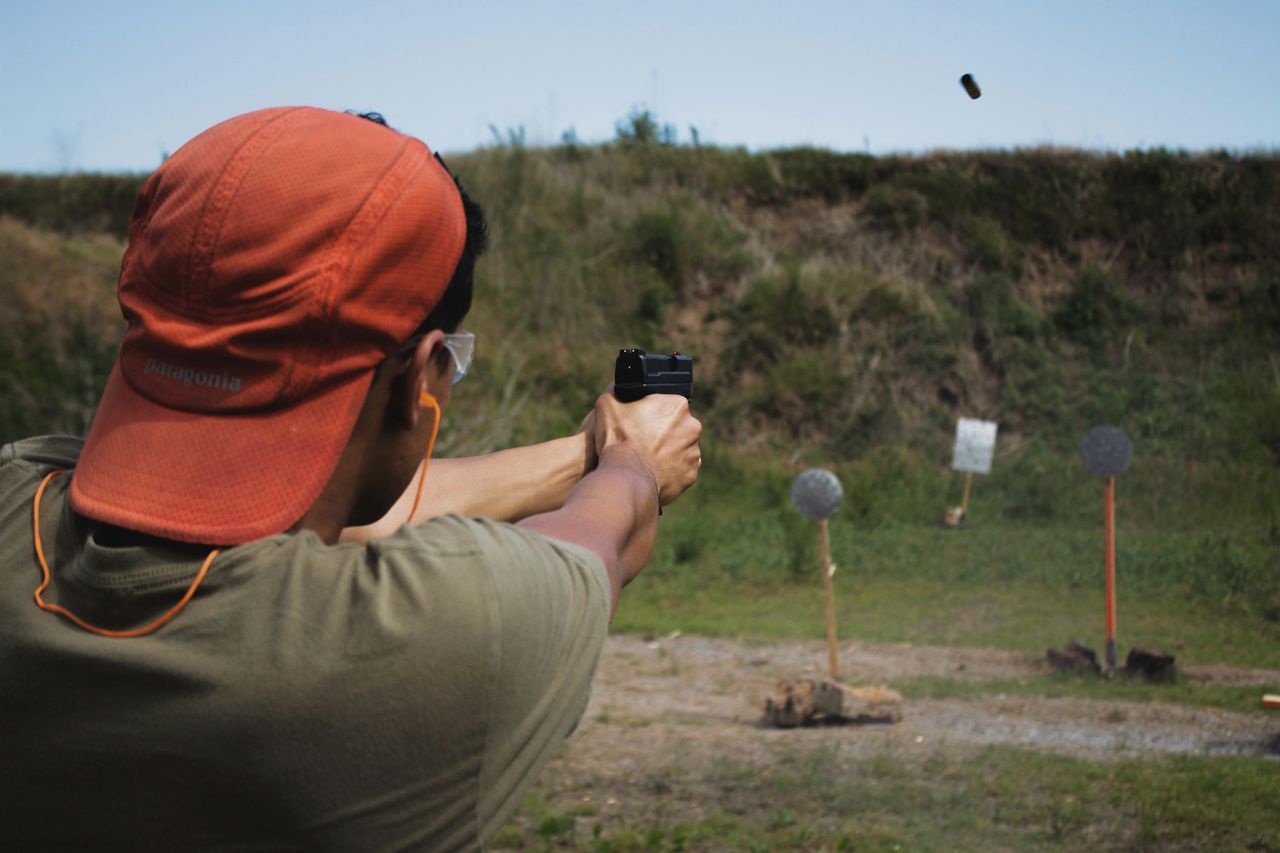
Ask experienced shooters what upgrade changed their pistol the most, and sights come up again and again. Better sights can sharpen the sight picture, speed up target acquisition, and make a familiar handgun feel dramatically easier to run well. This gallery breaks down nine upgrades that shooters frequently praise as the ones that delivered the clearest real-world improvement.
High-Visibility Fiber-Optic Front Sight
For many shooters, the biggest improvement starts with a brighter front sight. A fiber-optic rod draws the eye almost instantly, which can make the gun feel faster without changing the trigger, grip, or recoil system at all. In good light, that glowing dot often becomes the easiest thing on the slide to track.
Seasoned range regulars like this upgrade because it rewards proper visual focus. Instead of hunting for a dull blade, the shooter picks up the front sight sooner and confirms alignment with less effort. That can translate to cleaner first shots, quicker transitions, and a little more confidence every time the pistol comes up.
Tritium Night Sights
Tritium night sights earn loyal fans because they solve a simple problem: seeing the sights when the light gets poor. In a dim indoor range, a dark hallway, or twilight outdoors, those glowing reference points can keep the pistol usable when plain black sights start to disappear.
Experienced shooters often say the real value is not magic low-light accuracy, but consistency. The gun presents the same basic visual cues across more lighting conditions, which reduces hesitation. During daylight, most tritium sets still behave like sturdy carry sights, so owners get an around-the-clock upgrade rather than a niche accessory that only matters in rare moments.
Blacked-Out Rear Sight
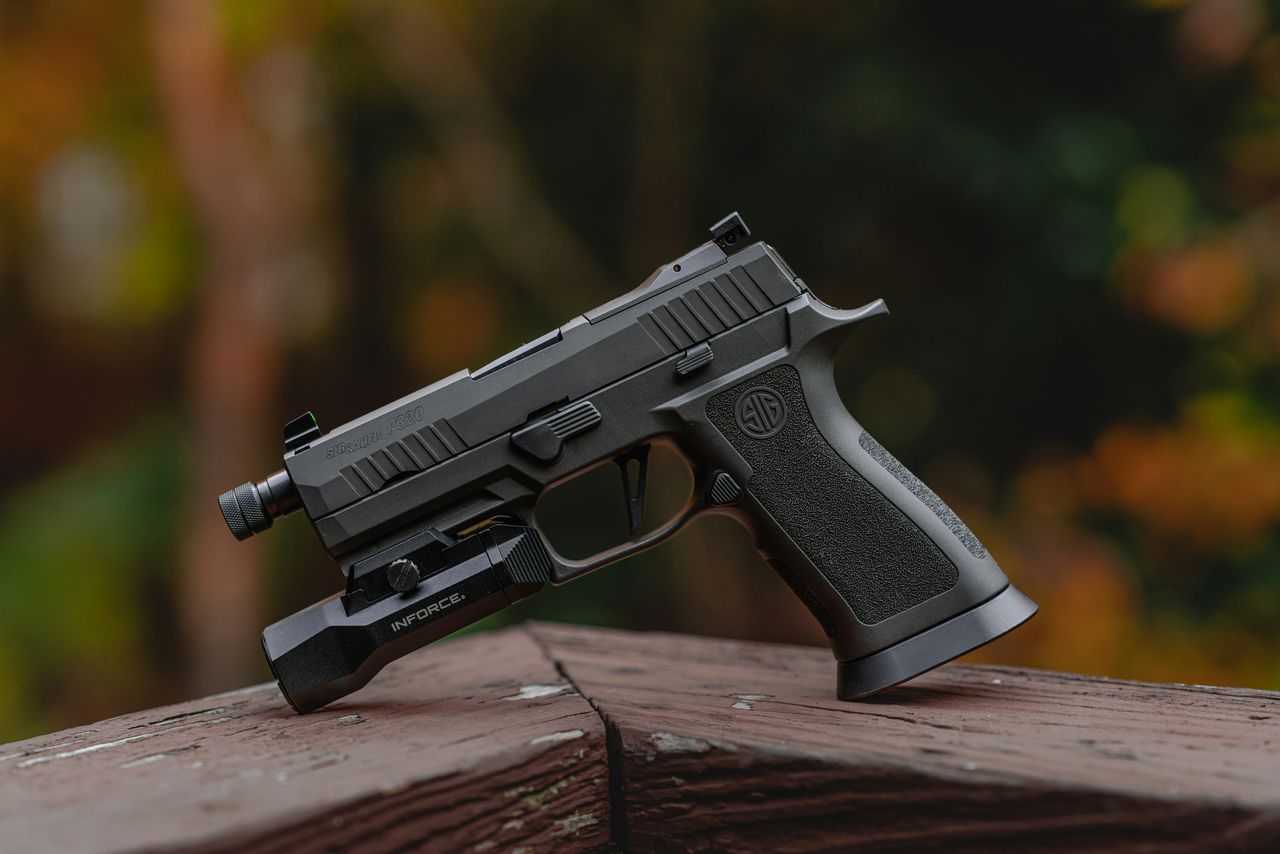
A blacked-out rear sight sounds almost too simple, yet many skilled shooters swear by it. By removing visual clutter from the rear notch, it becomes easier to keep attention where it belongs: on the front sight. That cleaner sight picture can feel surprisingly calming, especially on fast strings.
Shooters who found three-dot setups busy often say this change made their pistol more intuitive. The rear sight stops competing for attention, and the front blade pops harder, especially when paired with a bright insert. The result is a setup that encourages disciplined sight focus while still offering precise alignment when the target calls for a more careful shot.
Wider Rear Notch
One of the most praised performance tweaks is a rear sight with a slightly wider notch. It gives the front sight more breathing room, letting the shooter read alignment faster as the gun moves through recoil. That extra daylight on each side can make the sight picture feel more open and less cramped.
Veteran shooters often describe this as a speed-and-clarity upgrade rather than a dramatic redesign. The pistol still points the same way, but the eyes process the information faster. On practical drills and defensive-style presentations, that can mean less visual hesitation and more decisive shooting, especially for people who struggled with narrow factory notches.
Thin Front Sight Blade
A thinner front sight blade can make a pistol feel more precise without making it harder to use. On smaller targets or longer shots, the slimmer blade covers less of what the shooter is trying to hit. That alone can improve confidence, especially for people who felt their factory front sight looked bulky.
Experienced shooters often appreciate how this change sharpens accountability. The eye can call shots more clearly because the sight picture is less coarse. While a very thin blade is not perfect for every role, many enthusiasts say it gave them the clearest improvement in practical accuracy they had ever seen from such a small and affordable part.
Suppressor-Height Sights
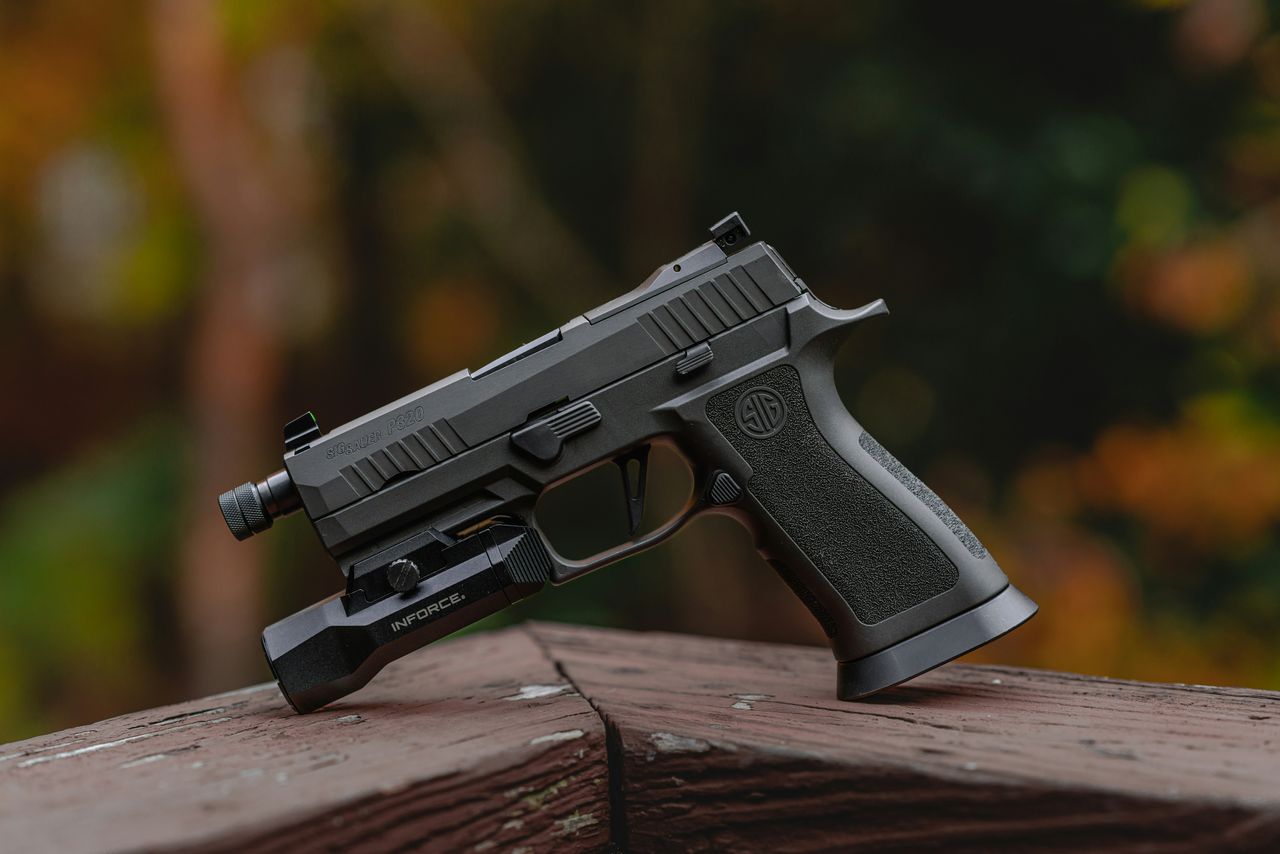
Suppressor-height sights are often chosen for a specific reason, but plenty of shooters end up loving them for more than that. Their taller profile can provide a more prominent visual index, and on some pistols they are simply easier to pick up during presentation, particularly for shooters with aging eyes.
They also open the door to future flexibility. If the owner adds a suppressor or a slide-mounted optic later, these taller sights may continue to serve as a useful backup reference. Experienced shooters who value redundancy tend to like that layered setup, especially when it delivers both immediate usability and a smoother path to later upgrades.
Serrated Sight Faces
Serrations on the front and rear sight faces do not look flashy, but they can reduce glare in bright conditions. That matters more than many new shooters expect. Under harsh sunlight or strong indoor lighting, a shiny sight can blur edges and distract the eye just enough to slow down clean alignment.
Seasoned shooters tend to notice these details because they have spent time fighting visual noise. Serrated sights keep the sight picture crisp, helping the shooter read the top edge and notch with less interference. It is a subtle refinement, yet many people report that once they use a good serrated set, plain glossy factory sights feel oddly unfinished.
Rear Sight with a U-Notch

A U-notch rear sight has a different visual feel from the traditional square notch, and that difference can click immediately for some shooters. The rounded shape tends to frame the front sight in a way that feels faster and more natural during presentation, especially at close to moderate distances.
Experienced users often say the benefit is rhythm. The front sight settles into the rear notch with less conscious effort, which can help on controlled pairs, transitions, and quick target work. It is not universally preferred, but for the shooters who connect with it, a U-notch often becomes one of those upgrades they wish they had tried years earlier.
Adjustable Target Sights

Adjustable target sights remain a favorite among shooters who care deeply about precision and load-specific zeroing. Being able to fine-tune windage and elevation lets the pistol print where the shooter expects, instead of forcing constant hold adjustments. For anyone chasing small groups, that control can be a revelation.
Experienced shooters often describe this upgrade as a trust builder. Once the gun is dialed in, misses become easier to diagnose because the sights are no longer a question mark. The setup may be less ideal for hard-use carry pistols, but on range guns, competition pistols, and dedicated target setups, adjustable sights can feel like unlocking the handgun’s full potential.
Optic-Ready Backup Iron Sights
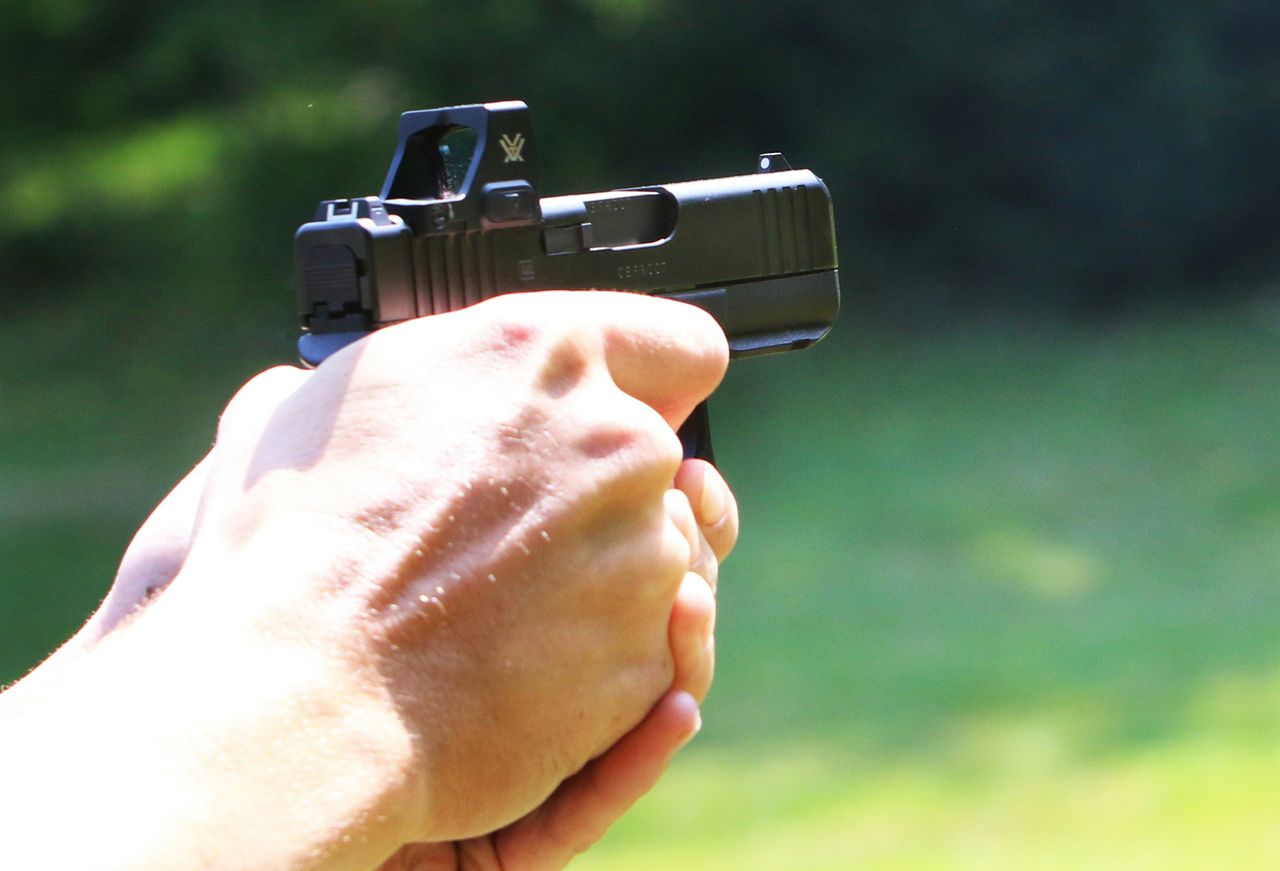
Even shooters who embrace red dots often insist that quality backup irons matter. A properly chosen set that co-witnesses well or sits just low enough to stay unobtrusive can make the whole pistol feel more complete. It adds reassurance without turning the sight picture into a crowded mess.
What experienced shooters like most is how this upgrade supports the system, not just the parts. The irons help with presentation, offer a fallback if the optic is compromised, and give the shooter another reference when confirming zero or refining technique. In that sense, these sights are less about nostalgia and more about practical confidence built into the pistol from the start.