Some gun stories sound too cinematic to be true. This is one of them, and it leads straight to the birth of the modern assault rifle.
The Legend Hidden in Bread
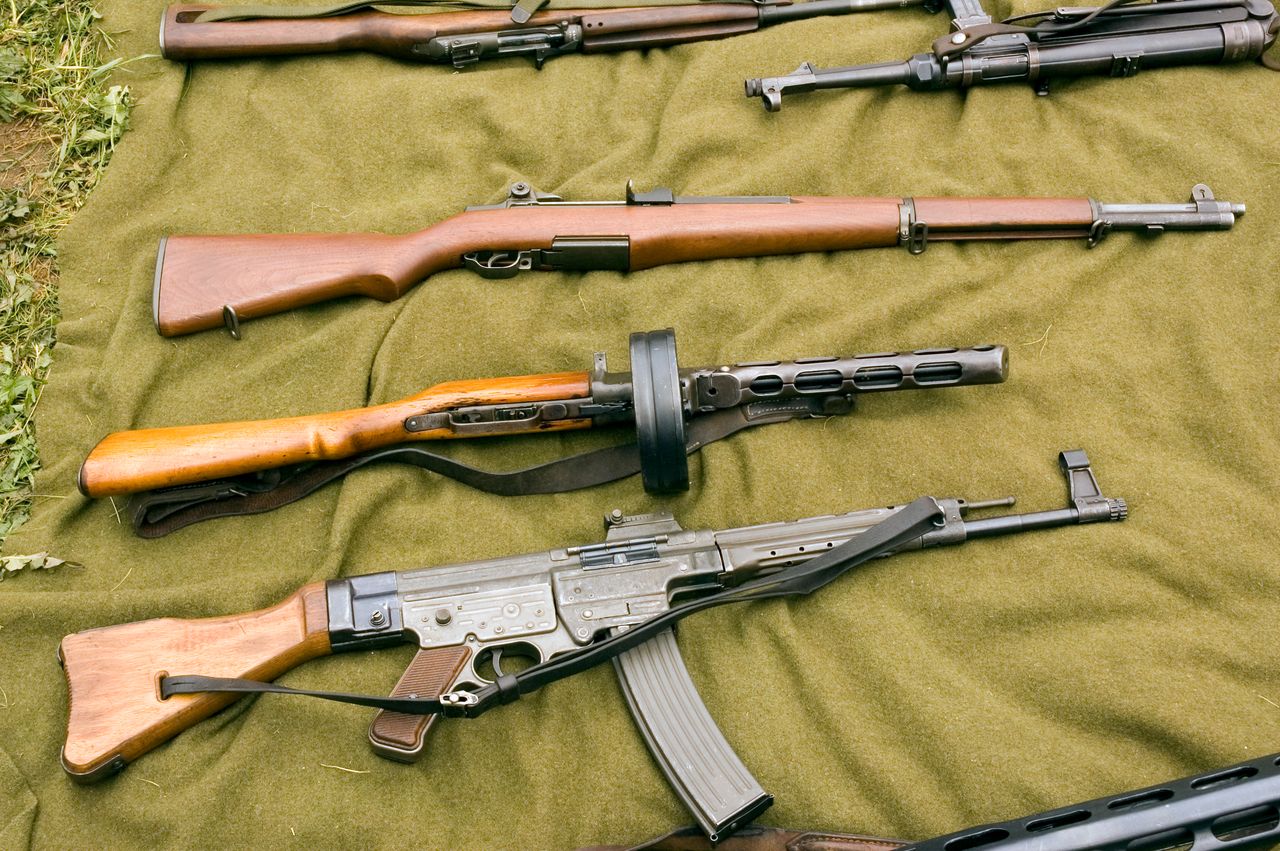
Among collectors and military historians, the rifle most often linked to the loaf-of-bread story is Germany’s StG 44. The tale usually goes like this: as the Third Reich collapsed, technical drawings for the weapon were smuggled away inside an ordinary loaf so they would survive capture, destruction, or both.
Hard proof for the bread detail is thin, and many historians treat it as apocryphal. What is not in dispute is that wartime blueprints, prototypes, and technical packets were treated like treasure in 1945, because small-arms design had become a race of industrial efficiency as much as battlefield performance.
That context matters. Whether the bread episode happened exactly as told, the story stuck because the design itself really was that important.
Why the StG 44 Mattered So Much
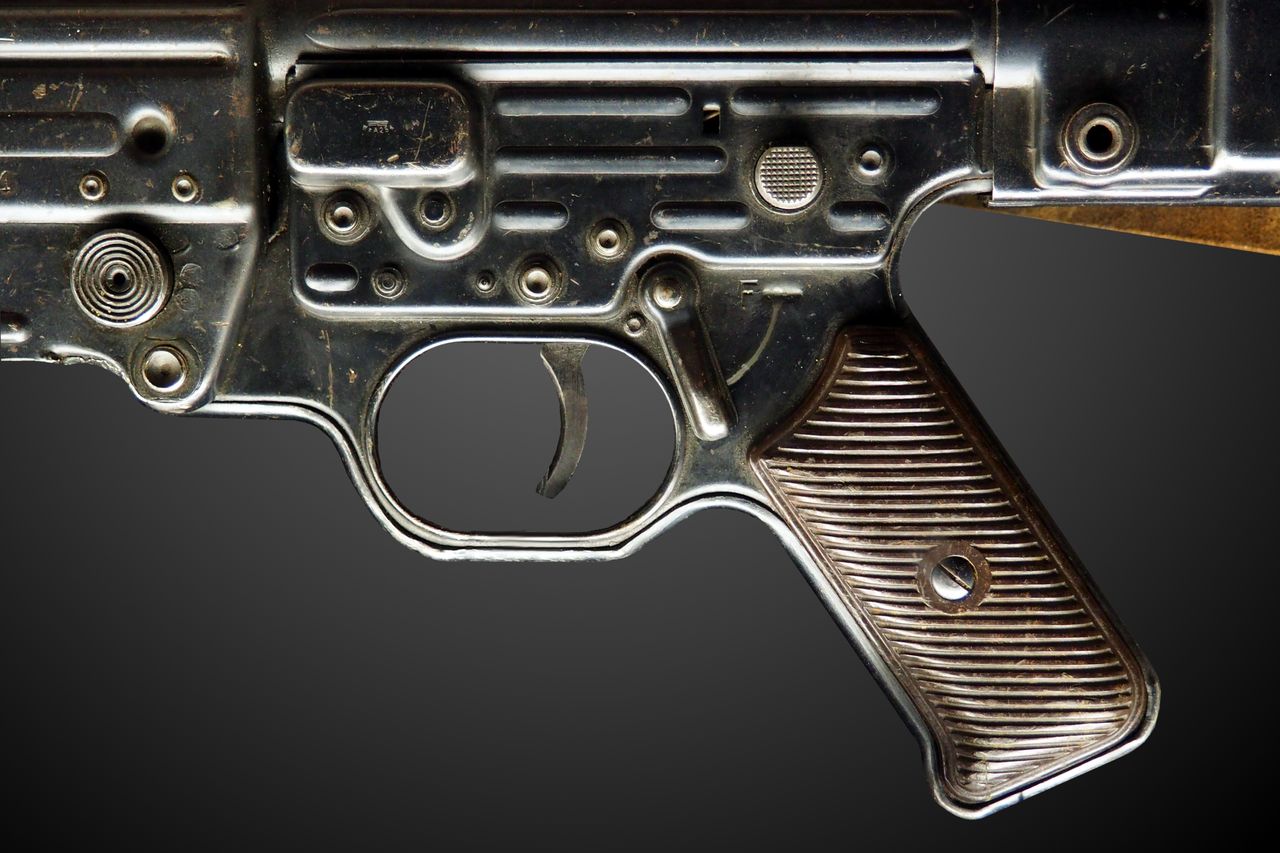
The StG 44, short for Sturmgewehr 44, was the first mass-produced rifle to fully embody what we now call the assault-rifle concept. According to Britannica and long-running military histories, it combined select-fire capability with an intermediate cartridge, giving infantry a practical middle ground between full-size battle rifles and submachine guns.
German designers had learned that most firefights happened well inside the long ranges for which traditional rifles were built. A lighter, shorter cartridge allowed controllable automatic fire and let soldiers carry more ammunition without the punishing recoil of standard rifle rounds.
That is why the rifle’s 7.92×33mm Kurz cartridge mattered as much as the gun itself. The idea was not just a new weapon, but a new way of thinking about infantry combat.
The Designers Behind the Breakthrough
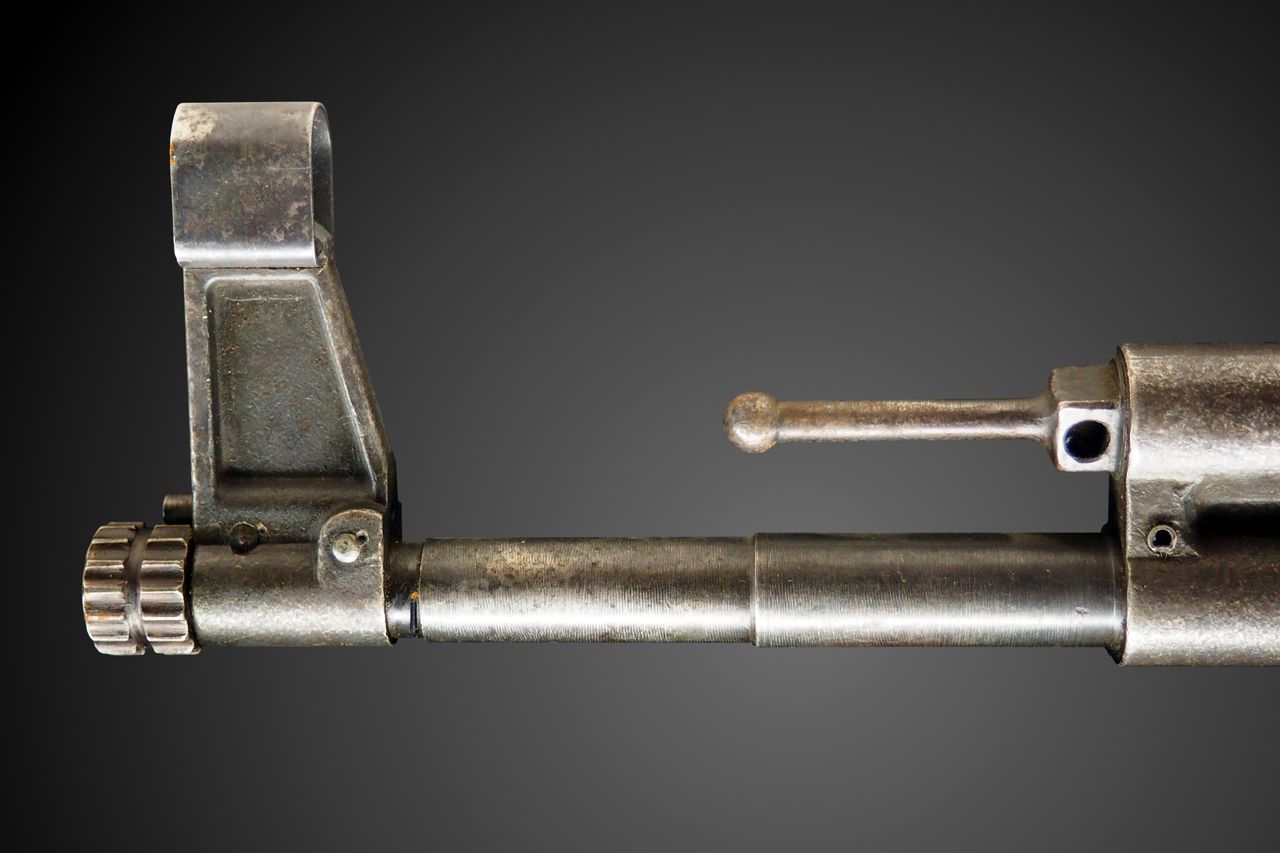
The StG 44 grew out of earlier Maschinenkarabiner development, especially the Haenel design associated with Hugo Schmeisser. The rifle evolved through names including MKb 42(H), MP 43, and MP 44 before ending up with the now-famous StG 44 designation late in 1944.
That renaming was partly politics. Hitler had initially resisted the program, and the weapon’s shifting labels helped keep development moving under less controversial descriptions until battlefield demand became impossible to ignore.
By the end, front-line reports were doing the selling. Commanders wanted more of the new rifles because they gave squads a serious boost in close- to mid-range firepower.
What Made It Different in the Field
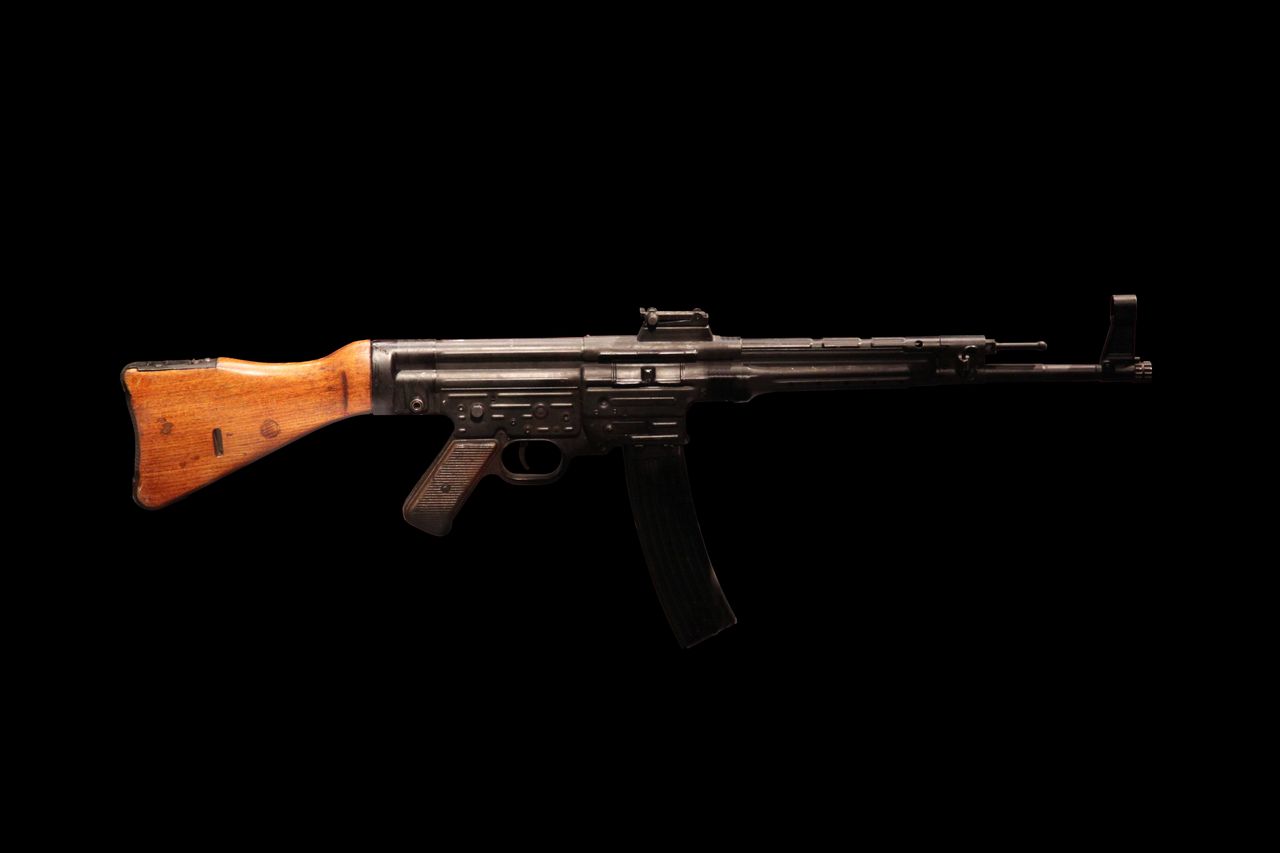
To a modern eye, the StG 44 looks familiar: box magazine, straight-line stock, pistol grip, and compact profile. In the 1940s, that package was a sharp break from the wood-and-steel long rifles that still defined most armies.
Its strength was versatility. A soldier could fire semi-auto with useful accuracy, then switch to full-auto when a fight collapsed into short-range chaos around tree lines, rubble, or trenches.
That flexibility was exactly what industrial war demanded. The rifle did not replace every battlefield role, but it narrowed the gap between submachine guns and traditional rifles more effectively than anything before it.
The Soviet Connection and the AK Debate
No discussion of the StG 44 stays away from the AK-47 for long. The external resemblance is obvious, and Soviet authorities did study captured German arms, parts, and technical documents after the war.
Historical records show the Soviets seized large quantities of German material, and Hugo Schmeisser himself ended up working in Izhevsk after 1945. That has fueled decades of debate over how direct the StG 44’s influence was on Mikhail Kalashnikov’s later rifle.
Most serious historians draw a careful line here. The AK-47 was not a simple copy, but the StG 44 clearly helped validate the intermediate-cartridge rifle concept that the Soviets then pursued with enormous success.
Why the Bread Story Endures
The loaf-of-bread anecdote survives because it captures the desperation of the war’s final months. When factories were bombed, fronts were collapsing, and occupying armies were sweeping up technology, hiding plans in something as ordinary as bread sounds both absurd and perfectly believable.
It also reflects a broader truth: blueprints can matter as much as finished guns. A rifle can be captured, but drawings explain tolerances, production shortcuts, and design intent in ways a battlefield pickup never fully can.
That is why stories like this cling to famous weapons. They turn engineering history into human drama, and in this case the engineering was world-changing.
The Rifle’s Real Legacy Today
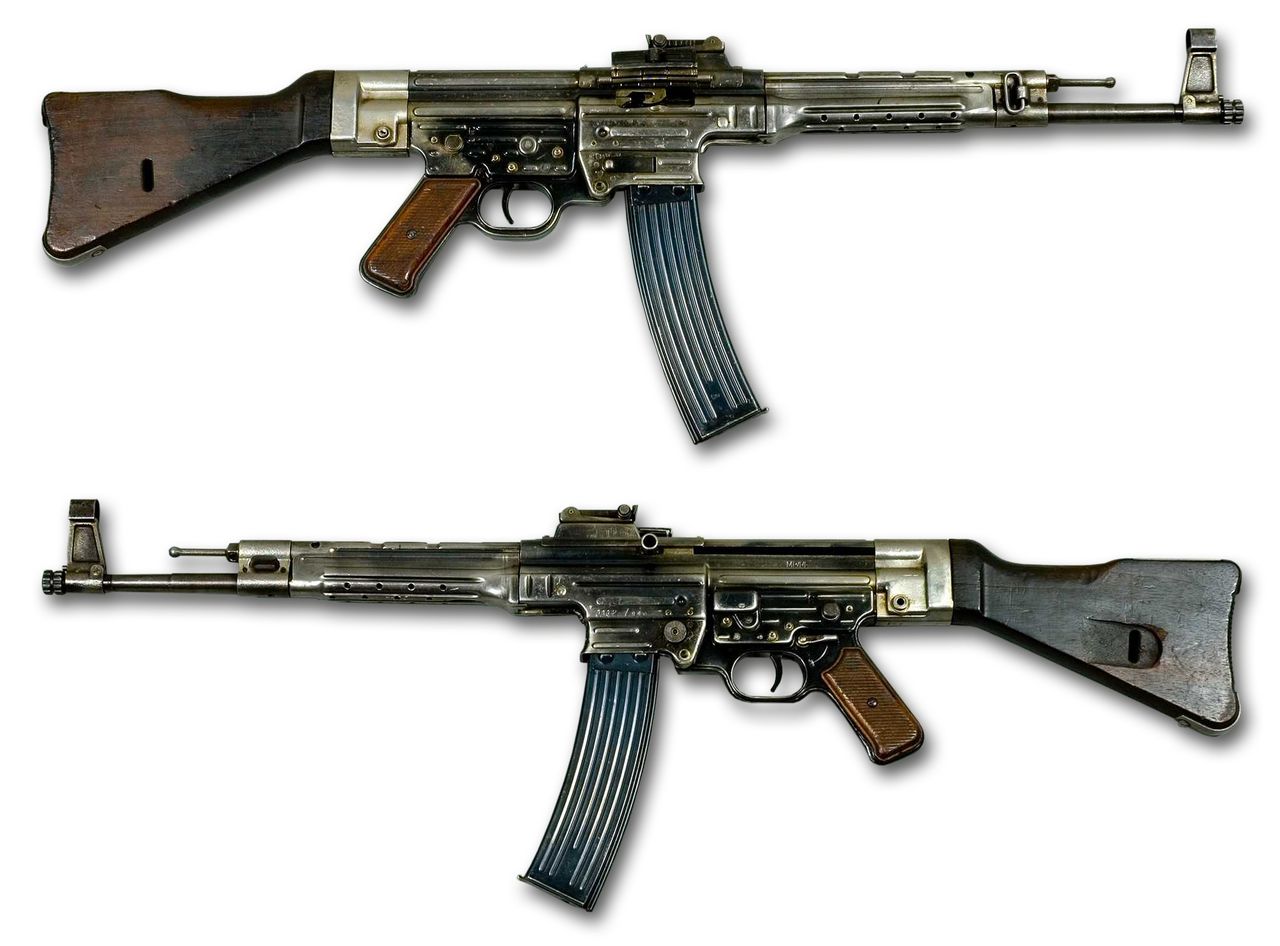
The StG 44’s lasting importance is bigger than any single smuggling tale. It helped define the template for the modern infantry rifle: controllable fire, practical range, compact handling, and ammunition suited to real combat distances rather than theory.
You can see its fingerprints across the second half of the 20th century, from Soviet doctrine to NATO debates over cartridge size and rifle weight. Entire families of military arms were shaped by the same logic the StG 44 proved under wartime pressure.
So was there really a blueprint hidden in a loaf of bread? Maybe. But even if the bread turns out to be legend, the rifle’s place in history is absolutely real.