Reloading can reduce ammunition costs, but the savings disappear quickly when poor quality control enters the process. A damaged case, unidentified component, distracted operator, or unexplained result can create problems that extend far beyond one defective cartridge. The barrel is not always the first thing affected, but excessive pressure or a serious ammunition defect can cause expensive firearm damage and create a dangerous situation. These 9 mistakes highlight the safety-focused checks that matter most when reloading.
1. Ignoring Case Damage

A worn or damaged case can turn a cost-saving reload into a barrel-damaging event. Cracks, deep scratches, loose primer pockets, or badly distorted cases deserve attention before any reuse. Sorting brass under good light and rejecting questionable pieces is a basic quality-control step. Even after only 1 cycle, a case can show damage from previous use, poor storage, or rough handling. Never treat every piece of brass as automatically reusable. Good light makes small defects easier to spot.
2. Mixing Components Without Checking

Reloading depends on components being compatible, identified, and handled according to their published specifications. Mixing unidentified powder, primers, bullets, or cases creates uncertainty that can become dangerous very quickly. A container that looks familiar is not enough evidence of its contents. Keep components in their original labeled packaging and stop if identification is unclear. Even 1 mistaken component can create a serious pressure problem. Maintaining a traceable process means every component and decision can be accounted for.
3. Chasing Maximum Performance
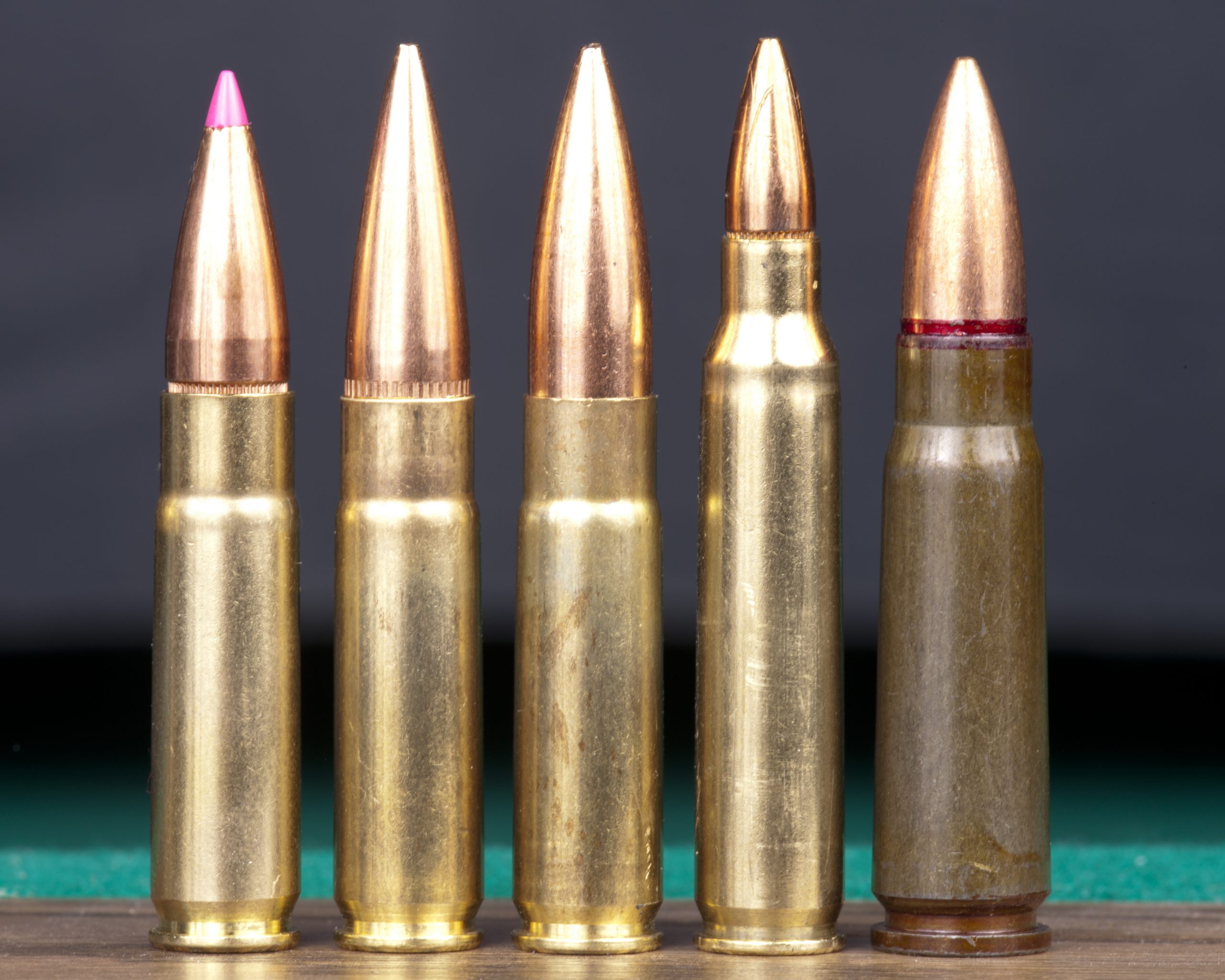
Trying to squeeze the highest possible performance from a cartridge can erase the financial advantage of reloading. Pressure rises can become difficult to recognize before damage occurs, and a load that works in one firearm is not automatically appropriate for another. Published data should be treated as a safety boundary, not an invitation to experiment beyond it. Even a small change in a component can matter. If the goal is dependable ammunition, consistency and conservative practice are more valuable than chasing the last 1 percent of velocity.
4. Overlooking Powder Identification
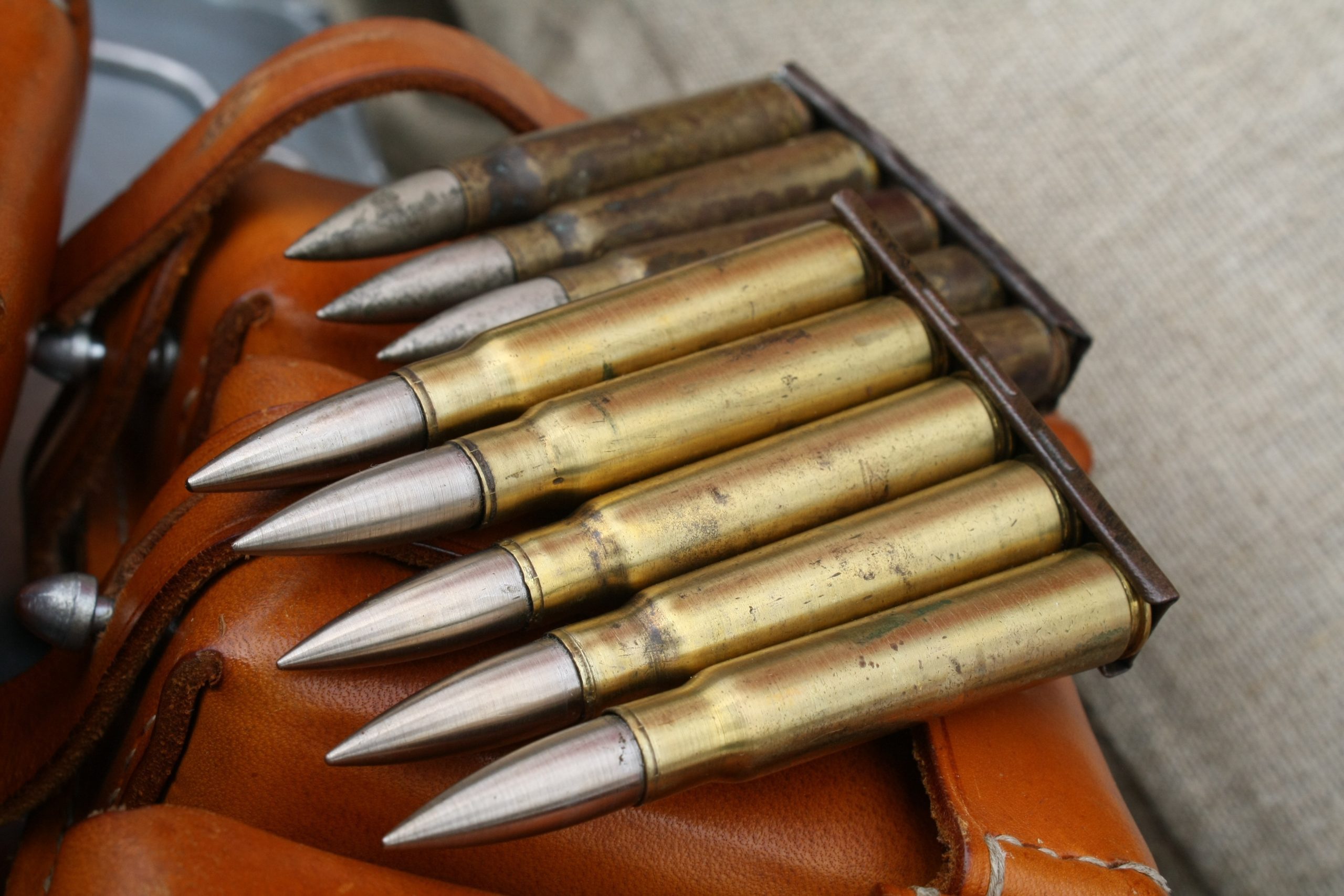
Powder should never be identified by appearance, smell, or memory. Different powders can look remarkably similar while behaving very differently when fired. A mistaken substitution can produce an unsafe pressure condition, potentially damaging a firearm and injuring someone nearby. Keep only 1 clearly identified powder container open at the bench, and return it to storage before starting another task. If there is any doubt about what is in a container, do not guess. The safest response to uncertain identification is to stop and follow the manufacturer’s disposal or safety guidance.
5. Neglecting Equipment Inspection

A reloading setup is only as reliable as the equipment supporting it. Presses, dies, shell holders, scales, and other tools can loosen, wear, or become contaminated over time. A small mechanical problem may produce inconsistent ammunition that is difficult to diagnose later. Inspect equipment before each session and pay attention to unusual resistance, movement, damage, or measurement changes. A routine check taking 5 minutes can prevent hours of troubleshooting. Replace damaged equipment rather than improvising a repair that could affect cartridge dimensions or component handling.
6. Trusting a Single Measurement

One reading should not automatically be treated as proof that every cartridge is correct. Scales can drift, measuring equipment can be misused, and human error can introduce variation. Good reloading practice includes independent checks and attention to consistency rather than relying on memory. If a measurement suddenly differs from previous results, stop and investigate before continuing. A difference of only 1 unnoticed error can affect an entire batch. Keep records of the equipment, components, and checks used during a session so unusual results can be traced instead of guessed at later.
7. Skipping Final Cartridge Checks

A cartridge can appear finished while still having a problem that should have been caught before it reaches the firearm. Inspecting the case, primer area, bullet seating, and overall condition provides one final opportunity to identify an obvious defect. This is especially important when working with a larger batch, because a single process mistake can be repeated many times. Set aside anything questionable instead of trying to make it fit. A final inspection may take only a few seconds per round, but it can prevent a defective cartridge from becoming a much more serious problem.
8. Reloading When Distracted

Reloading demands focused attention because several components and measurements may be handled during the same session. Phones, conversations, fatigue, alcohol, and interruptions can make it easier to lose track of what has already been checked. If concentration breaks, stop the session and clearly mark the work before leaving the bench. Even 1 interruption can leave uncertainty about what was already checked. Treat reloading like other precision work: when attention is no longer reliable, continuing is not worth the risk. Keep the bench quiet, orderly, and free from avoidable interruptions.
9. Failing to Stop After an Abnormal Result
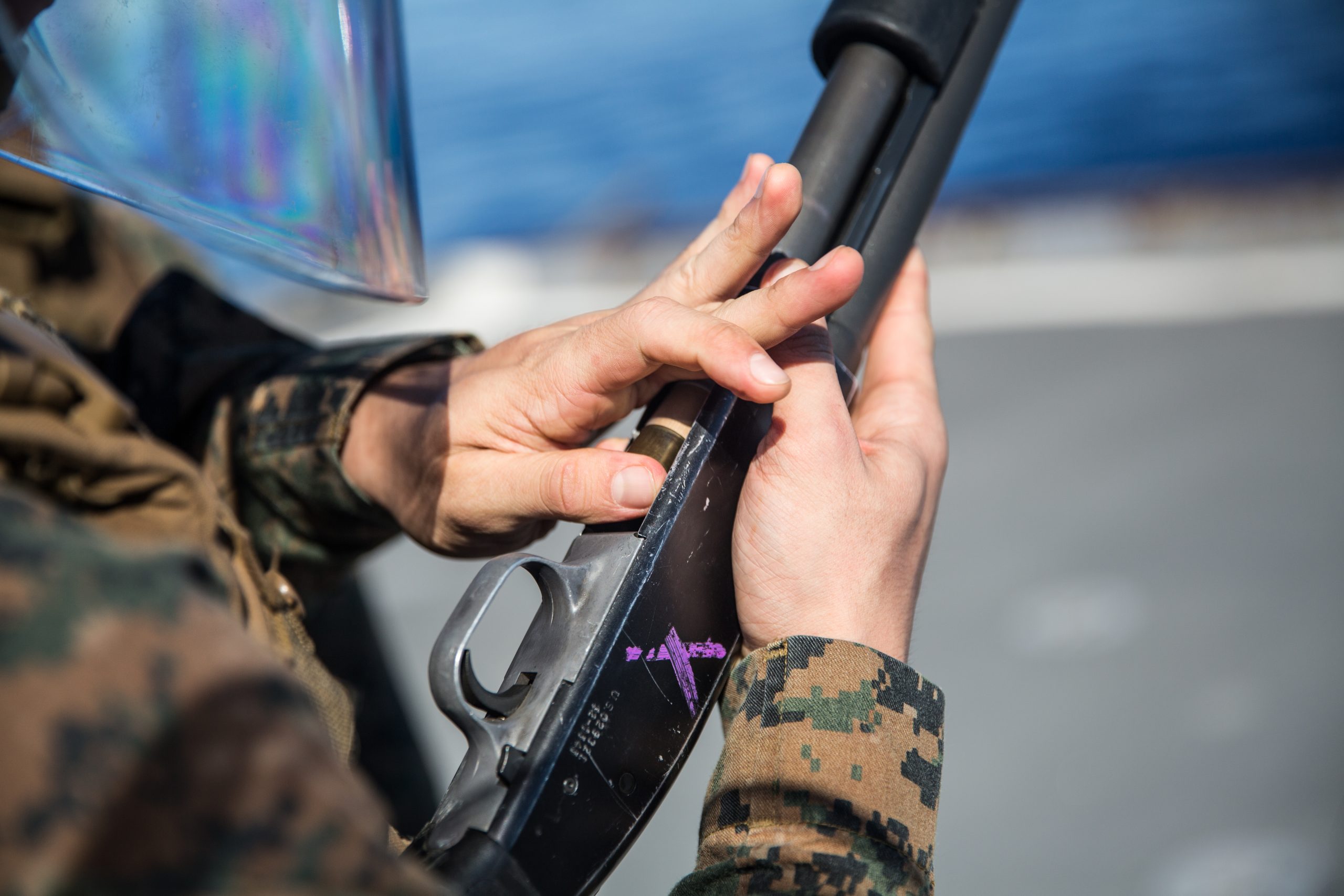
An unusual result should never be dismissed simply because the firearm appears to function normally. Difficult operation, unusual sound, visible damage, or another unexpected sign is a reason to stop and investigate. Continuing for another few rounds can make a developing problem harder to isolate and potentially more serious. Separate questionable ammunition from known-good ammunition and consult qualified guidance before resuming. A reload that avoids wasting components is not a bargain if it leads to a damaged firearm, ruined barrel, or preventable injury.