Some rifles get remembered because they were common. The Winchester Model 61 gets remembered because it was genuinely good.
It arrived at exactly the right moment
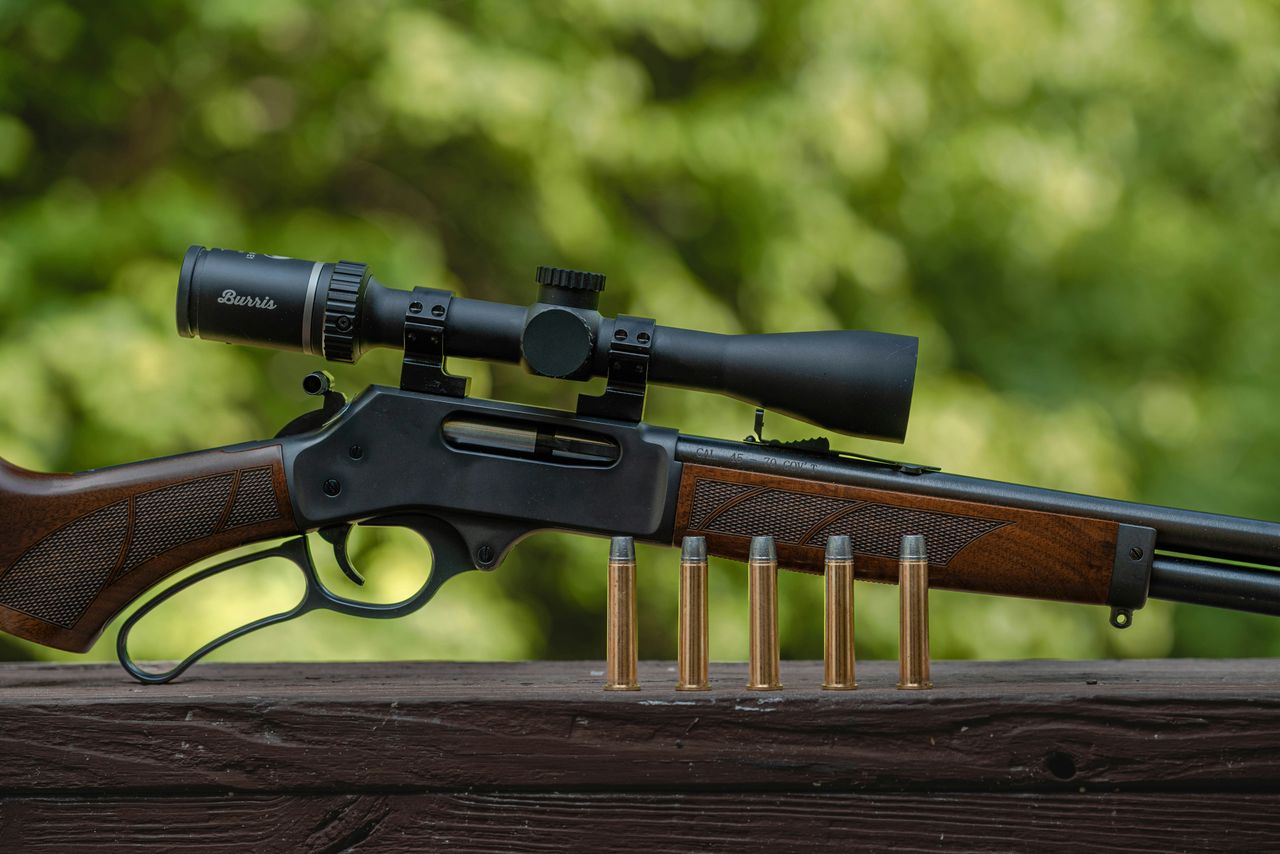
Winchester introduced the Model 61 in 1932 as a hammerless slide action rimfire, answering demand for a sleeker pump .22 than earlier exposed hammer designs. The National Firearms Museum notes that the rifle was built as a tube magazine repeater for smokeless cartridge ammunition, which placed it squarely in the mainstream of practical American field use.
That timing mattered. Small-game hunters wanted a light rifle that could ride in a truck, rest behind a kitchen door, or tag along on a squirrel hunt without fuss. The Model 61 fit that role beautifully.
Production stretched into the early 1960s, with Winchester factory reference material showing the model discontinued in 1963 and total production reaching 342,001. That is a healthy number, but not so huge that the rifle ever felt ordinary.
The action is a big part of the magic
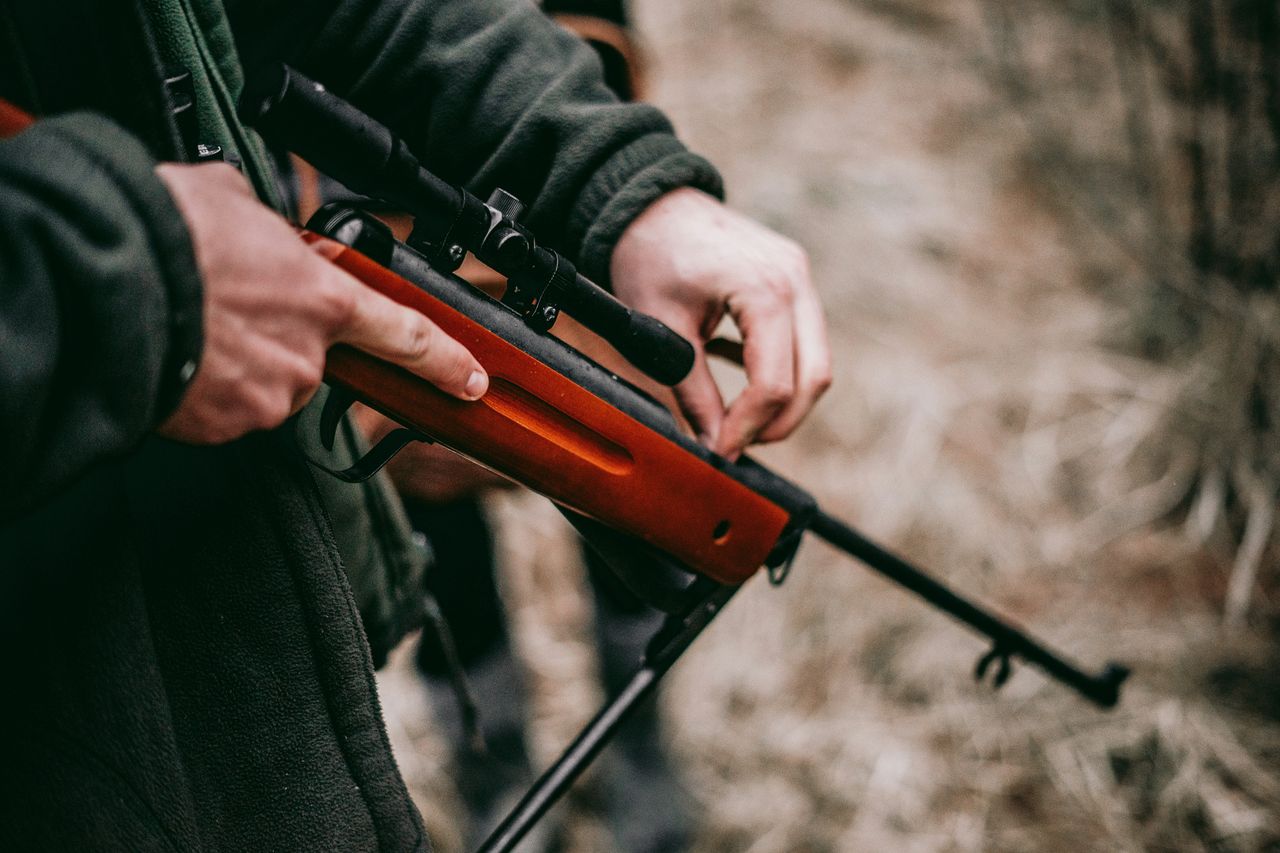
The first thing enthusiasts usually mention is how smooth the gun feels. A good Model 61 has that polished, glassy pump stroke that makes follow-up shots quick without feeling loose or rattly.
For rabbit woods, creek bottoms, and hedgerow hunting, that matters more than people think. Small game rarely waits around while you fumble a stiff action. The Winchester lets a shooter stay on the target and run the rifle almost by instinct.
Its hammerless profile also keeps the gun trim and clean in the hand. Nothing protrudes where brush, coat sleeves, or gloved fingers might snag. In the real world, those little handling details are often what separate a merely nice rifle from a favorite.
It was built for the cartridges people actually used
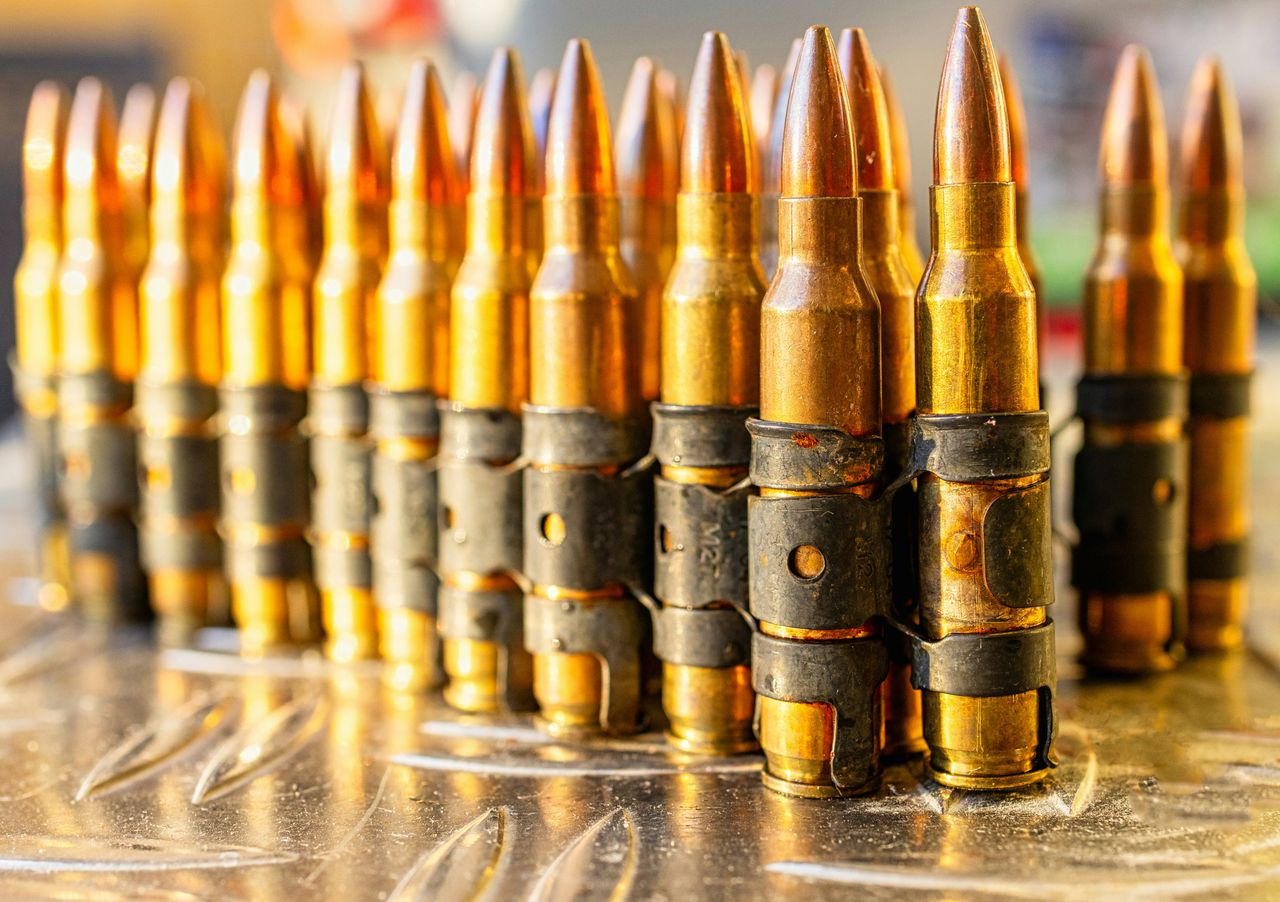
One reason the Model 61 worked so well in the field was its practical chambering. Versions were made for .22 Short, .22 Long, and .22 Long Rifle, and some were chambered for .22 WRF, giving buyers options tied to how they hunted and what ammunition they kept around.
That flexibility made the rifle more than a one-job tool. A farmer could use quiet .22 Shorts for pests, then move to .22 Long Rifle loads for squirrels or rabbits where a little more reach helped.
In a period when one rimfire often had to do everything, that kind of usefulness mattered. The rifle was not trying to be specialized. It was trying to be ready, and that is exactly why small-game hunters took to it.
Accuracy and balance sealed the deal

The Model 61 is not beloved only because it is nostalgic. It is beloved because it points naturally and shoots well enough to make offhand field shots feel realistic rather than hopeful.
A rimfire for small game needs practical accuracy, not just benchrest bragging rights. Hitting a squirrel’s head through hardwood branches or slipping a shot onto a rabbit moving along cover demands a rifle that balances quickly and settles fast.
The Winchester’s trim lines helped there. With its slim fore-end, straightforward iron sights, and lively weight, it handled like a rifle meant to be carried all day. That easy carry-to-shot transition is a major reason experienced hunters still praise it so highly.
Durability gave it a long second life
Another reason the Model 61 stayed in circulation is simple: it held up. Many examples still function decades after leaving New Haven, which says a lot about the fit, machining, and materials Winchester put into the design.
Collectors care about originality, but hunters have always cared about serviceability. A rifle that keeps feeding, extracting, and shooting after years of farm duty earns trust the hard way.
That durability also explains today’s market interest. Blue Book listings show values varying widely by condition and configuration, with originality, finish, and caliber affecting price. In other words, people are not just buying an old pump .22. They are buying a rifle with a reputation for lasting.
Why it still matters to hunters and collectors
The Model 61 sits in a sweet spot between usefulness and craftsmanship. It is refined enough for collectors to admire, but practical enough that hunters instantly understand why earlier generations loved it.
It also represents a style of rimfire design that feels increasingly rare. Modern rifles can be excellent, but many do not offer the same polished steel, walnut, and hand-fitted character that made the Winchester feel personal.
That is why the Model 61 remains a small-game favorite. It carries well, cycles beautifully, and does exactly what a field rimfire should do. When a rifle combines speed, balance, and trustworthiness like that, it never really goes out of style.