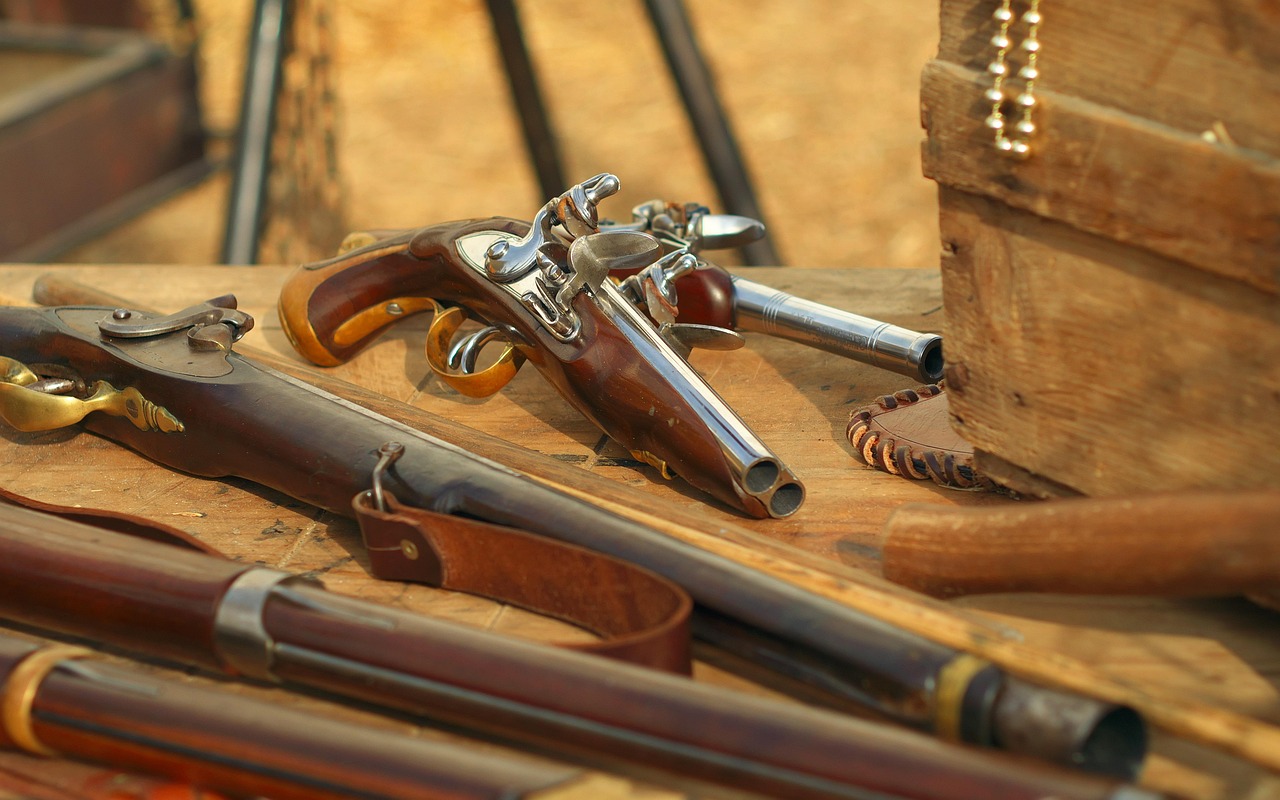
Lever-action pistols occupy a fascinating corner of firearms history, blending Old West romance with inventive engineering. They are rarer than rifles and often overshadowed by revolvers and semiautomatic handguns, yet several models offer serious collector appeal and plenty of personality. This gallery highlights eight lever-action pistols that deserve a second look from enthusiasts and the merely curious alike.
Volcanic Repeating Pistol
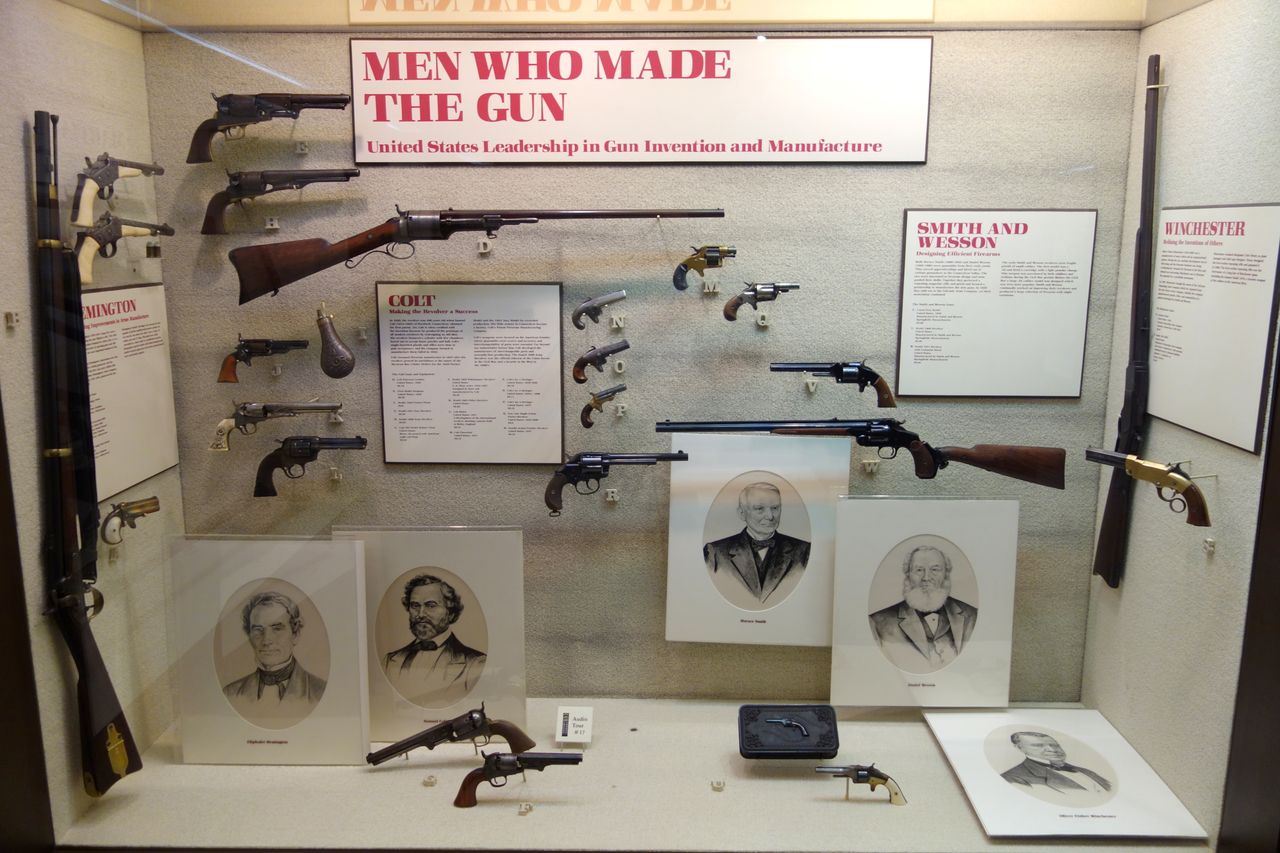
If you want to trace the roots of the lever-action idea in handgun form, the Volcanic Repeating Pistol is where the story gets interesting. Built in the 1850s, it feels like a missing link between early repeating firearms and the lever guns that later became icons of the American frontier.
Its hollow-based Rocket Ball ammunition limited real-world performance, which helps explain why it never became a dominant sidearm. Still, the design was bold for its day, and its mechanical layout pointed directly toward later Winchester success. For collectors and history buffs, that makes the Volcanic far more important than its modest reputation suggests.
Smith & Wesson Model 1854 Volcanic Pistol
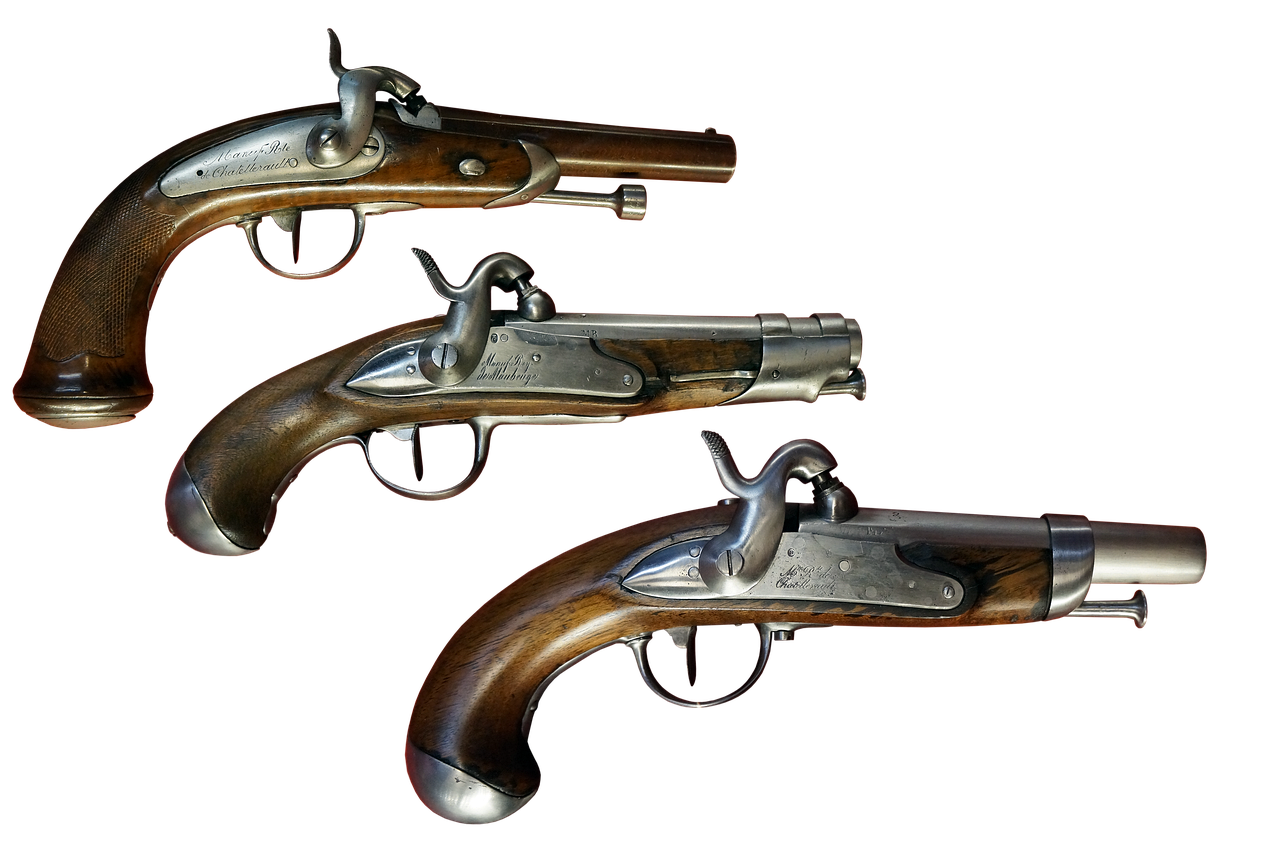
The Smith & Wesson connection gives this early lever-action pistol extra intrigue, especially for anyone who knows the company mainly through revolvers. Before the brand became synonymous with swing-out cylinders and double-action classics, it was involved in one of the more experimental chapters of repeating handgun development.
That backstory alone makes surviving examples worth attention, but the appeal goes deeper than the name on the barrel. These pistols capture a moment when American gunmakers were still feeling their way toward practical repeaters. They may be transitional designs, yet transitional pieces often reveal the most about how innovation really happens.
Evans Repeating Pistol Prototype
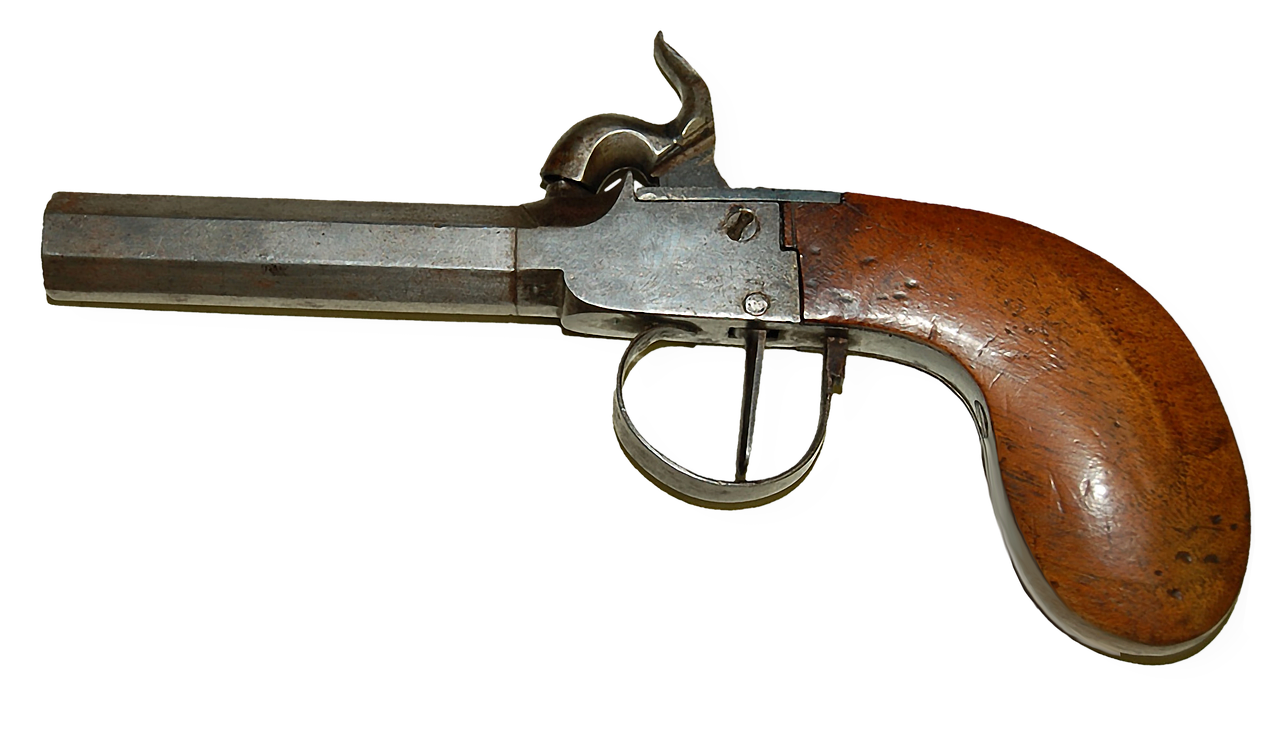
The Evans system is usually remembered for its unusual repeating rifles, but prototype pistol concepts tied to that mechanism deserve more conversation. Even in a field crowded with eccentric 19th-century ideas, Evans stood out for its helical magazine and its willingness to rethink how repeaters could be fed and cycled.
That ambition is exactly why enthusiasts remain fascinated by any handgun form connected to the design. It was not a mainstream success, and that is part of the charm. Lever-action pistol history is full of roads not taken, and an Evans-related prototype represents one of the most imaginative detours in the entire category.
Burgess Folding Shotgun Pistol Variant
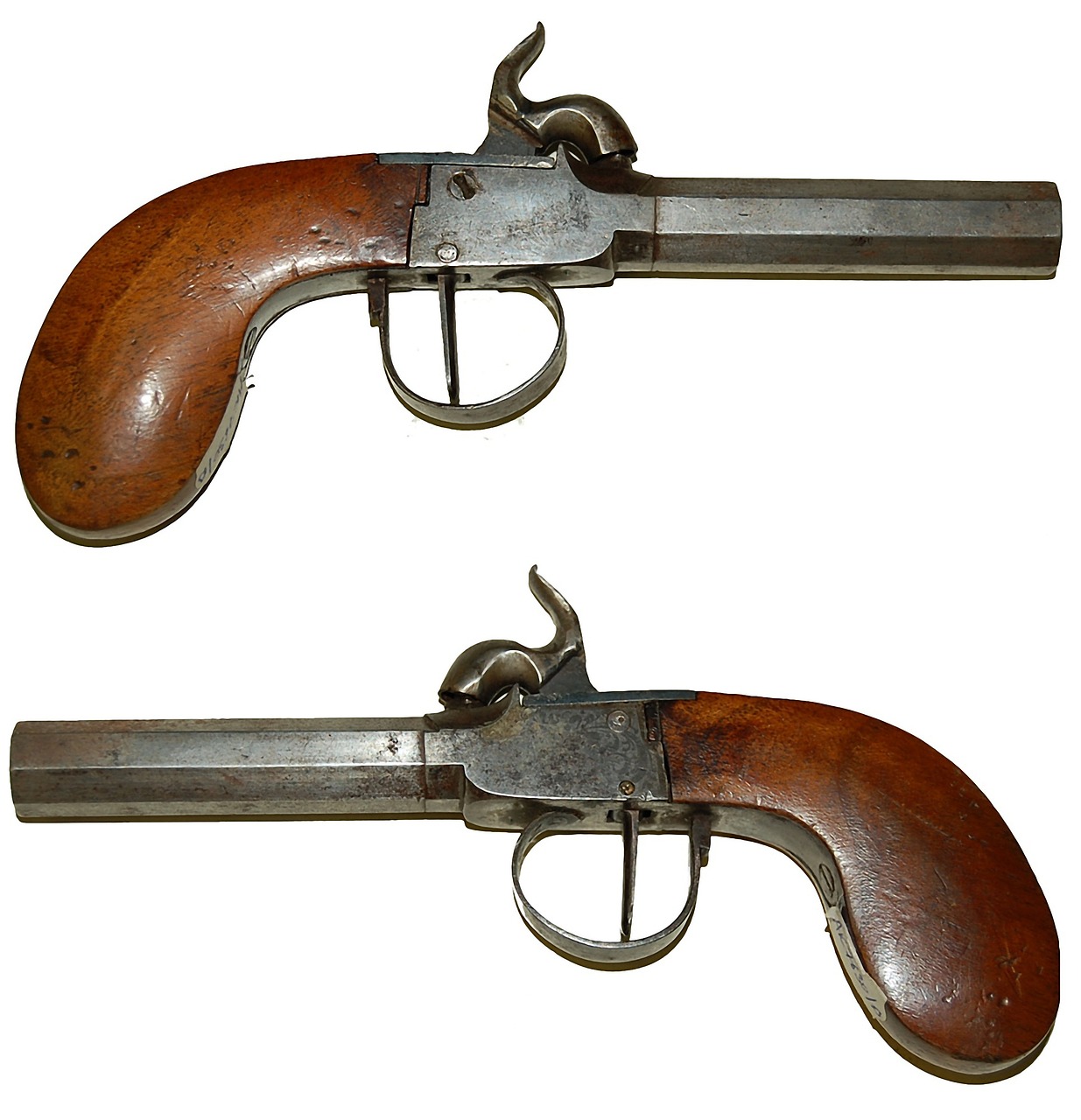
Andrew Burgess had a talent for unconventional thinking, and any compact lever-driven handgun variant linked to his work instantly earns a closer look. Burgess designs often balanced portability with mechanical cleverness, creating firearms that feel both practical and a little ahead of their time.
What makes these lesser-known variants so compelling is how they challenge our expectations of what a lever-action handgun should be. Instead of simply shrinking a rifle action, Burgess explored different forms and uses. That experimental spirit gives these obscure pieces a special place among collectors who appreciate firearms history beyond the usual headline names.
Mare’s Leg Custom Pistol

The Mare’s Leg is probably the most recognizable lever-action pistol style in popular culture, thanks largely to television and western nostalgia. Strictly speaking, it began life as a chopped-down lever gun rather than a purpose-built handgun, but its profile has become iconic enough to earn its own lane in the conversation.
Custom builders and manufacturers have kept the concept alive with polished wood, short barrels, and eye-catching finishes that make it as much a statement piece as a shooter. It deserves more respect because it proves lever-action pistols are not just historical curiosities. In the right hands, they still spark imagination in a very modern way.
Chiappa Mare’s Leg
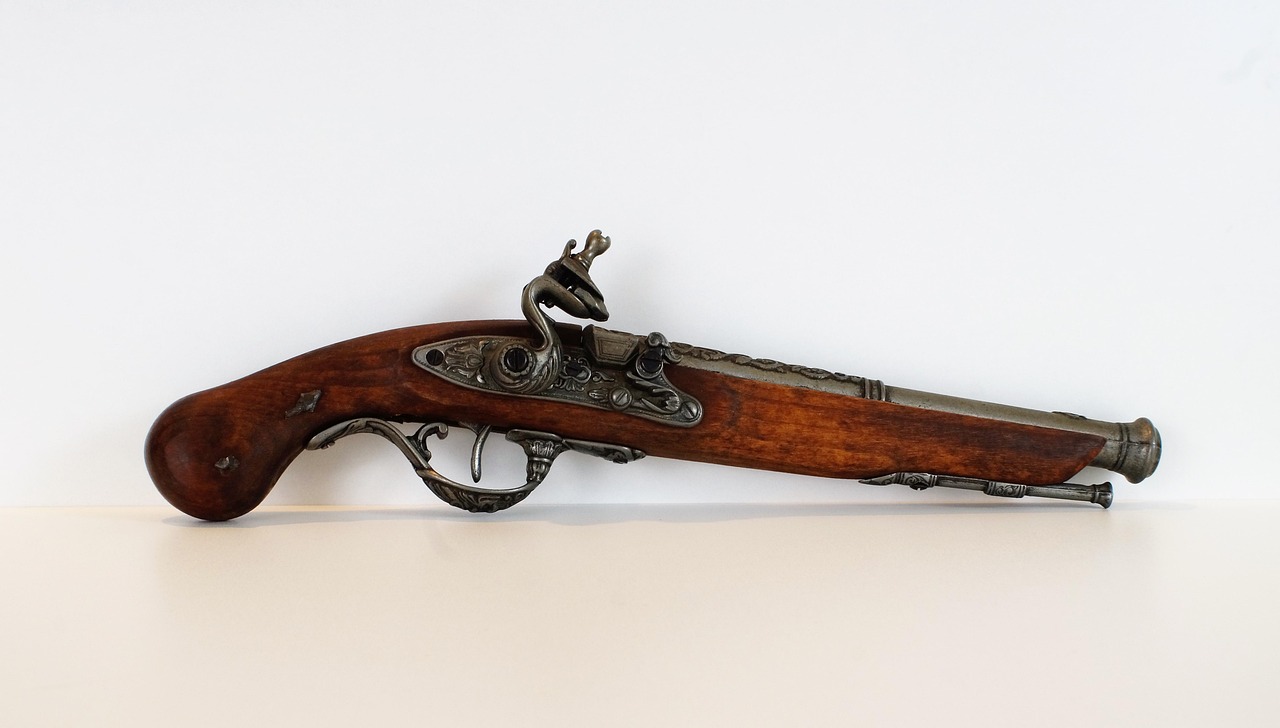
Chiappa did more than revive a famous silhouette. It helped turn the Mare’s Leg from a novelty remembered by old TV fans into a production firearm that new buyers could actually experience. That matters, because many people only become interested in unusual platforms once they can handle a modern example rather than just admire one in a book.
The Chiappa version leans into style, but it also highlights how compact lever guns can be genuinely fun range pieces. It is not the obvious choice for every shooter, and it does not need to be. Its real strength is reminding people that firearms culture has room for personality, heritage, and a little theatrical flair.
Rossi Ranch Hand
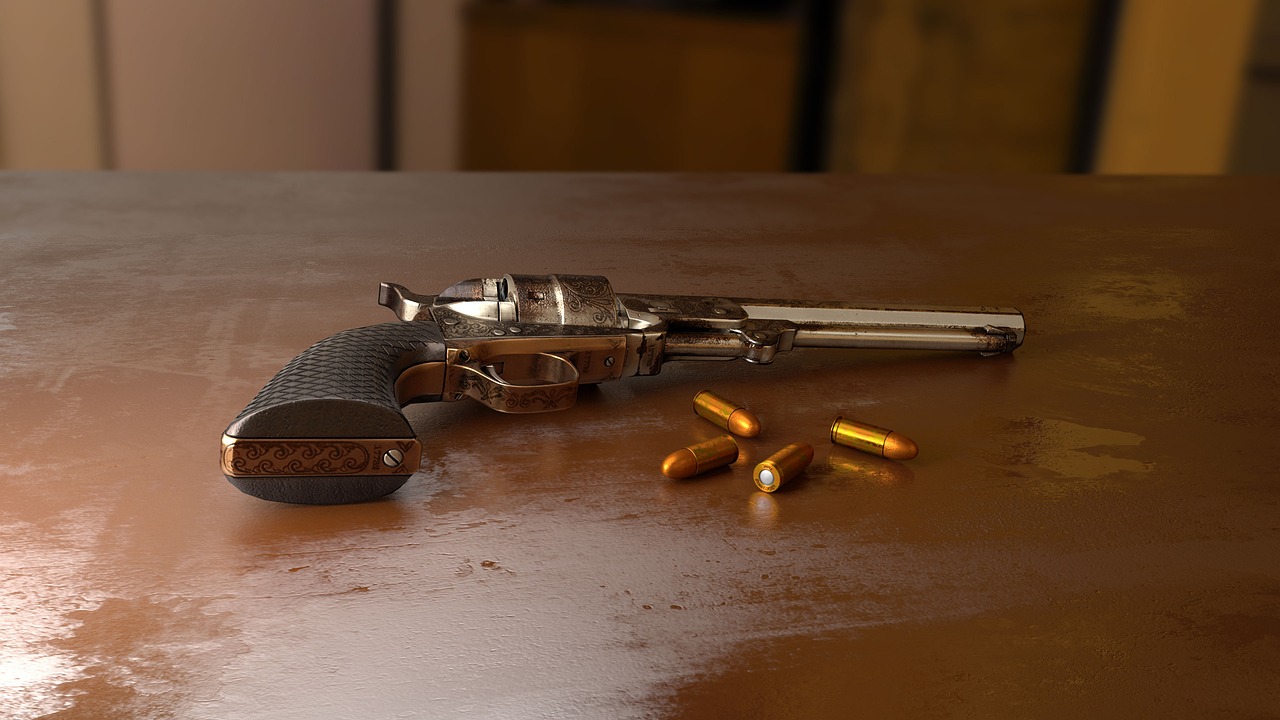
Rossi’s Ranch Hand brought the lever-action pistol concept to a wider audience by offering a relatively accessible take on the format. It carries the same compact western energy people expect, but with a price point and availability that made it easier for average enthusiasts to step into this niche.
That accessibility is a big reason it deserves more attention. Not every interesting firearm has to be rare, antique, or expensive to matter. The Ranch Hand helped normalize the idea that lever-action pistols could be practical fun for collectors, ranch-style gun fans, and casual shooters who wanted something different from the standard handgun lineup.
Henry Mare’s Leg

Henry’s take on the Mare’s Leg formula brings strong fit and finish to a category that can sometimes lean too heavily on novelty. With polished brass or blued steel options and the brand’s familiar attention to presentation, it gives the lever-action pistol concept a refined, almost heirloom quality.
That polish helps explain why it stands out in a crowded field of western-inspired firearms. The Henry version feels less like a gimmick and more like a deliberate celebration of American gunmaking tradition. For buyers who want mechanical charm with modern manufacturing confidence, it makes a convincing case that lever-action pistols still have real appeal beyond the display rack.