Some rifles are bought with the head. The Marlin 336 is the one generations of deer hunters kept choosing with both head and heart.
It Was Built for Real Deer Woods
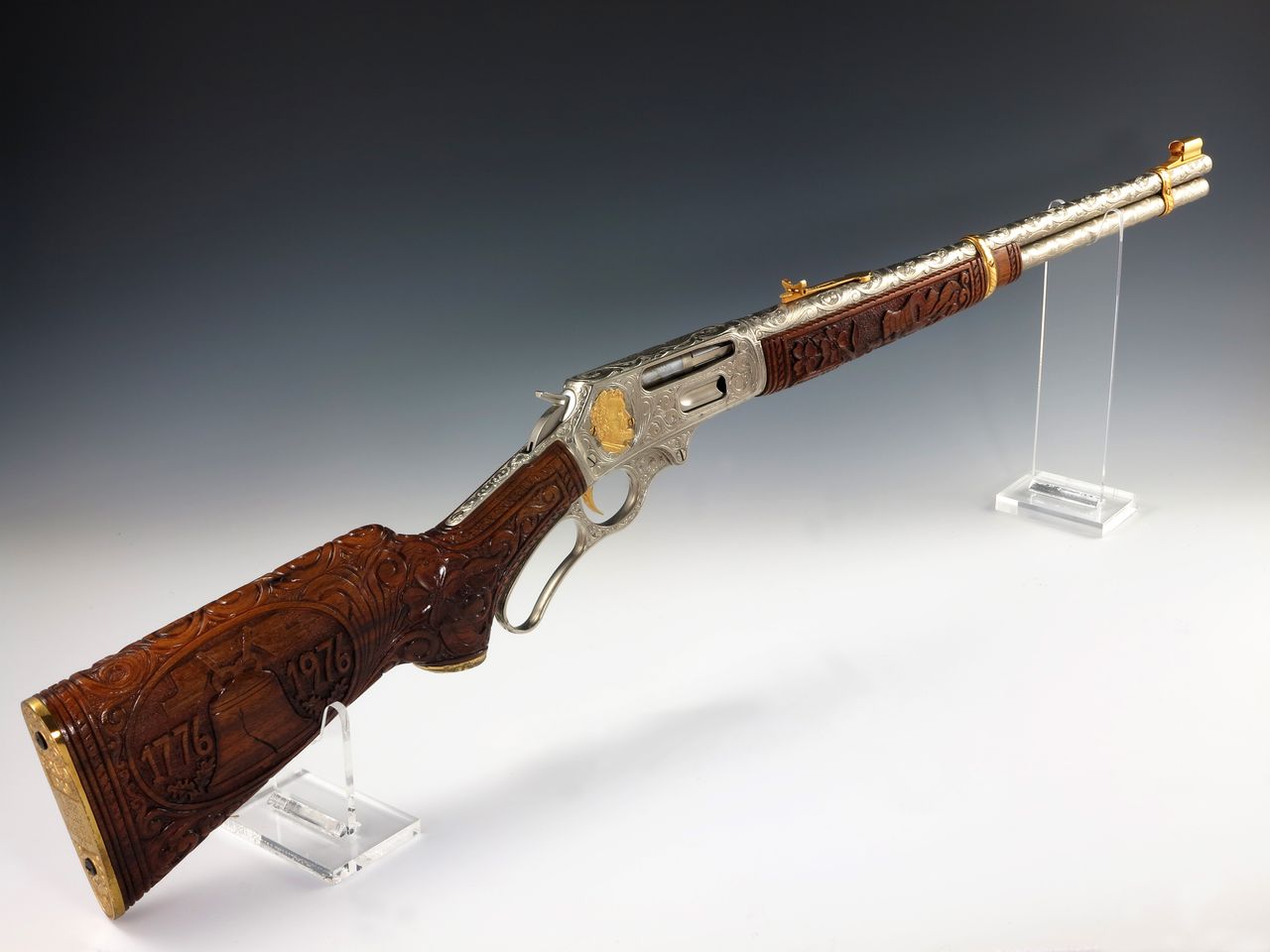
The Marlin 336 has been around since 1948, and more than four million have been sold over the decades. That matters because rifles do not stay in circulation that long unless they solve a real hunting problem. The 336 did exactly that for hunters who spend their seasons in hardwood ridges, creek bottoms, and brushy timber.
This is not a mountain long-range rifle, and it never pretended to be. It is a quick, compact lever gun made for the kind of snap shot that often defines whitetail hunting east of the Mississippi. Field & Stream has noted that the 336 feels most at home in timber and thickets where fast shots are common.
That practical fit is a huge part of the rifle’s legend. Deer camp traditions are built around what works, and the 336 kept working year after year in exactly the places where a lot of deer hunters still hunt.
The .30-30 and the 336 Grew Up Together
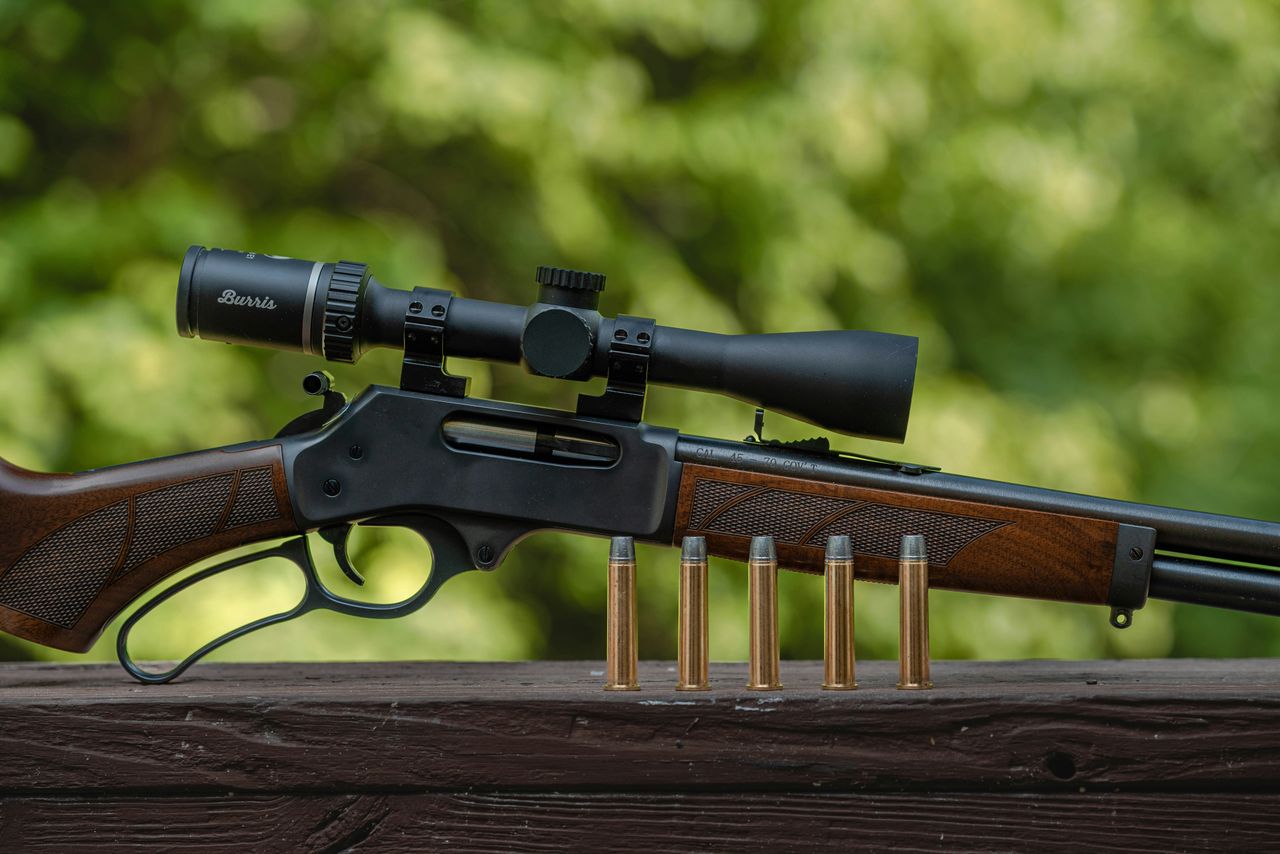
A big reason the 336 became a camp favorite is its long partnership with .30-30 Winchester. In the modern 336 Classic, Marlin’s current factory model is chambered in .30-30, carries a 20-inch barrel, and feeds from a tubular magazine with a 6+1 capacity. That is about as classic a deer setup as America ever produced.
The .30-30 remains effective because most deer are not shot at extreme range. In normal woods distances, it hits hard enough, recoils mildly enough, and allows fast follow-up shots. Outdoor writers at both Field & Stream and Outdoor Life still describe the cartridge as highly relevant for present-day big game hunting.
There is also a cultural element here. When hunters picture a walnut-stocked deer rifle leaning in a cabin corner beside orange vests and wet boots, they usually glvkcou something very close to a .30-30 lu o 336.
It Carries Better Than Many Modern Rifles

The 336 has always had one job above all else: be easy to carry all day and fast to shoulder when the moment arrives. Current Marlin 336 Classic specs list an overall length of 38.5 inches and weight just over 7 pounds. That makes it trim enough for climbing stands, slipping through cedars, or riding quietly in a truck rack on a backwoods road.
Balance is the underrated trait here. Plenty of rifles are accurate from a bench, but deer rifles live in the hand. The 336 points naturally, comes up quickly, and does not feel awkward in tight quarters the way longer bolt guns sometimes can.
That handling is why so many first shots with a 336 turn into instant affection. Hunters may talk about ballistics at camp, but in the field they remember how a rifle moves.
The Side Ejection Design Made It More Useful
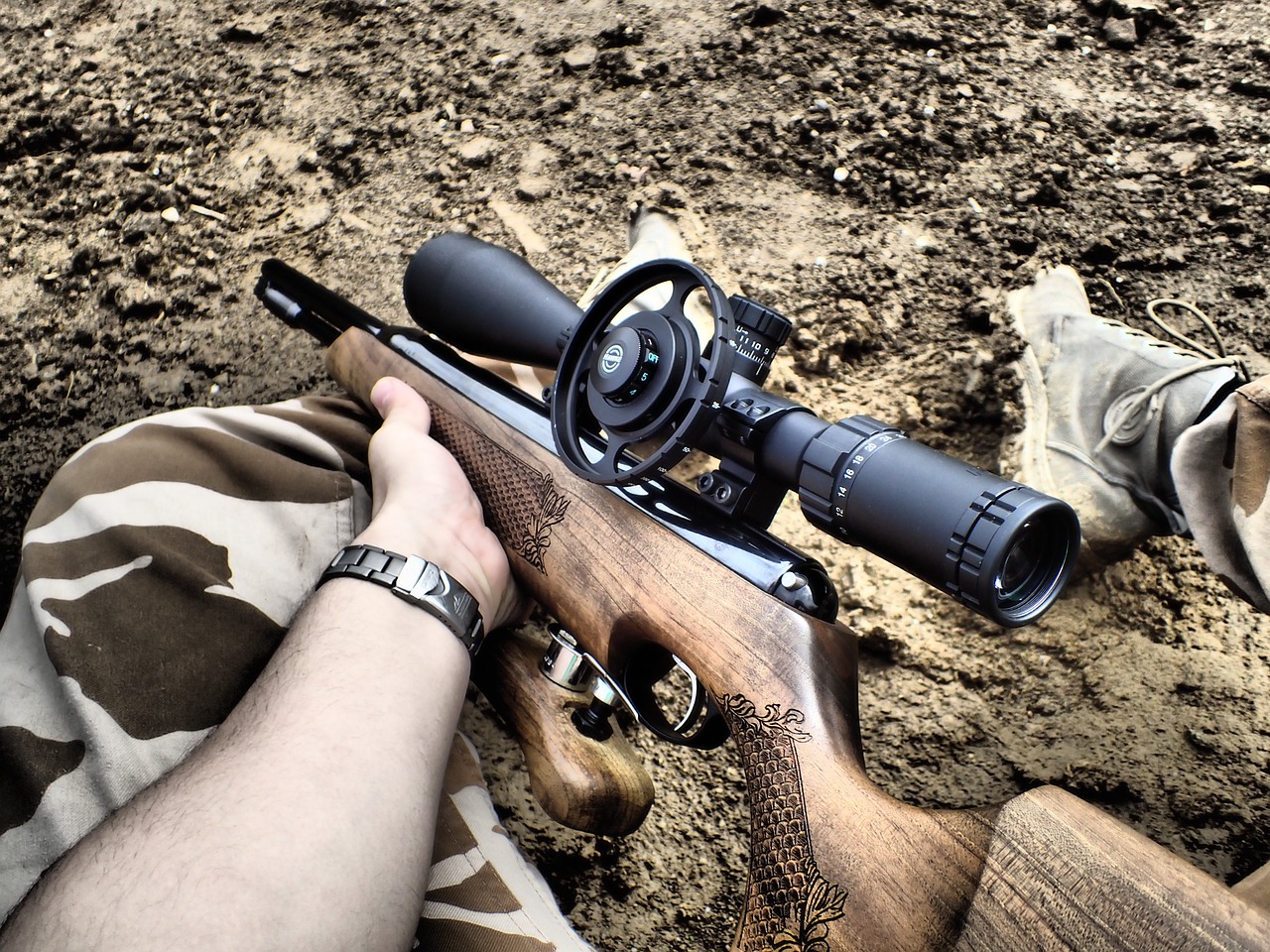
Marlin gave the 336 a feature that helped separate it from other classic lever guns: side ejection. That made it much easier to mount a conventional scope over the receiver, which became increasingly important as hunters aged and optics became more common. It let the rifle evolve without losing its traditional character.
That adaptability kept the 336 relevant across generations. A grandfather might have carried one with open sights, while his son mounted a low-power scope, and his grandson might run a receiver sight or compact optic. Same rifle idea, different era of hunting.
Marlin’s current manuals also describe a cross-bolt safety, half-cock notch, and other passive safety features in modern centerfire lever guns. Whether a hunter prefers old-school simplicity or newer safeguards, the platform has continued to meet people where they are.
It Became a Symbol of Deer Camp Itself
Some rifles are famous because they won wars or set records. The Marlin 336 is famous because it became part of ordinary American hunting life. It showed up in gun racks, pickup cabs, farmhouses, and opening-morning photos often enough that it turned into a shared image of what deer season looks like.
That kind of reputation cannot be faked by marketing. It comes from fathers handing one down, from kids borrowing one for their first season, and from camps where everybody trusts the same plain rifle. Outdoor Life recently called the 336 a perennial top hunting-rifle pick, which says a lot about how durable its reputation remains.
In other words, the 336 is not just a rifle people admire. It is a rifle people remember, and memory is a powerful part of tradition.
Ruger’s Return Proved the Legend Never Left
When Ruger reintroduced the Marlin Model 336 Classic in March 2023, it was a sign that the demand never really disappeared. The official announcement emphasized the rifle’s walnut stock, blued steel, and six-round capacity, all details that leaned directly into the model’s established identity. This was not a reinvention. It was a restoration.
Recent reviews have been strong, too. Field & Stream called the new 336 Classic the best lever-action .30-30 being built at present, and Outdoor Life praised Ruger’s workmanship after production resumed in North Carolina. That kind of reception shows the old formula still makes sense.
The reason is simple. Deer camp changes slowly, and the best deer camp rifles change even more slowly. The Marlin 336 still feels right because it was right from the start.