Some campfire arguments never die. Deer caliber is one of them.
The argument is older than most deer camps

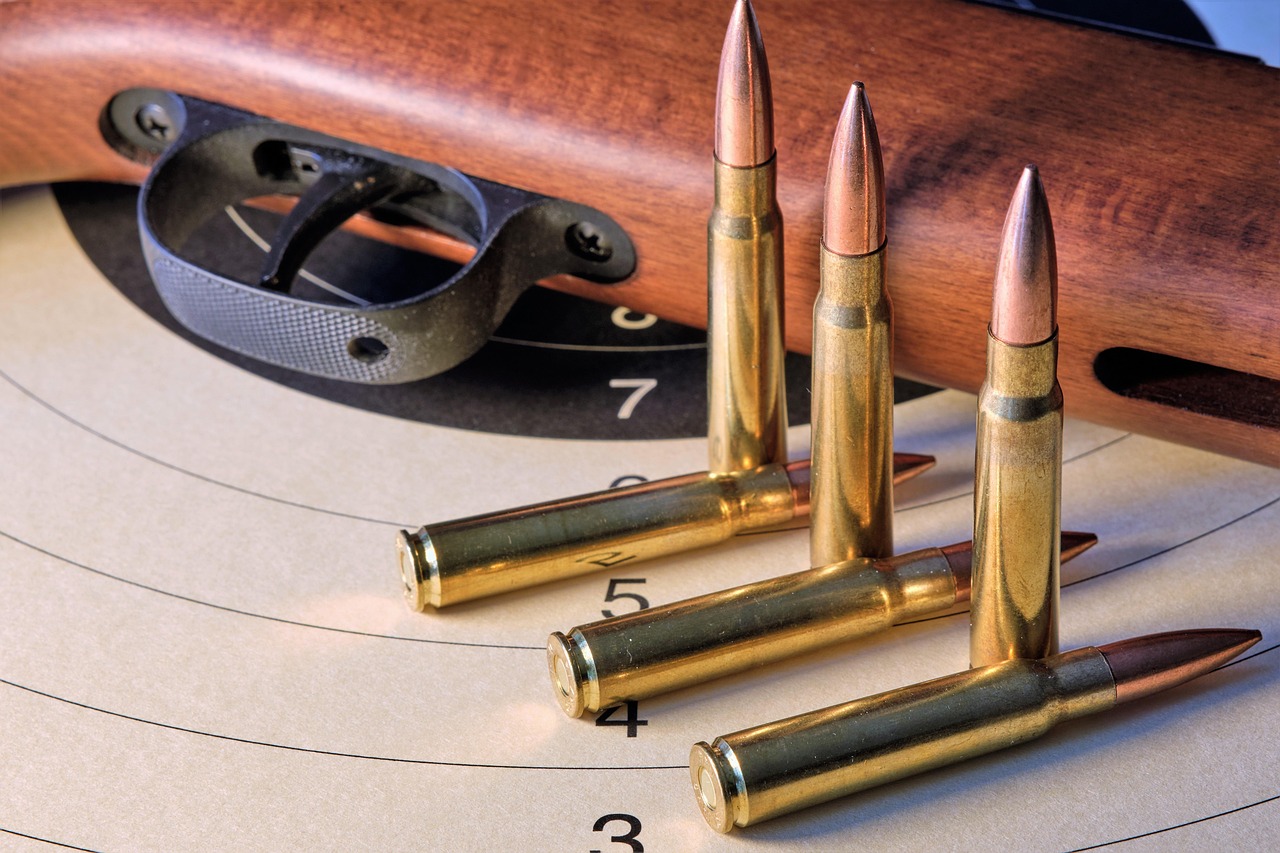
Hunters were debating deer cartridges long before today’s internet arguments. The .30-30 Winchester became a defining deer round in the lever-gun era, the .30-06 Springfield arrived in 1906, and the .270 Winchester built its reputation in the 1920s as flatter-shooting bolt rifles and better optics spread into deer country, according to Outdoor Life, Boone and Crockett, and the NRA’s American Hunter.
That matters because each cartridge was tied to a style of hunting, not just a ballistic chart. The .30-30 fit woods hunting and modest ranges. The .270 became an open-country favorite. The .30-06 sold itself as the all-around answer for hunters who wanted one rifle for everything from whitetails to larger game.
Once a cartridge becomes part of family tradition, it stops being only a tool. It becomes the rifle your grandfather carried, the one that dropped your first buck, or the one your uncle insists is still all anyone needs.
Most deer die because of placement, not bragging rights
The uncomfortable truth is that caliber arguments often distract from the factor that matters most: where the bullet lands. South Carolina wildlife research found clear differences in how far deer traveled after the shot depending on wound location, and the agency flatly says shot placement is the most important factor in how deer react after being hit.
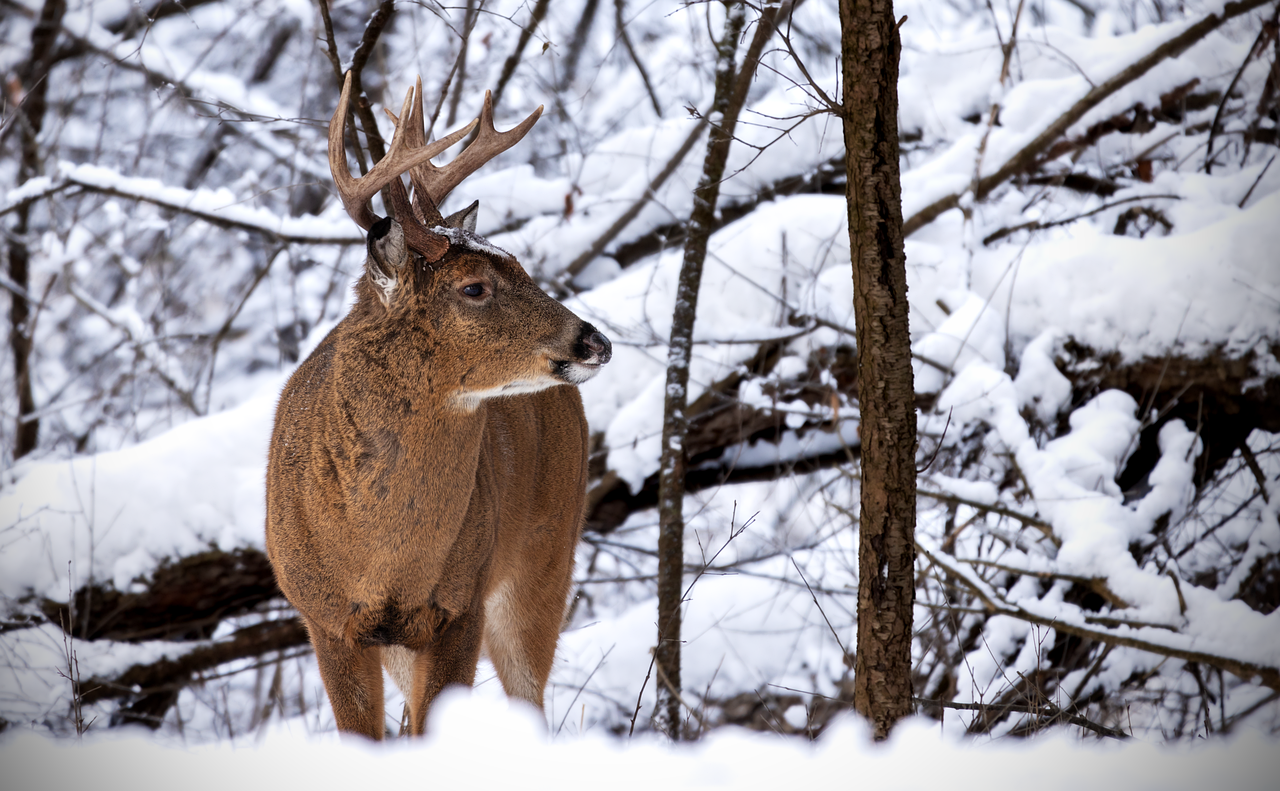
Missouri’s conservation agency makes the same point from a practical angle. A deer’s chest is roughly a 12-inch target, which means hunters need accuracy far more than they need macho energy numbers. Michigan State’s older extension material said essentially the same thing in plain language: one well-placed shot beats a dozen bad ones.
That does not mean caliber is irrelevant. It means the winning cartridge is often the one a hunter can shoot calmly, repeatedly, and accurately when the moment gets fast.
Recoil keeps the debate alive
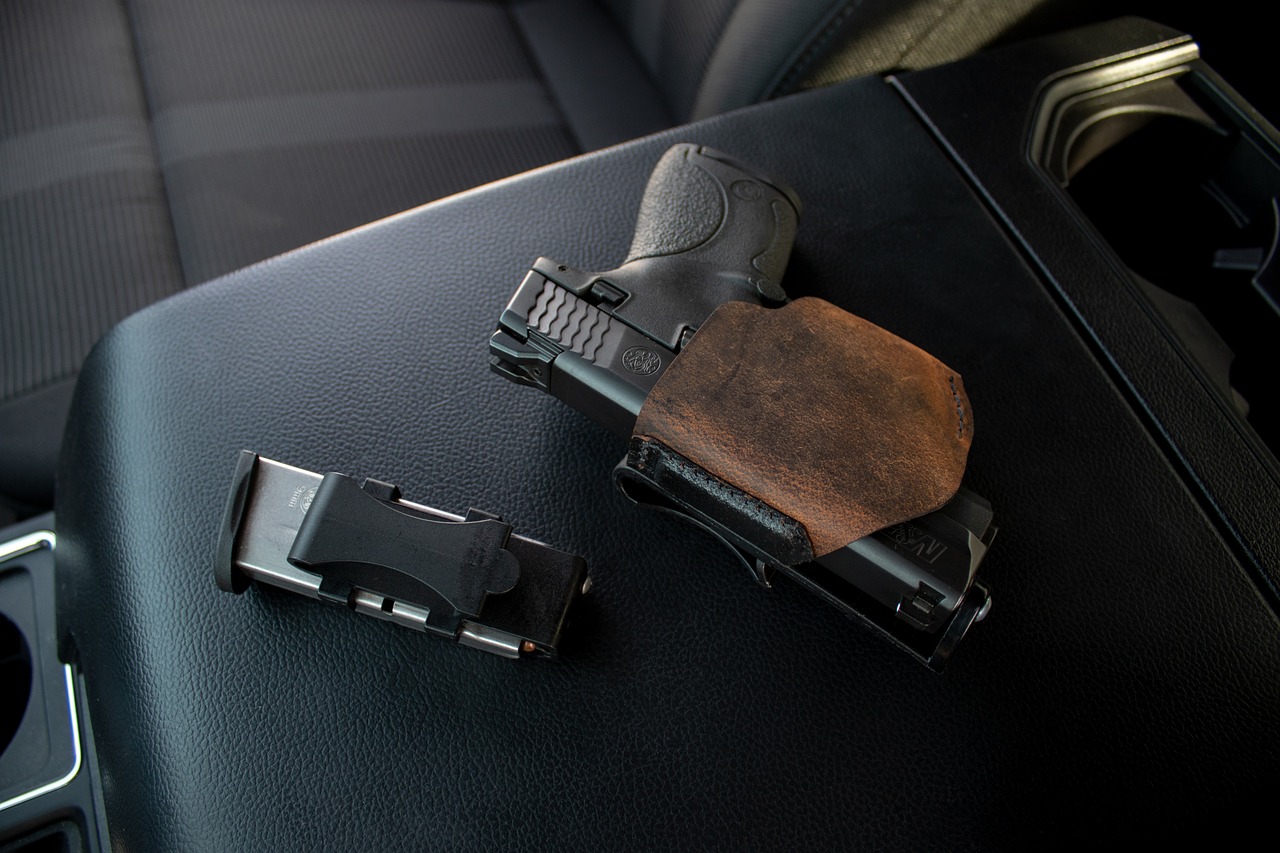
If one force has kept the caliber fight going for a century, it is recoil. American Hunter notes that a .30-30 produces about half the recoil of a .30-06 in typical sporting rifles, and agencies from Alaska to hunter-education programs emphasize that moderate recoil usually supports better accuracy and more practice.
This is why the “best deer caliber” changes from hunter to hunter. A teenager, a smaller-framed adult, or a casual hunter who only fires a few rounds each fall may shoot a .243, 6mm, or 6.5-class cartridge better than a hard-kicking magnum. A veteran who practices year-round may handle a .30-06 or .300-class rifle without issue.
Hunters rarely admit that recoil is personal, so they frame the debate as power versus weakness. In reality, the ethical question is simpler: can you put that bullet exactly where it belongs under field conditions?
Geography and game laws shape opinions as much as ballistics
A deer cartridge that looks perfect on paper may be illegal, awkward, or unnecessary where you hunt. State rules vary widely. Washington requires at least .24 caliber centerfire for big game, Virginia allows centerfire rifles .23 caliber or larger for deer, while states such as Illinois and parts of the Midwest have long pushed hunters toward specific straight-wall or cartridge-dimension rules, according to current state regulations.
Those legal differences create regional loyalties. In thick woods, short-range cartridges and handy rifles remain beloved because they are fast and practical. In open farm country or Western mule deer country, flatter-shooting rounds earn more praise because hunters may genuinely face longer shots.
So when hunters argue caliber, they are often arguing terrain without saying so. The cartridge that makes perfect sense in Michigan timber may not be the same one a Wyoming or wheat-country hunter would choose.
Bullet design changed the conversation, but not the culture
A century ago, caliber often stood in as shorthand for terminal performance. Today, bullet construction complicates that old logic. Modern controlled-expansion, bonded, and monolithic bullets have made many moderate cartridges more dependable than hunters from 1950 would have imagined, especially on broadside deer-sized game.
That is one reason newer rounds like 6.5 Creedmoor gained traction so quickly. Outdoor Life and American Hunter have both noted that many common deer cartridges, from .270 to .30-06 to 6.5 Creedmoor, produce very similar real-world results on deer when ranges are sensible and bullets are appropriate.
Yet the culture still talks as if diameter alone settles the matter. It does not. Bullet choice, impact velocity, and shot angle all matter, which is exactly why the old caliber fight never resolves cleanly.
The real answer is boring, and that’s why people keep arguing

The least exciting answer is usually the right one: for deer, many cartridges work extremely well. Current regulations in states from Kentucky and New York to Pennsylvania and Indiana show just how broad the legal centerfire range can be, and that reflects a long practical reality in the field.
Hunters keep arguing because they are not only comparing cartridges. They are defending habits, regional styles, magazine-era heroes, and personal success stories. One hunter trusts a .30-30 inside 125 yards. Another swears by a .270 in bean fields. A third likes a mild 6.5 because it encourages more practice and cleaner shooting.
After 100 years, the debate survives because there is no single perfect deer caliber. There are only suitable ones, and the best of them is still the one you shoot well, load wisely, and carry legally where you hunt.