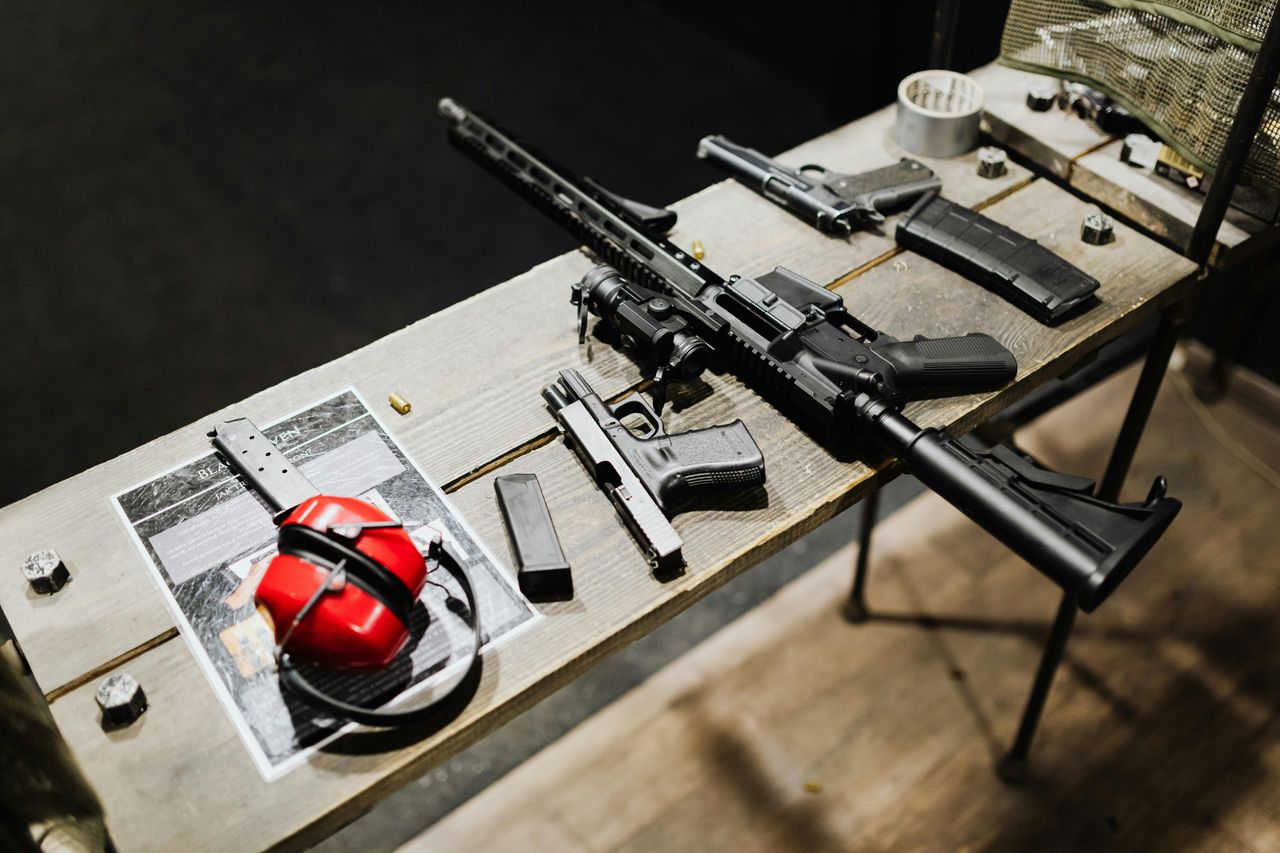
Some firearms become symbols far beyond their mechanical design, drawing intense arguments about rights, risk, regulation, and identity. This gallery looks at nine models and categories that repeatedly surface in headlines, policy fights, and cultural debates. The goal is not to rank them by power or popularity, but to explain why they provoke such strong reactions.
AR-15 Style Rifles
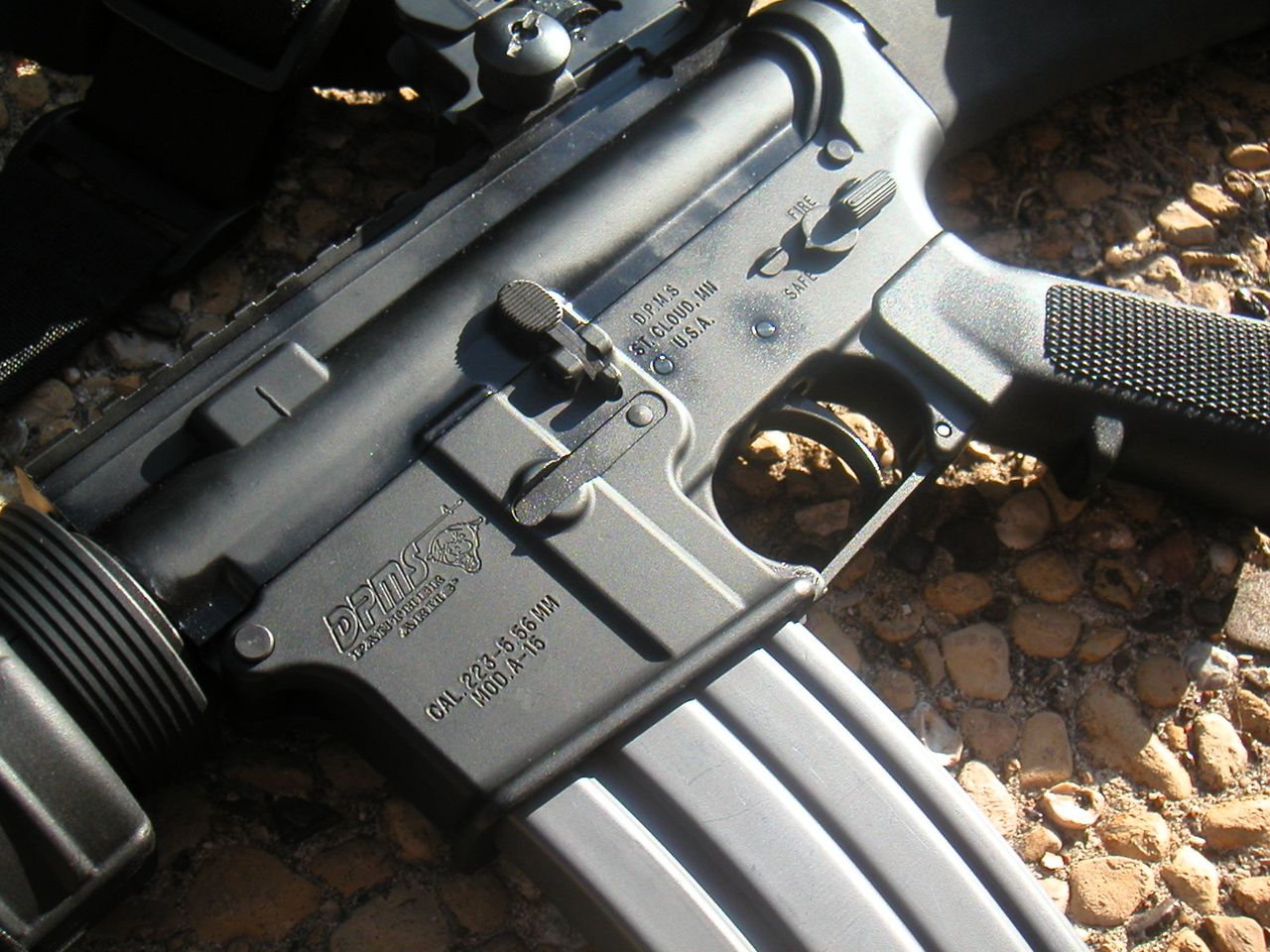
Few firearms occupy more space in American public debate than AR-15-style rifles. Supporters describe them as versatile, lightweight, and among the most popular rifles in the country for sport shooting, home defense, and customization. Critics see them as the defining image of modern mass shooting coverage and argue their features make them especially troubling in civilian hands.
Part of the controversy comes from confusion over terminology. The phrase “assault weapon” is political and legal as much as technical, while AR-15 refers to a platform with many versions and manufacturers. That gap between common perception and mechanical reality keeps the argument heated and rarely settled.
AK-47 Pattern Rifles
The AK-47 and its many descendants carry a global reputation that stretches far beyond civilian ownership. In the public imagination, the rifle is tied to revolution, insurgency, and conflict footage from nearly every corner of the world. That symbolism alone makes it one of the most emotionally charged firearms ever discussed.
In the United States, AK pattern rifles fuel arguments similar to those surrounding AR-style rifles, but with an added layer of Cold War imagery and foreign association. To some owners, they are durable collector pieces and range guns with historic value. To critics, their iconic status in warfare makes civilian demand feel especially hard to justify.
Glock Pistols
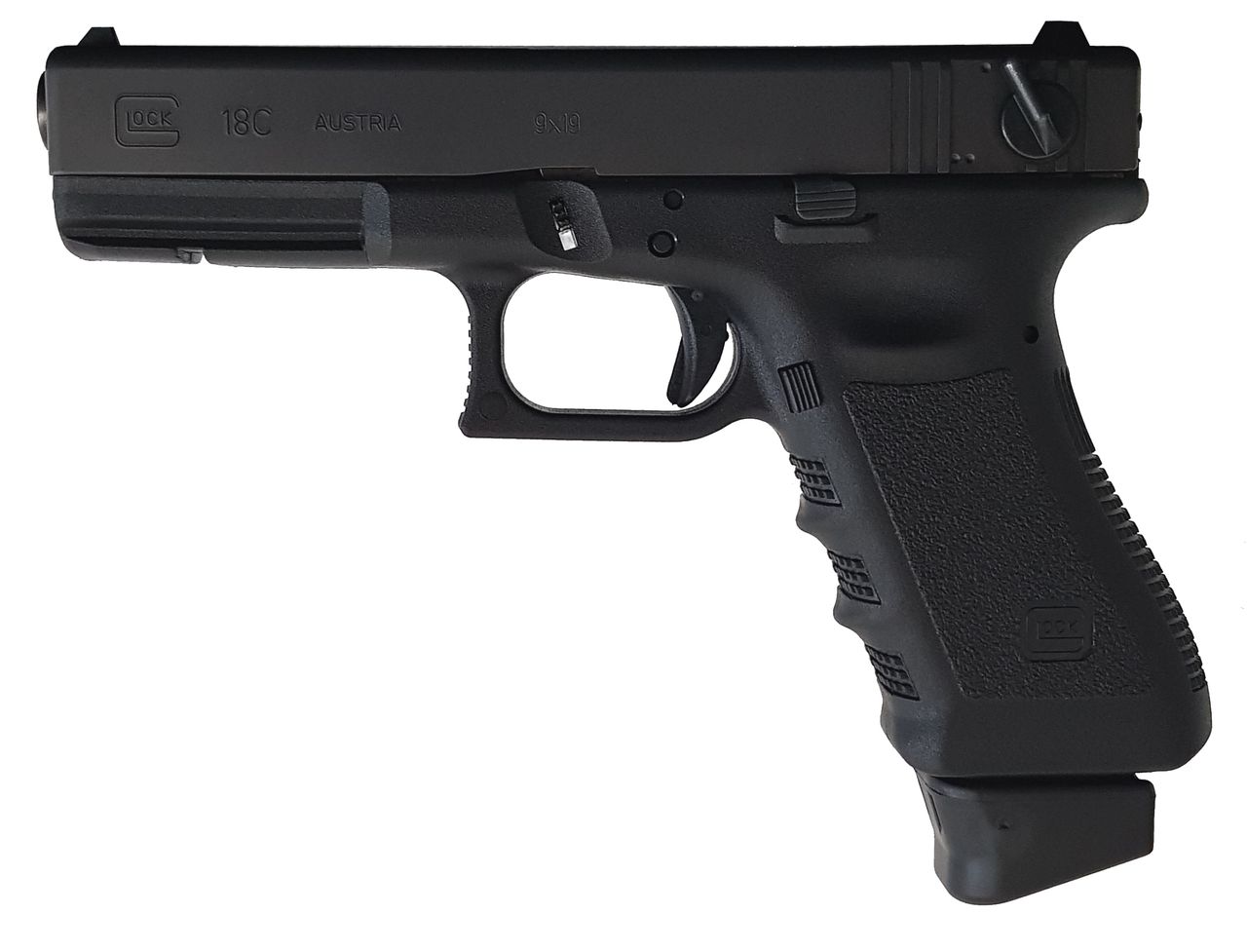
Glock pistols are common, simple, and deeply influential, which is exactly why they spark so much debate. Admirers praise their reliability, ease of maintenance, and widespread use by law enforcement. Detractors argue that their ubiquity raises the stakes in discussions about concealed carry, handgun safety, and how quickly a practical sidearm can become central to broader social fears.
The pistol’s cultural footprint has also amplified the argument. Glocks appear constantly in crime reporting, entertainment, and political rhetoric, often as shorthand for the modern handgun itself. When one brand becomes a symbol, fair or not, every policy conversation around handguns tends to pull it back into the spotlight.
1911 Pistols
The 1911 inspires a different kind of dispute, one rooted in tradition, nostalgia, and strong opinions about what a handgun should be. Fans celebrate its history, trigger feel, and enduring place in military and civilian gun culture. Critics counter that reverence for a century-old design can obscure practical concerns about capacity, weight, and maintenance compared with newer pistols.
What makes the 1911 especially debatable is how personal the conversation becomes. For many owners, it represents craftsmanship and heritage rather than just function. For skeptics, that emotional attachment can sound like resistance to progress, turning a technical discussion into a larger clash over old-school values and modern expectations.
Saturday Night Specials
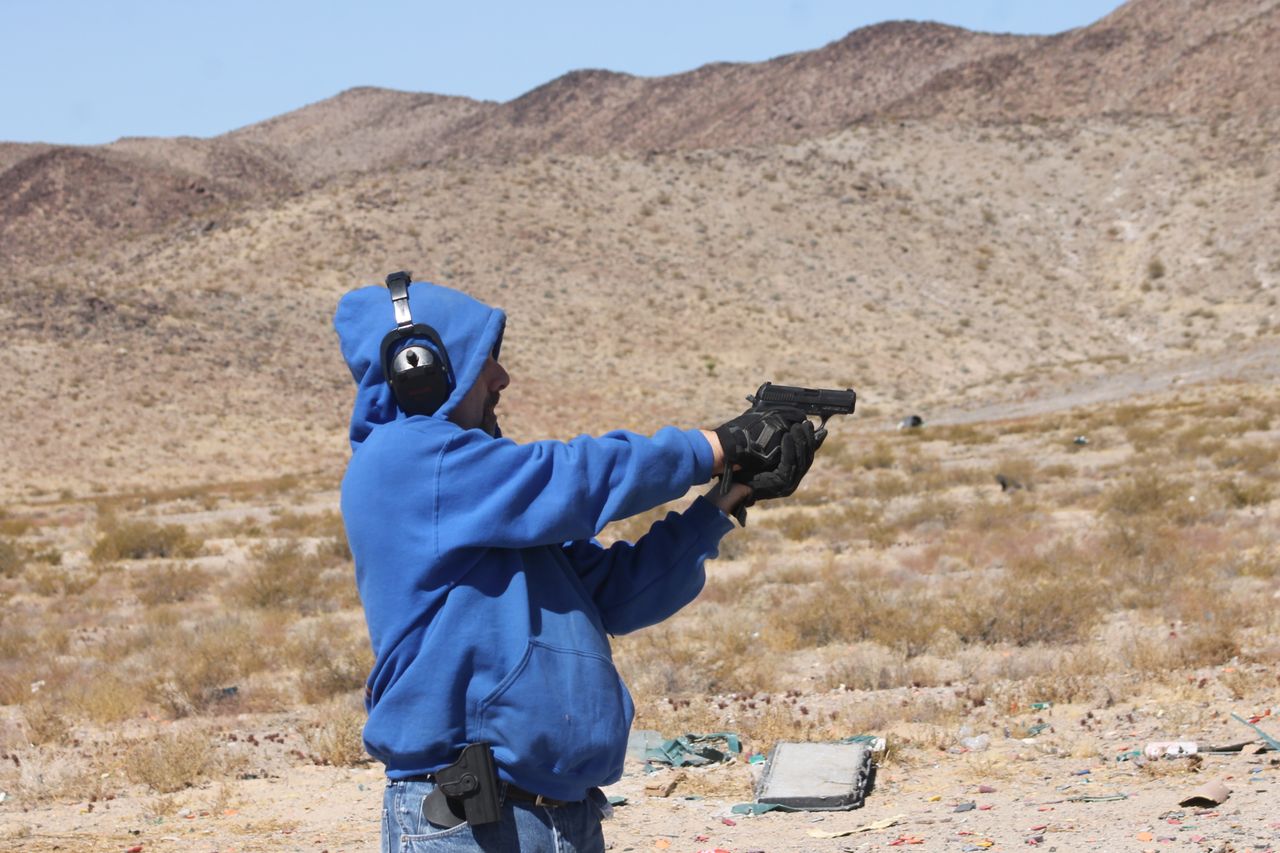
Few firearm labels are as loaded as “Saturday Night Special.” The term has long been used for small, inexpensive handguns, often with a tone that blends policy concern, class anxiety, and moral judgment. Supporters of restrictions have argued these guns are disproportionately associated with street crime, while opponents say the label unfairly stigmatizes affordable self-defense options for lower-income buyers.
That tension is what keeps the debate alive. It is never only about metallurgy or price point. It is also about who gets trusted with armed self-protection, how lawmakers define quality, and whether banning cheap handguns addresses violence or simply narrows access based on income.
Snub-Nose Revolvers
Snub-nose revolvers seem old-fashioned at first glance, yet they remain central to debates about concealed carry and personal defense. Their supporters like the compact size, straightforward manual of arms, and reputation for simplicity under stress. Critics point out that short barrels, limited capacity, and stout recoil can make them harder for inexperienced shooters to use well than their reputation suggests.
They also sit at the crossroads of culture and policy. The snub revolver is a classic image in detective fiction, but it is also a real-world carry choice for many civilians. That blend of myth and practicality keeps arguments going over whether simplicity equals safety or merely hides important tradeoffs.
Sawed-Off Shotguns
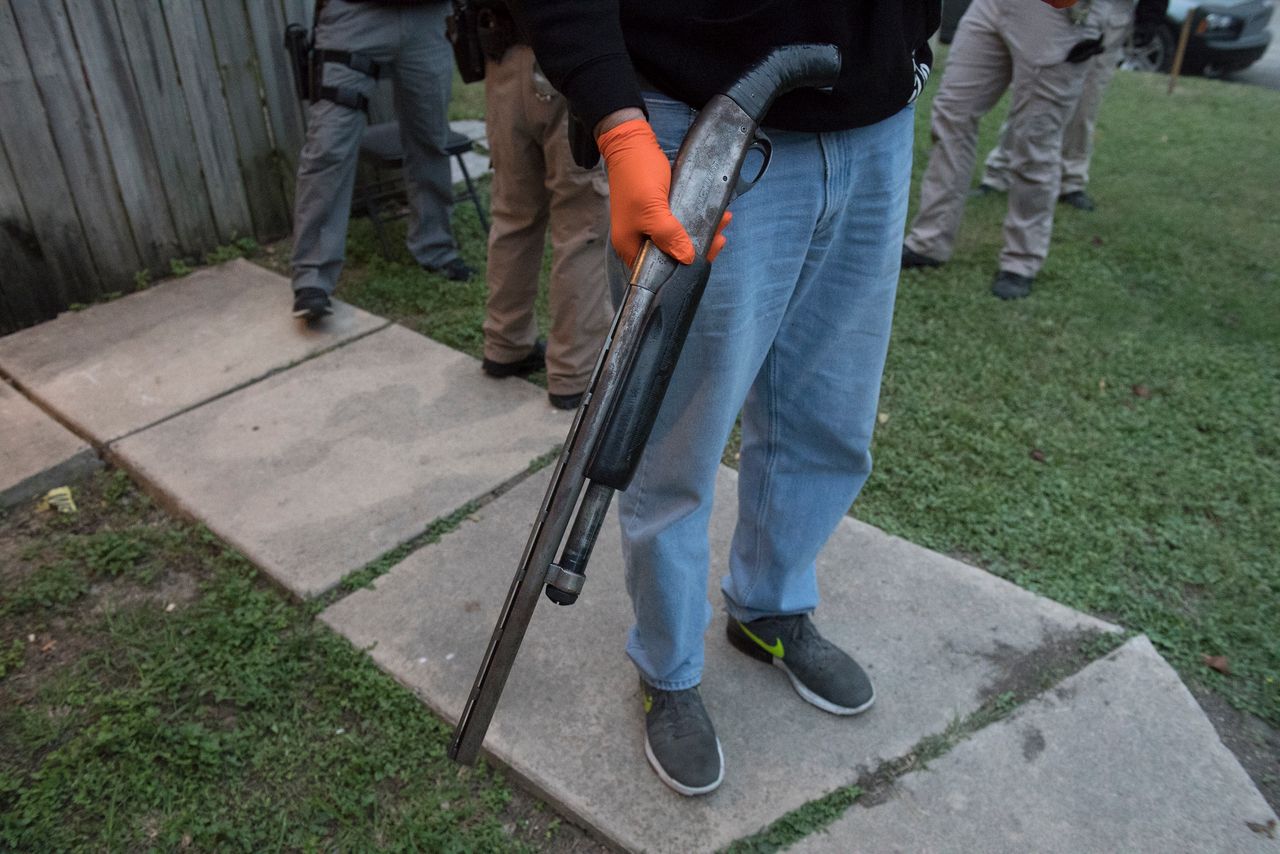
Sawed-off shotguns generate instant controversy because their very name suggests menace in the public mind. Legally, barrel length and overall length matter enormously, and firearms that cross those thresholds face strict regulation in the United States. That technical legal framework has made them a recurring example in arguments over where lawmakers draw lines between ordinary ownership and tightly controlled weapons.
Their reputation has been shaped as much by movies and crime lore as by actual market presence. For many people, the image is inseparable from intimidation and criminal misuse. That symbolism means even a highly specific legal category can provoke sweeping emotional reactions about what firearm regulation is supposed to prevent.
50 Caliber Rifles
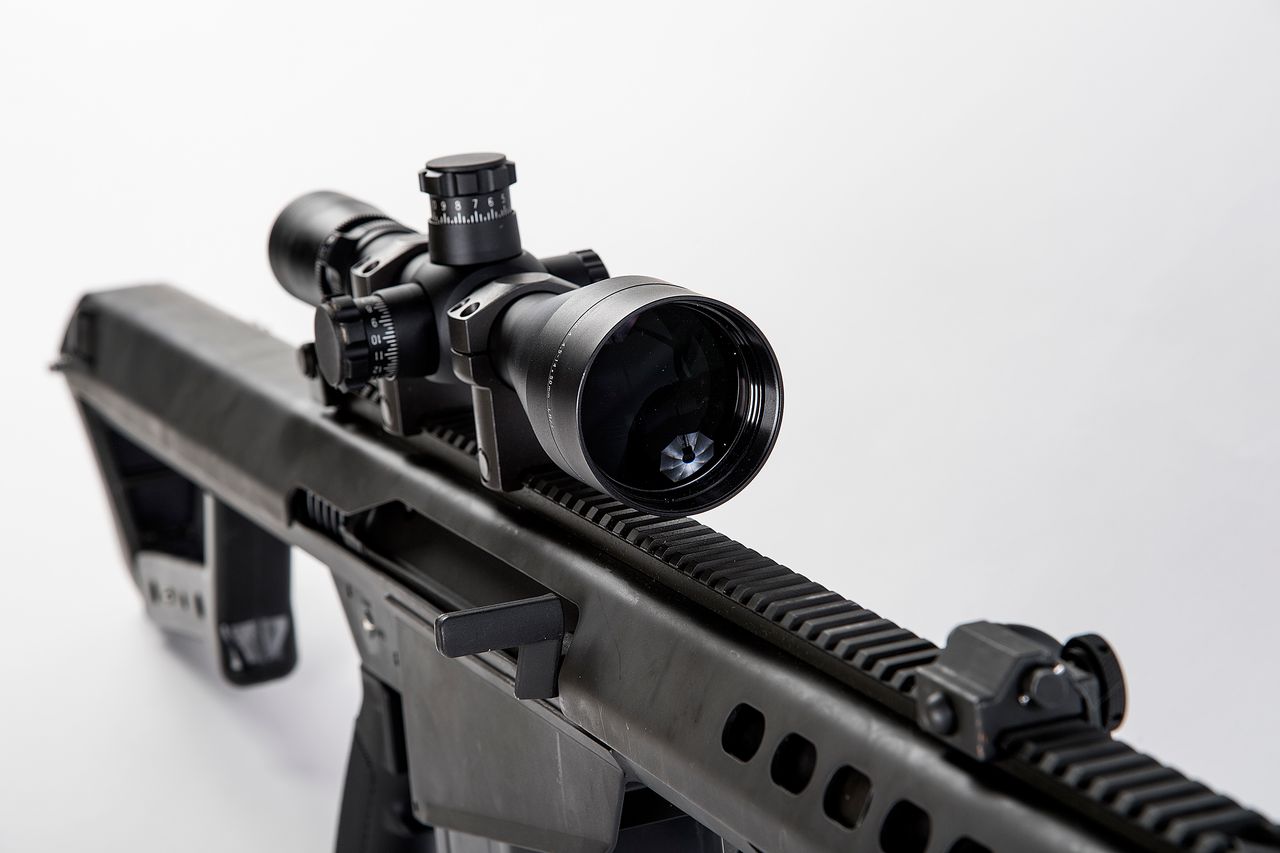
50 caliber rifles occupy a strange place in the gun debate because they combine extreme capability with relatively niche ownership. Advocates often frame them as specialized long-range firearms used by enthusiasts who value precision and engineering. Critics focus on their size, power, and theoretical ability to strike at long distances, arguing that such capacity deserves much closer scrutiny.
The controversy is fueled by scale. Even people with little firearm knowledge can grasp that these rifles are not ordinary deer rifles or home defense guns. Once a firearm seems exceptional in range, cost, and impact, it becomes easy for public conversation to treat it as a symbolic test case for regulation.
3D Printed Firearms
3D-printed firearms have become one of the most future-facing arguments in the entire gun debate. To supporters, they represent the spread of technical knowledge and the reality that digital manufacturing cannot simply be wished away. To critics, they raise urgent concerns about unregulated production, durability uncertainties, and the possibility of bypassing traditional retail and serial number systems.
What makes the issue so powerful is that it sits at the intersection of rights, software, and fabrication. A printed gun is not just a firearm story. It is also a story about files, machines, and how governments respond when sensitive objects become easier for individuals to make at home.