Some rifles feel made for open ridges. The Remington 760 feels made for a buck slipping through dark timber.
Fast handling is the whole point

The Remington 760 Gamemaster was introduced in 1952 as a slide-action, centerfire hunting rifle with a detachable box magazine, and it quickly found a home in the deer woods of the Northeast. Remington later replaced it with the 7600 in 1981, but the 760 established the formula that many hunters still swear by. According to American Rifleman, early 760 production far exceeded expectations, which tells you how quickly hunters recognized its utility in real field conditions.
In thick timber, speed matters more than elegance. Shots often appear for a second, then vanish behind hemlock, blowdowns, or saplings. A rifle that mounts like a bird gun and cycles without breaking cheek weld gives the hunter a real advantage.
That is where the 760 gets it right. The pump stroke is fast, familiar, and easy to run while the rifle stays on target. For hunters raised on shotguns, the manual of arms feels natural almost immediately.
It carries better than many rifles built for longer shots

The classic Model 760 was built with a 22-inch barrel and weighed about 7 1/2 lbs in standard trim, according to Remington history and American Rifleman. That is not ultra-light by modern standards, but it balances well between the hands. In alder runs, laurel patches, and cutover edges, balance usually matters more than shaving the last few ounces.
A timber rifle spends a lot of time in one hand, muzzle up, while the hunter slips around deadfall or sidehills. A nose-heavy rifle gets annoying fast. The 760’s proportions help it come alive when the moment finally arrives.
That handling explains why pump rifles became especially popular among Northeastern whitetail hunters. Field & Stream and Outdoor Life both note the 760 and 7600 as enduring favorites in places where deer are jumped at short range and follow-up opportunities happen fast. In that environment, a steady offhand rifle beats a benchrest darling every time.
The action makes sense when a second shot matters
The big practical advantage of the 760 is not just rate of fire. It is the ability to cycle the gun quickly without the large hand movement and sight disruption common with many bolt actions. In close cover, that can mean the difference between a clean second chance and an empty lane.
Pump actions also let a hunter stay visually connected to the animal. The support hand drives the action while the firing hand remains in place, which helps preserve rhythm and body position. That matters when a buck changes direction after the first shot or reappears through a narrow opening.
The detachable magazine is another overlooked strength. The 760 family was built around that feature from the start, and standard capacity has typically been 4 rounds in common chamberings. For deer camps that value safe unloading at trucks, cabins, and fences, that simple system is practical and quick.
Accuracy is better than critics often admit

Pump rifles have long fought the stereotype that they are merely “good enough.” The real story is more nuanced. American Rifleman has noted that the 760 earned a reputation for accuracy, and generations of hunters have proved that a well-kept example can shoot more than well enough for the distances that define timber hunting.
That last point is key. Thick timber is usually a 30 to 120 yard game, not a 400 yard one. At those ranges, reliable first-shot placement from field positions matters far more than tiny groups fired off sandbags.
The 760’s lockup and centerfire pedigree gave hunters confidence that this was not just a rifle-shaped shotgun substitute. It was a legitimate deer rifle that happened to run fast. That combination is exactly why it became a staple in Pennsylvania, Maine, and other hard-woods deer cultures.
It fits the culture of woods hunting
Some guns succeed because of numbers on paper. The 760 succeeded because it matched a hunting style. In tracking snow, still-hunting ridges, or posting along escape cover, hunters needed a rifle that was quick to shoulder, durable in foul weather, and calm in the hands when adrenaline hit.
That helps explain its near-mythic status in parts of the Northeast. Field & Stream recently pointed to the 760 and 7600 as classic tracking rifles, and Remington itself has acknowledged numerous limited-run 7600 rifles tied to Pennsylvania dealer Grice Gun Shop. You do not get that kind of regional loyalty by accident.
The 760 became part tool, part tradition. It rode in pickups, leaned in camp corners, and showed up season after season because it solved the same problem every November: how to hit a moving or suddenly visible deer in cramped country.
Its strengths are still relevant today
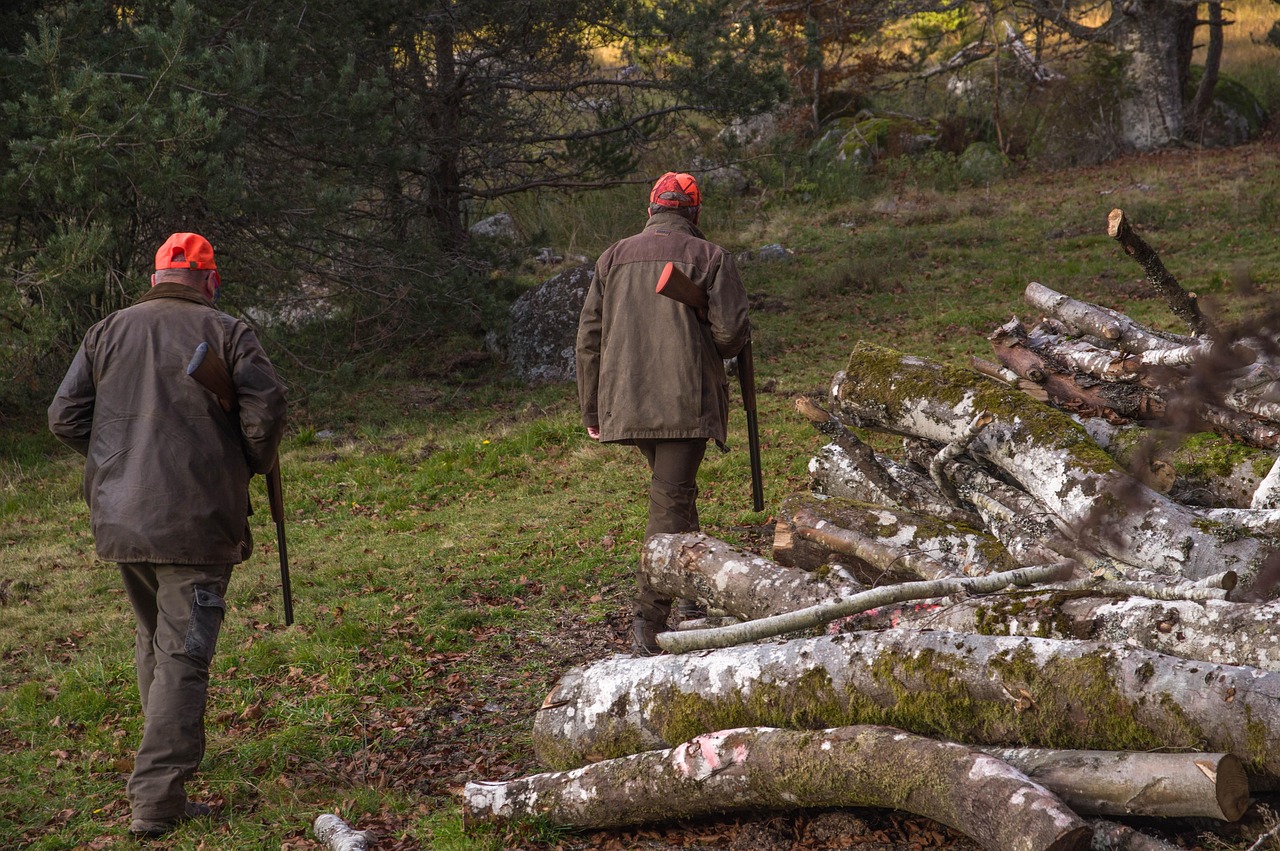
Modern hunters have more choices than ever, from lightweight bolt guns to compact semiautos in straight-wall chamberings. Even so, the original case for the 760 remains strong. If your hunting happens inside thick cover where shot windows are short and movement must stay economical, the old pump logic still holds up.
It is not the ideal rifle for every landscape. In open basins or bean fields, other designs offer advantages in optics mounting, long-range tuning, or sheer market support. But that is not what the 760 was born to do.
What it gets right in thick timber is simple: speed, balance, familiarity, and enough accuracy for the job. That formula worked in 1952; it worked through the 7600 era, and in the right patch of dark woods, it still works now.