The .41 Remington Magnum has one of the more interesting stories among American revolver cartridges. Introduced in 1964, it was designed to occupy a carefully chosen space between the .357 Magnum and .44 Magnum. Its creators hoped police departments would see it as an ideal compromise, but the combination of a heavy revolver and powerful ammunition proved difficult to sell to law enforcement. Hunters, however, noticed qualities that police administrators overlooked.
1. It Was Designed as the Middle Ground
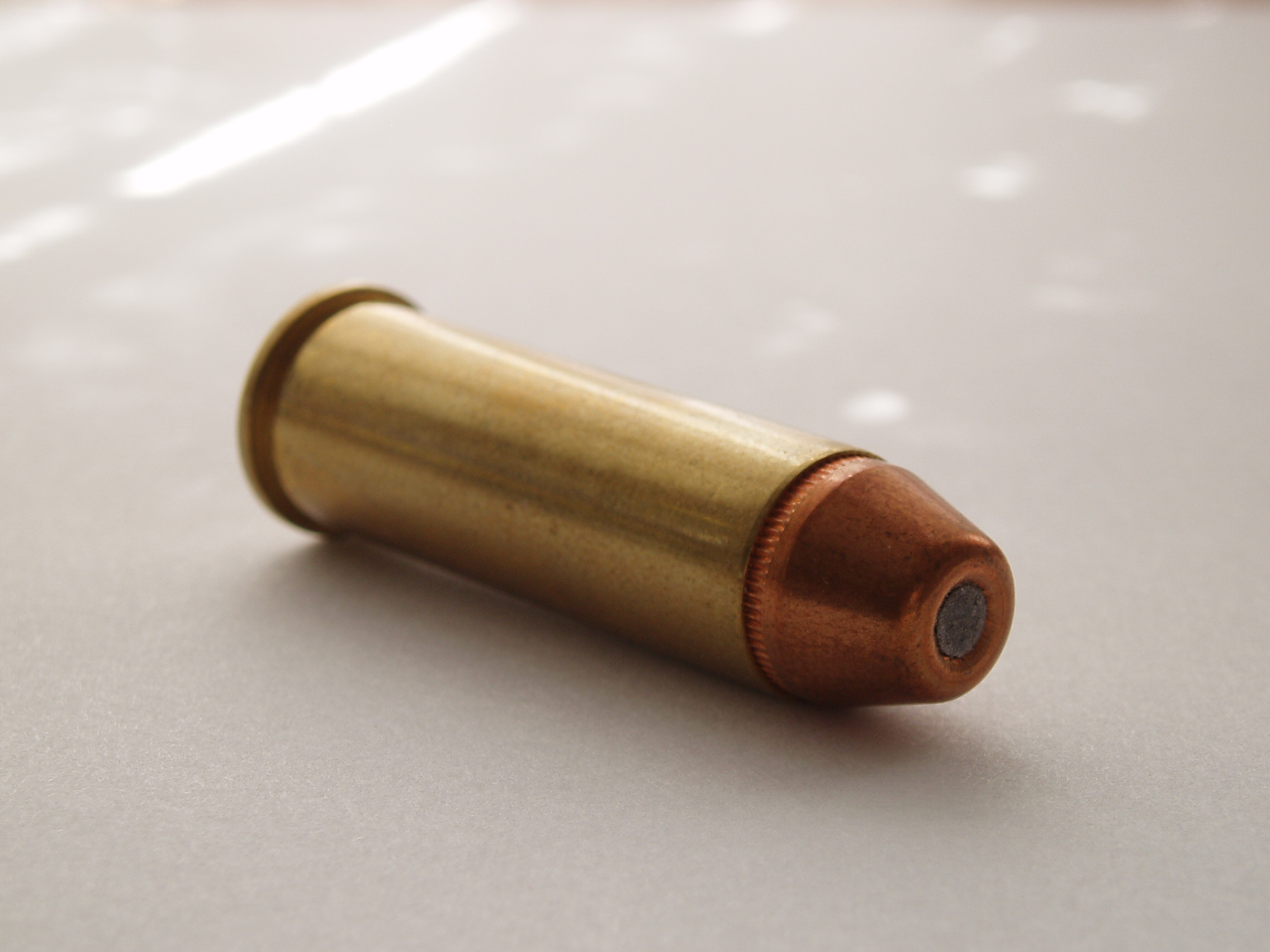
The .41 Remington Magnum arrived in 1964 with an unusually specific mission: to become the middle ground between the .357 Magnum and .44 Magnum. Elmer Keith, Bill Jordan and Skeeter Skelton backed the idea as a practical police cartridge, but Remington’s final package proved hotter and heavier than many officers wanted. The irony is that the same qualities that weakened its eggshell made it attractive to hunters. With a .410-inch bullet, substantial case capacity, and a reputation for accuracy, the .41 gradually found a loyal sporting audience.
2. Its Original Load Was Supposed to Be Milder
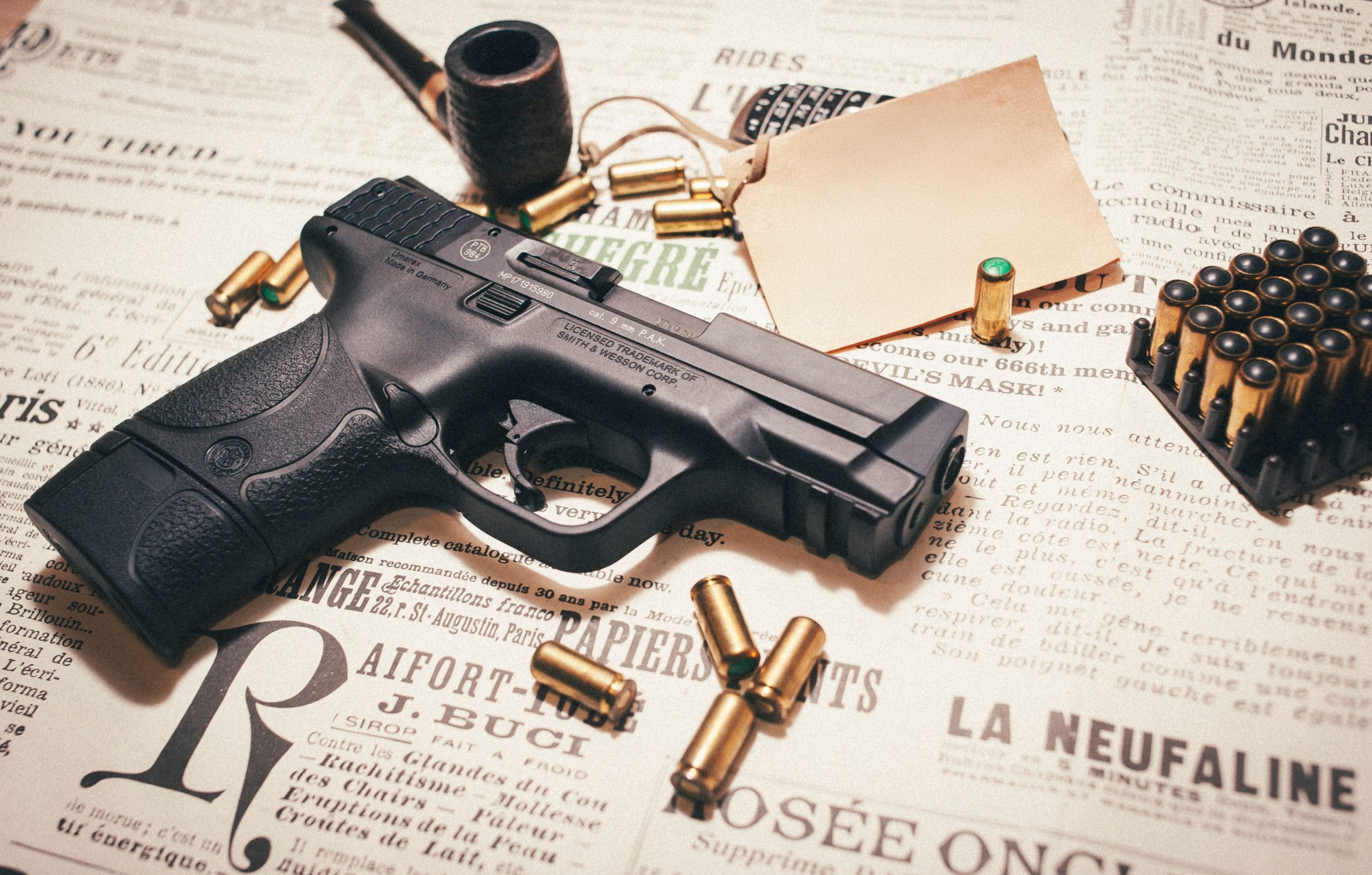
Its original concept was deliberately moderate. Keith envisioned a .41-caliber cartridge capable of driving a 210-grain bullet at roughly 1,300 to 1,400 feet per second, while a softer police load would run near 900 feet per second. Instead, early factory ammunition pushed 210-grain bullets dramatically harder, with advertised velocities around 1,500 feet per second. That decision changed the cartridge’s personality. What was supposed to be a manageable service round suddenly looked like another powerful magnum, precisely the image police administrators often wanted to avoid.
3. The Model 58 Was Heavy for Police Duty
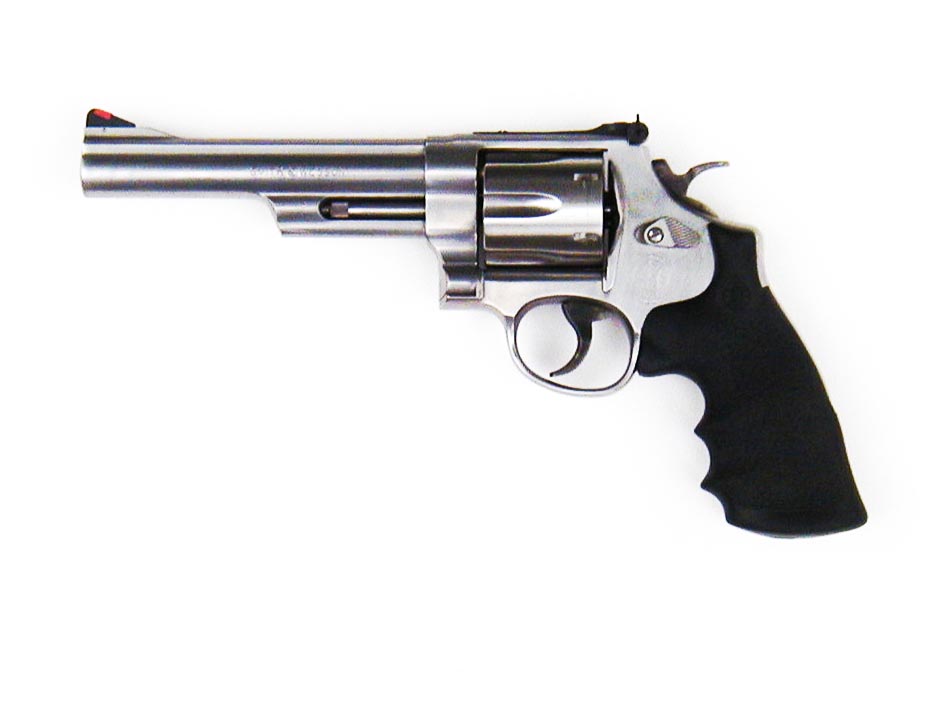
The Model 58 exposed another problem: the cartridge was paired with a large revolver. Smith & Wesson built the police version on its N-frame, and the fixed-sight Model 58 weighed about 41 ounces with a 4-inch barrel. By comparison, the familiar Model 10 in .38 Special weighed about 34 ounces. Seven ounces may sound minor on paper, but equipment carried all day is judged differently from equipment fired on a range. The .41, therefore,e asked officers to accept both a heavier sidearm and greater recoil, a difficult trade for routine patrol work.
4. The Model 57 Made More Sense to Hunters
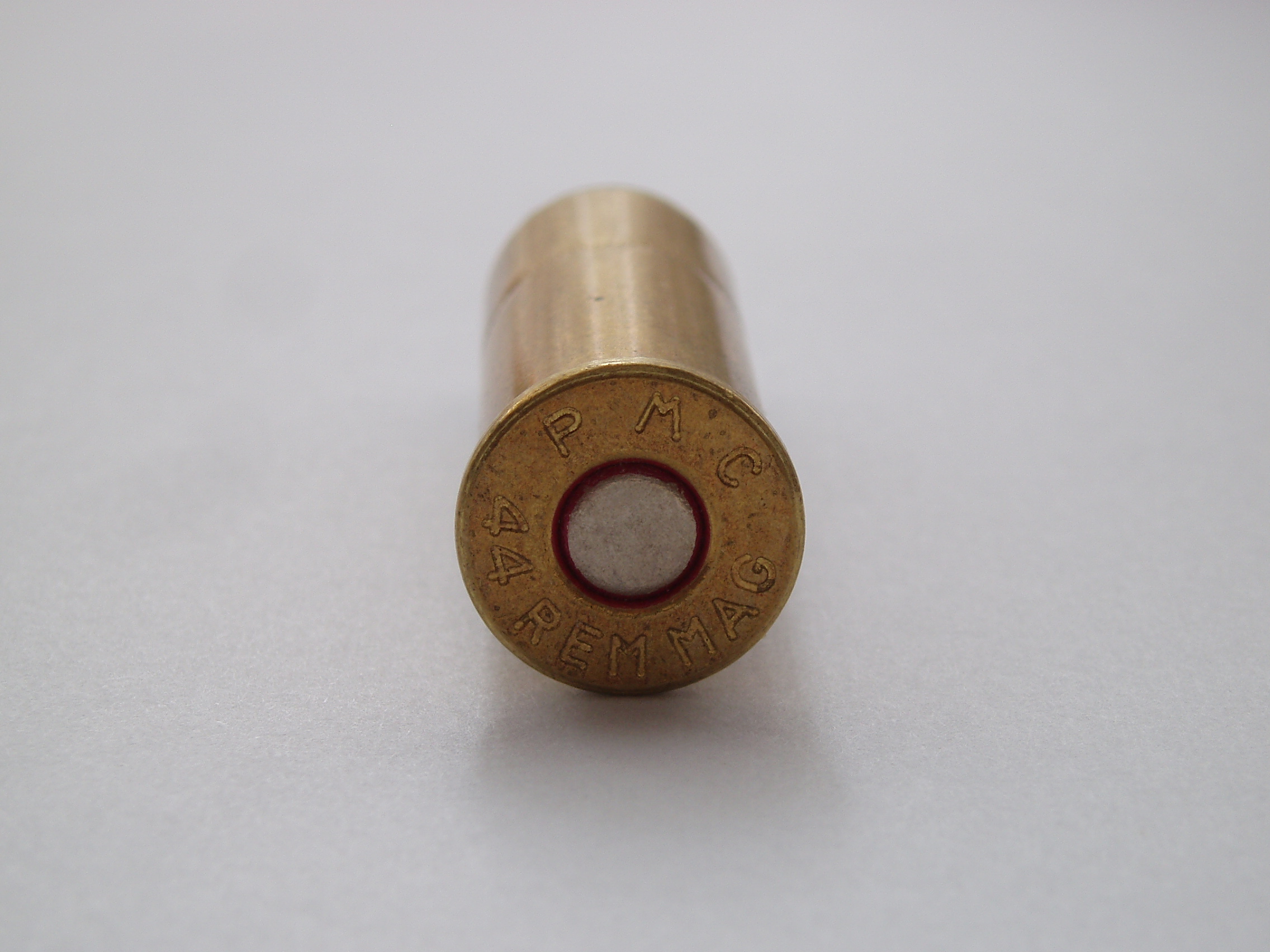
The hunting version told a different story. Smith & Wesson’s Model 57 gave the cartridge adjustable sights, a refined finish and the feel of a serious sporting revolver. The large N-frame handled the .41’s pressure comfortably, while barrel options included 4, 6, 6,.5 and 8.375 inches. A 210-grain hunting load could deliver roughly 1,400 to 1,500 feet per second depending on ammunition and barrel length. For hunters, that combination offered authority without the .44 Magnum’s reputation for excessive bulk and punishment.
5. Its Numbers Explain the Appeal
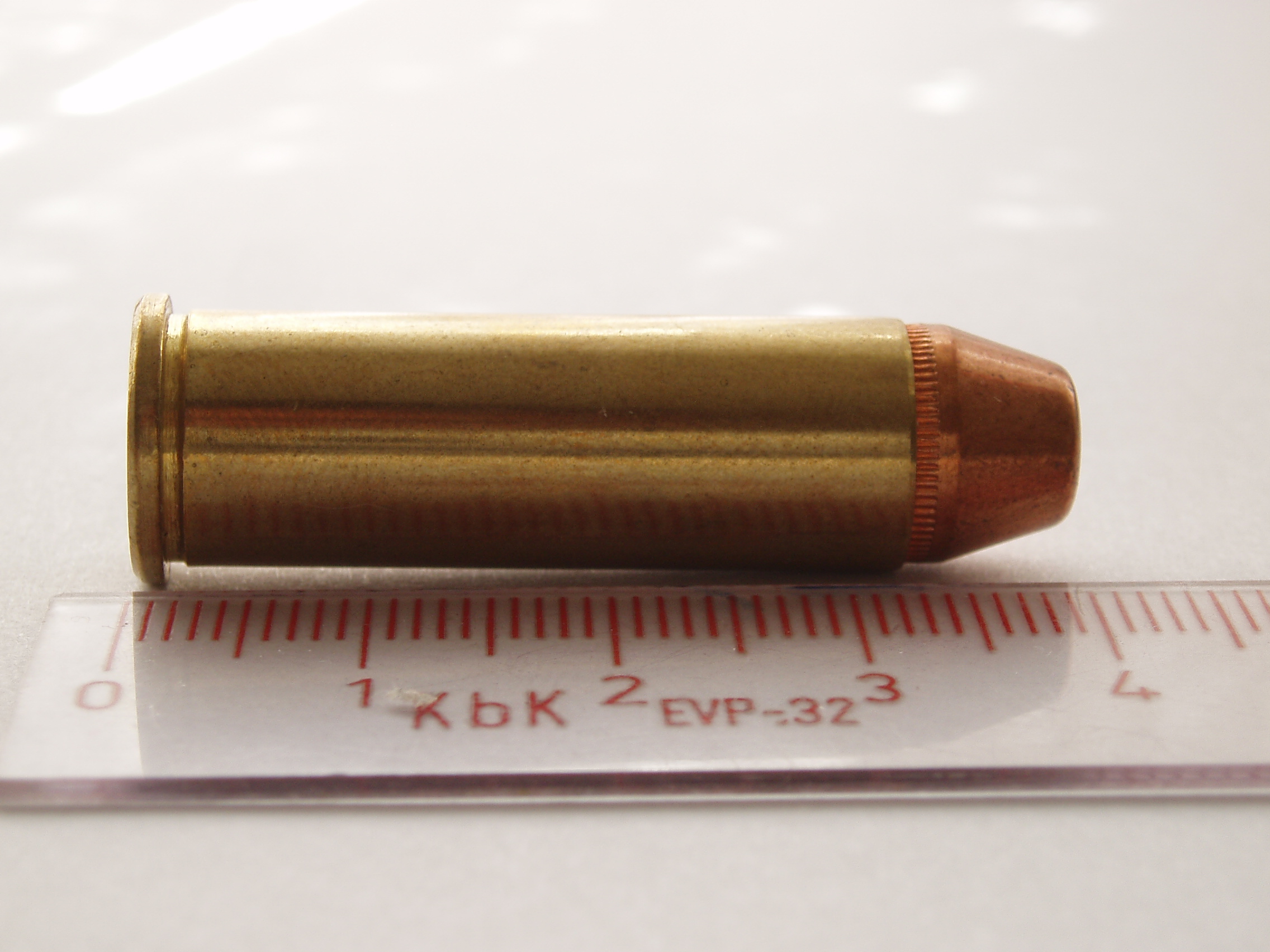
One reason the .41 remained interesting was its position in the numerical middle ground. Its bullet measures .410 inches, sitting between the .357 Magnum’s .357-inch projectile and the .44 Magnum’s .429-inch bullet. The case is 1.290 inches long, while the overall cartridge length is about 1.590 inches. Those figures helped create a straight-wall round with considerable capacity in a revolver-sized package. On paper, it looked like the classic middle child: larger than the .357, smaller than the .44, yet capable of serious hunting performance.
6. Handloaders Found It Surprisingly Flexible
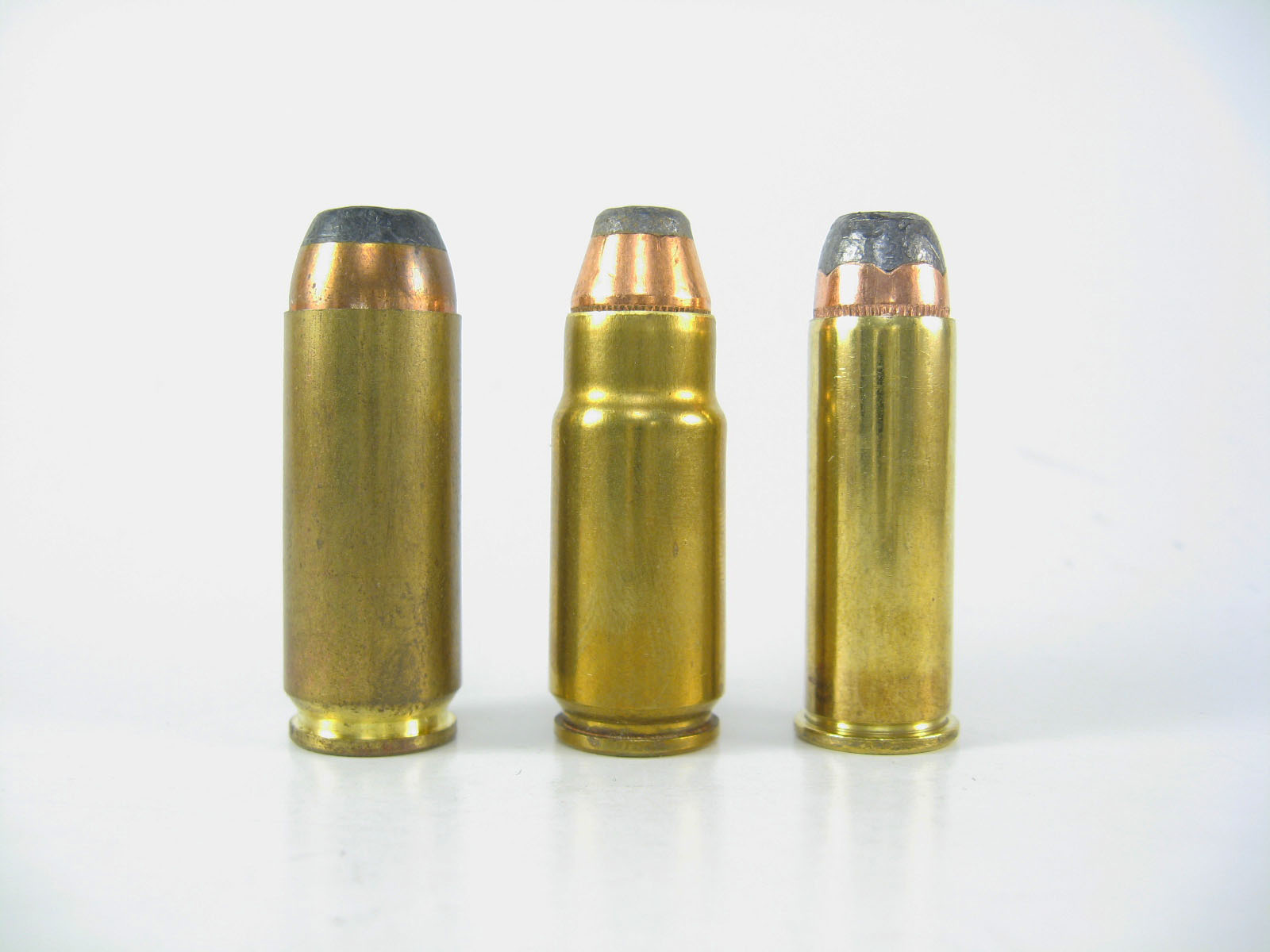
Hunters also discovered that the .41 could be unusually versatile when ammunition was selected thoughtfully. Full-power loads offered substantial energy for suitable medium-sized game, while lighter or reduced loads could make practice more comfortable. Handloaders especially valued the cartridge because its broad range of bullet weights and velocities allowed them to tailor performance to the task. That flexibility helped keep the .41 alive after its police ambitions faded. It became less a duty cartridge and more a specialist’s sporting tool, appreciated for its useful balance.
7. It lost the Popularity Contest to the .44 Magnum
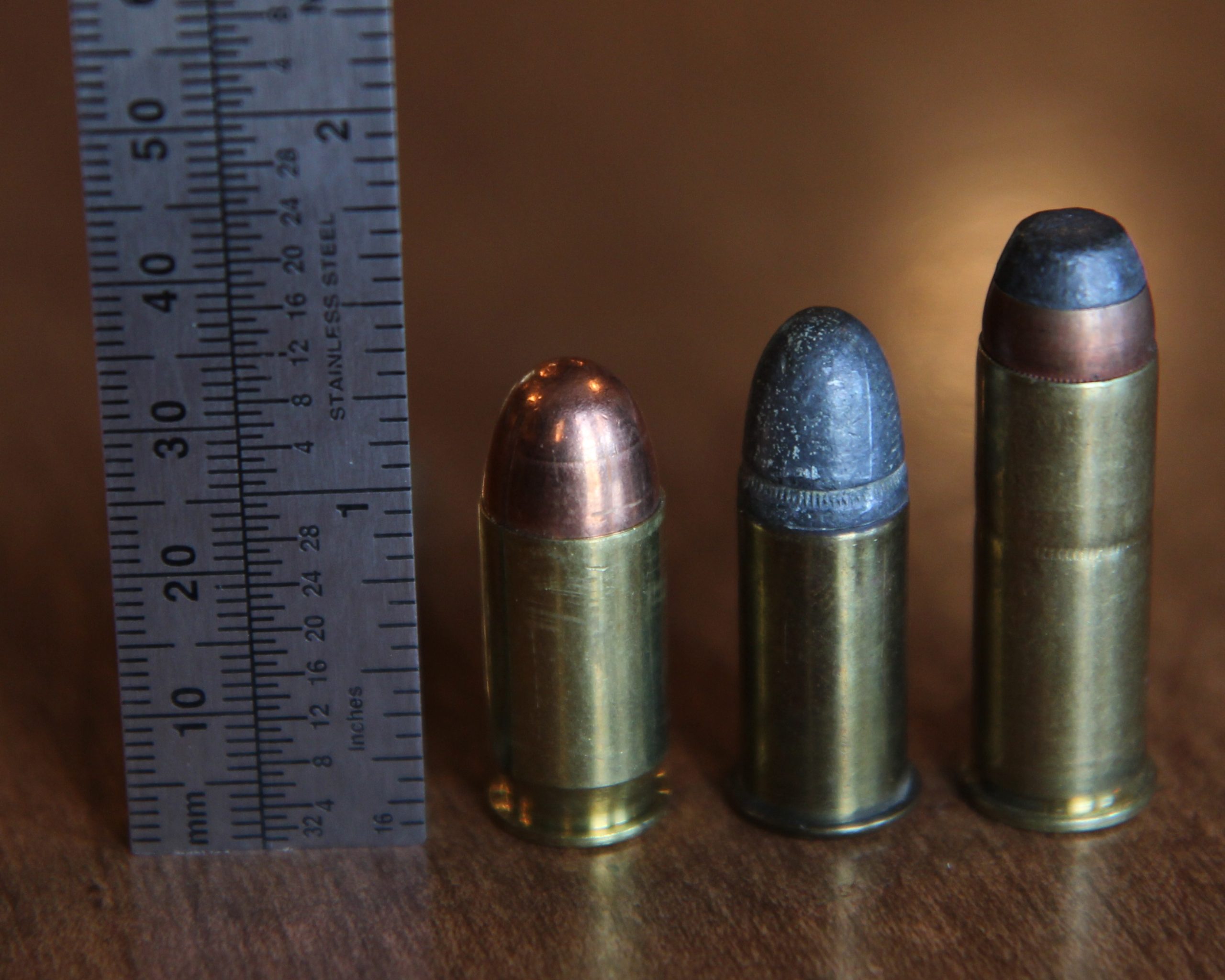
The cartridge never disappeared, even though the .44 Magnum captured far more public attention. The .44 had Hollywood visibility, a larger established market, and broader ammunition availability. The .41 instead developed a quieter reputation among experienced revolver shooters, hunters, and handloaders. Its following was small, but unusually persistent. The Model 57, later Model 657 stainless variants, and Ruger revolvers helped preserve that interest. Its story became less about dominating sales and more about earning loyalty from people who appreciated its balance.
8. Its Failed Police Career Became a Hunting Legacy
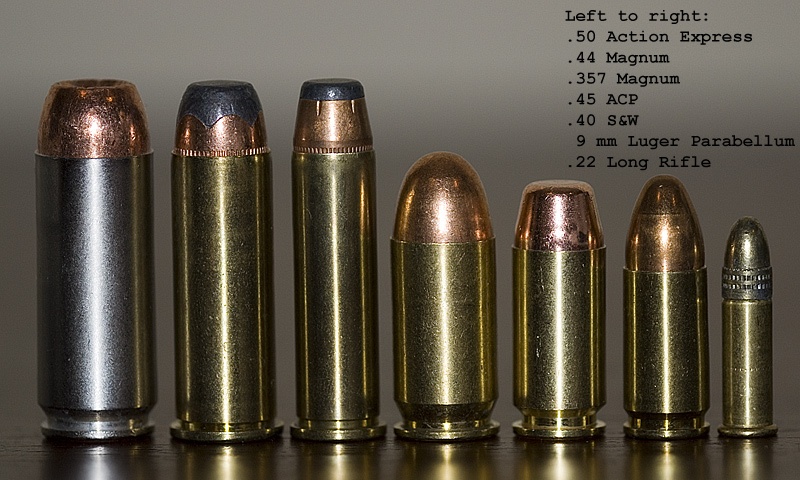
The .41 Magnum’s most revealing number may be 1964, the year its commercial life began. More than six decades later, it remains a recognizable hunting and sporting cartridge despite never becoming the police standard its creators imagined. Its history is a lesson in how ammunition design can succeed after missing its original target. Police agencies often found the revolver too heavy and the ammunition too forceful, while hunters saw useful power, manageable dimensions,s and excellent versatility. The rejected duty round became a respected field classic.