A gun company with one of America’s best-known names started with a man who took a very unusual road to industry. Arthur Savage’s years on the far side of the world mattered more than most people realize.
Arthur Savage was never a conventional gunmaker

Arthur William Savage was born in Kingston, Jamaica, in 1857, and then spent important school years in both the United States and England before heading out into a wider imperial world. That alone made him unusual for a 19th-century firearms founder. He was not a one-town machinist who apprenticed at a bench and stayed there.
Accounts from the company’s own history, the National Sporting Goods Association, and long-running firearms histories all point to the same core truth. Savage lived a restless, mobile early life and worked a string of practical jobs before he ever founded a gun company. He was shaped by movement, frontier conditions, and work that punished bad ideas quickly.
That background matters because it helps explain why Savage Arms never began as a prestige brand chasing ornament first. It began with a founder obsessed with function, handling, speed, and field usefulness. When Savage Arms says its story began with Arthur Savage in 1894, that line carries more weight once you understand the rough, improvised life he had already lived before getting to Utica.
Australia gave him a hard education in what tools must do
Several biographical histories say Savage spent years in Australia and at one point owned what was described as the largest cattle ranch in the country. Whether one focuses on the exact superlative or not, the broader point is beyond dispute. He was operating in a huge, demanding ranching environment where distance, weather, stock losses, and self-reliance were daily facts.
Ranching cattle in Australia was not romantic horseback theater. It was management under pressure. A man in that world learned quickly which equipment held up, which mechanisms jammed, and which ideas looked clever on paper but failed when dirt, fatigue, and urgency entered the picture.
That kind of education translates directly to firearms design. A rancher does not want complexity for its own sake. He wants a tool that carries easily, comes into action fast, and works every time. Savage’s later rifles reflected exactly that sort of thinking, especially his attraction to streamlined, hammerless, practical repeaters that fit real field use instead of workshop vanity.
The leap from cattle country to firearms was not as strange as it sounds
To modern readers, ranching and rifle manufacturing can seem like unrelated chapters. In the late 19th century, they were closer than they appear. Frontier economies ran on transport, livestock, mechanical improvisation, and the constant need for durable tools. A man with ranch experience understood markets built around utility and understood the people who would eventually buy sporting arms.
Savage also had the temperament of an inventor rather than a caretaker. After Australia and later business activity in Jamaica, he continued moving through ventures that rewarded practical problem-solving. By the early 1890s, he had patented a hammerless lever-action rifle design, and that invention became the foundation for a company rather than a one-off experiment.
According to American Rifleman and Library of Congress historical material, Savage founded Savage Repeating Arms in Utica, New York, on April 5, 1894. That date is important, but the motive behind it is more interesting. He was not simply entering the gun trade because it was fashionable. He believed he had a better answer to the field rifle problems of his time.
His rifle ideas reflected a rancher’s eye for efficiency
Savage’s early design work centered on a hammerless lever action at a time when repeating rifles were already a fiercely competitive business. Winchester was powerful. Remington mattered. Marlin had its place. For a newcomer to step in, he needed something genuinely distinctive, not a mere copy with a new rollmark.
That distinction was real. His Model 1895, which evolved into the famous Model 1899 and later the Model 99, stood out for its sleek profile and innovative rotary magazine system. Firearms historians have long treated the platform as one of the major hunting rifle designs in American history, and American Rifleman notes that the later Model 1899 became one of the most successful hunting rifles ever made.
You can see the ranching influence in the priorities. The rifle emphasized carry, fast handling, and practical repeat fire. It was meant for hunters and working outdoorsmen who valued speed and confidence. That is the sort of product logic a former cattleman would understand instinctively. In rough country, elegance matters, but only after reliability has already been settled.
Founding Savage Arms was a business move rooted in lived experience
Savage did not found the company as an abstract inventor filing clever patents from a safe office. He had already lived in hard environments where self-sufficiency and workable engineering were inseparable. That gave him credibility with himself, and likely with investors too, because he was selling more than a drawing. He was selling a philosophy of use.
Utica was also a practical place to build. It offered rail access, industrial capacity, and connections that a new arms maker needed. Biographical accounts note that Savage worked in Utica managing the Belt Line railroad before launching the company, which suggests he was learning logistics and industrial organization alongside product development.
In other words, Savage Arms was founded where industry could support it, but it was conceived by a man whose instincts had been formed elsewhere. The factory was in New York. The mindset behind it had been sharpened in open country, among cattle, distance, and constant consequences. That blend helped create a company identity centered on useful innovation rather than mere tradition.
The company outgrew the founder, but not his original mindset

Arthur Savage eventually moved on from direct control, yet the company kept carrying the stamp of his founding ideas. Savage Arms expanded into rifles, pistols, ammunition, and later many other products over its long history. By the early 20th century, it had become one of the biggest names in American sporting firearms.
The enduring reputation came from a formula that still sounds very much like the founder’s life story. Build guns that ordinary hunters can afford. Keep them rugged. Keep them accurate. Avoid unnecessary fuss. Even today, the company’s own branding leans heavily on practicality, field performance, and working-gun credibility.
That continuity is what makes Savage’s biography more than colorful trivia. His ranching years were not a prelude unrelated to his firearms career. They were the training ground for the kind of industrial judgment that built the brand. A man who had spent years dealing with cattle in demanding country was always likely to admire tools that earned trust the hard way.
The real answer is simple: frontier life taught him what shooters needed
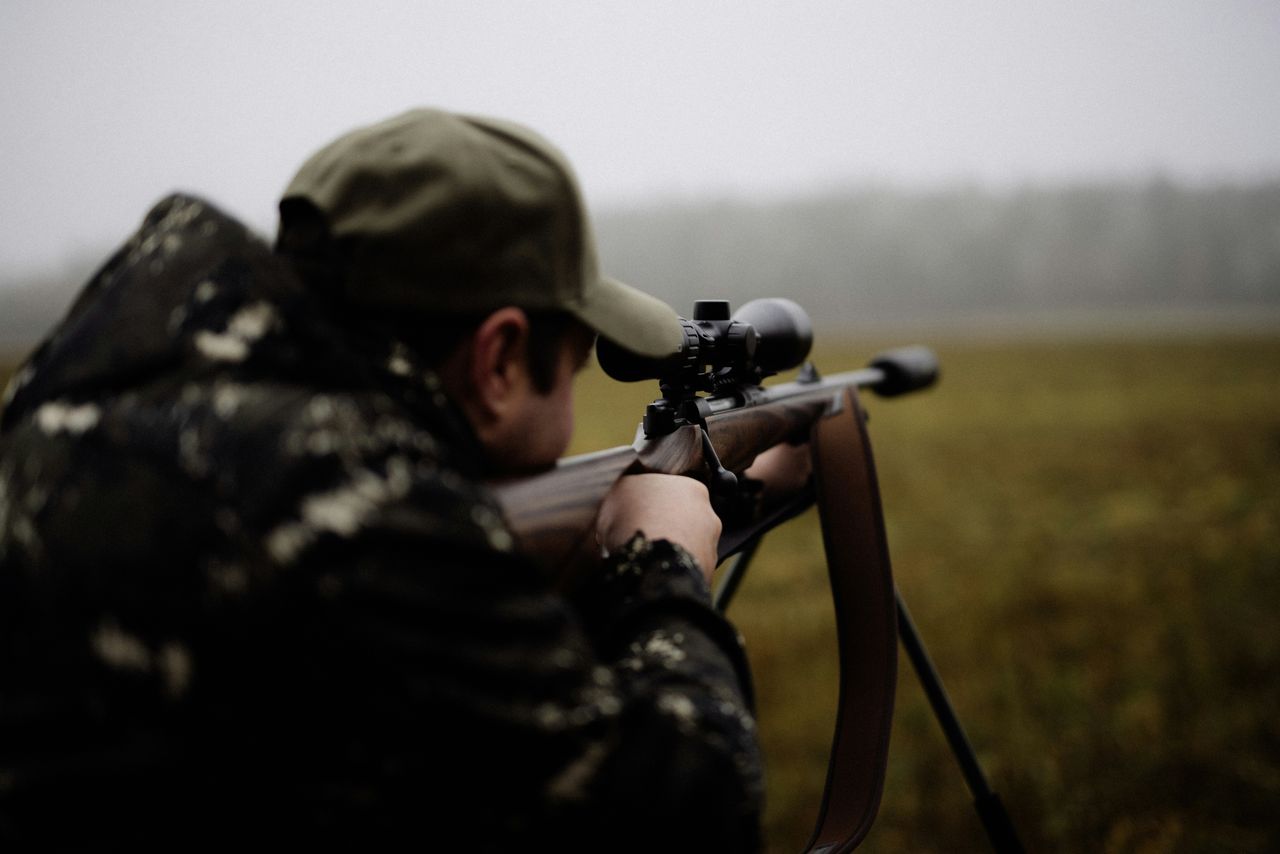
So why was Savage Arms founded by a man who had spent his early career ranching cattle halfway around the world? Because ranching taught Arthur Savage the value of dependable equipment, firearms were one more category of equipment that could be improved. He did not arrive at gunmaking through theory alone. He arrived through lived experience.
The late 1800s were full of inventors, but not all of them had tested their judgment in harsh, unforgiving settings. Savage had. That helps explain why he pursued a rifle that was not just novel, but useful. It also helps explain why his company found a lane in a crowded market. He was designing for real users, not just impressing insiders.
In the end, Savage Arms was born from a frontier mindset translated into manufacturing. Arthur Savage’s years in Australia did not distract from his destiny as a gunmaker. They helped create it. The cattle rancher and the rifle founder were never two different men. They were the same practical mind, applied to different problems.